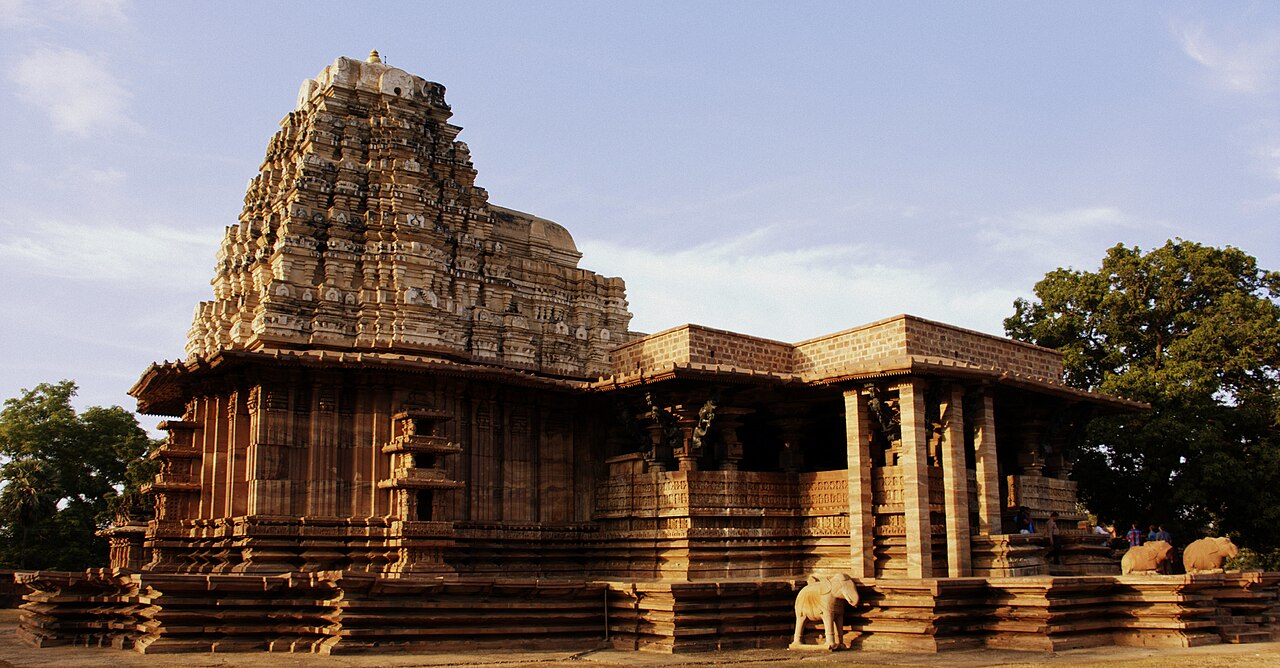
Mulugu district, India
Deity: Shiva
The Rudreshwara Temple, more commonly known as the Ramappa Temple, is a Hindu temple located in the village of Palampet in eastern Telangana, India. An inscription on a basalt pillar found within a nearby courtyard records that the temple was commissioned in 1213 by Recherla Rudra, a military general of the Kakatiya dynasty, and constructed over a period of 40 years during the reign of Ganapati, the third sovereign of the dynasty. Dedicated to the Hindu deity Shiva, it is a prominent example of Kakatiya architecture, and combines elements of Dravidian and Chalukyan architectural styles.
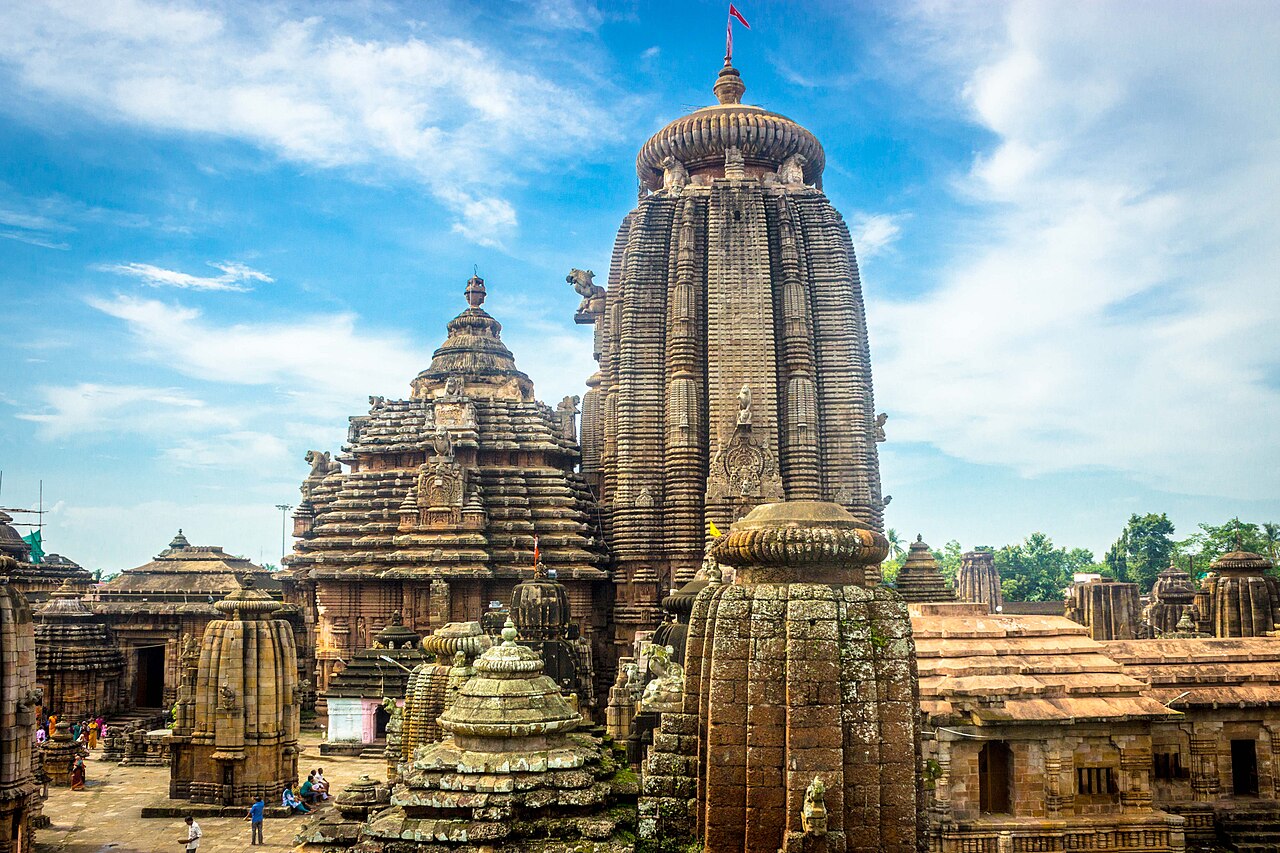
Bhubaneswar, India
Deity: Shiva
Founded: 1000
Lingaraja Temple is a Hindu temple dedicated to Shiva and is one of the oldest temples in Bhubaneswar, the capital of the Indian state of Odisha, India. The temple is the most prominent landmark of Bhubaneswar city and one of the major tourist attractions of the state. Shiva's consort and the temple's presiding Goddess, Parvati, is referred to as Annapurna or Girija.
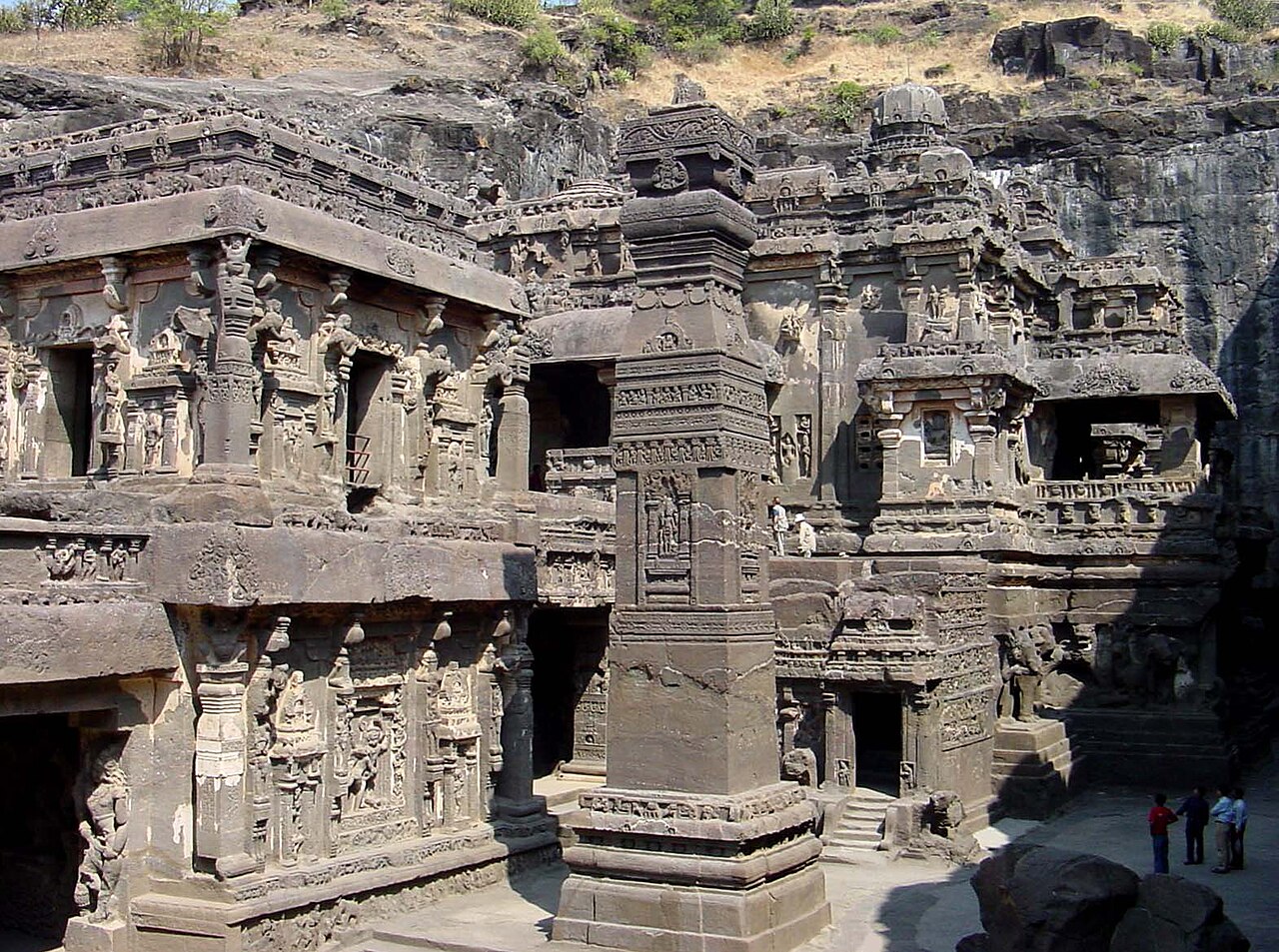
Aurangabad district, India
Deity: Shiva
Founded: 773 CE
The Kailasha or Kailasha-natha temple is the largest of the rock-cut Hindu temples at the Ellora Caves in Chhatrapati Sambhaji Nagar district of Maharashtra, India.
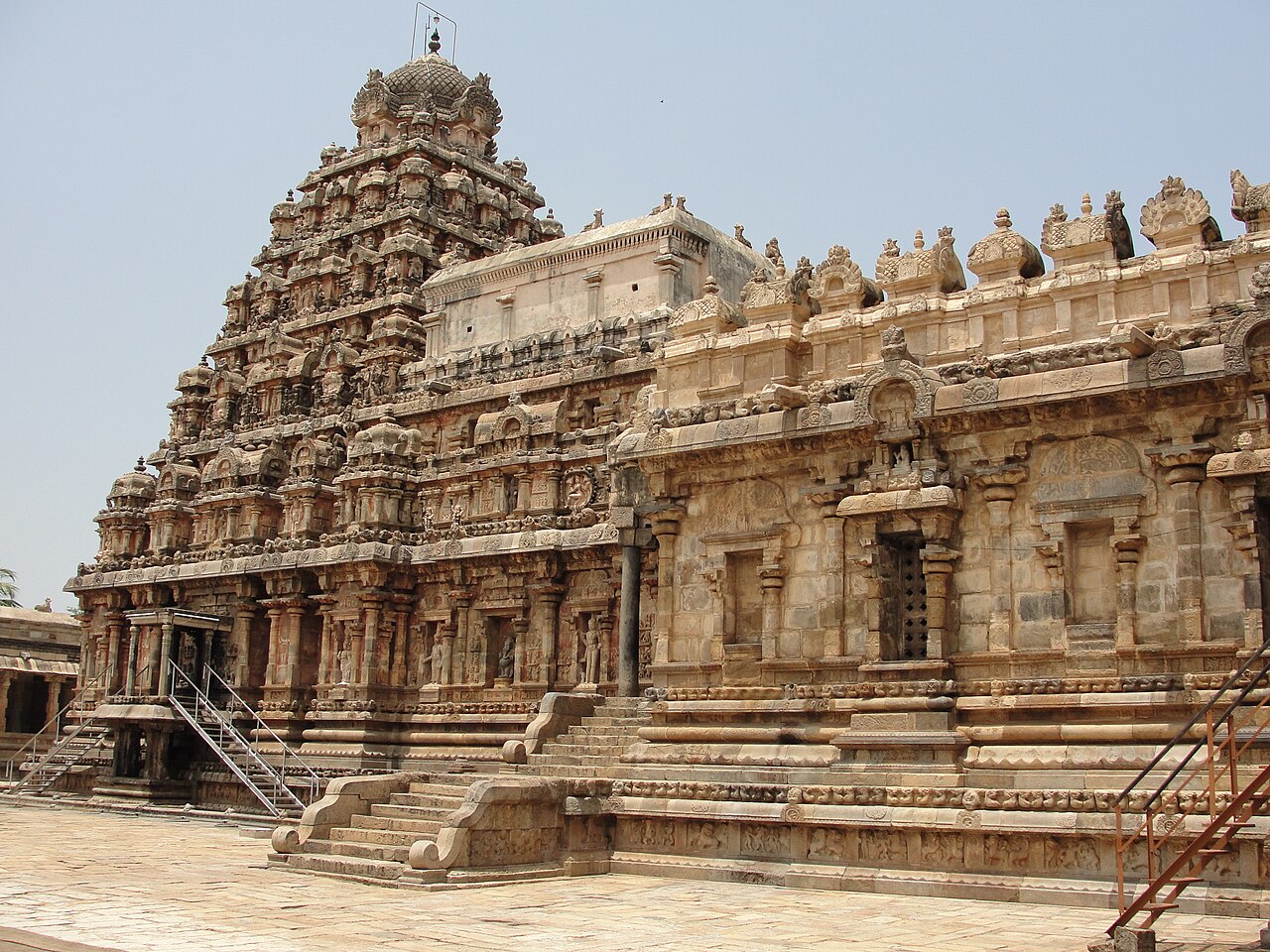
Thanjavur district, India
Deity: Shiva
Founded: 1166
Airavatesvara Temple is a Hindu temple of Chola architecture located in Darasuram, a suburb of Kumbakonam, Thanjavur District in the South Indian state of Tamil Nadu. This temple, built by Chola emperor Rajaraja II in the 12th century CE is a UNESCO World Heritage Site, along with the Brihadeeswara Temple at Thanjavur, the Gangaikondacholisvaram Temple at Gangaikonda Cholapuram that are referred to as the Great Living Chola Temples.
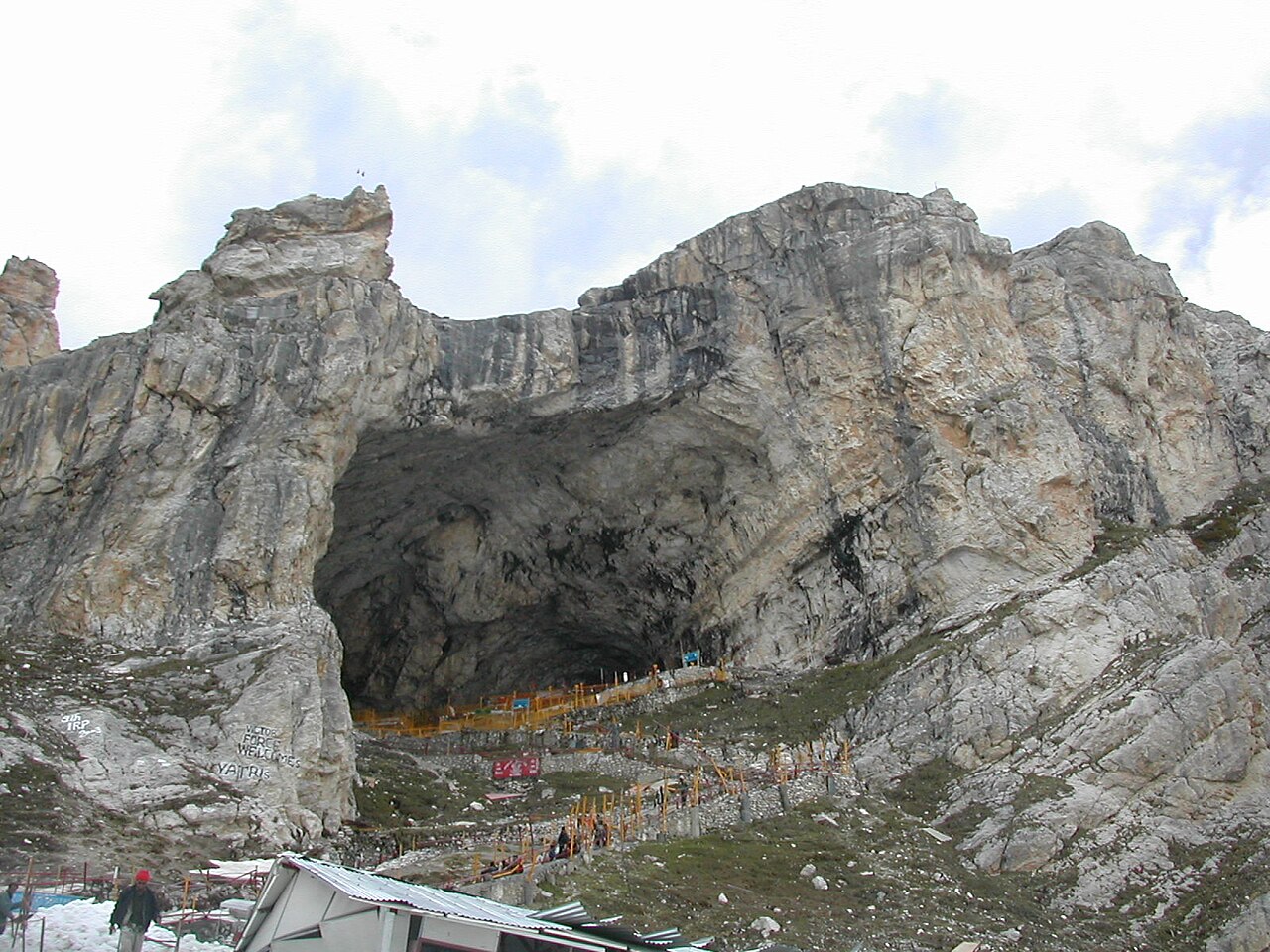
Anantnag district, India
Deity: Shiva
Amarnath Temple is a Hindu shrine located in the Pahalgam tehsil of Anantnag district of Jammu and Kashmir, India. It is a cave situated at an altitude of 3,888 m (12,756 ft), about 72 km from Anantnag, the district headquarters, 141 km (88 mi) from Srinagar, the summer capital of Jammu and Kashmir, accessible via either Sonamarg or Pahalgam
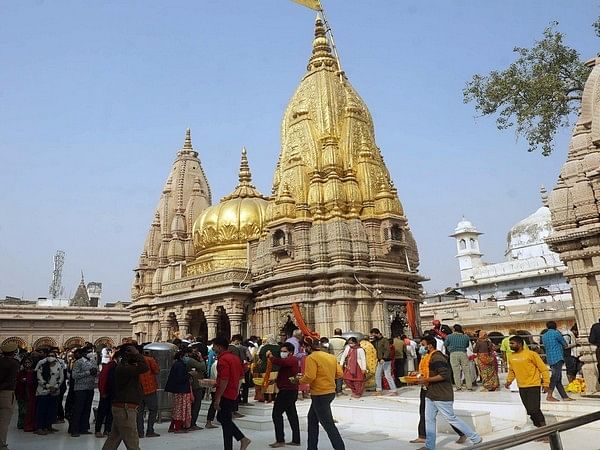
Varanasi, India
Deity: Shiva
Kashi Vishwanath Temple is a Hindu temple dedicated to Shiva. It is located in Vishwanath Gali, in Varanasi, Uttar Pradesh, India. The temple is a Hindu pilgrimage site and is one of the twelve Jyotirlinga shrines. The presiding deity is known by the names Vishwanath and Vishweshwara, meaning Lord of the Universe.
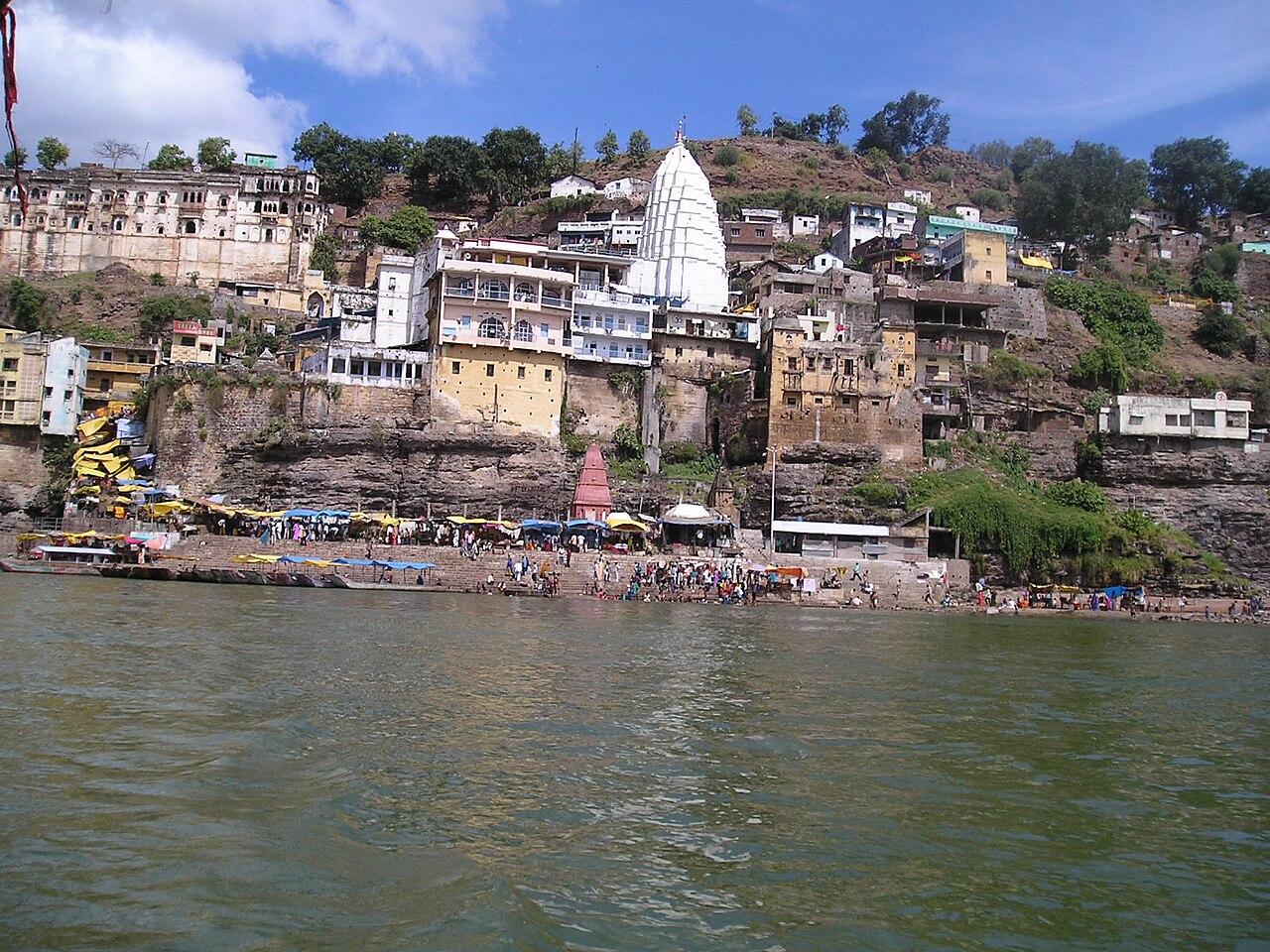
Madhya Pradesh, India
Deity: Shiva
Omkareshwar Temple is a Hindu temple dedicated to Shiva, located in Mandhata, nearby Khandwa city in Khandwa district of the Indian state of Madhya Pradesh. It is one of the 12 revered Jyotirlinga shrines of Shiva. It is on an island called Mandhata, near Khandwa city in the Narmada River at Khandwa district in Madhya Pradesh, India; the shape of the island is said to be like the Devanagari ॐ symbol.
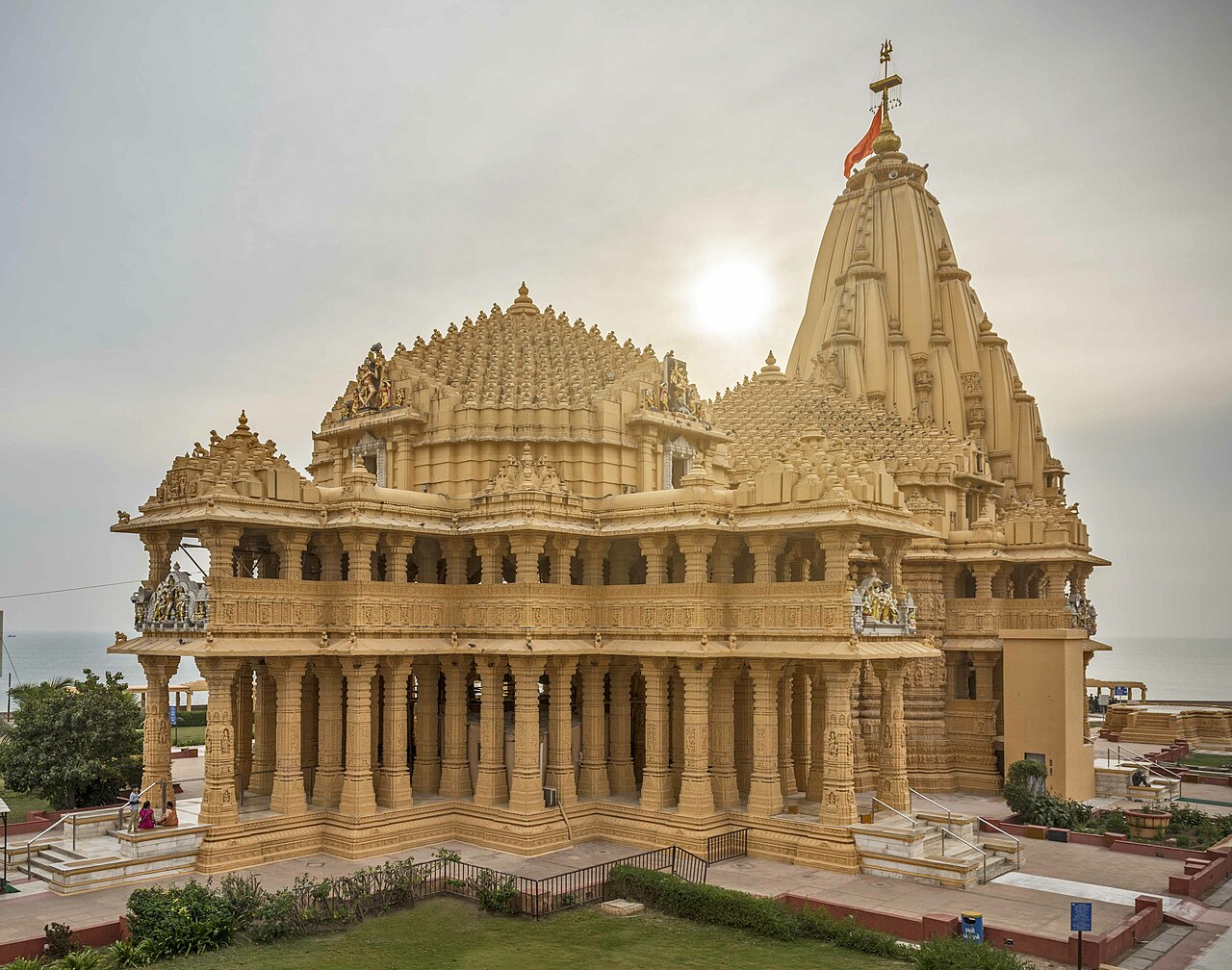
Veraval, India
Deity: Shiva
Somanatha Temple is a Hindu temple, located in Prabhas Patan, Veraval, in Gujarat, India. It is one of the most sacred pilgrimage sites, or Tirtha Kshetra for Hindus and is the first among the twelve jyotirlinga shrines of Shiva. The date of construction of the earliest Somnath temple remains uncertain, with estimates varying between the early centuries of the 1st millennium and about the 9th century CE. Various texts, including the Mahabharata and Bhagavata Purana, mention a tirtha at Prabhas Patan on the coastline of Saurashtra, where the later temple would eventually be built, but archaeology has not found traces of an early temple, though there was a settlement there.
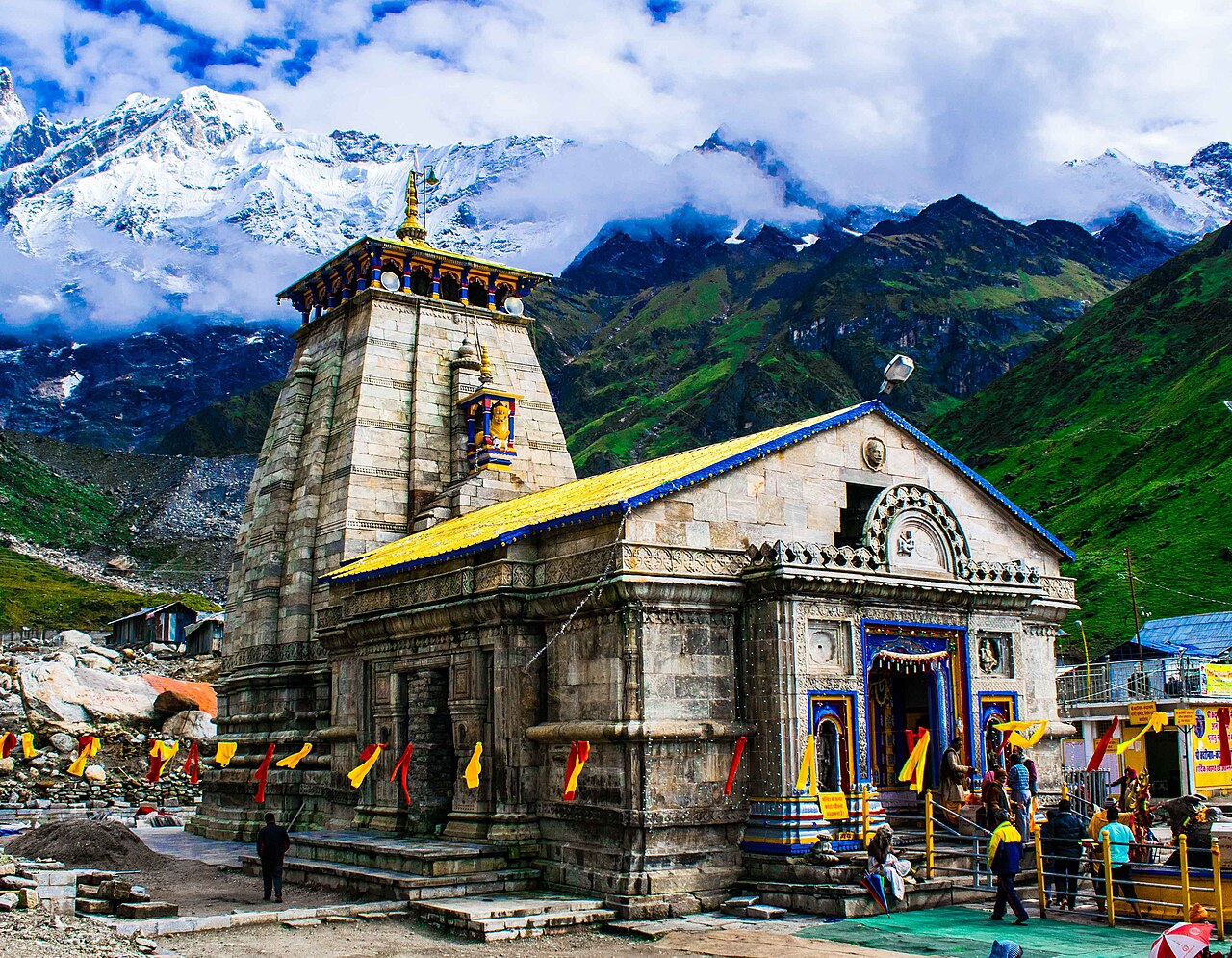
Rudraprayag district, India
Deity: Shiva
Founded: 800 CE
Kēdāranātha Temple is a Hindu temple, one of the twelve jyotirlinga of Śiva. The temple is located on the Garhwal Himalayan range
near the Mandākinī River, in the state of Uttarakhand, India. Due to extreme weather conditions, the temple is open to the general public only between the months of April and November. During the winters, the vigraha (deity) of the temple is carried down to Ukhimath to be worshiped for the next six months. Kēdāranātha is seen as a homogeneous form of Śiva, the 'Lord of Kēdārakhaṇḍa', the historical name of the region.
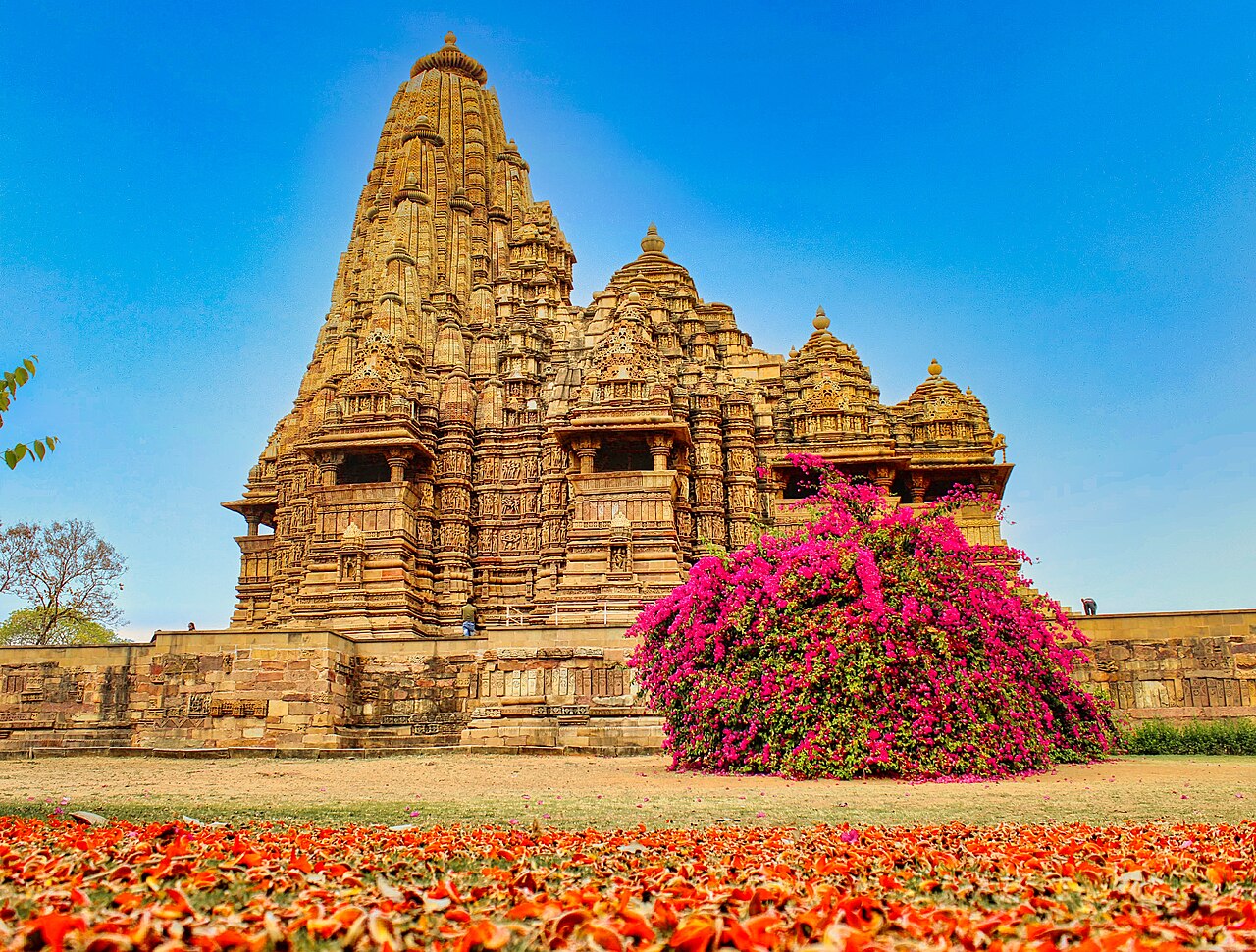
Chhatarpur district, India
Deity: Shiva
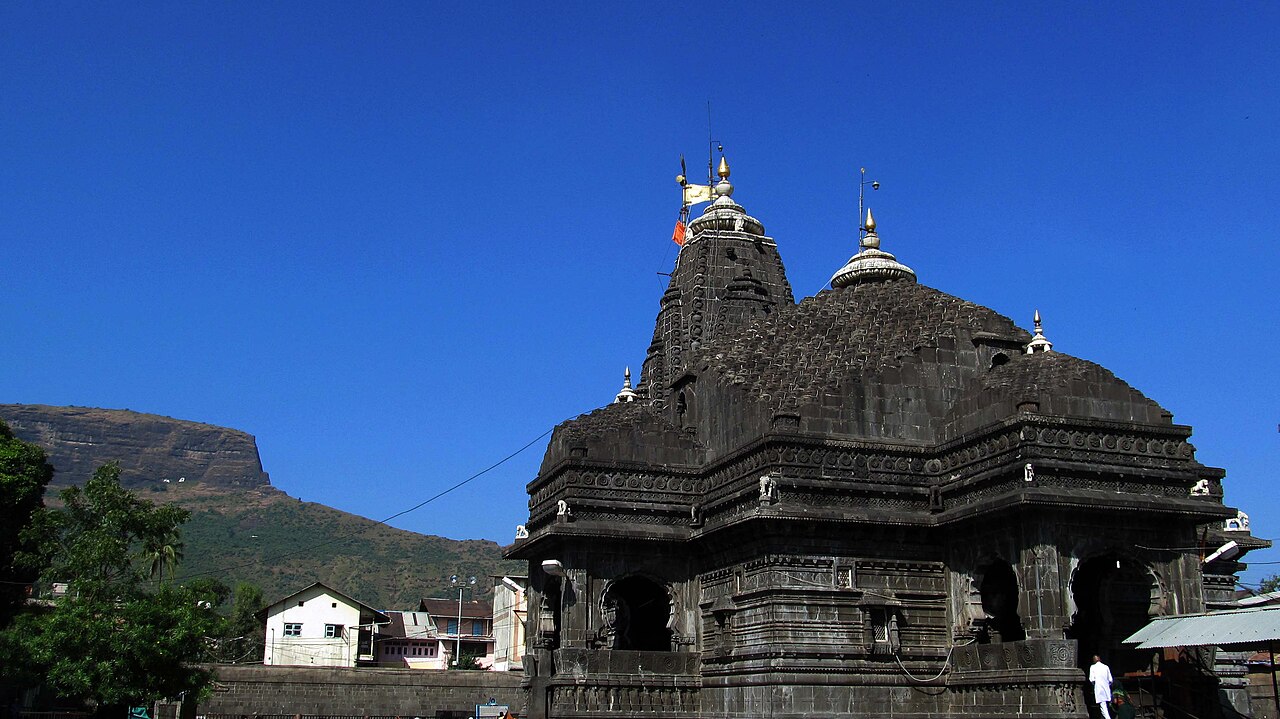
Nashik district, India
Deity: Shiva
Trimbakeshwar Shiva Temple is an ancient Hindu temple in the town of Trimbak, in the Trimbakeshwar tehsil, in the Nashik District of Maharashtra, India, 28 km from the city of Nashik and 40 km from Nashik road. It is dedicated to the Hindu god Shiva and is one of the twelve jyotirlingas where the Hindu genealogy registers at Trimbakeshwar, Maharashtra are kept. The origin of the sacred Godavari River is near Trimbak. Several Hindu rituals are carried out in Trimbakeshwar, for that pilgrims travel from all over India.
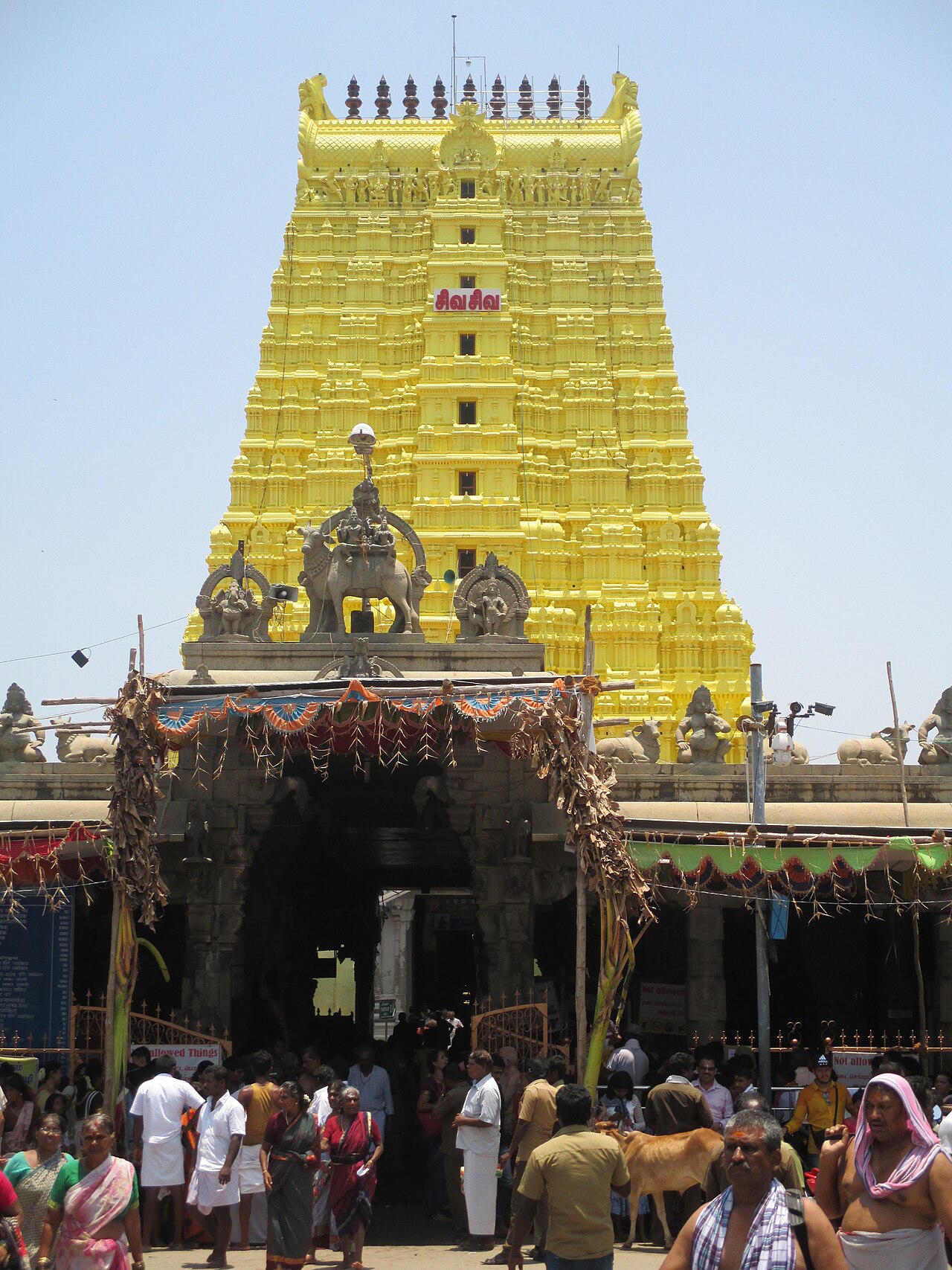
Ramanathapuram district, India
Deity: Shiva
Ramanathaswamy Temple is a Hindu temple dedicated to the Hindu god Shiva located on Rameswaram island in the state of Tamil Nadu, India. It is one of the twelve Jyotirlinga temples. It is one of the 276 Paadal Petra Sthalams, the sacred sites glorified by the Nayanars, Appar, Sundarar, and Sambandar, with their songs. According to tradition, the lingam of the Ramanathaswamy Temple was established and worshipped by Rama before he crossed the bridge called Rama Setu to the island kingdom of Lanka, identified with Sri Lanka. It is one of the Char Dham pilgrimage sites.
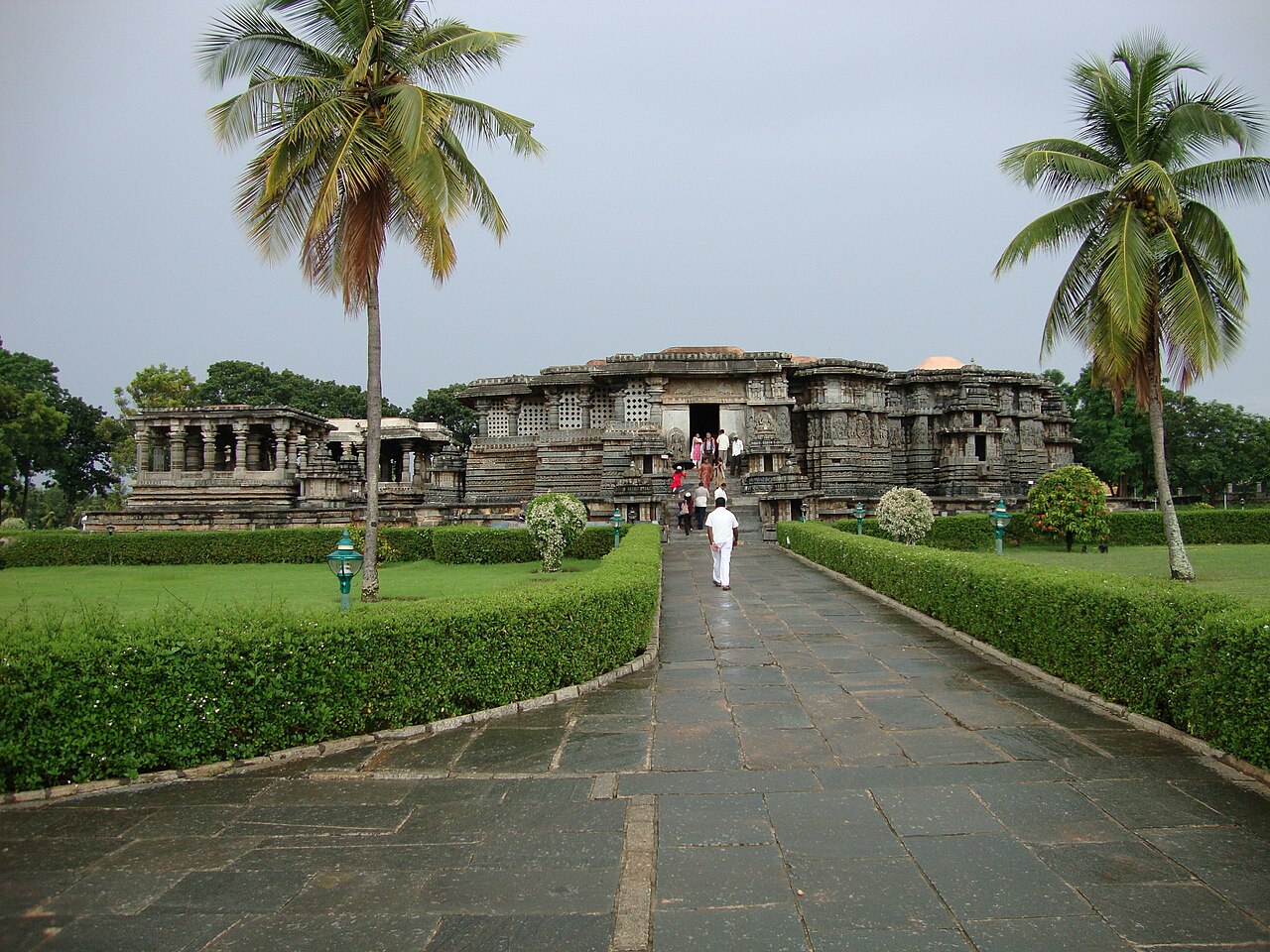
Hassan district, India
Deity: Shiva
Founded: 1160
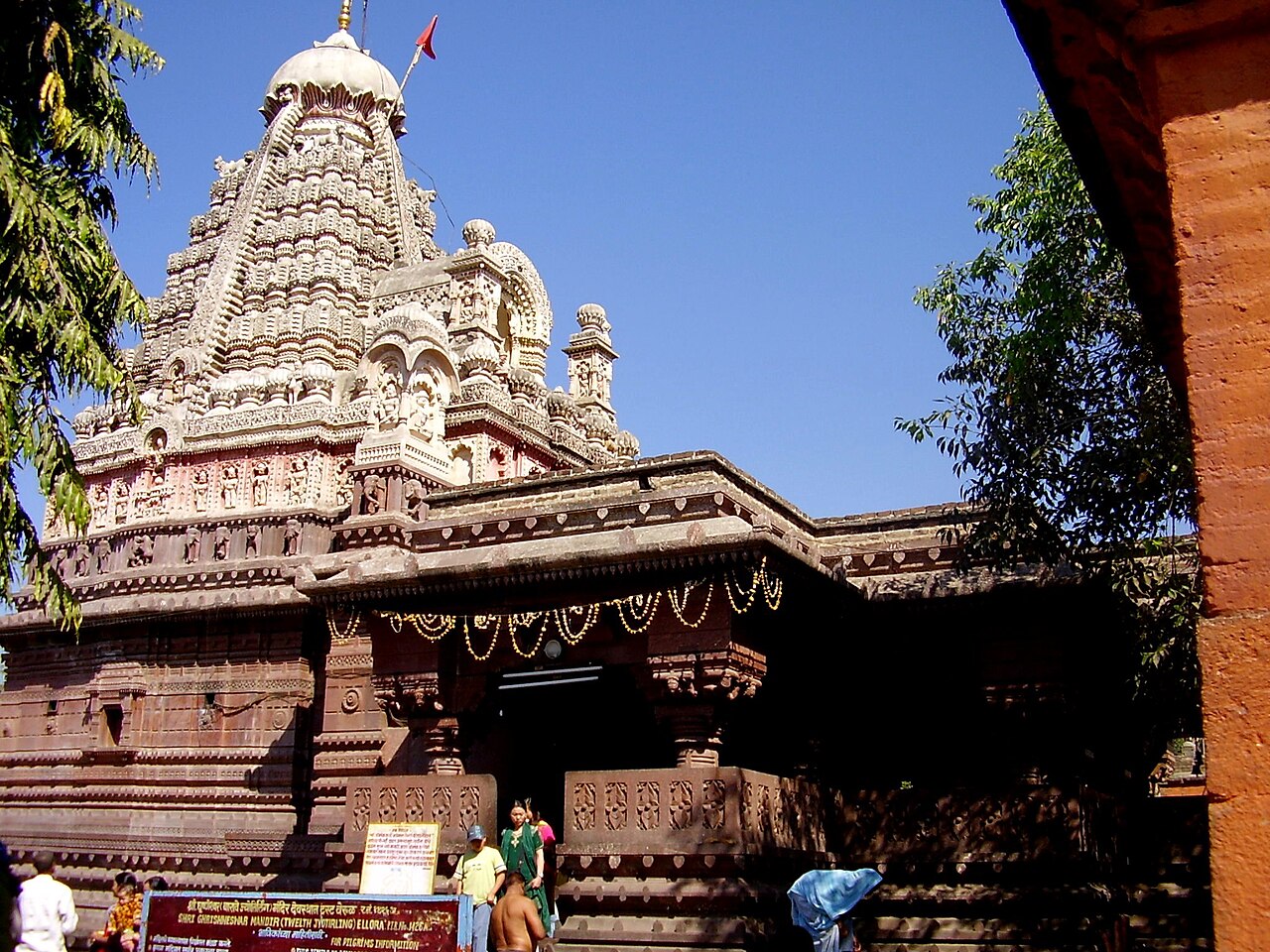
Aurangabad district, India
Deity: Shiva
Ghrishneshwar Jyotirlinga, also known as Grishneswhar, is a Hindu temple of Shiva in Verul village of Aurangabad district, Maharashtra. It is one of the 12 Jyotirlinga mandirs. The mandir is a national protected site, one and a half kilometers away from the Ellora Caves, 30 kilometres north-west of the Aurangabad, and 300 kilometres east-northeast far from Mumbai. Ghrishneshwar is mentioned in the Shiva Purana, the Skanda Purana, the Ramayana and the Mahabharata.
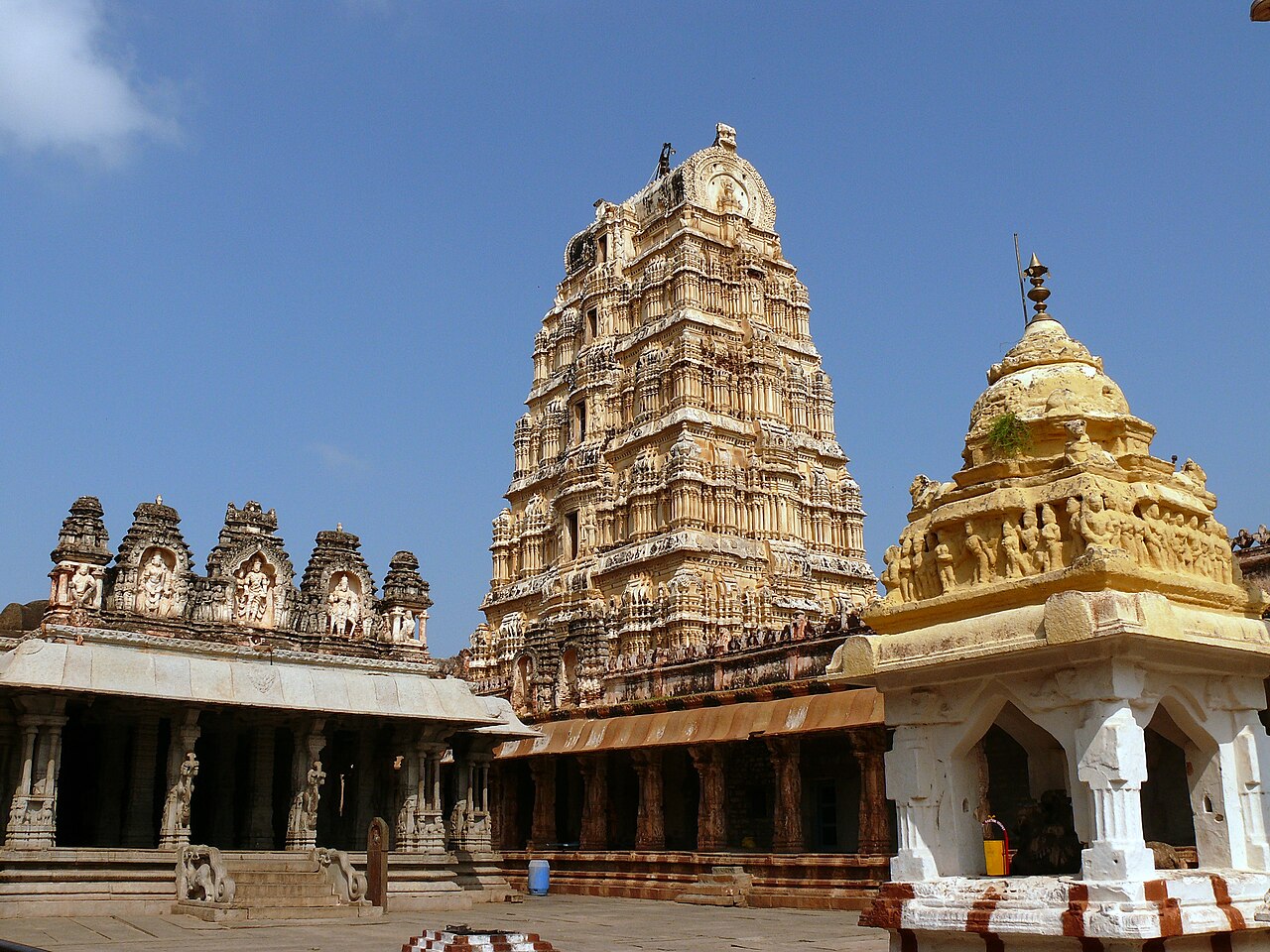
Vijayanagara District, India
Deity: Shiva
The Virūpaksha Temple is located in Hampi in the Vijayanagara district of Karnataka, India, situated on the banks of the river Tungabhadra. Built in the 7th-century, it is dedicated to Virupaksha, a form of Shiva. It is part of the Group of Monuments at Hampi, designated as a UNESCO World Heritage Site. The temple was expanded by Lakkan Dandesha, a nayaka (chieftain) under the ruler Deva Raya II, also known as Prauda Deva Raya of the Vijayanagara Empire.
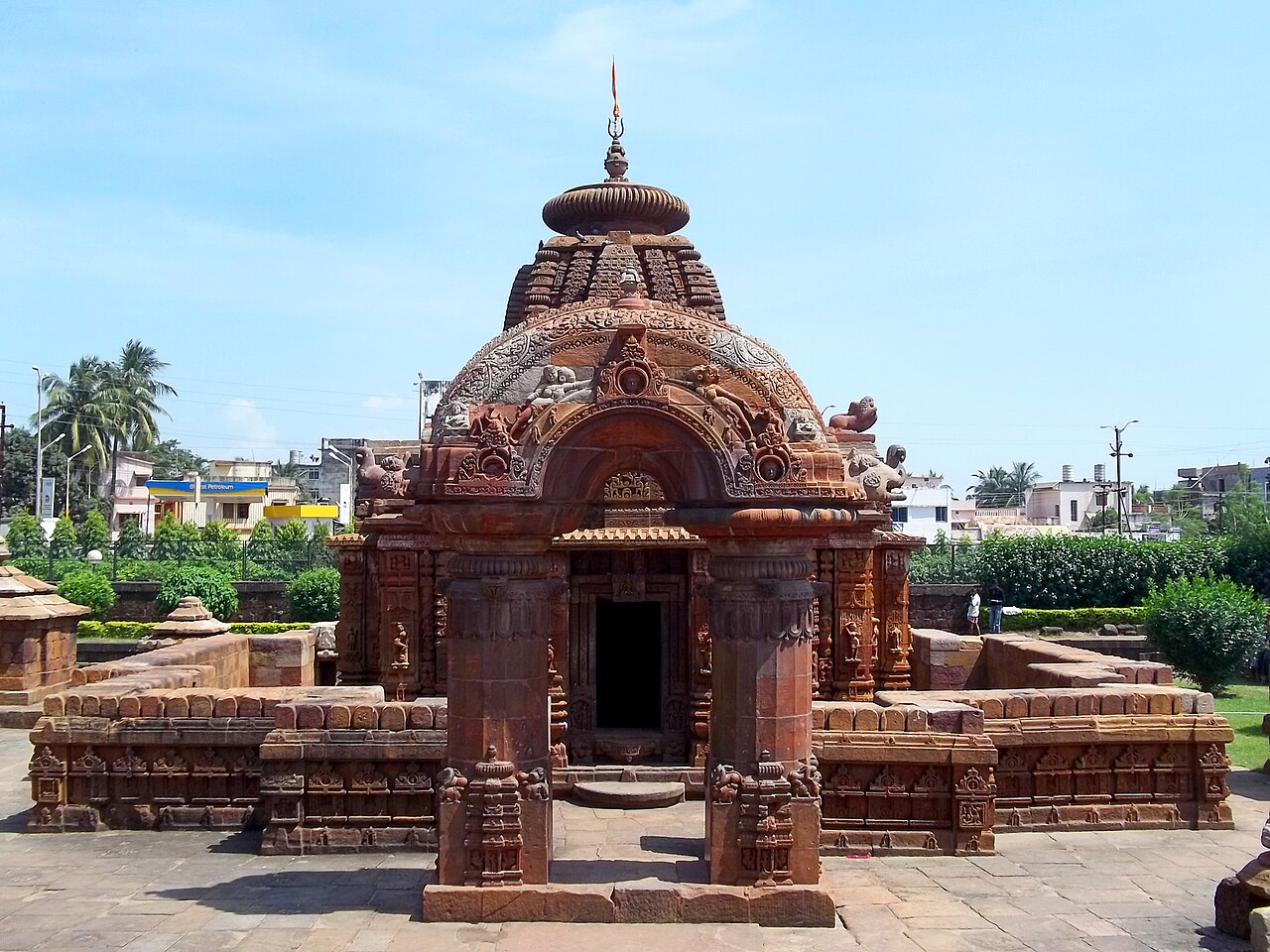
Bhubaneswar, India
Deity: Shiva
Founded: 1000
Mukteshwara Temple is a 10th-century Hindu temple dedicated to Shiva located in Bhubaneswar, Odisha, India. The temple dates back to 950–975 CE and is a monument of importance in the study of the development of Hindu temples in Odisha. The stylistic development of the Mukteswara Temple marks the culmination of all earlier developments, and initiates a period of experiment which continues for an entire century, as seen in such temples as the Rajarani Temple and Lingaraj temple, both located in Bhubaneswar. It is one of the prominent tourist attractions of the city.
Maharashtra, India
Deity: Shiva
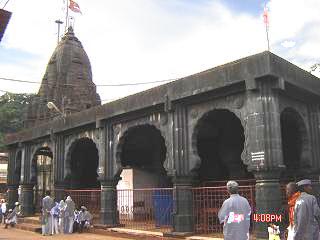
Bhimashankar Temple is a Hindu temple dedicated to Shiva situated in its eponymous village, Bhimashankar, in Pune district of Maharashtra. It is a key pilgrimage centre and contains one of the 12 Jyotirlingas. The temple's Shiva lingam is one of the three Jyotirlingas of Maharashtra. The mandir is situated on a mountain, 110 kilometers away from Pune. The temple's vicinity has rare plant and animal species. The mandir is located in Khed taluka, in the Bhimashankar forest range.
Madhya Pradesh, India
Deity: Shiva
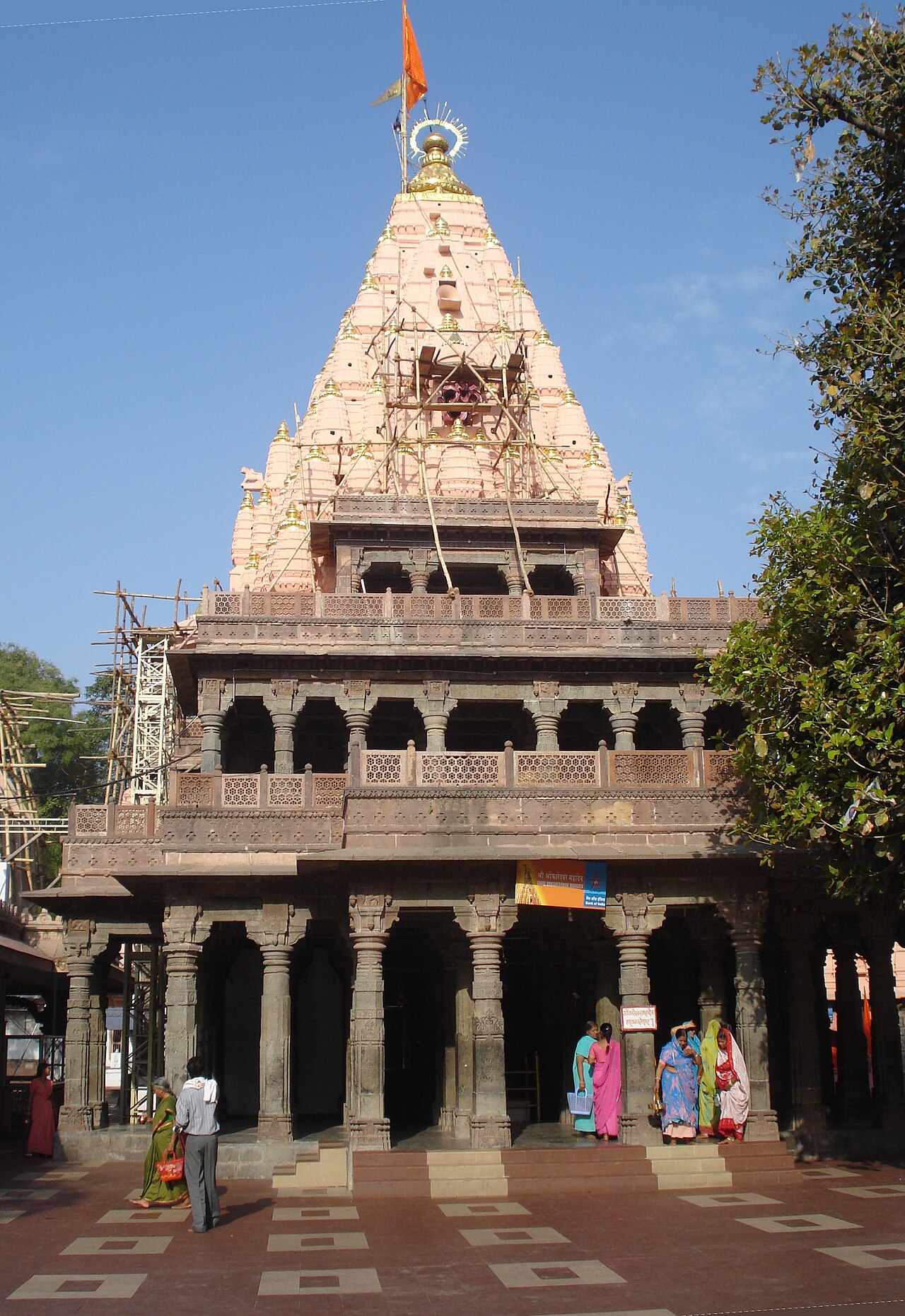
Mahakaleshwar Jyotirlinga is a Hindu temple dedicated to Shiva and is one of the twelve Jyotirlingas, shrines which are said to be the most sacred abodes of Shiva. It is located in the ancient city of Ujjain in the state of Madhya Pradesh, India. The temple is situated on the side of the holy river Shipra. The presiding deity, Shiva in the lingam form is believed to be Swayambhu, deriving currents of power (Shakti) from within itself as against the other images and lingams that are ritually established and invested with mantra-shakti.
Mylapore, India
Deity: Shiva
Founded: 650 CE
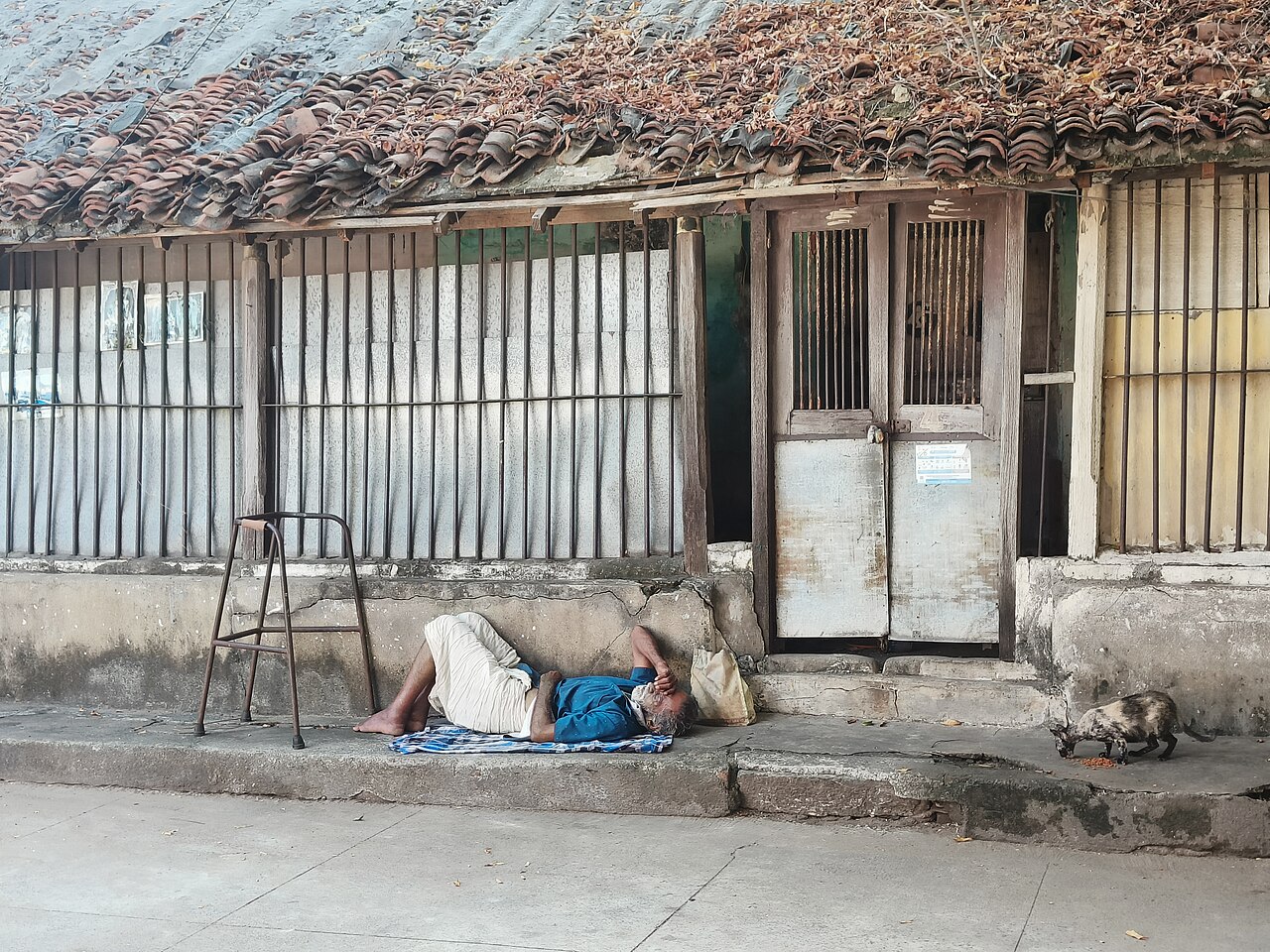
The Kapaleeshwarar Temple is a Hindu temple dedicated to the god Shiva. It is located in Mylapore, Chennai in the Indian state of Tamil Nadu. The temple was built around the 17th century A.D. and is an example of South Indian Architecture.
Dwarka Taluka, India
Deity: Shiva
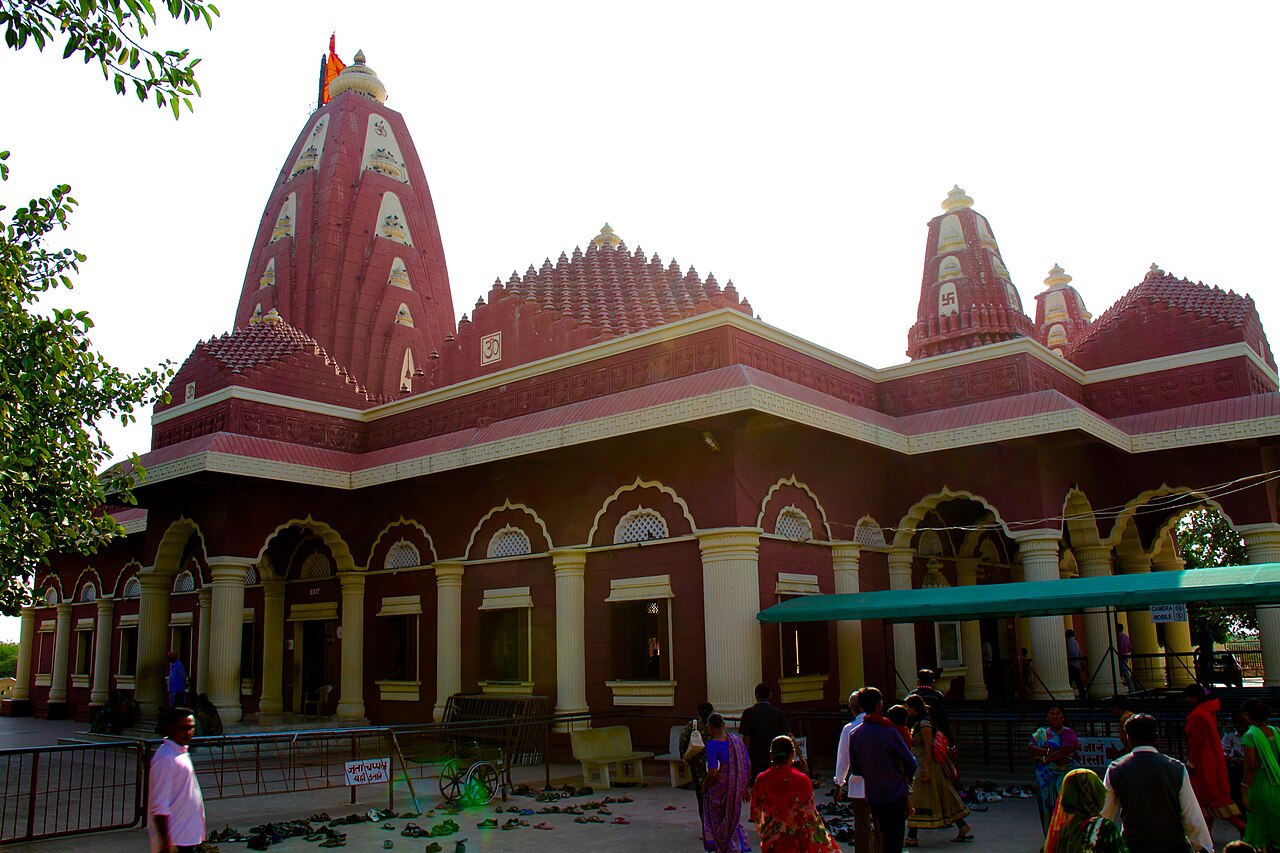
Nageshwar Temple is a Hindu temple dedicated to the Hindu god Shiva located on Dwarka, Gujarat, India. It is one of the legendary temples mentioned in the Shiva Purana and one of the twelve Jyotirlingas.
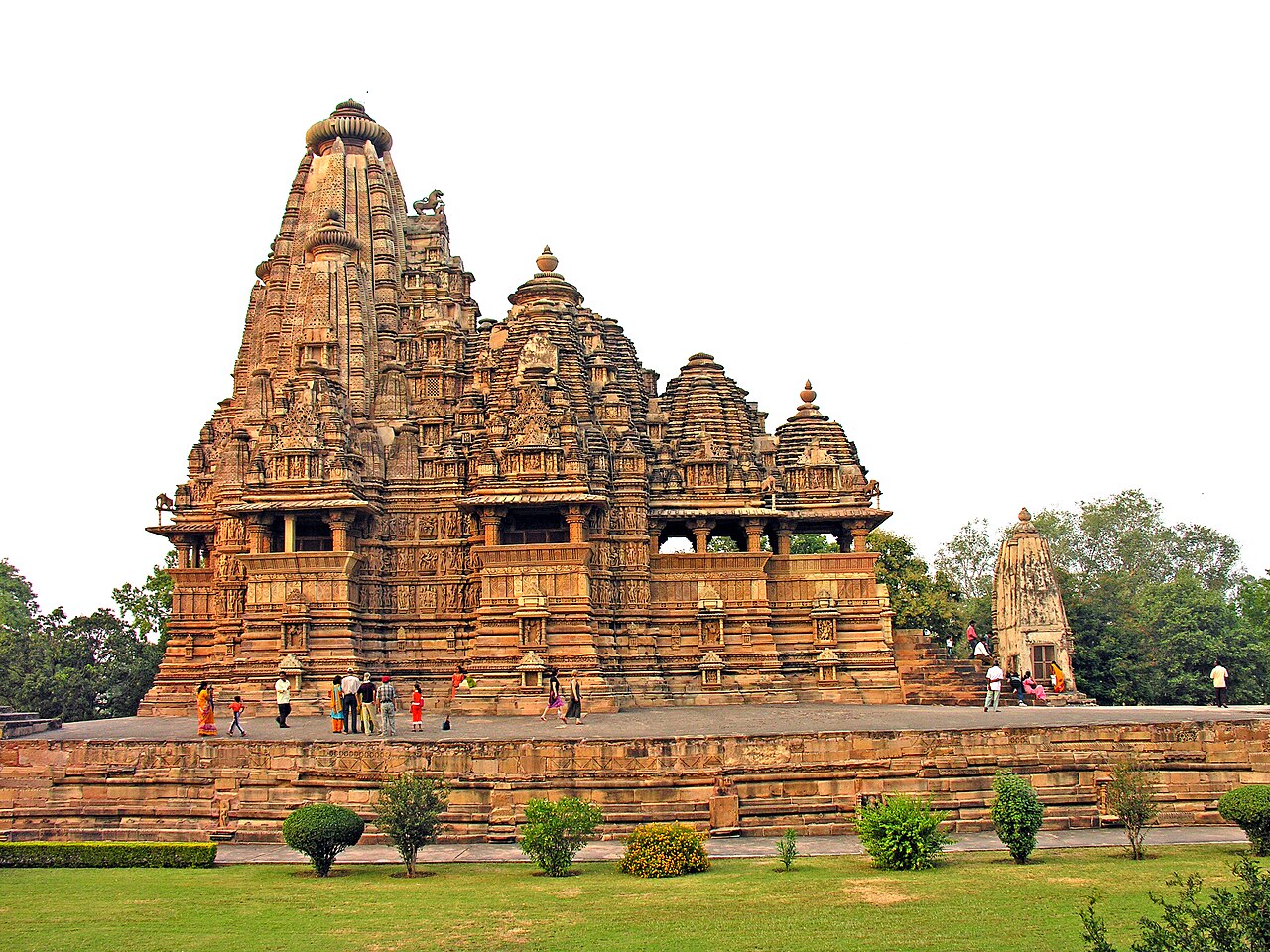
Chhatarpur district, India
Deity: Shiva
Founded: 1002
The Vishvanatha Temple is a Hindu temple in Madhya Pradesh, India. It is located among the western group of Khajuraho Monuments, a UNESCO World Heritage site. The temple is dedicated to Shiva, who is also known as "Vishvanatha", meaning "Lord of the Universe".
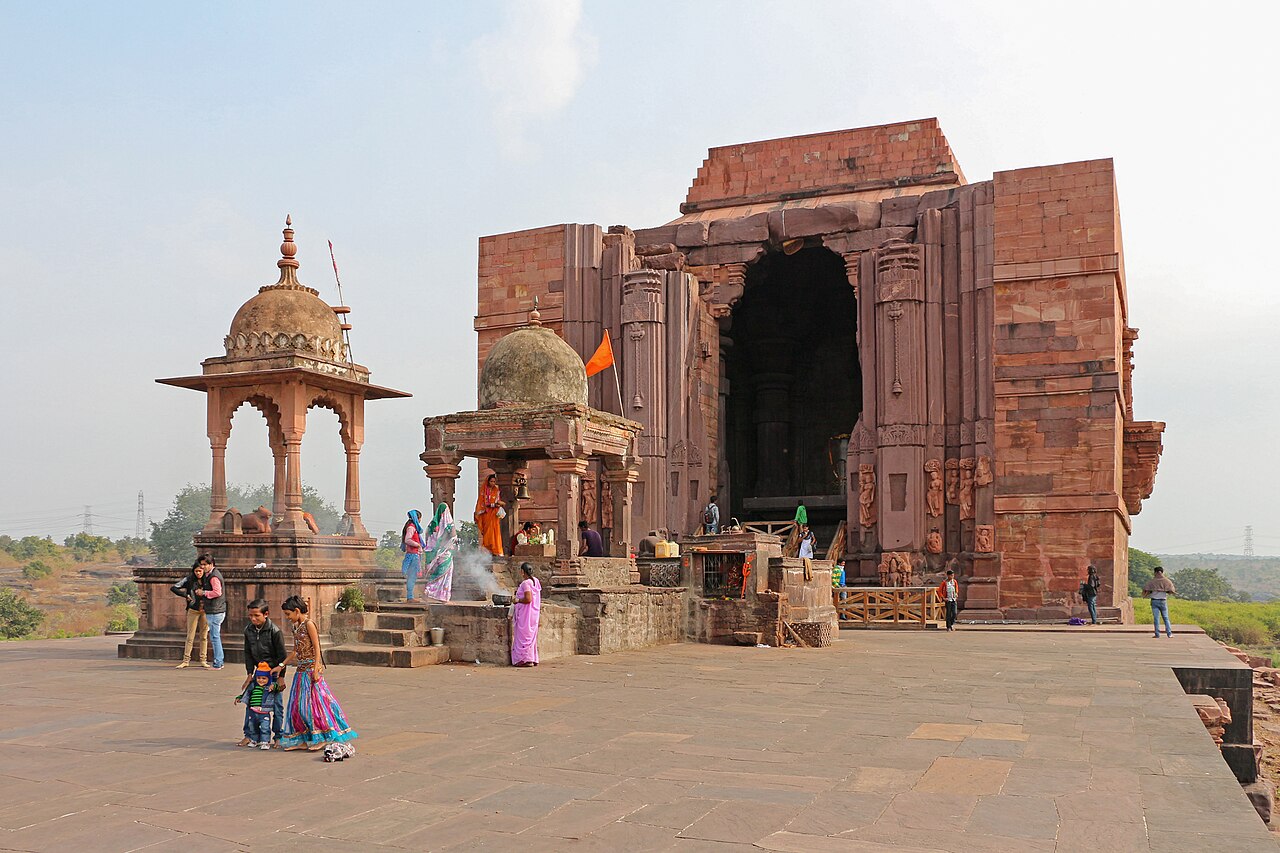
Raisen district, India
Deity: Shiva
The Bhojeshwar Temple is an incomplete Hindu temple in Bhojpur village of Madhya Pradesh, India. Dedicated to Shiva, it houses a 7.5-foot (2.3 m) high lingam in its sanctum.
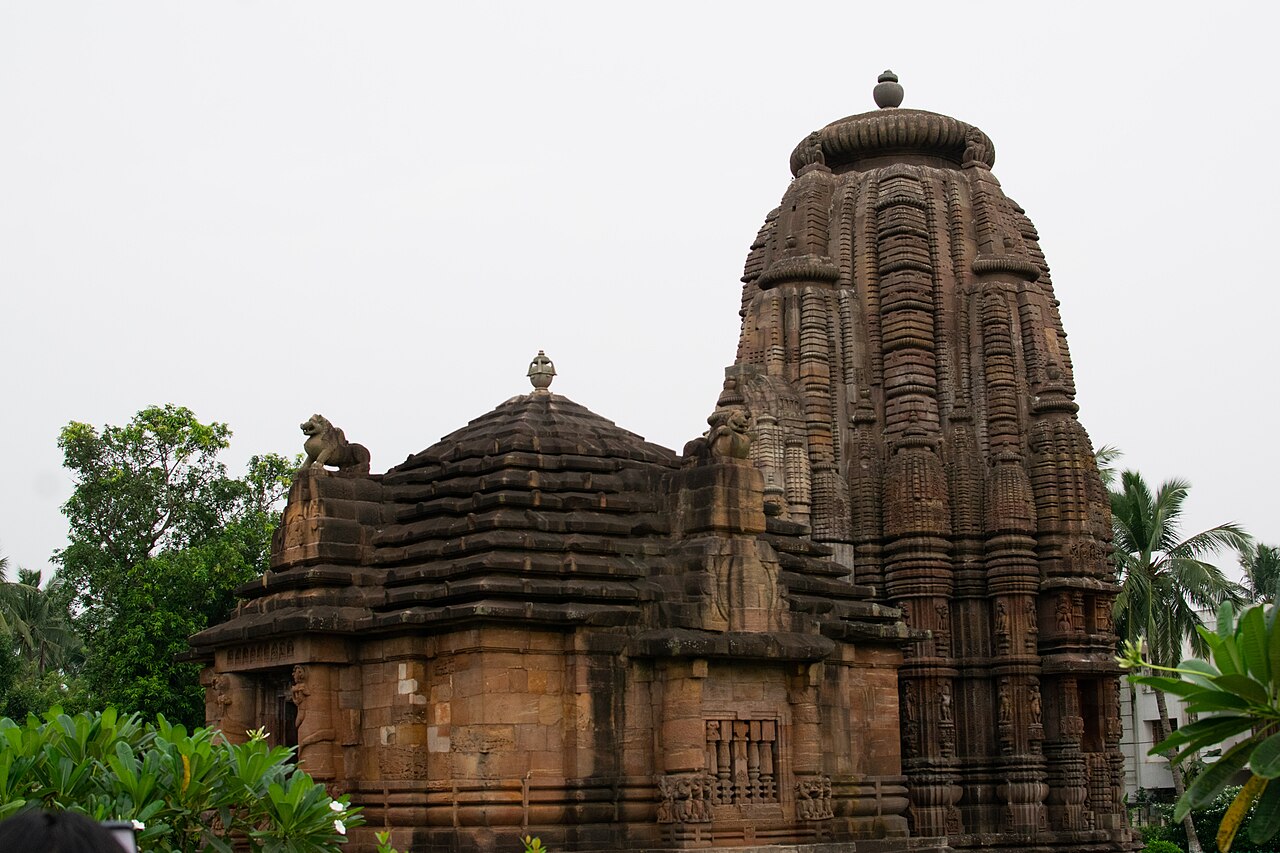
Bhubaneswar, India
Deity: Shiva
Rajarani Temple is an 11th-century CE Hindu temple located in Bhubaneswar, the capital city of Odisha, India. Believed to be devoted to Lord Shiva, the shrine is called Raja Rani because it is made of yellow and red sandstone and the two colors are locally called ‘Raja Rani’.
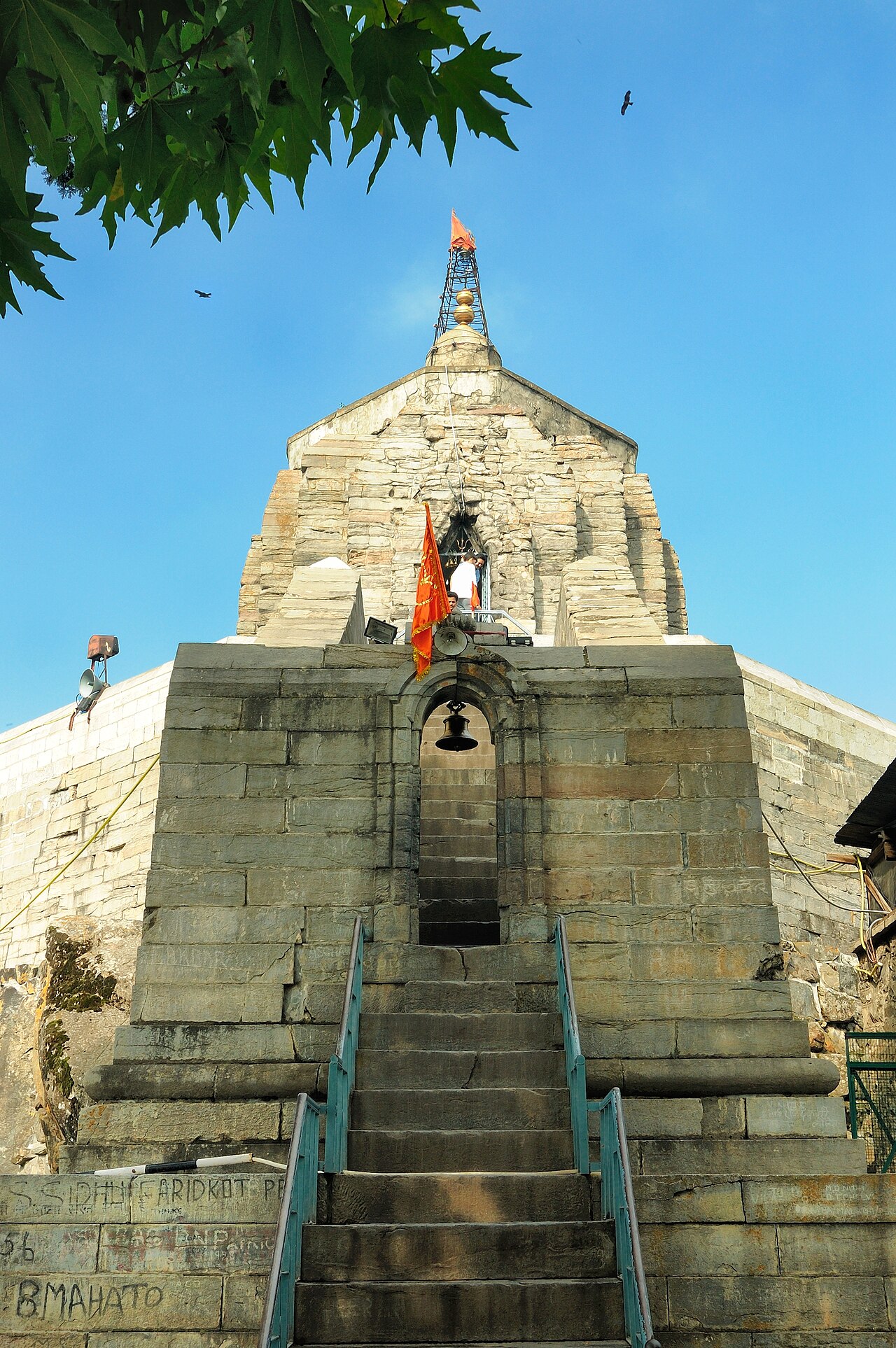
Srinagar district, India
Deity: Shiva
Shankaracharya Temple or Jyeshteshwara Temple is a Hindu temple situated on top of the Zabarwan Range in Srinagar in the Kashmir Valley of the union territory of Jammu and Kashmir, India. It is dedicated to Shiva. The temple is at a height of 1,000 feet (300 m) above the valley floor and overlooks the city of Srinagar. The temple is accessible via a road that emerges off Boulevard road near Gagribal.