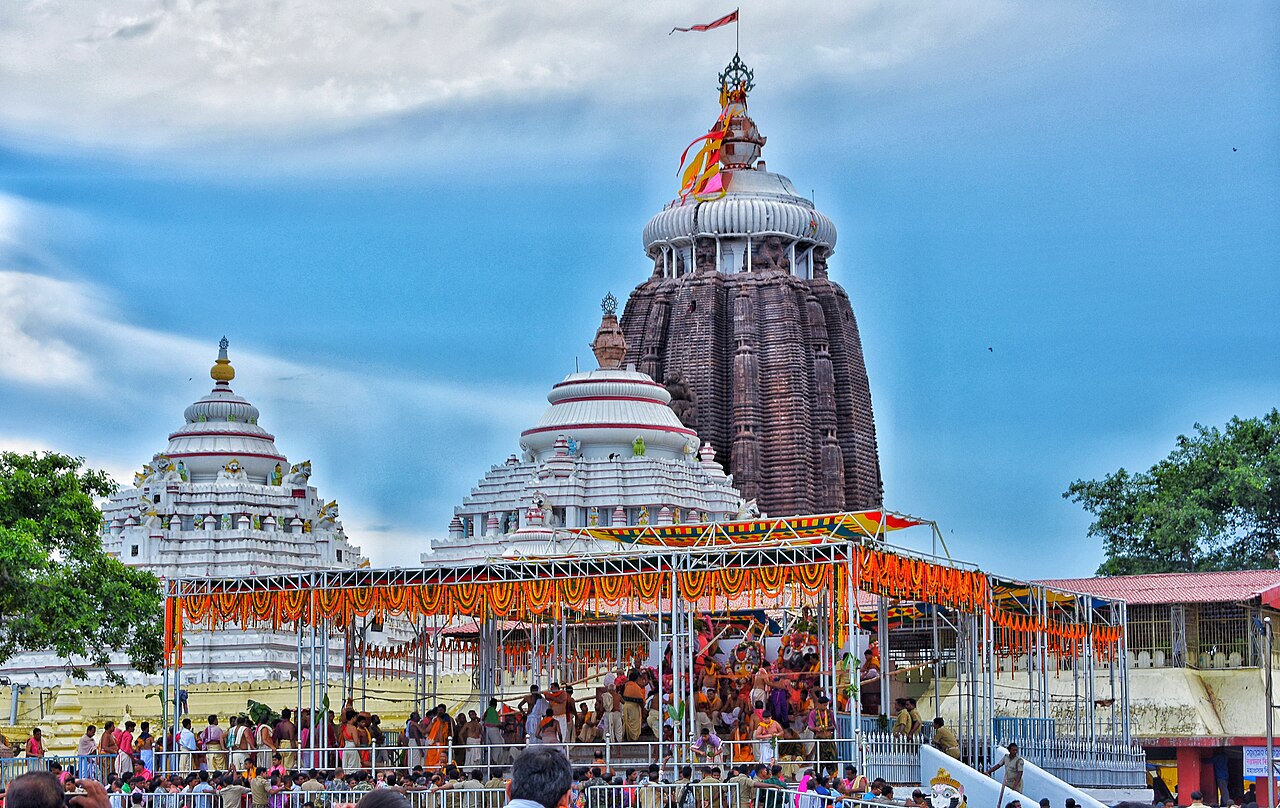
Puri, India
Deity: Jagannath
The Jagannath Temple is a Hindu temple dedicated to Jagannath, a form of Vishnu. It is located in Puri, Odisha, on the eastern coast of India. As per temple records, King Indradyumna of Avanti built the main temple. The present temple complex was rebuilt from the eleventh century onwards on the site of the earlier shrines, excluding the main Jagannath temple, and was begun by Anantavarman Chodaganga, the first ruler of the Eastern Ganga dynasty. Many of the temple rituals are based on Shabari Tantras which are evolved from tribal beliefs respectively.
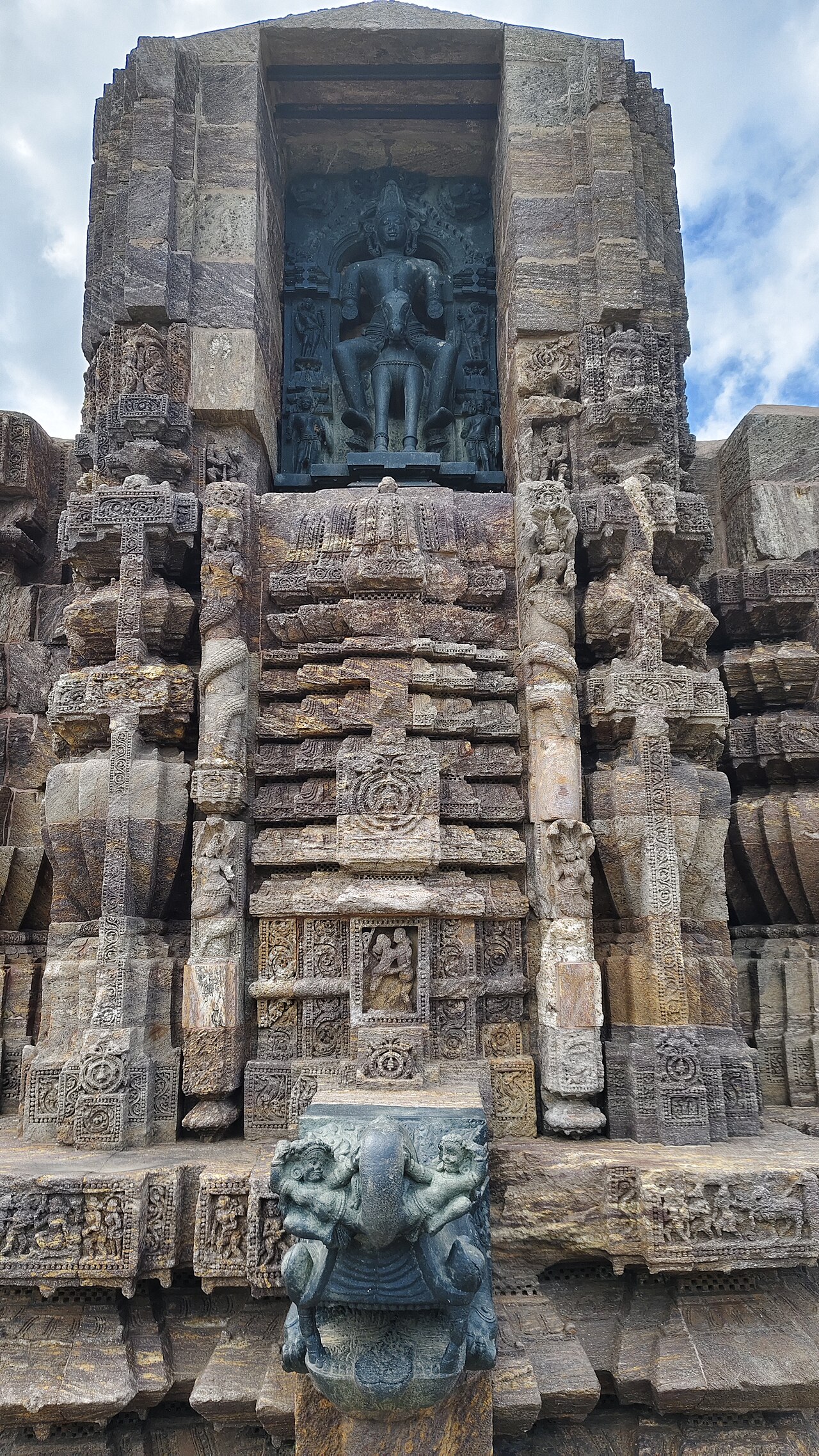
Puri district, India
Deity: solar deity
Founded: 1201
Konark Sun Temple is a 13th-century CE Hindu Sun temple at Konark about 35 kilometres (22 mi) northeast from Puri city on the coastline in Puri district, Odisha, India. The temple is attributed to king Narasingha Deva I of the Eastern Ganga dynasty about 1250 CE. Dedicated to the Hindu Sun-god Surya, it reflects the pinnacle of Kalingan architecture and artistic excellence, what remains of the temple complex has the appearance of a 30-metre (100 ft) high chariot with immense wheels and horses, all carved from stone.
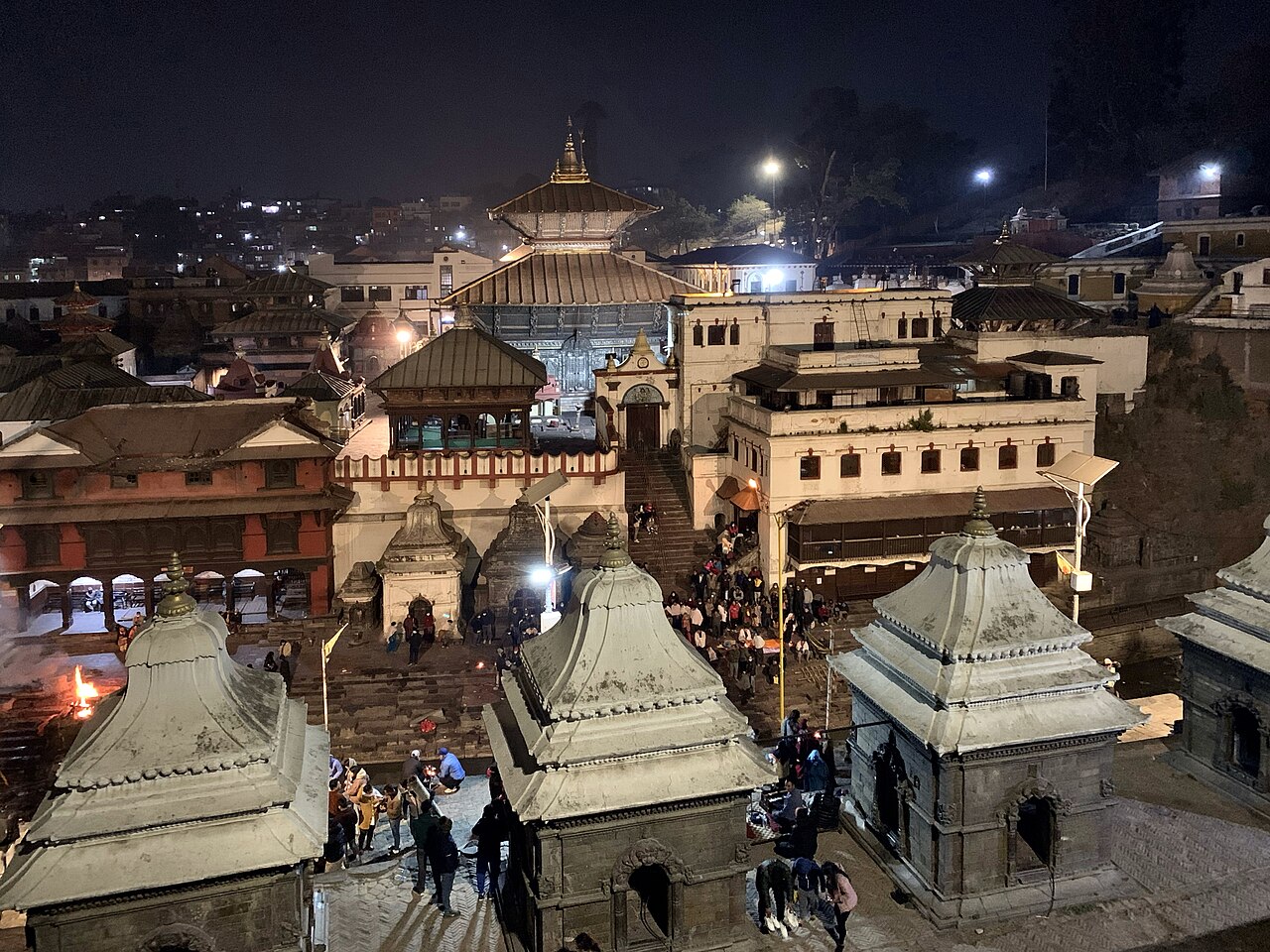
Kathmandu, Nepal
Deity: Pashupati
Pashupatinath Temple is a Hindu temple dedicated to Pashupati, considered a manifestation of Shiva. Located on the banks of the sacred Bagmati River in Kathmandu, Nepal, the temple is one of the oldest and most significant religious complexes in South Asia. Recognized as a UNESCO World Heritage Site since 1979, it is one of seven monument groups in UNESCO's designation of Kathmandu Valley and is described as an "extensive Hindu temple precinct" comprising a vast network of temples, ashrams, inscriptions, and images raised over the centuries along the banks of the sacred Bagmati River.
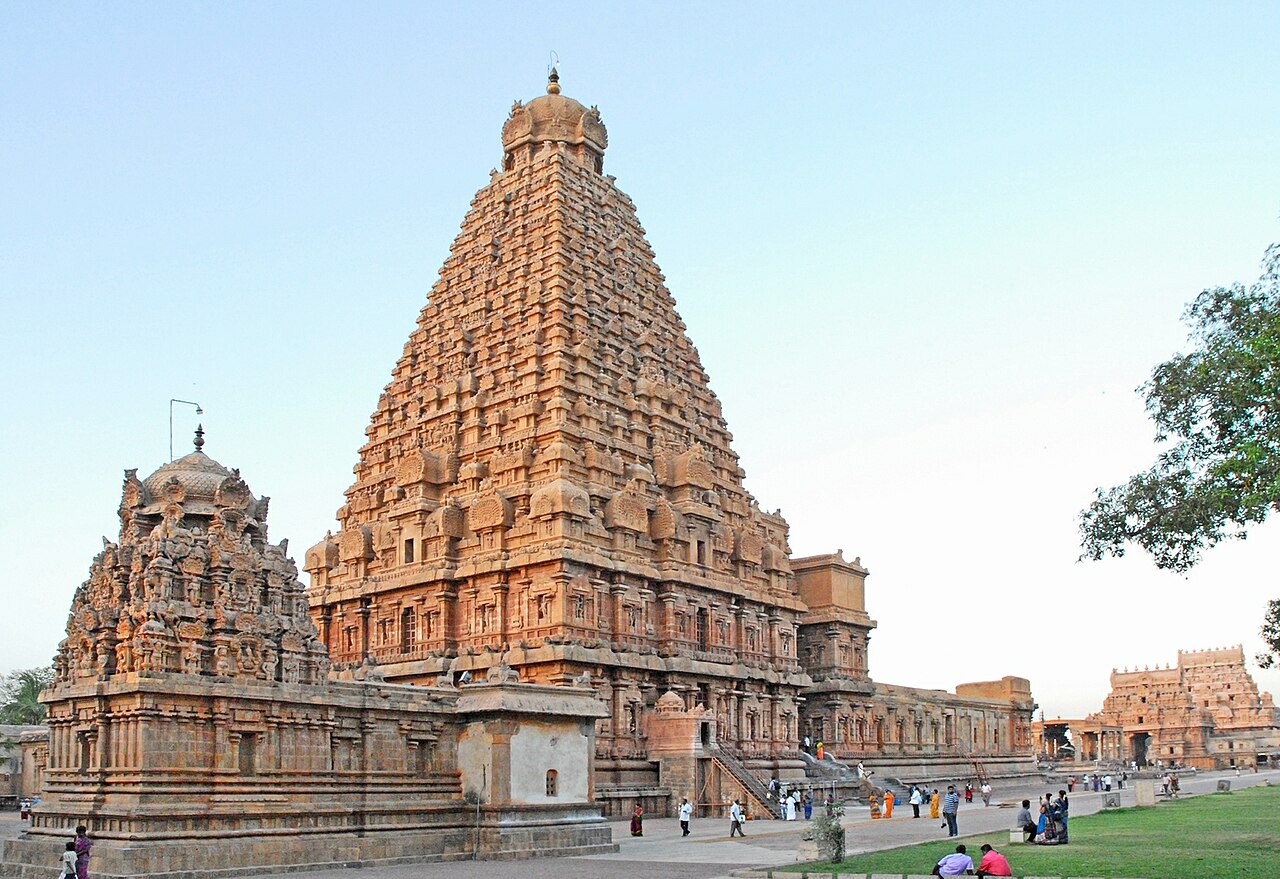
Thanjavur, India
Founded: 1010
Brihadisvara Temple, called Rajarajesvaram by its builder, and known locally as Thanjai Periya Kovil and Peruvudaiyar Kovil, is a Shaivite Hindu temple built in a Chola architectural style located on the south bank of the Cauvery river in Thanjavur, Tamil Nadu, India. It is one of the largest Hindu temples and an exemplar of Tamil architecture. It is also called Dakshina Meru.
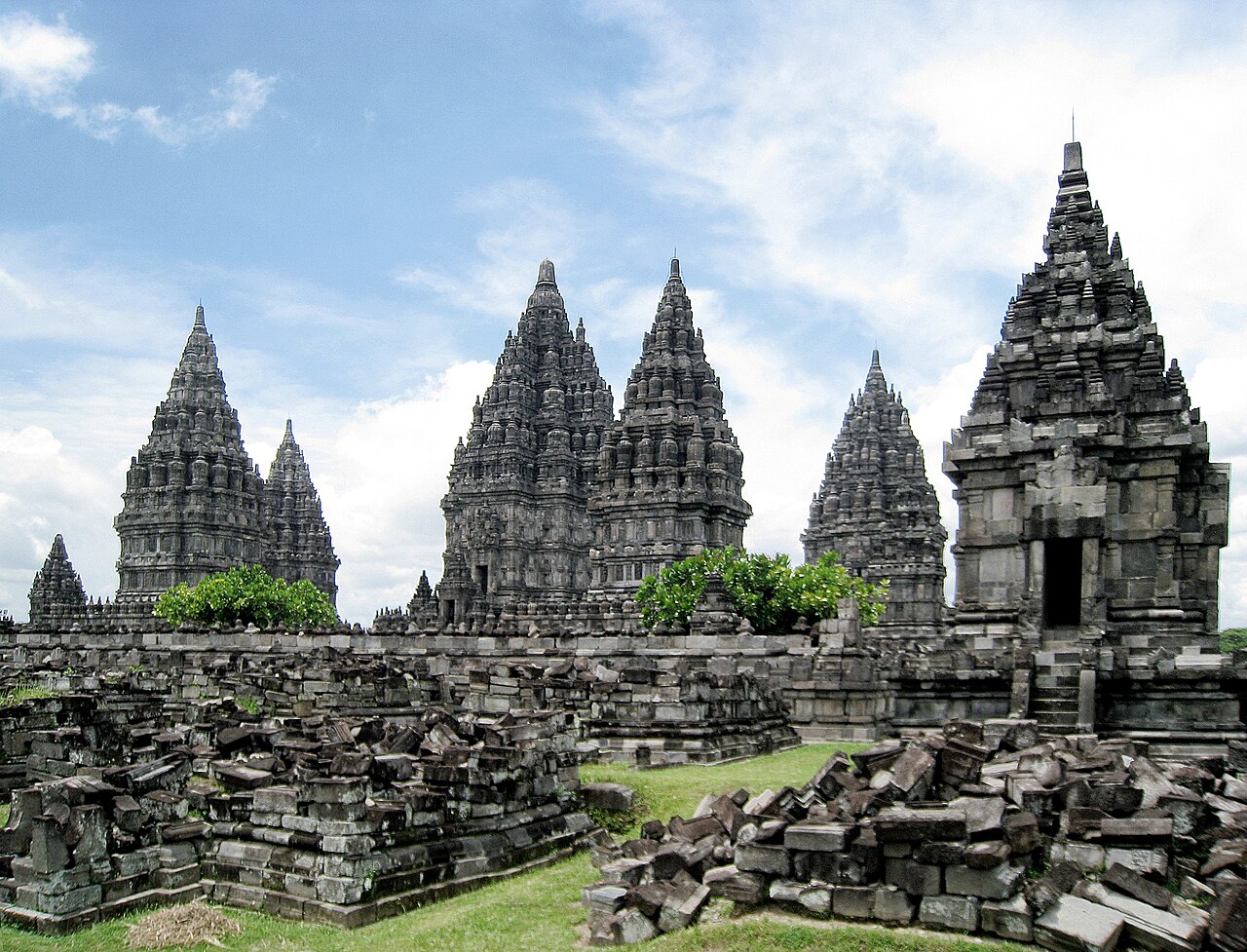
Prambanan, Indonesia
Founded: 850 CE
Prambanan is a 9th-century Hindu temple compound in the Special Region of Yogyakarta, in southern Java, Indonesia, dedicated to the Trimūrti, the expression of God as the Creator (Brahma), the Preserver (Vishnu), and the Destroyer (Shiva). The temple compound is located approximately 17 kilometres (11 mi) northeast of Yogyakarta on the boundary between Central Java and Yogyakarta provinces.
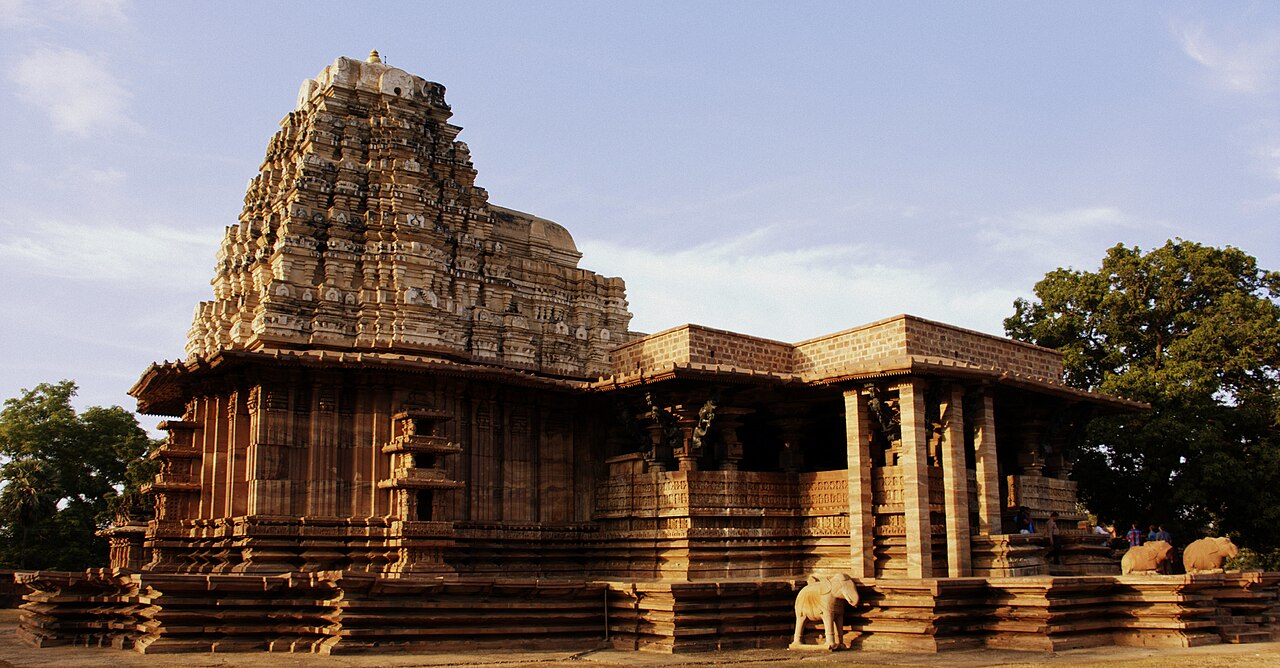
Mulugu district, India
Deity: Shiva
The Rudreshwara Temple, more commonly known as the Ramappa Temple, is a Hindu temple located in the village of Palampet in eastern Telangana, India. An inscription on a basalt pillar found within a nearby courtyard records that the temple was commissioned in 1213 by Recherla Rudra, a military general of the Kakatiya dynasty, and constructed over a period of 40 years during the reign of Ganapati, the third sovereign of the dynasty. Dedicated to the Hindu deity Shiva, it is a prominent example of Kakatiya architecture, and combines elements of Dravidian and Chalukyan architectural styles.
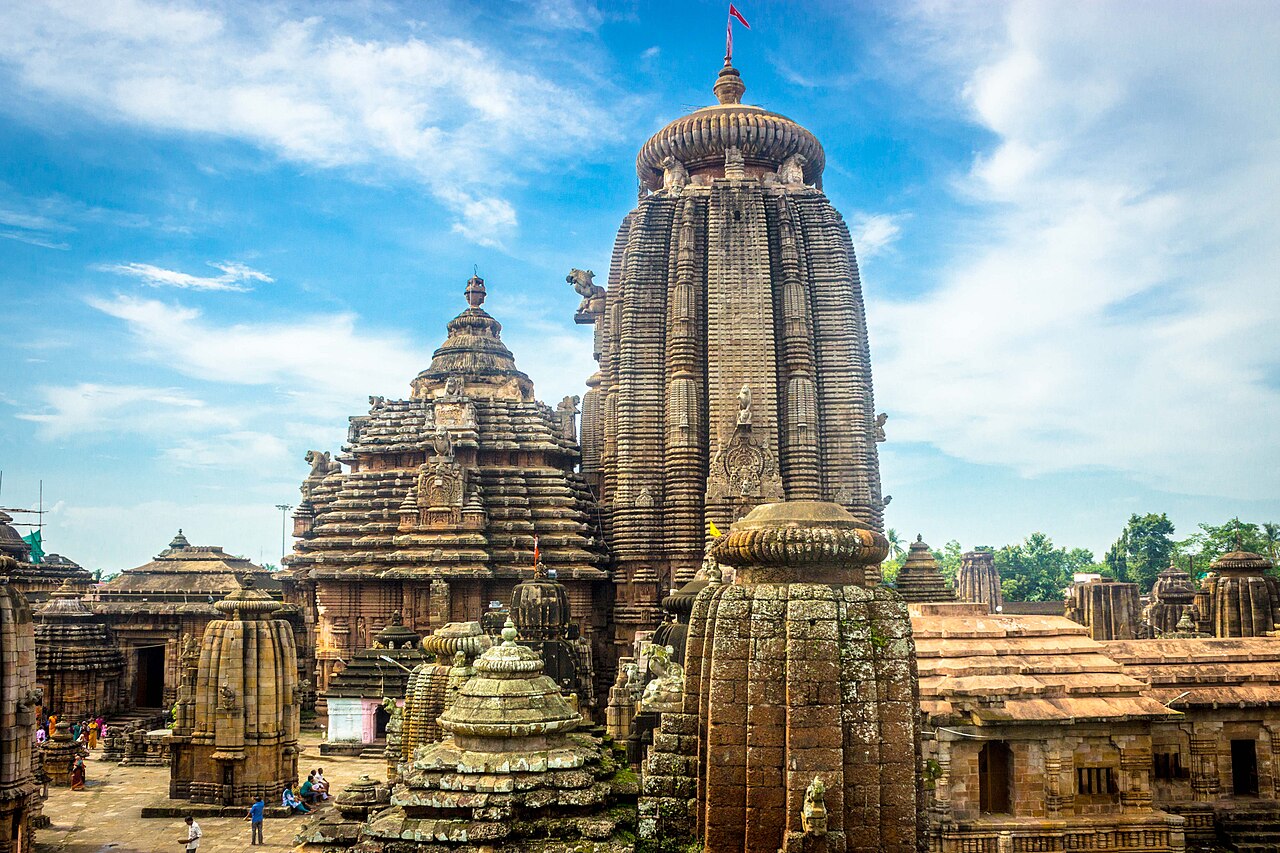
Bhubaneswar, India
Deity: Shiva
Founded: 1000
Lingaraja Temple is a Hindu temple dedicated to Shiva and is one of the oldest temples in Bhubaneswar, the capital of the Indian state of Odisha, India. The temple is the most prominent landmark of Bhubaneswar city and one of the major tourist attractions of the state. Shiva's consort and the temple's presiding Goddess, Parvati, is referred to as Annapurna or Girija.
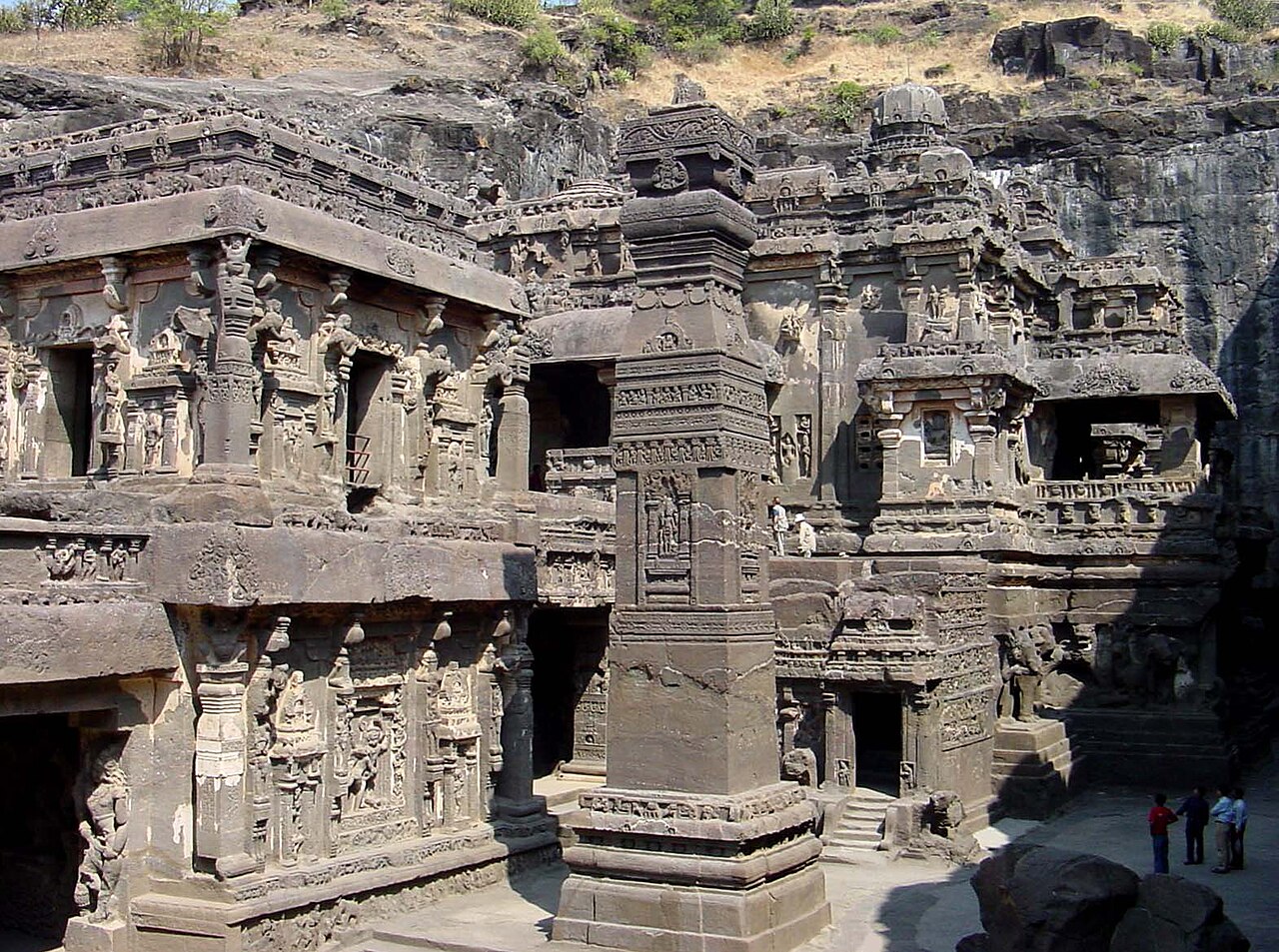
Aurangabad district, India
Deity: Shiva
Founded: 773 CE
The Kailasha or Kailasha-natha temple is the largest of the rock-cut Hindu temples at the Ellora Caves in Chhatrapati Sambhaji Nagar district of Maharashtra, India.
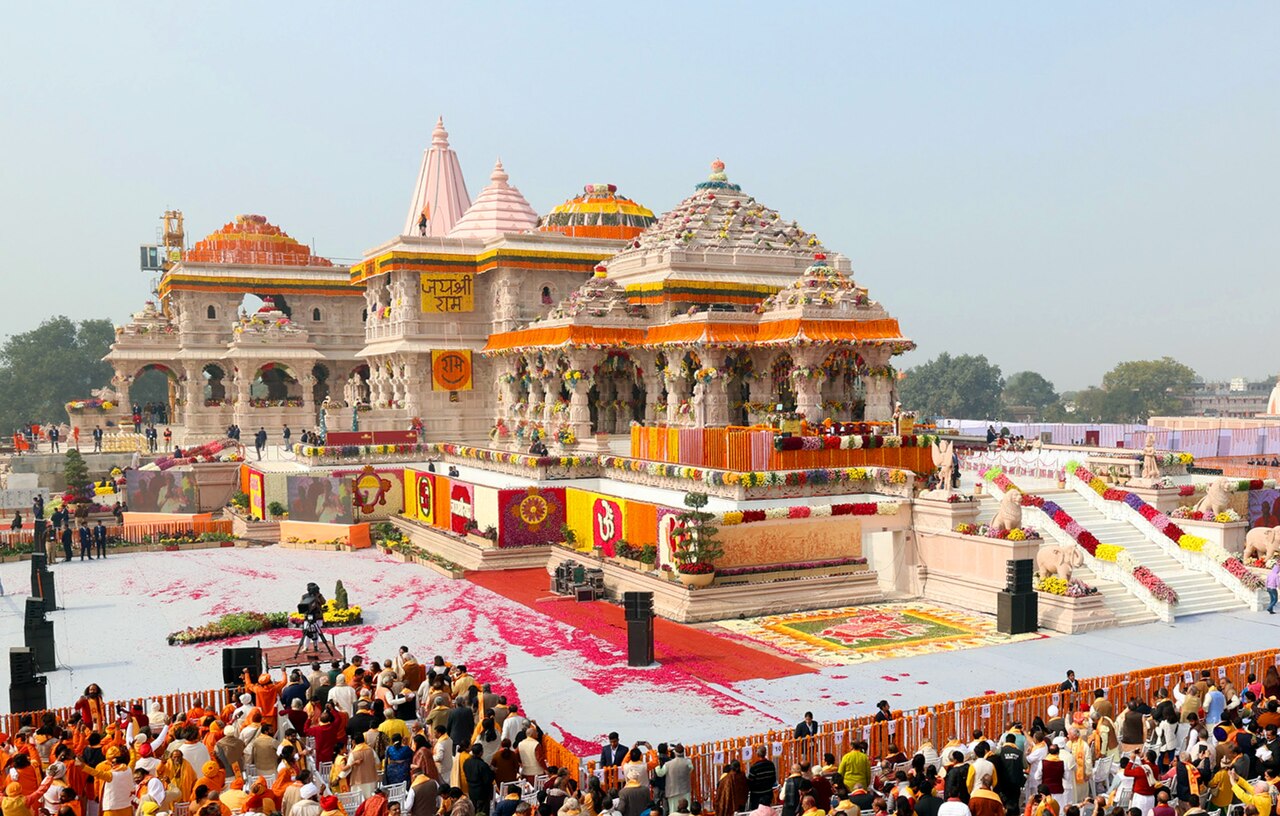
Ayodhya, India
Deity: Rama
Founded: 2020
The Ram Mandir, is a Hindu temple complex in Ayodhya, Uttar Pradesh, India. It is one of the most visited Hindu temples in India, as many Hindus believe that it is located at the site of Ram Janmabhoomi, the mythical birthplace of Rama.
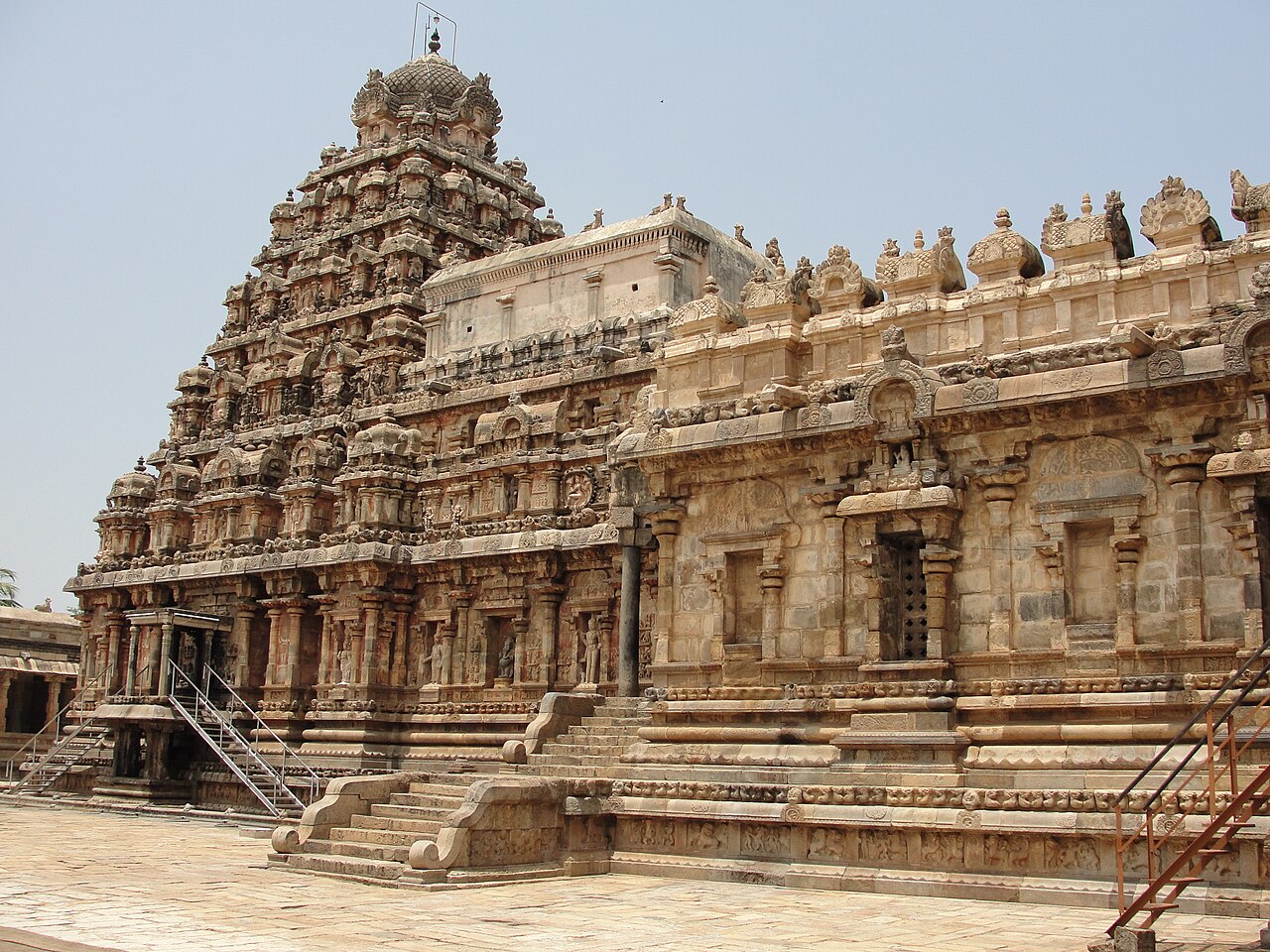
Thanjavur district, India
Deity: Shiva
Founded: 1166
Airavatesvara Temple is a Hindu temple of Chola architecture located in Darasuram, a suburb of Kumbakonam, Thanjavur District in the South Indian state of Tamil Nadu. This temple, built by Chola emperor Rajaraja II in the 12th century CE is a UNESCO World Heritage Site, along with the Brihadeeswara Temple at Thanjavur, the Gangaikondacholisvaram Temple at Gangaikonda Cholapuram that are referred to as the Great Living Chola Temples.
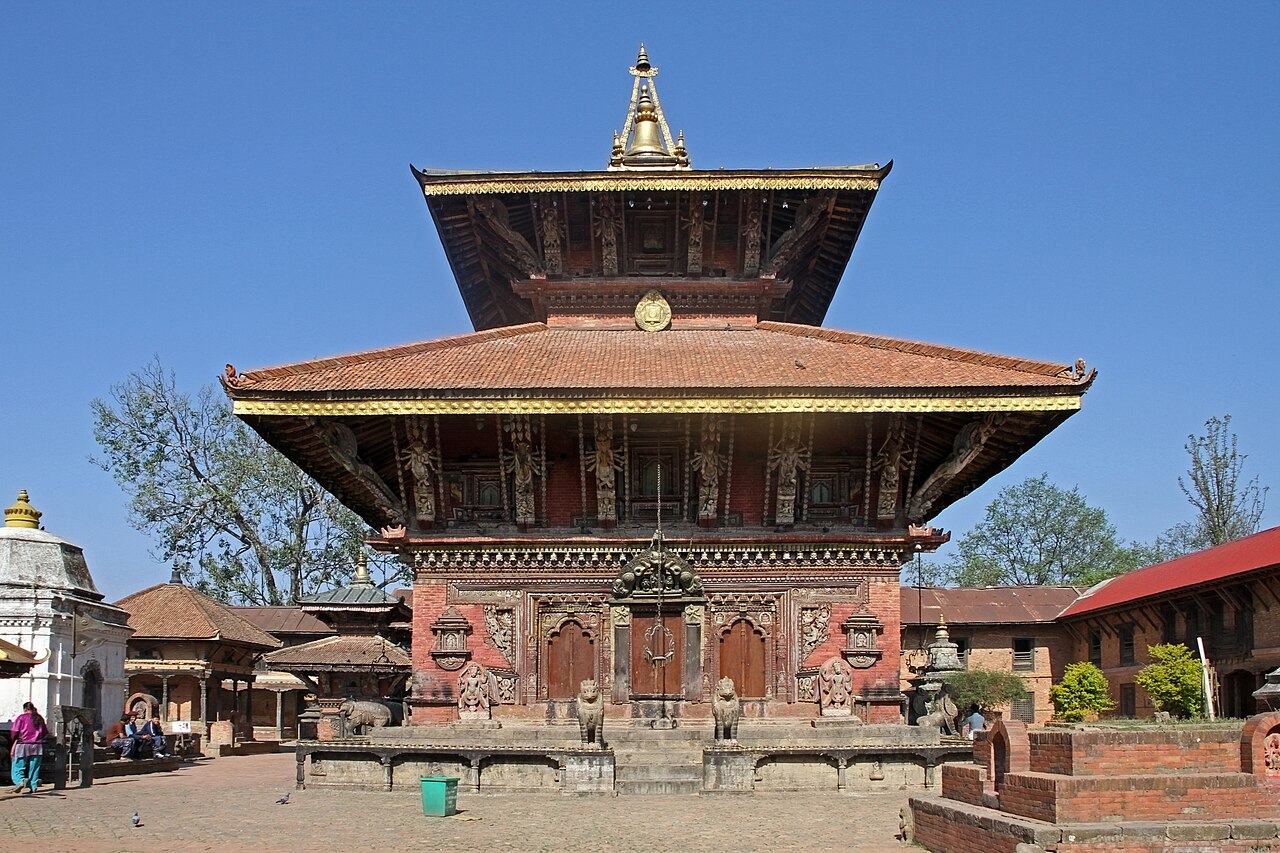
Bhaktapur District, Nepal
Deity: Vishnu
Founded: 325 CE
Changu Narayan is an ancient Hindu temple, located on a hilltop of Changu in Changunarayan Municipality of Bhaktapur District, Nepal. The temple was built in the 4th century AD and is one of the oldest Hindu temples in Nepal. The temple is dedicated to Lord Vishnu, one of three principal deities in Hinduism. The temple was recognized as a World Heritage Site by UNESCO in 1979.
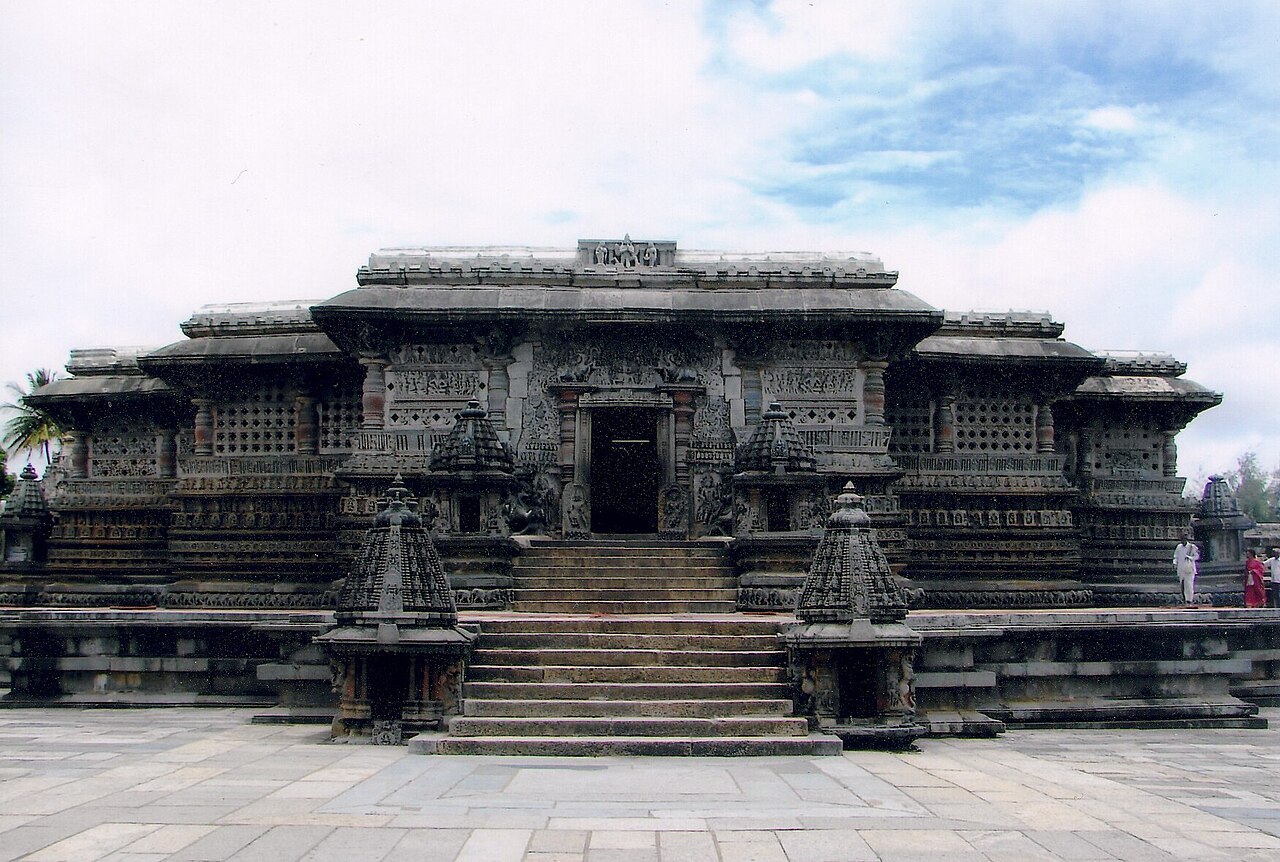
Belur, India
Deity: Vishnu
Founded: 1117
The Chennakeshava Temple, also referred to as the Keshava, Kesava or Vijayanarayana Temple, is a 12th-century Hindu temple in the Hassan district of Karnataka, India. It was commissioned by King Vishnuvardhana in 1117 CE, on the banks of the Yagachi River in Belur, an early Hoysala Empire capital. The temple was built over three generations and took 103 years to finish. It was repeatedly damaged and plundered during wars, repeatedly rebuilt and repaired over its history. It is located 35 km from Hassan city and about 220 km from Bengaluru.
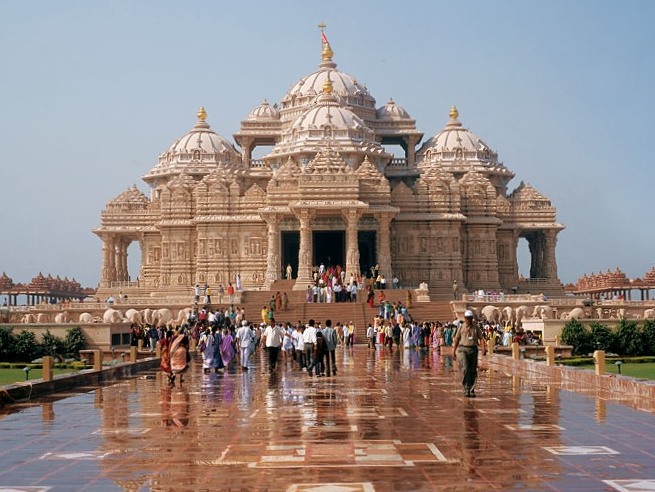
East Delhi district, India
Founded: 2005
Swaminarayan Akshardham is a Hindu temple and campus in Delhi, India. The temple is close to the border with Noida. Also known as Akshardham Temple or Akshardham Delhi, the complex displays traditional and modern Hindu culture and architecture. Inspired by Yogiji Maharaj and created by Pramukh Swami Maharaj, it was constructed by BAPS. It is the world's second-largest BAPS Hindu temple, following Akshardham, New Jersey, in the United States.
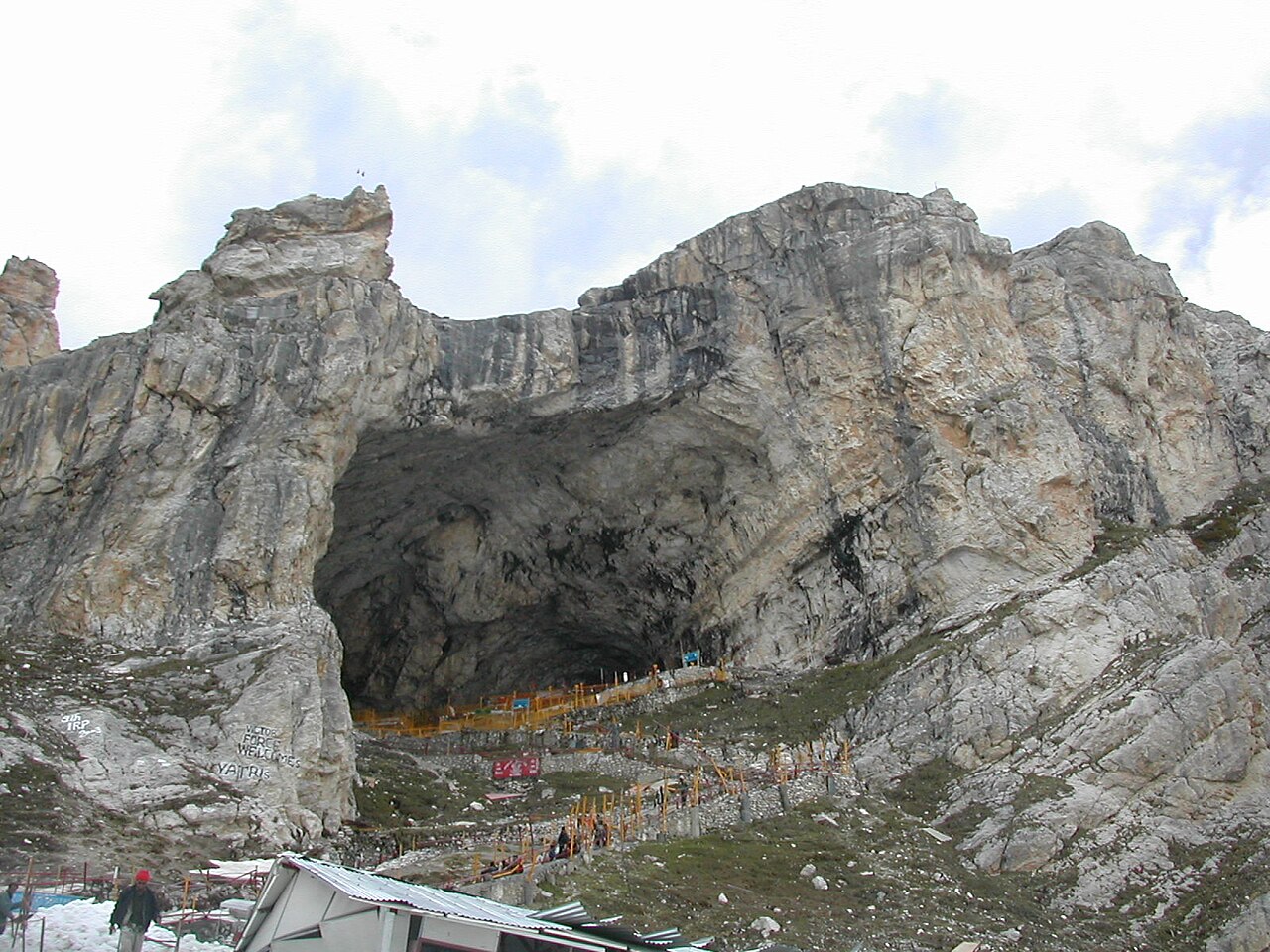
Anantnag district, India
Deity: Shiva
Amarnath Temple is a Hindu shrine located in the Pahalgam tehsil of Anantnag district of Jammu and Kashmir, India. It is a cave situated at an altitude of 3,888 m (12,756 ft), about 72 km from Anantnag, the district headquarters, 141 km (88 mi) from Srinagar, the summer capital of Jammu and Kashmir, accessible via either Sonamarg or Pahalgam
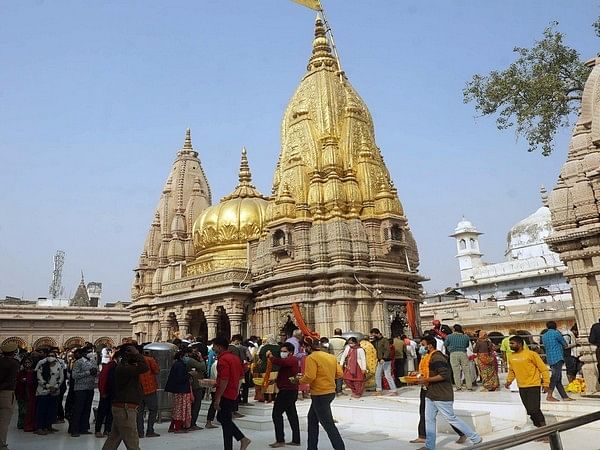
Varanasi, India
Deity: Shiva
Kashi Vishwanath Temple is a Hindu temple dedicated to Shiva. It is located in Vishwanath Gali, in Varanasi, Uttar Pradesh, India. The temple is a Hindu pilgrimage site and is one of the twelve Jyotirlinga shrines. The presiding deity is known by the names Vishwanath and Vishweshwara, meaning Lord of the Universe.
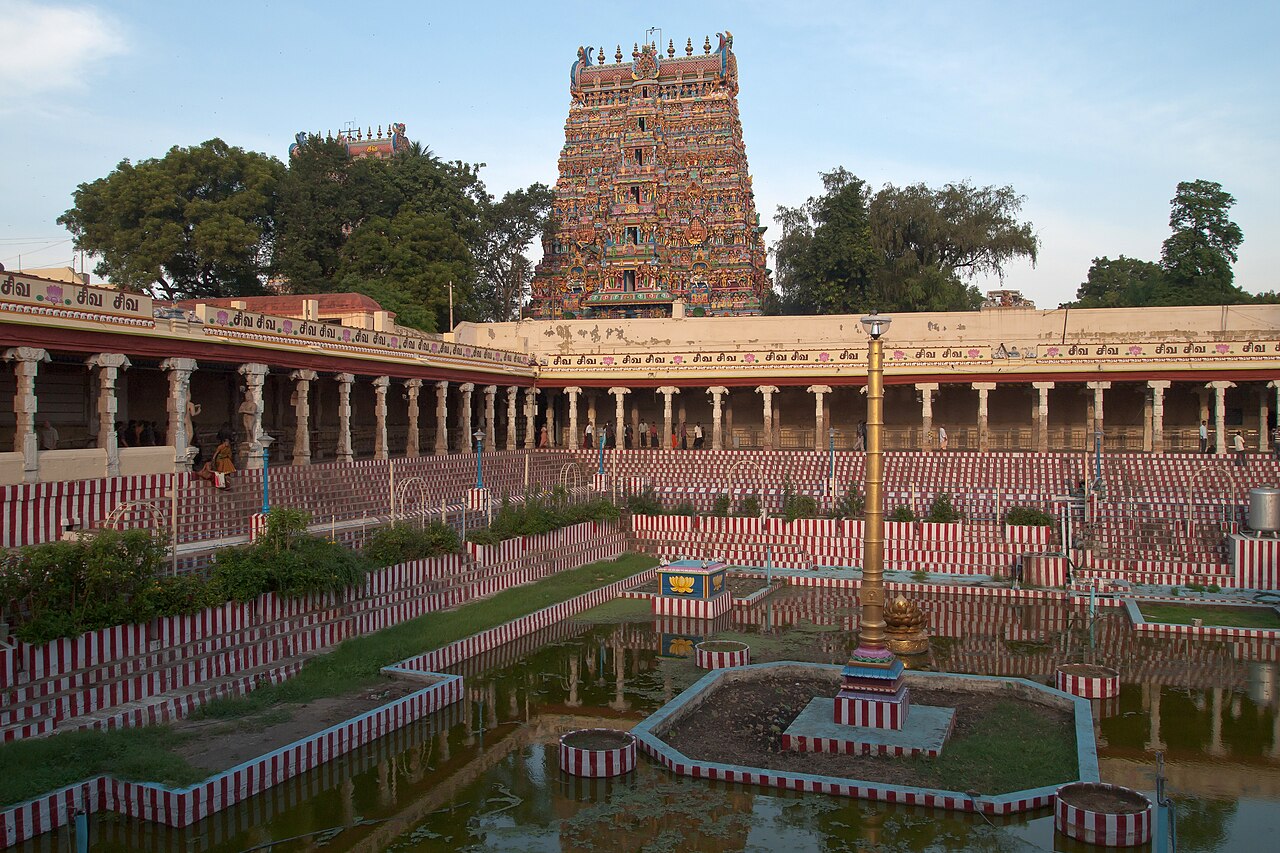
Madurai, India
Founded: 1200
Meenakshi Temple, also known as Meenakshi Sundareswarar Temple, is a historic Hindu temple located on the southern bank of the Vaigai River in Madurai, Tamil Nadu, India. It is dedicated to Meenakshi, a form of Parvati, and her consort Sundareswarar (Shiva). The temple is theologically significant as it represents a confluence of various denominations of Hinduism such as Shaivism, Shaktism, and Vaishnavism.
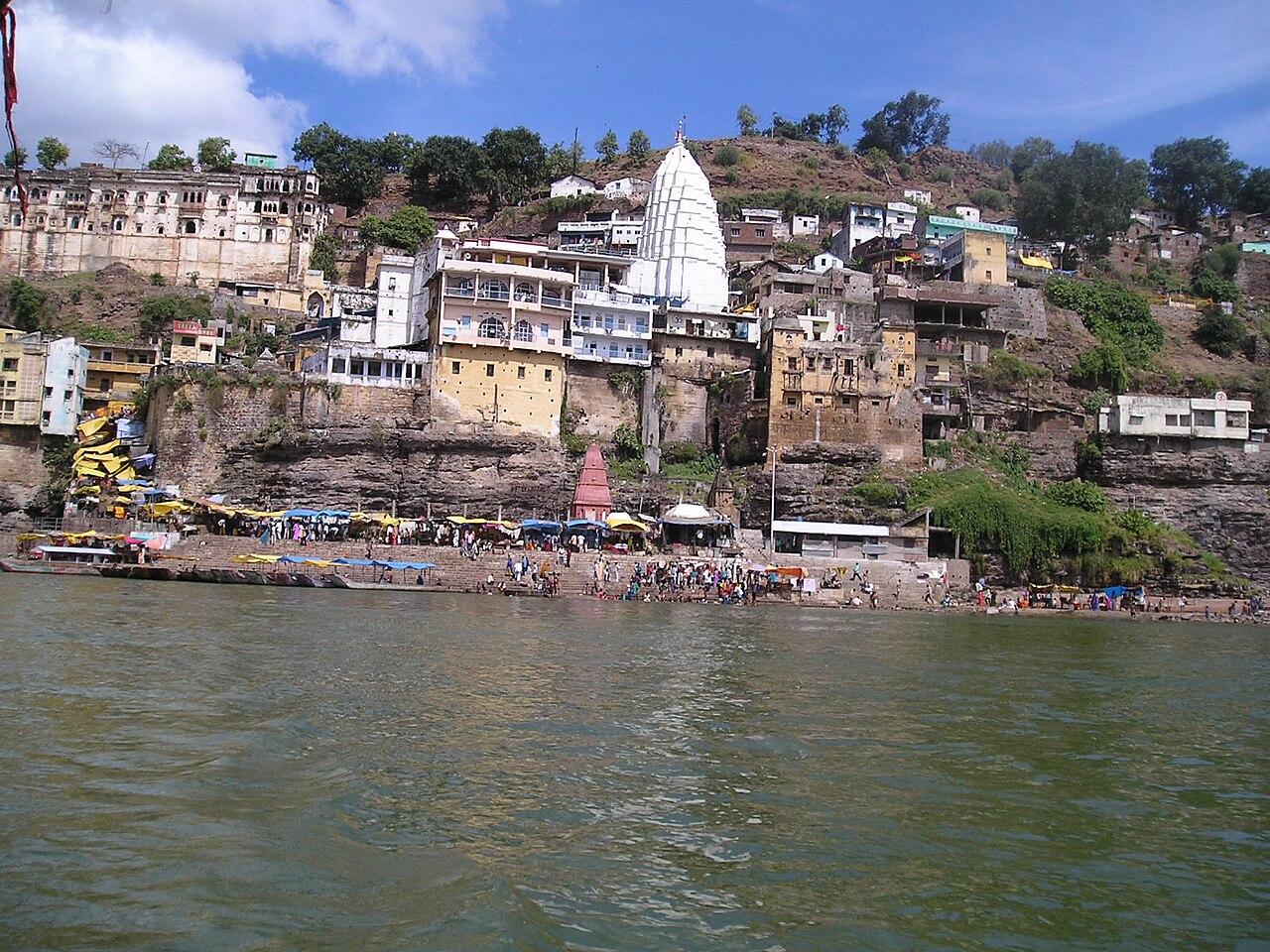
Madhya Pradesh, India
Deity: Shiva
Omkareshwar Temple is a Hindu temple dedicated to Shiva, located in Mandhata, nearby Khandwa city in Khandwa district of the Indian state of Madhya Pradesh. It is one of the 12 revered Jyotirlinga shrines of Shiva. It is on an island called Mandhata, near Khandwa city in the Narmada River at Khandwa district in Madhya Pradesh, India; the shape of the island is said to be like the Devanagari ॐ symbol.
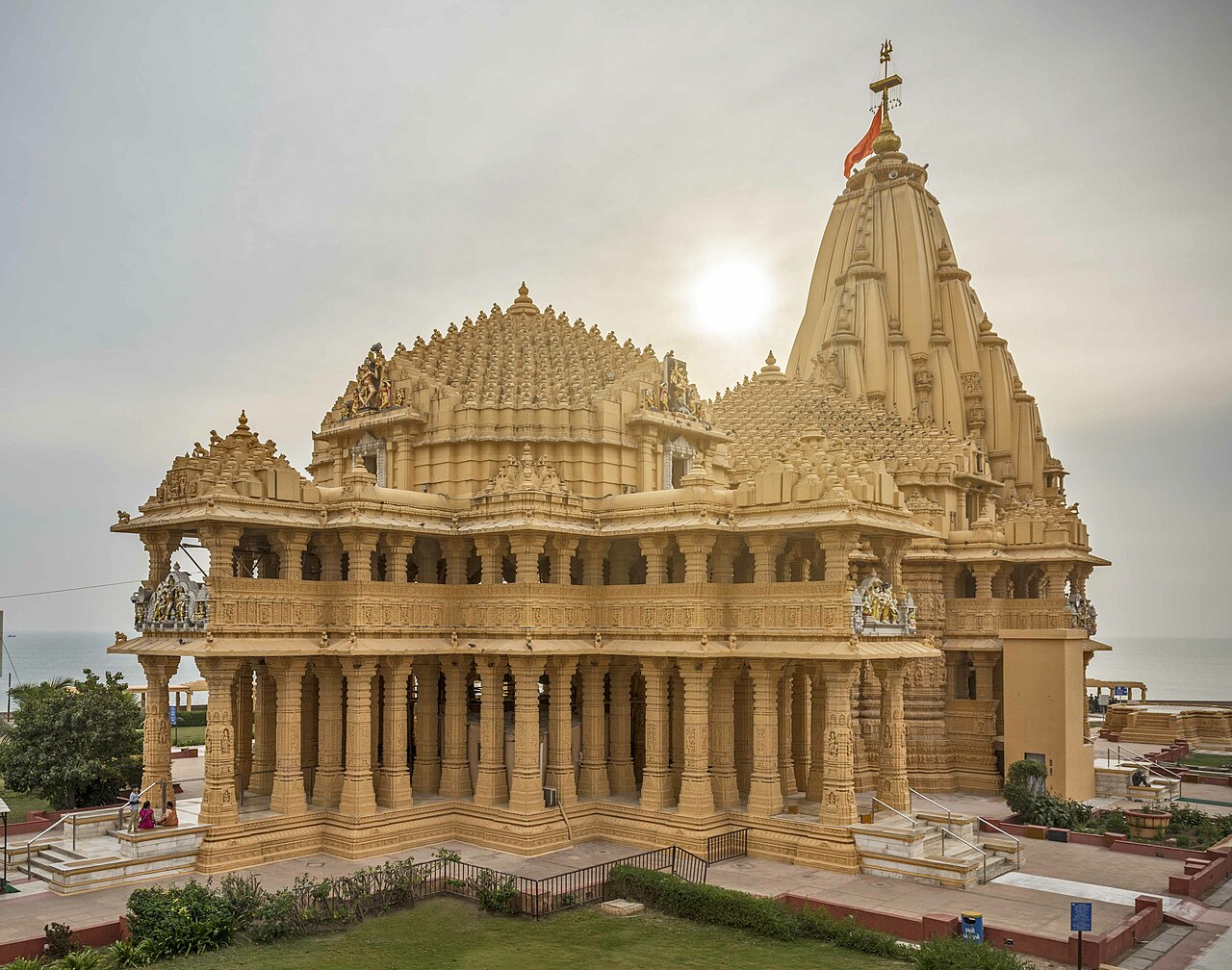
Veraval, India
Deity: Shiva
Somanatha Temple is a Hindu temple, located in Prabhas Patan, Veraval, in Gujarat, India. It is one of the most sacred pilgrimage sites, or Tirtha Kshetra for Hindus and is the first among the twelve jyotirlinga shrines of Shiva. The date of construction of the earliest Somnath temple remains uncertain, with estimates varying between the early centuries of the 1st millennium and about the 9th century CE. Various texts, including the Mahabharata and Bhagavata Purana, mention a tirtha at Prabhas Patan on the coastline of Saurashtra, where the later temple would eventually be built, but archaeology has not found traces of an early temple, though there was a settlement there.
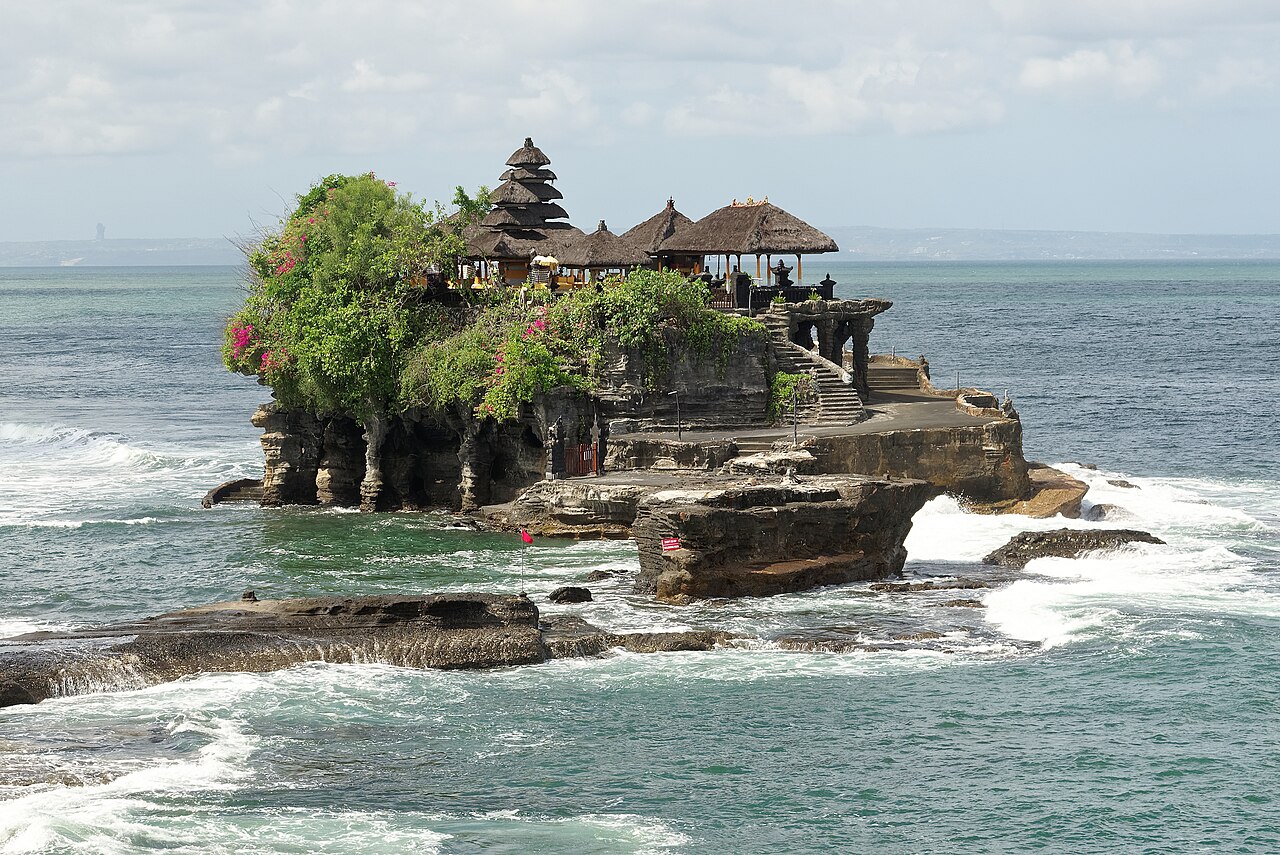
Beraban, Indonesia
Deity: Varuna
Tanah Lot is a rock formation off the Indonesian island of Bali. It is home to the ancient Hindu pilgrimage temple Pura Tanah Lot, a popular tourist and cultural icon for photography.
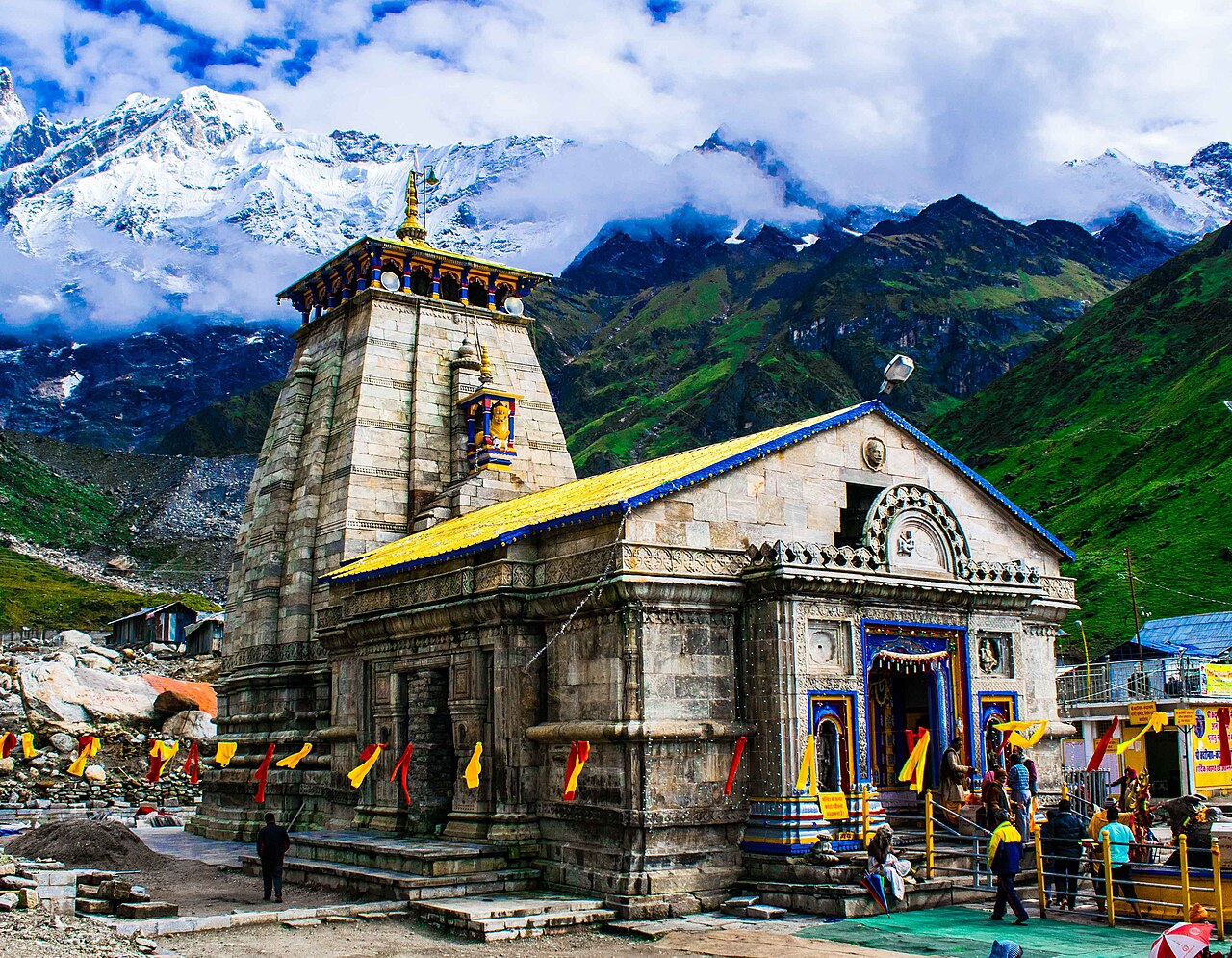
Rudraprayag district, India
Deity: Shiva
Founded: 800 CE
Kēdāranātha Temple is a Hindu temple, one of the twelve jyotirlinga of Śiva. The temple is located on the Garhwal Himalayan range
near the Mandākinī River, in the state of Uttarakhand, India. Due to extreme weather conditions, the temple is open to the general public only between the months of April and November. During the winters, the vigraha (deity) of the temple is carried down to Ukhimath to be worshiped for the next six months. Kēdāranātha is seen as a homogeneous form of Śiva, the 'Lord of Kēdārakhaṇḍa', the historical name of the region.
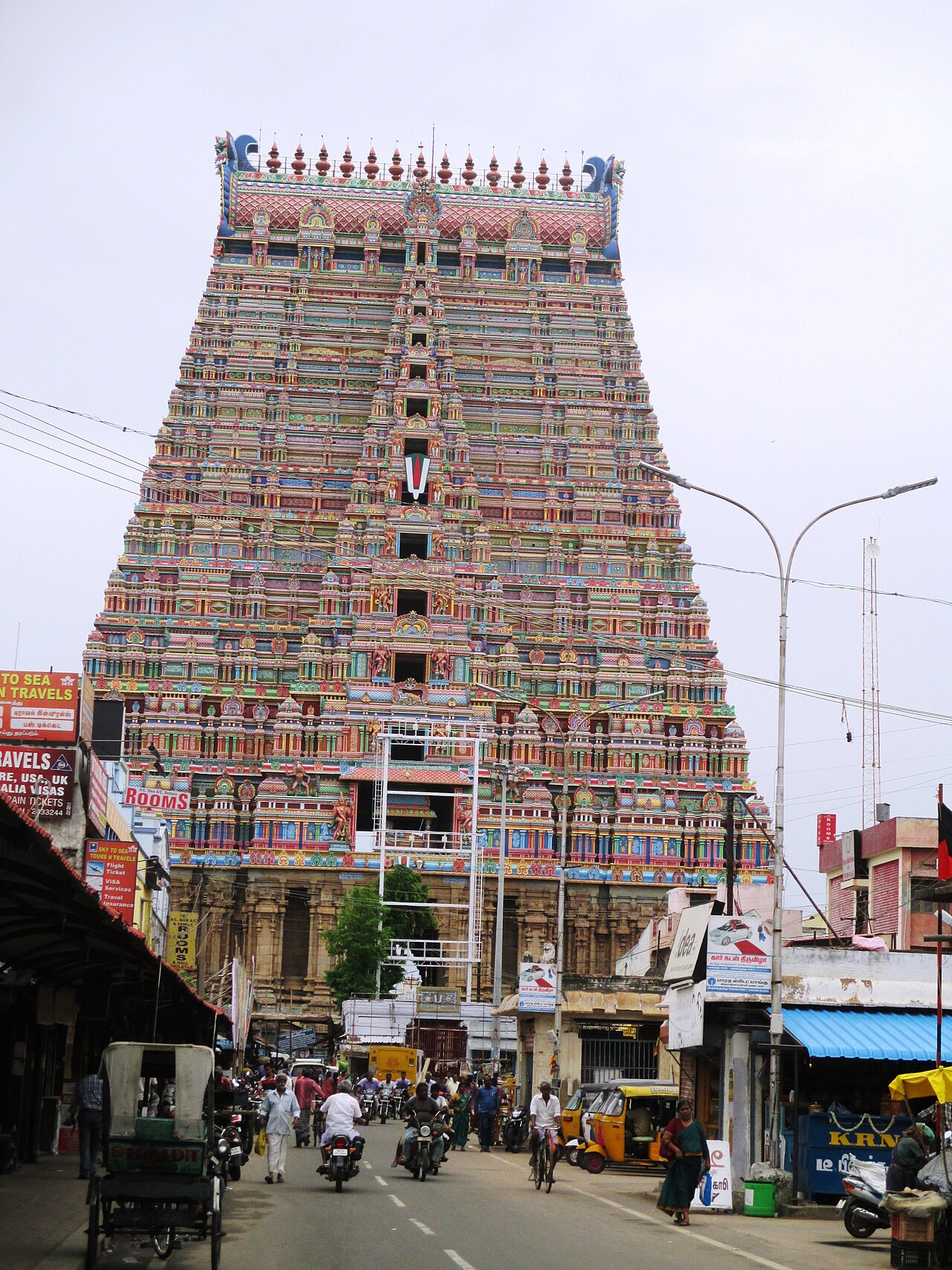
Tiruchirappalli, India
The Ranganathaswamy Temple, also known as Arulmigu Ranganathar Thirukovil, is a Hindu temple dedicated to Ranganathar and his consort Ranganayaki. The temple is located in Srirangam, Tiruchirappalli, Tamil Nadu, India. Constructed in the Tamil architectural style, the temple is glorified by the Tamil poet-saints called the Alvars in their canon, the Naalayira Divya Prabhandham, and has the unique distinction of being the foremost among the 108 Divya Desams dedicated to the god Vishnu. The Srirangam temple stands as the largest functioning religious complex in the world in active worship with a continuous historical presence as a Hindu temple.
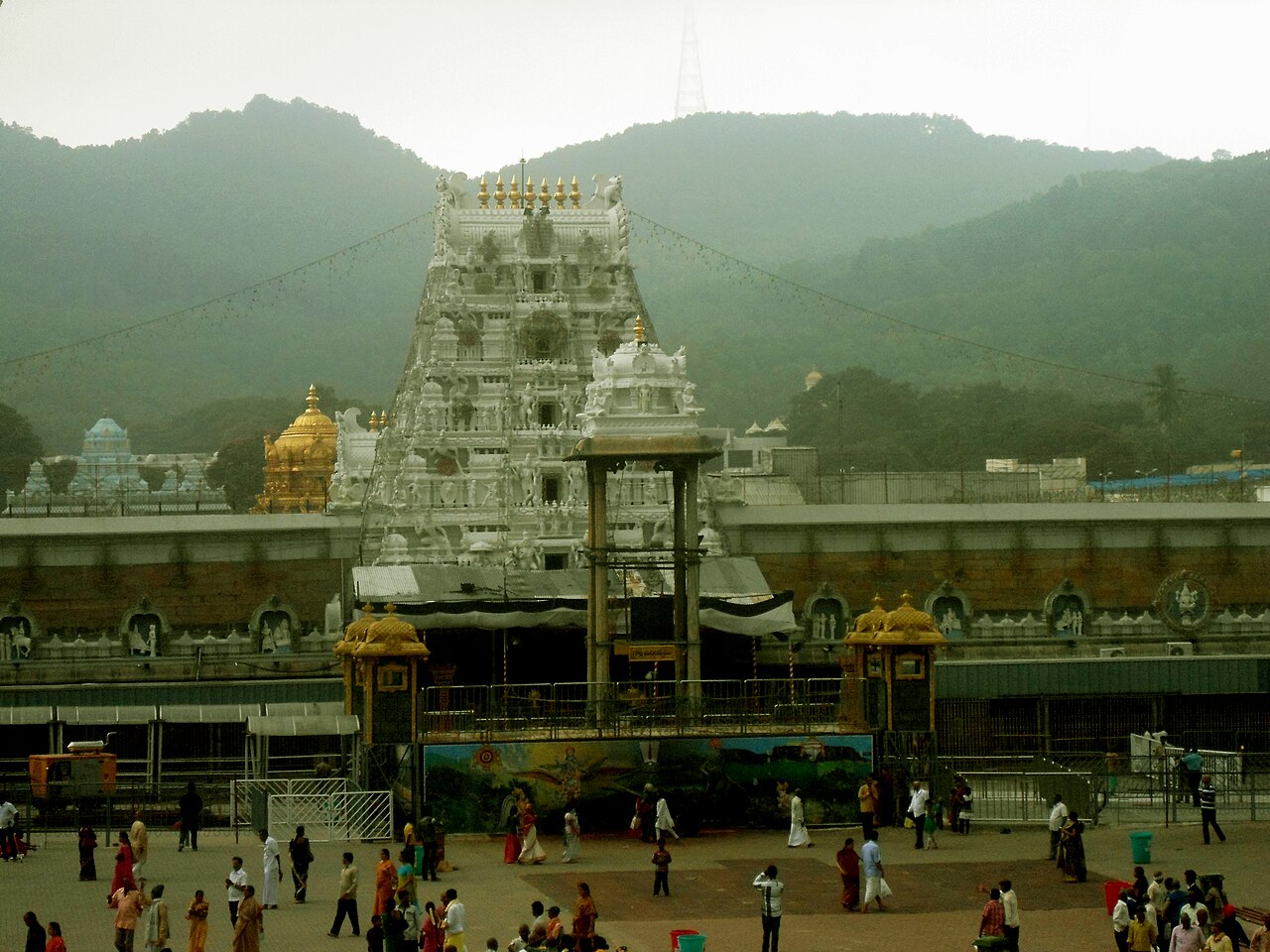
Tirupati district, India
Deity: Venkateswara
Founded: 300 CE
The Venkateswara Swami Temple—also known as Tirumala Temple, Tirupati Temple and Tirupati Balaji Temple—is a Hindu temple located in the hills of Tirumala, within Tirupati Urban Mandal, Tirupati district, Andhra Pradesh, India. The temple is dedicated to Venkateswara, a form of Vishnu, who is believed to have appeared on earth to save mankind from trials and troubles of Kali Yuga. Hence the site is also called Kaliyuga Vaikuntha and the deity is known as Kaliyuga Prathyaksha Daivam. Venkateswara is additionally known as Balaji, Govinda, and Srinivasa.
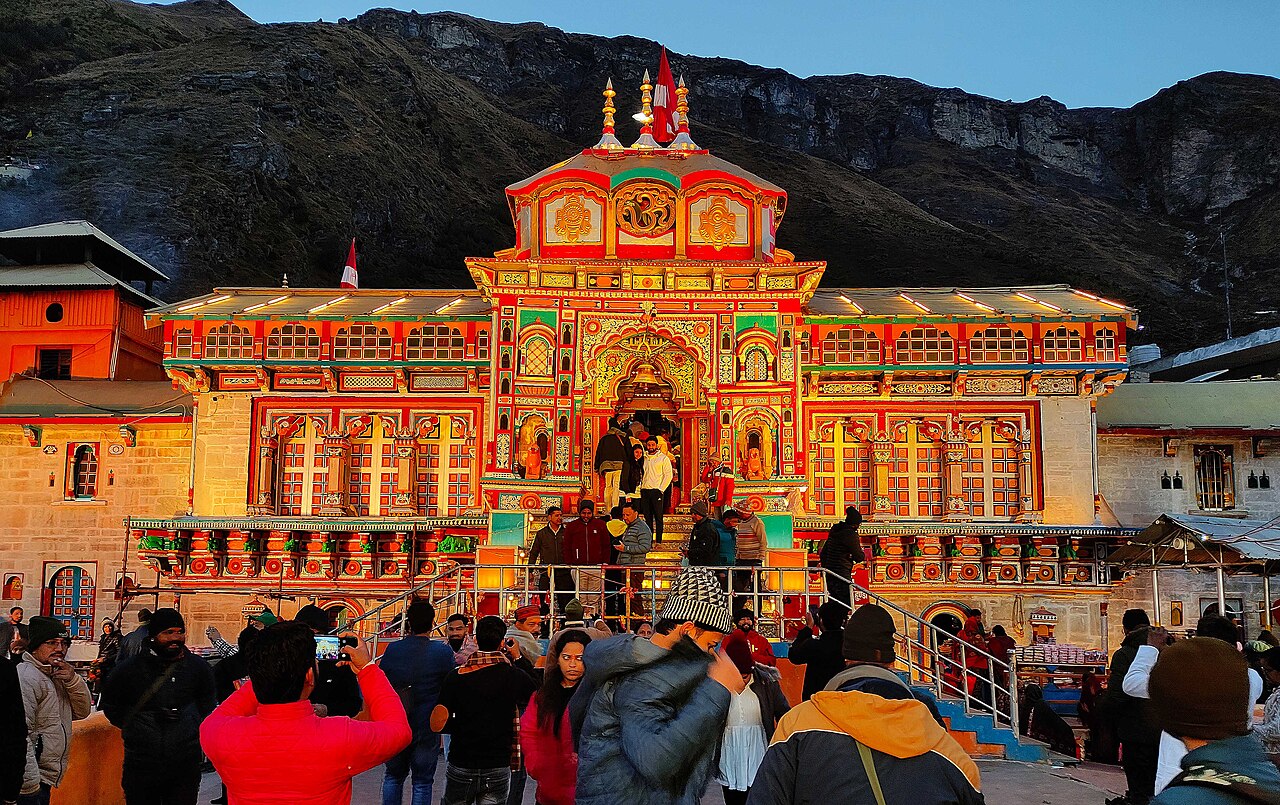
Badrinath, India
Deity: Vishnu
Badarinath Temple, also known as Badarinarayana Temple, is a Hindu temple dedicated to Vishnu. It is located in the town of Badrinath in Chamoli district of Uttarakhand, India. The temple is one of the 108 Divya Desams, sacred to Vaishnavism, where Vishnu is worshipped as Badrinath. Due to extreme weather conditions in the Himalayas, the temple is open for six months each year, from late April to early November. It is one of the most visited pilgrimage centres of India, having recorded 2.8 million visits in just 2 months in 2022. It is one of the Char Dham pilgrimage sites.
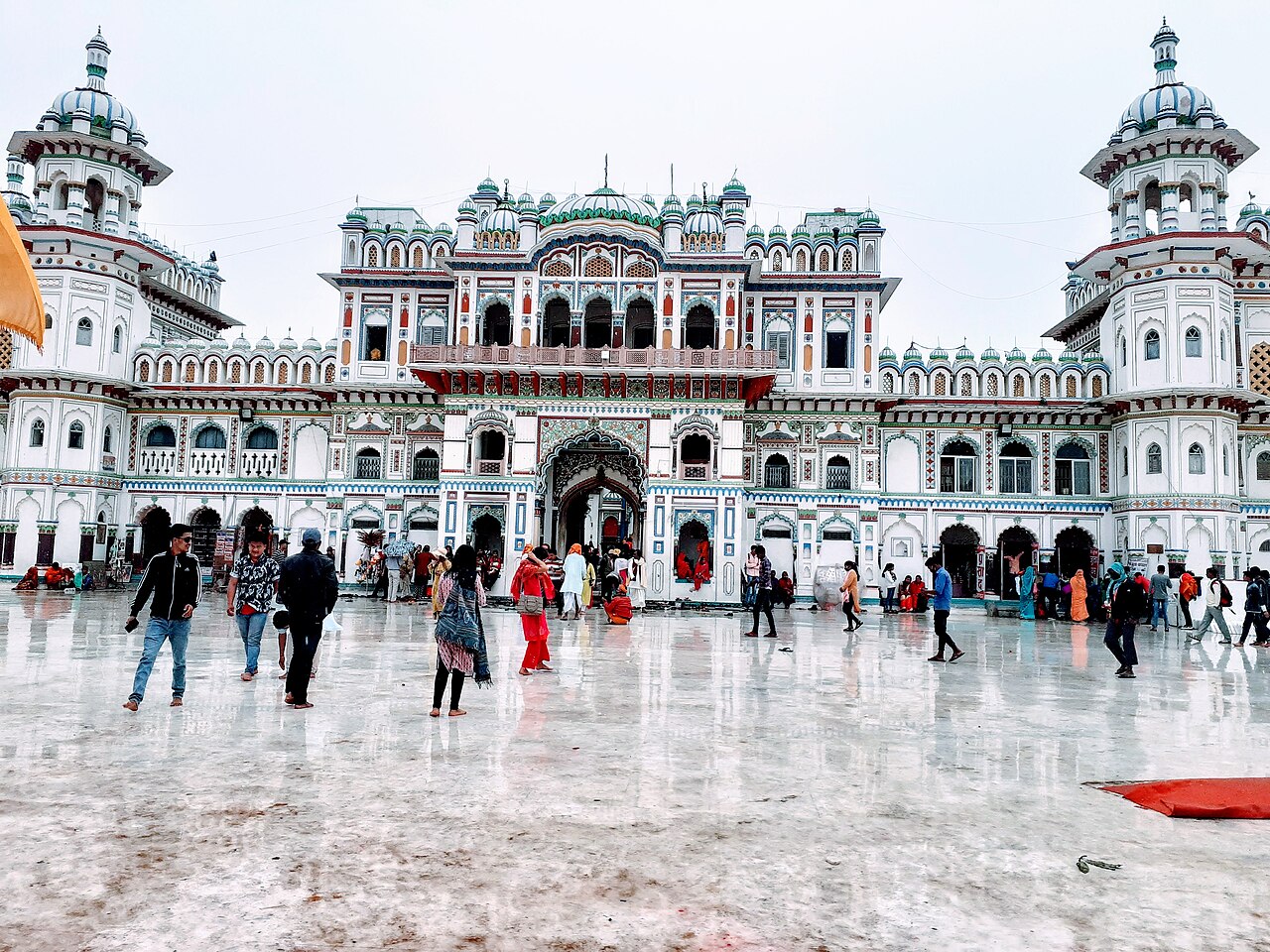
Janakpurdham, Nepal
Jānakī Mandir is a Hindu temple in Jānakpurdham, Nepal, dedicated to the Hindu goddess Sītā. It is an example of Koiri Hindu architecture.
Fully built in bright white and constructed in an area of 1,480 square metres, it is a three-storied structure made entirely of stone and marble. It is a major destination for the tourism in Mithila.