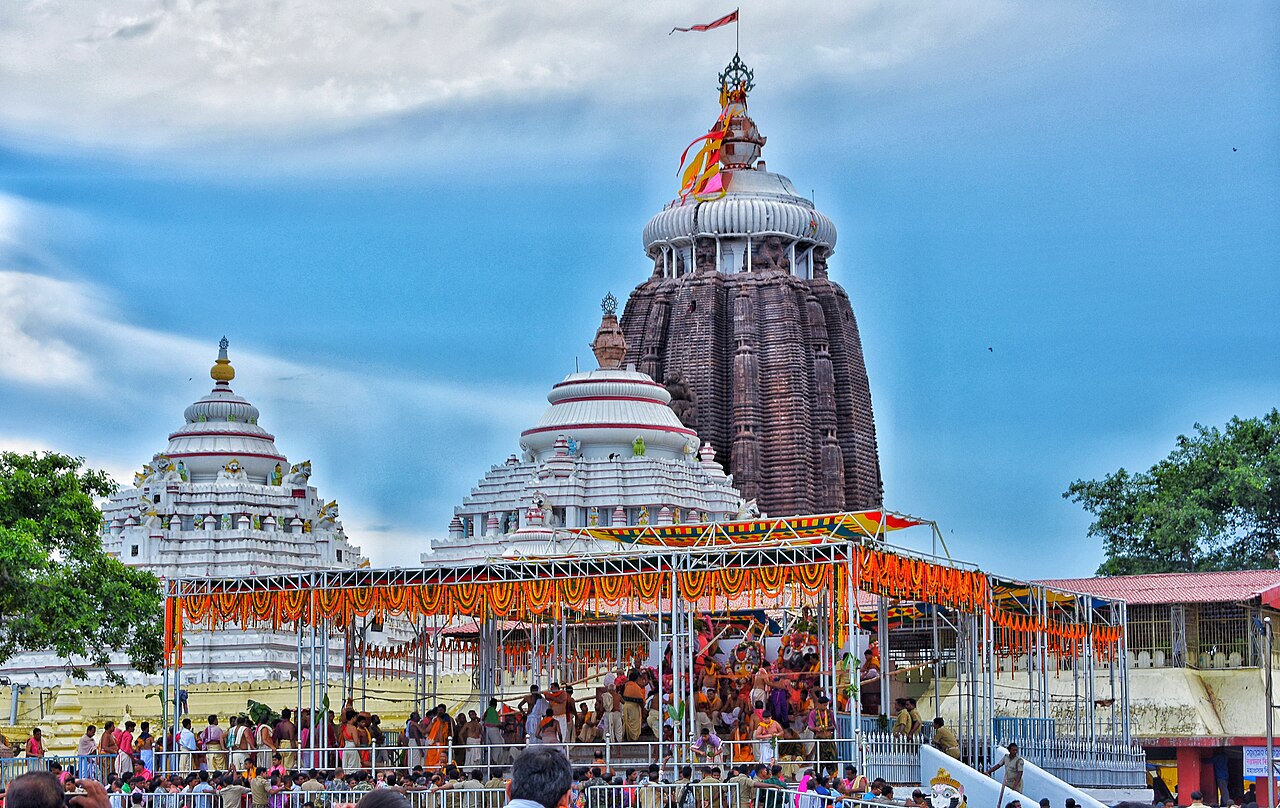
Puri, India
Deity: Jagannath
The Jagannath Temple is a Hindu temple dedicated to Jagannath, a form of Vishnu. It is located in Puri, Odisha, on the eastern coast of India. As per temple records, King Indradyumna of Avanti built the main temple. The present temple complex was rebuilt from the eleventh century onwards on the site of the earlier shrines, excluding the main Jagannath temple, and was begun by Anantavarman Chodaganga, the first ruler of the Eastern Ganga dynasty. Many of the temple rituals are based on Shabari Tantras which are evolved from tribal beliefs respectively.
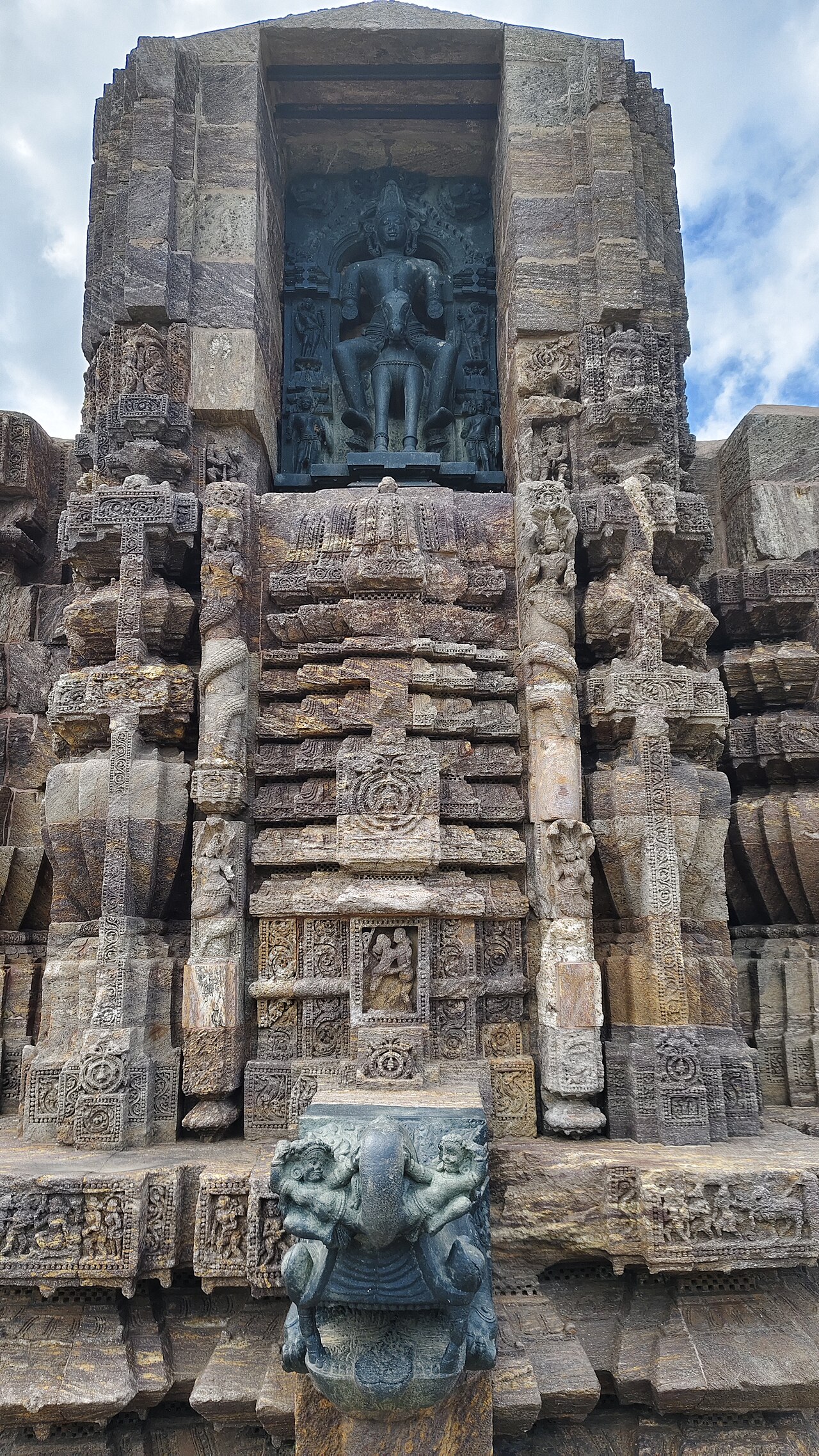
Puri district, India
Deity: solar deity
Founded: 1201
Konark Sun Temple is a 13th-century CE Hindu Sun temple at Konark about 35 kilometres (22 mi) northeast from Puri city on the coastline in Puri district, Odisha, India. The temple is attributed to king Narasingha Deva I of the Eastern Ganga dynasty about 1250 CE. Dedicated to the Hindu Sun-god Surya, it reflects the pinnacle of Kalingan architecture and artistic excellence, what remains of the temple complex has the appearance of a 30-metre (100 ft) high chariot with immense wheels and horses, all carved from stone.
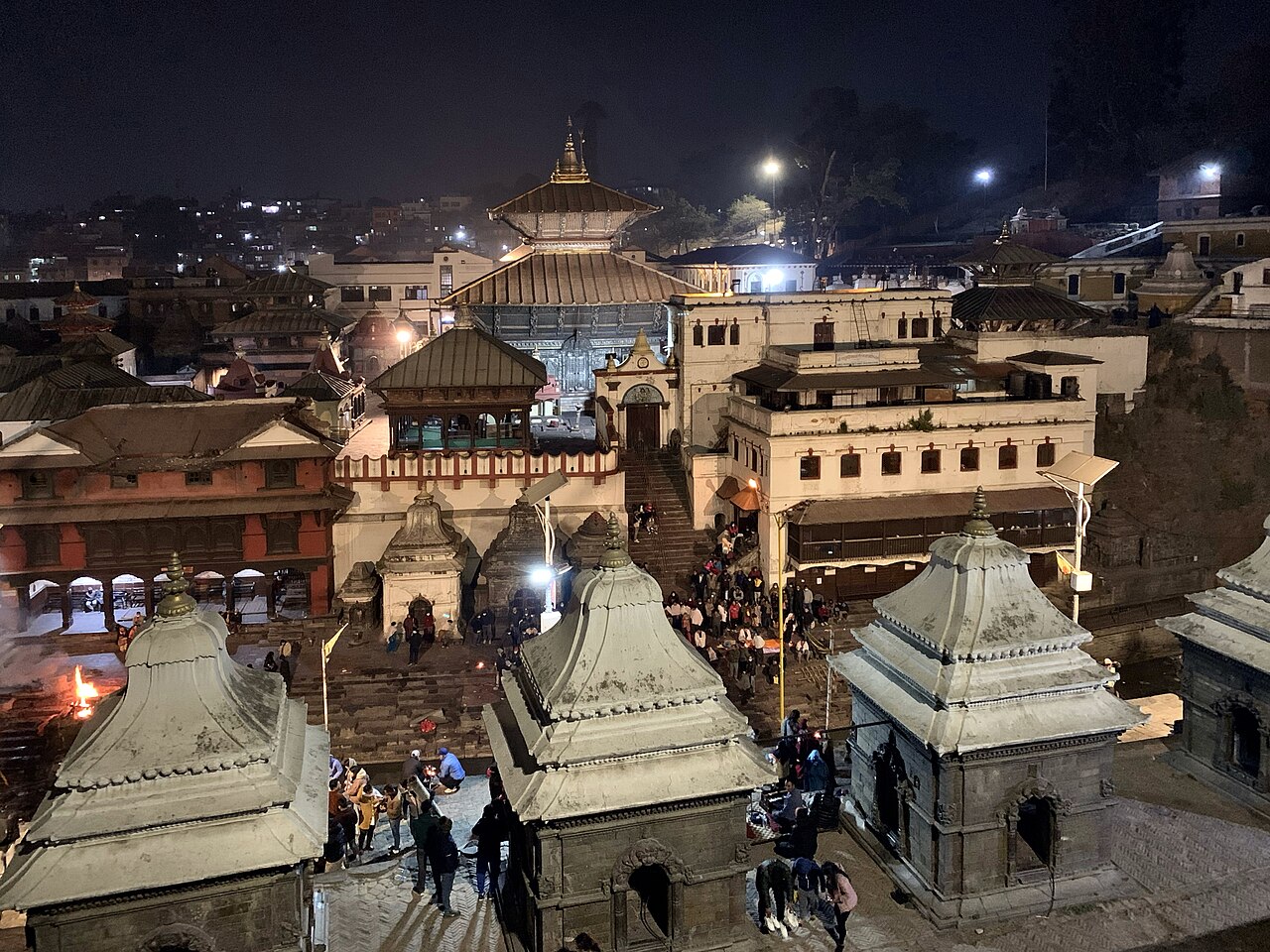
Kathmandu, Nepal
Deity: Pashupati
Pashupatinath Temple is a Hindu temple dedicated to Pashupati, considered a manifestation of Shiva. Located on the banks of the sacred Bagmati River in Kathmandu, Nepal, the temple is one of the oldest and most significant religious complexes in South Asia. Recognized as a UNESCO World Heritage Site since 1979, it is one of seven monument groups in UNESCO's designation of Kathmandu Valley and is described as an "extensive Hindu temple precinct" comprising a vast network of temples, ashrams, inscriptions, and images raised over the centuries along the banks of the sacred Bagmati River.
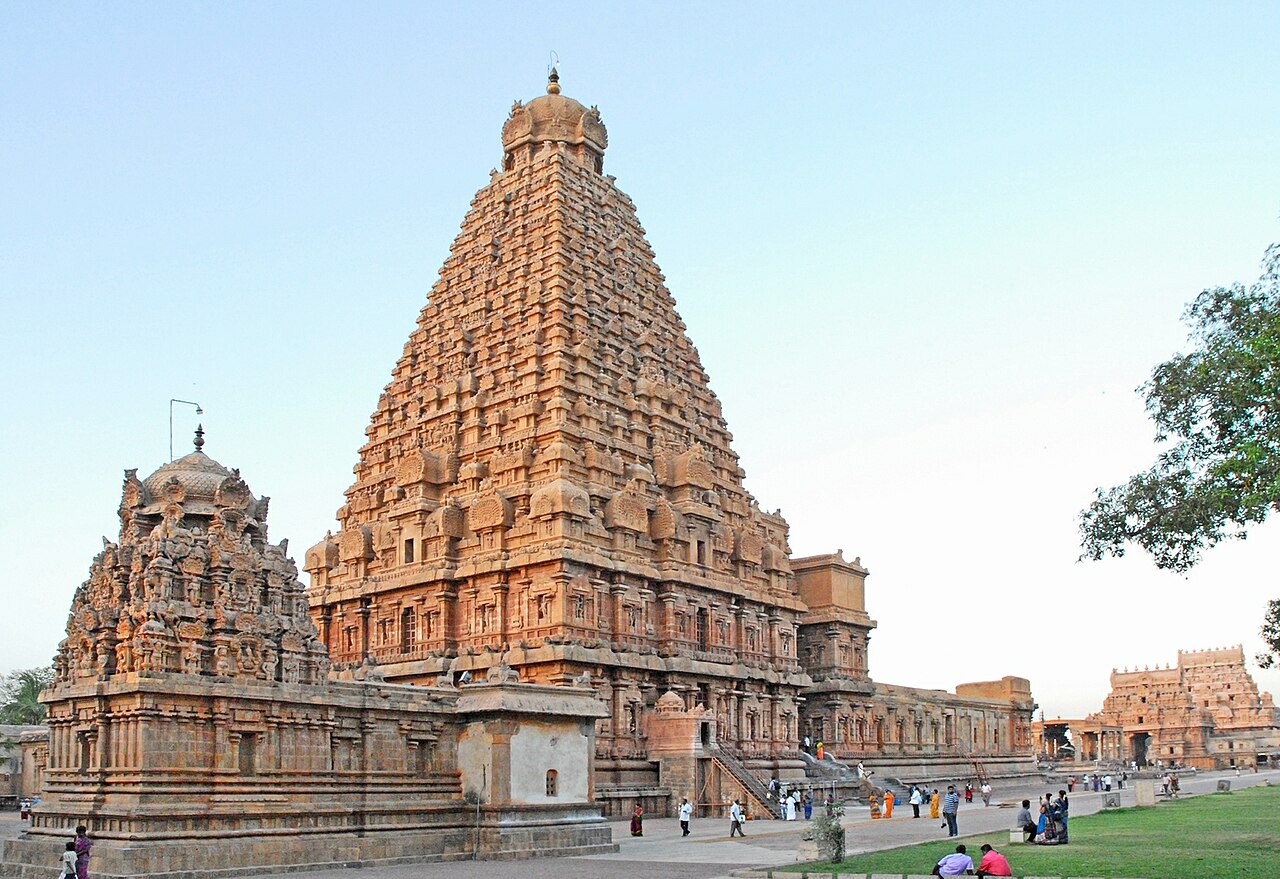
Thanjavur, India
Founded: 1010
Brihadisvara Temple, called Rajarajesvaram by its builder, and known locally as Thanjai Periya Kovil and Peruvudaiyar Kovil, is a Shaivite Hindu temple built in a Chola architectural style located on the south bank of the Cauvery river in Thanjavur, Tamil Nadu, India. It is one of the largest Hindu temples and an exemplar of Tamil architecture. It is also called Dakshina Meru.
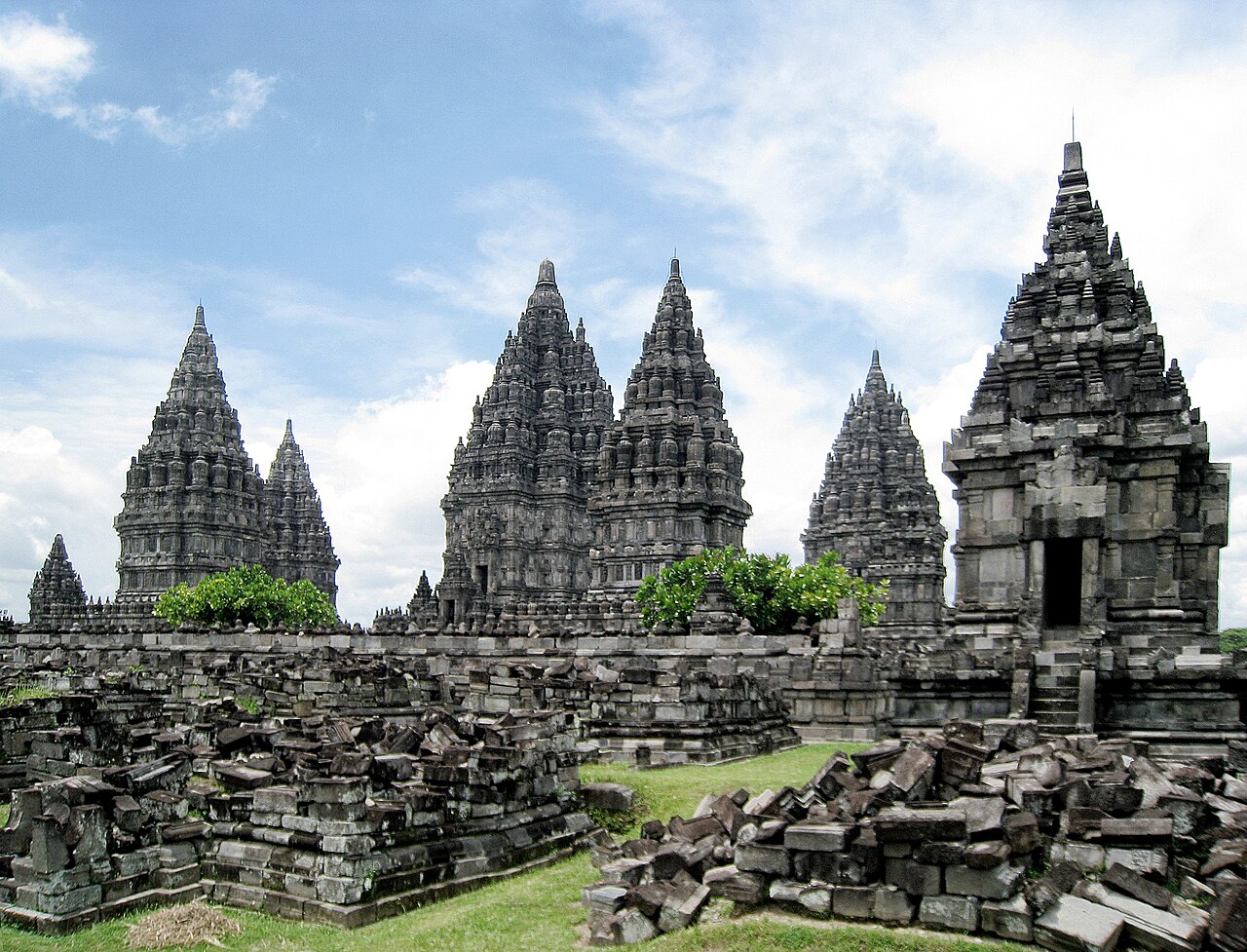
Prambanan, Indonesia
Founded: 850 CE
Prambanan is a 9th-century Hindu temple compound in the Special Region of Yogyakarta, in southern Java, Indonesia, dedicated to the Trimūrti, the expression of God as the Creator (Brahma), the Preserver (Vishnu), and the Destroyer (Shiva). The temple compound is located approximately 17 kilometres (11 mi) northeast of Yogyakarta on the boundary between Central Java and Yogyakarta provinces.
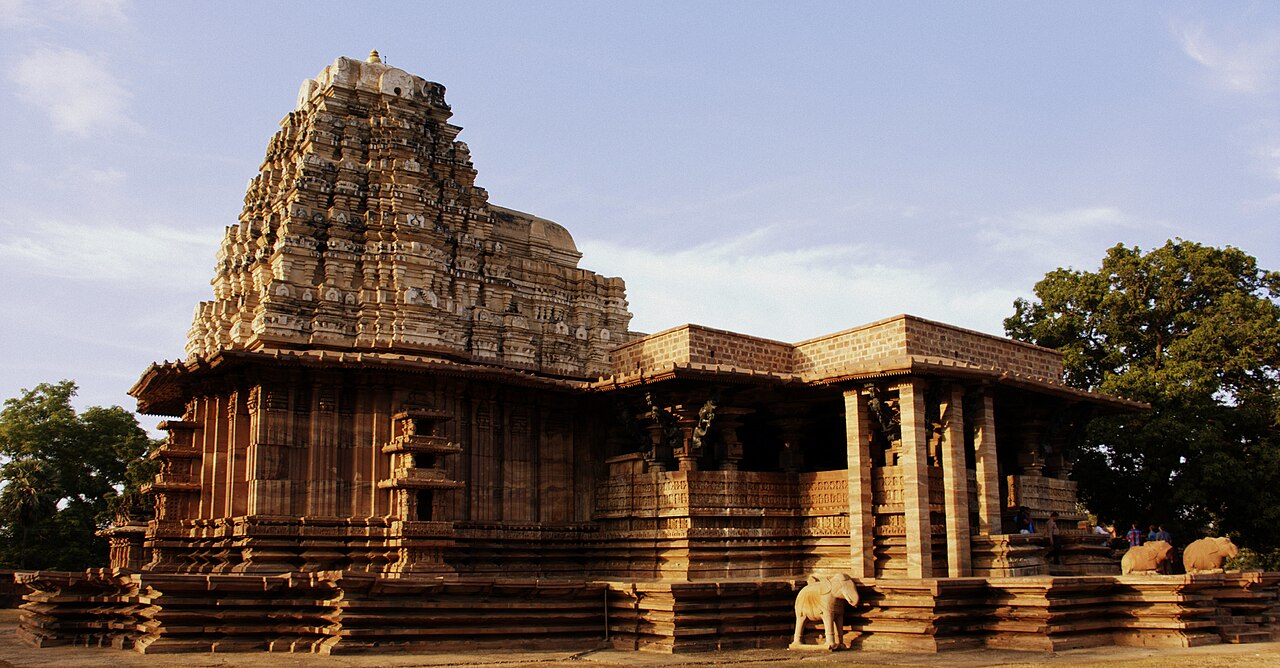
Mulugu district, India
Deity: Shiva
The Rudreshwara Temple, more commonly known as the Ramappa Temple, is a Hindu temple located in the village of Palampet in eastern Telangana, India. An inscription on a basalt pillar found within a nearby courtyard records that the temple was commissioned in 1213 by Recherla Rudra, a military general of the Kakatiya dynasty, and constructed over a period of 40 years during the reign of Ganapati, the third sovereign of the dynasty. Dedicated to the Hindu deity Shiva, it is a prominent example of Kakatiya architecture, and combines elements of Dravidian and Chalukyan architectural styles.
Temples that were destroyed, abandoned or converted, with the story of what happened. See ruins →