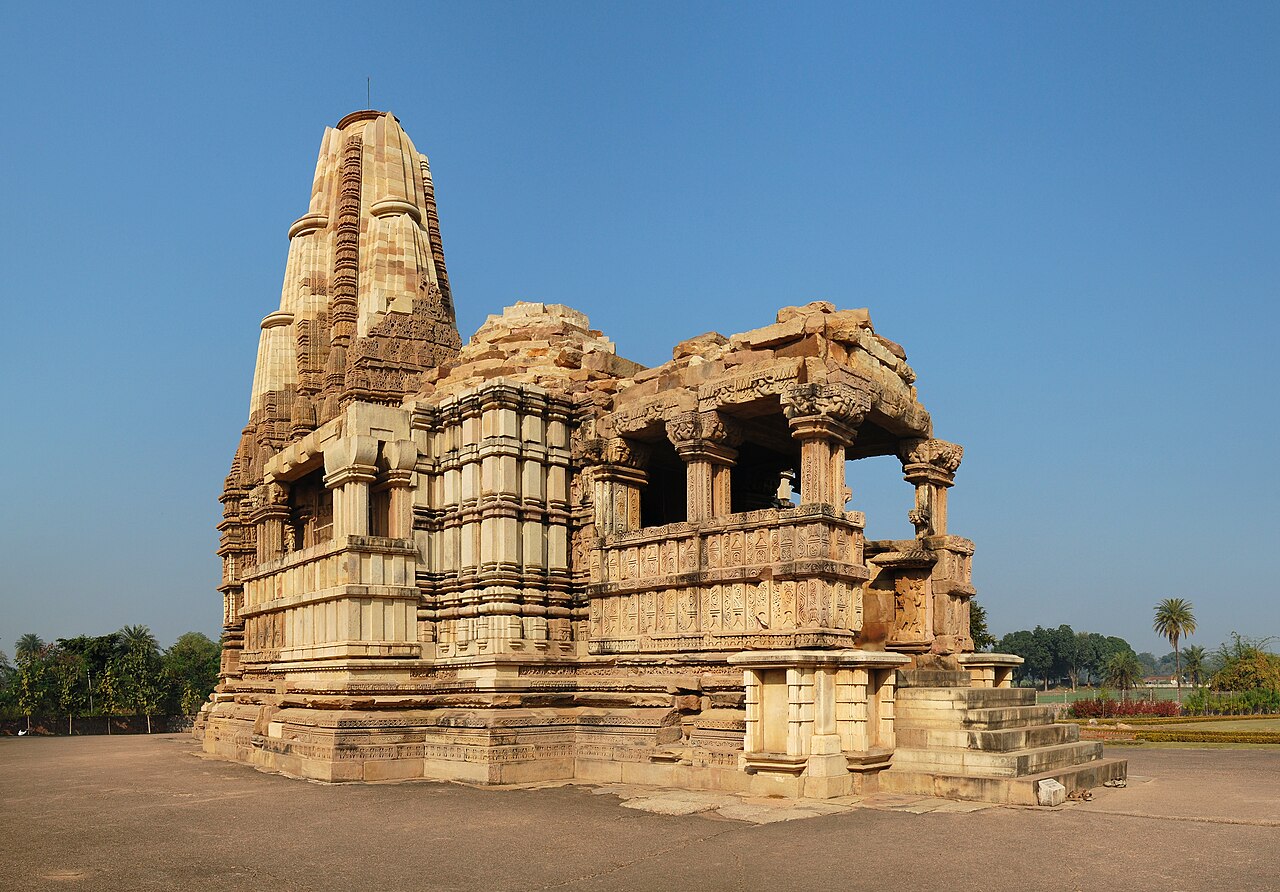
Chhatarpur district, India
Deity: Shiva
Founded: 1070
The Duladeo Temple is a Hindu temple in Khajuraho, Madhya Pradesh, India. The temple is dedicated to the god Shiva in the form of a linga, which is deified in the sanctum. 'Dulodeo' means "Holy Bridegroom". The temple is also known as "Kunwar Math". The temple faces east and is dated to 1000–1150 AD. It is the last of the temples built during the Chandela period. The temple is laid in the seven chariot plan (saptarata). The figurines carved in the temple have soft expressive features unlike other temples. The walls have a display of carved celestial dancers (apsara) in erotic postures and other figures.
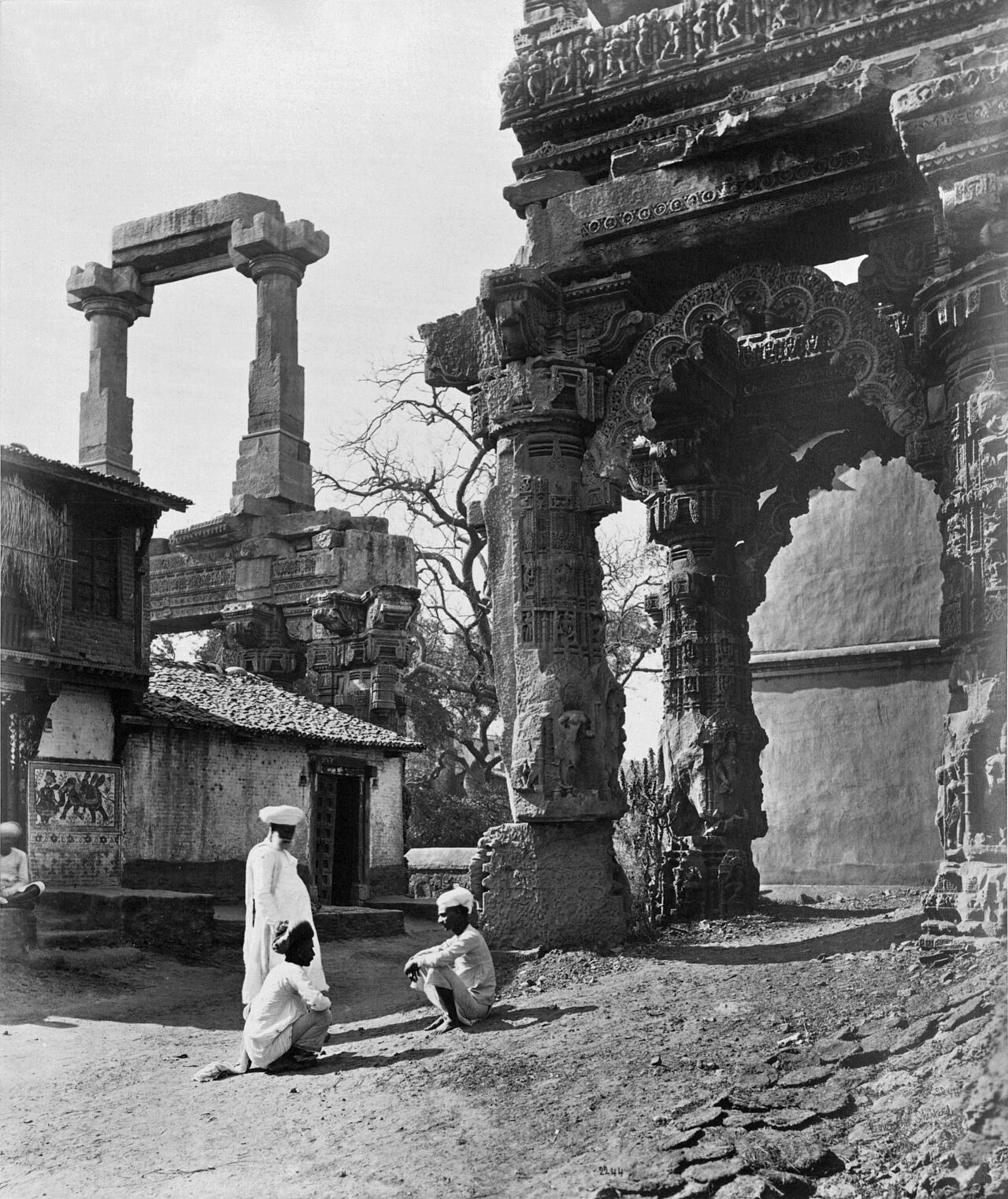
Patan district, India
Deity: Shiva
Founded: 943 CE
The Rudra Mahalaya Temple, also known as Rudramal, is a desecrated Hindu temple complex at Siddhpur town of Gujarat, India. Its construction was started in 943 CE by Mularaja and completed in 1140 CE by Jayasimha Siddharaja, a ruler of the Chaulukya dynasty. The Hindu temple was destroyed by the Sultan of Delhi, Alauddin Khalji, and later the Sultan of Gujarat, Ahmed Shah I desecrated and substantially demolished the temple, and also converted part of it into the congregational mosque of the city. Two torans (porches) and four pillars of the former central structure still stand along with the western part of the complex used as a congregational mosque.
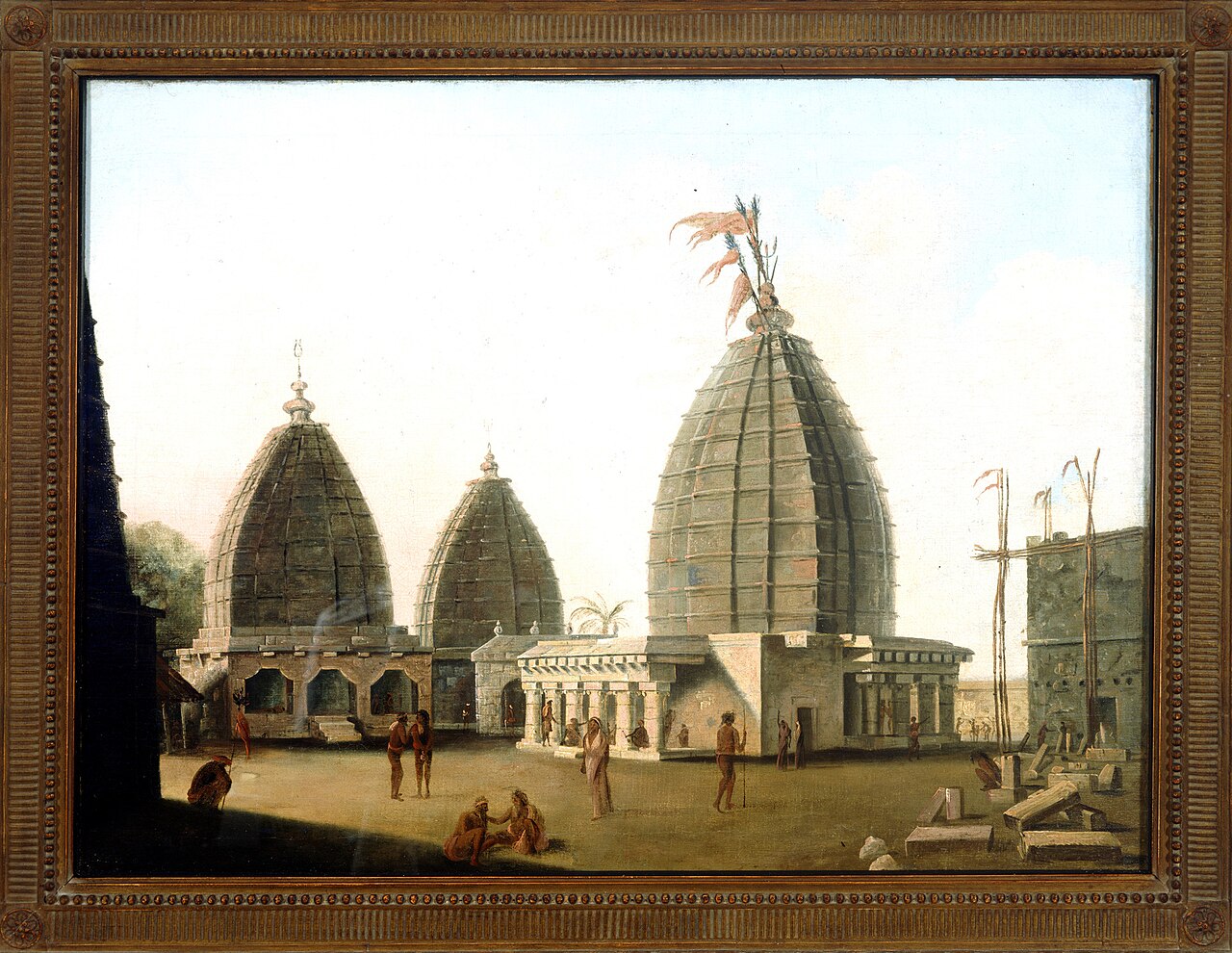
Deoghar, India
Deity: Shiva
Baidyanath Temple is a Hindu temple dedicated to Shiva. It is located in Deoghar, in the Santhal Parganas division of the Indian state of Jharkhand. The temple complex comprises the central shrine of Baba Baidyanath along with 21 additional temples. It is significant to the Hindu sects of Shaivism as this temple is referred to as one of the twelve Jyotirlingas.
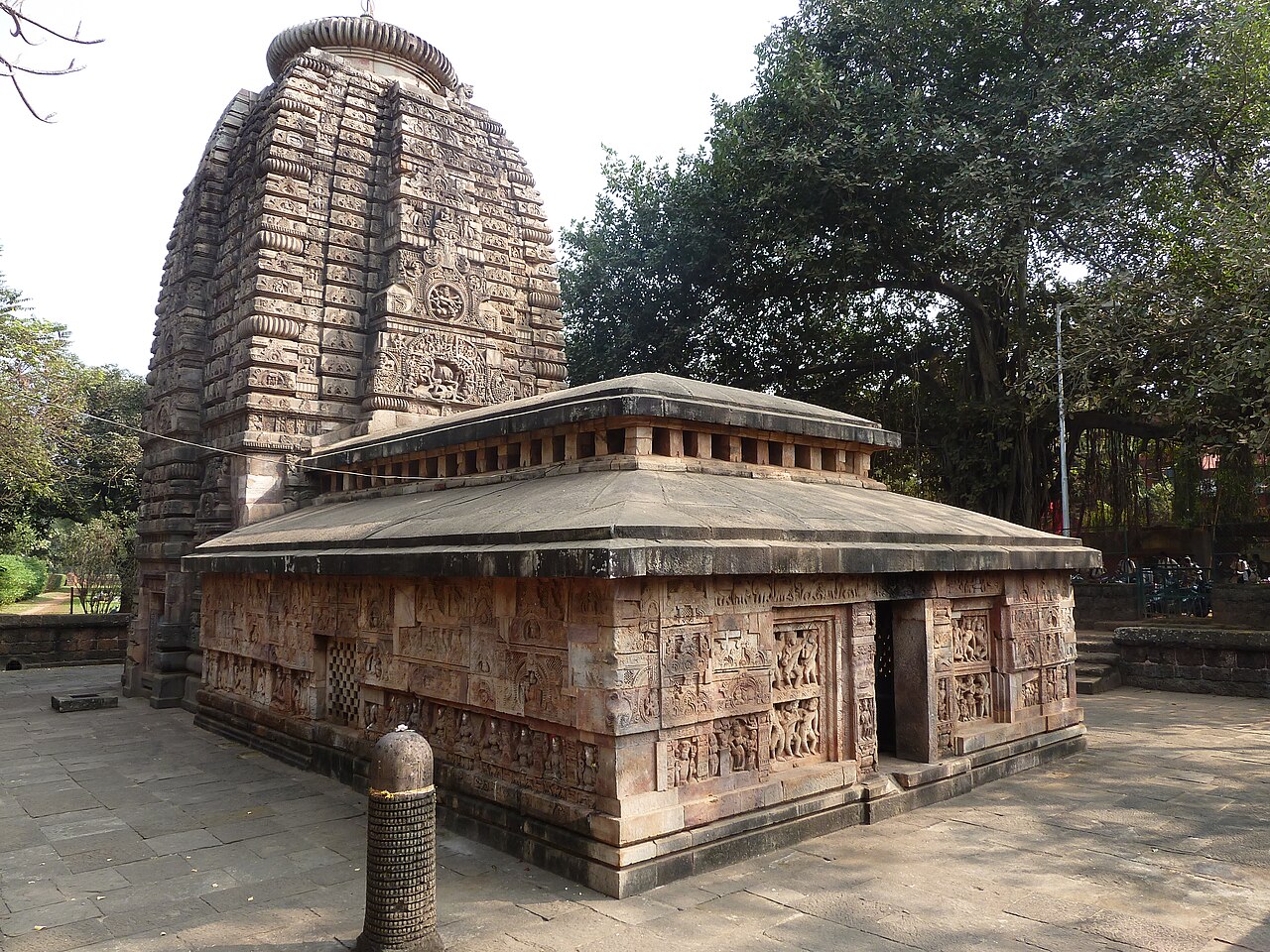
Bhubaneswar, India
Deity: Shiva
Parsurameswara Temple also spelt Parashurameshvara, is a Hindu temple, located in the East Indian city of Bhubaneswar, the capital of Odisha, India, is considered the best preserved specimen of an early Odia Hindu temple dated to the Shailodbhava period between the 7th and 8th centuries CE. The temple is dedicated to the Hindu god Shiva and is one of the oldest existing temples in the state. It is believed to have been built around 650 CE in Nagara style and has all the main features of the pre-10th century Kalinga Architecture style temples. The temple is one among the Parashurameshvara group of temples.
Bhubaneswar, India
Deity: Shiva
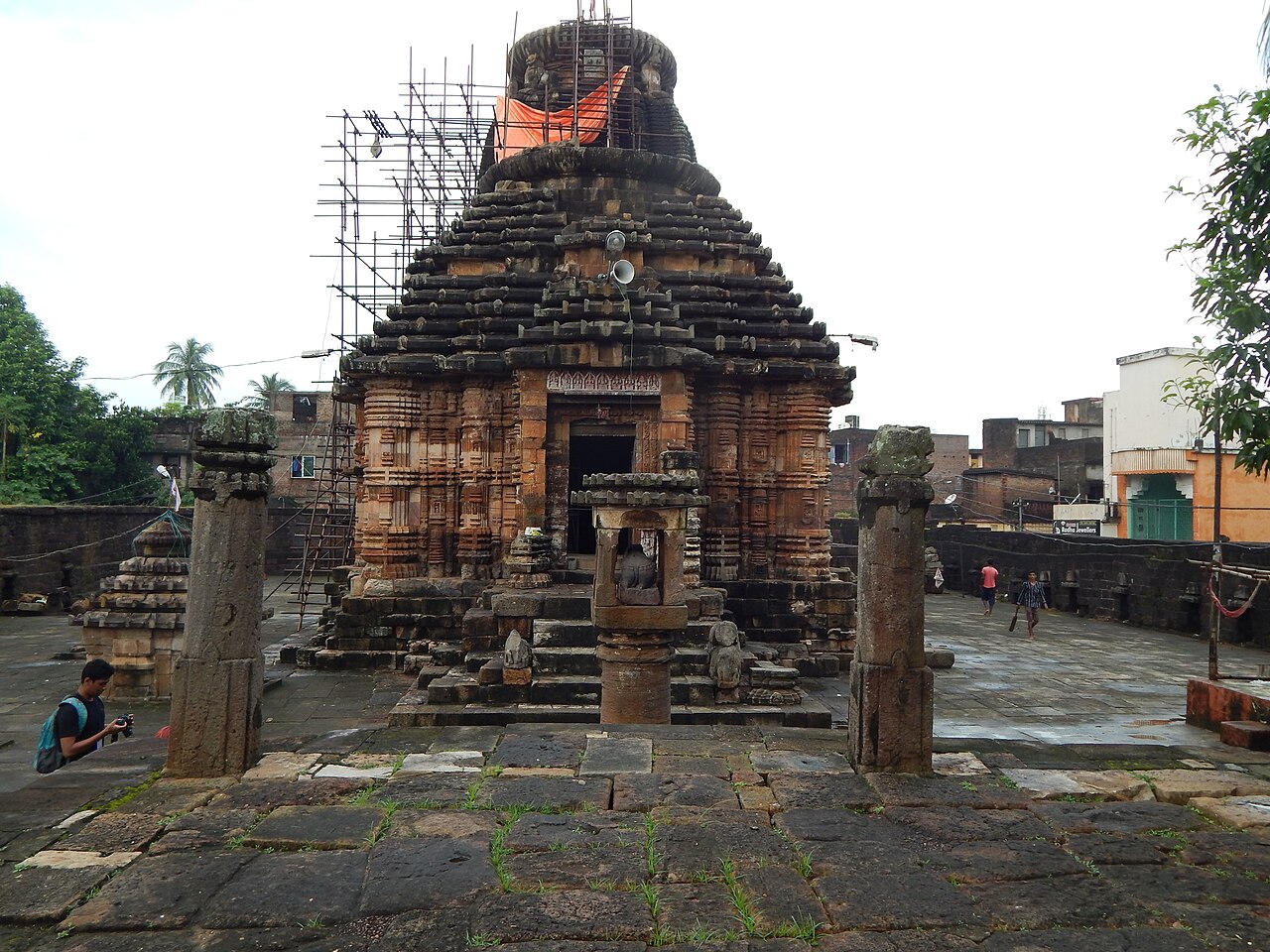
Yameshwar Temple or Jameshwar Temple is an ancient temple dedicated to the Hindu deities Shiva and Yama. It is located in Bhubaneswar, Odisha, India, near Bharati Matha, in Jameshwar Patna.
Sivasagar, India
Deity: Shiva
Founded: 1734
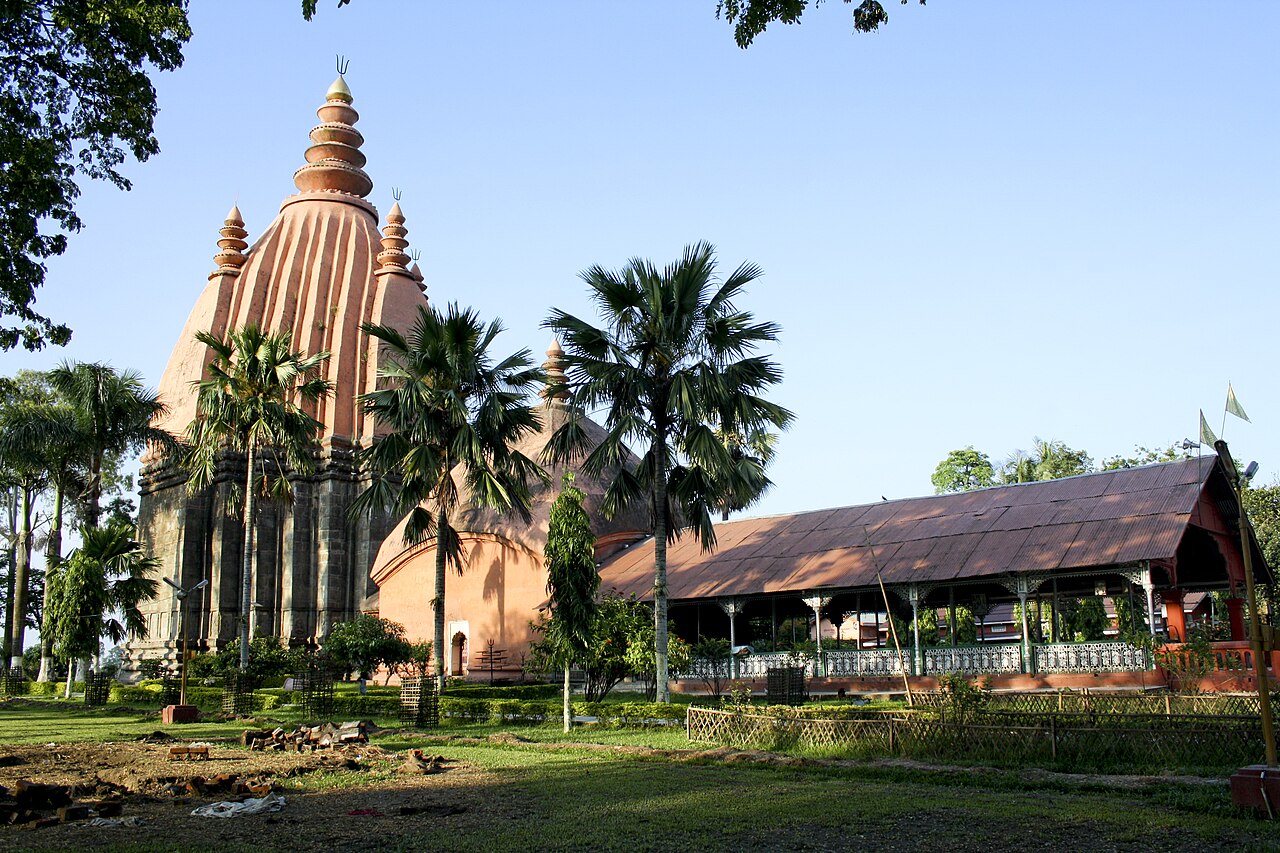
Shiva dol is a group of structures comprising three Hindu temples of Sivadol, Vishnudol and Devidol shrines, and a museum. These are located on the banks of the Sivasagar tank, also known as the Borpukhuri tank, in the heart of Sivasagar, in the Indian state of Assam. The tank was constructed between 1731 and 1738 and the temples were built in 1734 by Bar Raja Ambika, queen of Ahom king Swargadeo Siva Singha (1714–1744). The height of the Sivadol is 104 feet (32 m) and the perimeter is 195 feet (59 m) at the base. It is crowned with an 8-foot (2.4 m) high golden-dome.
Chhatarpur district, India
Deity: Shiva
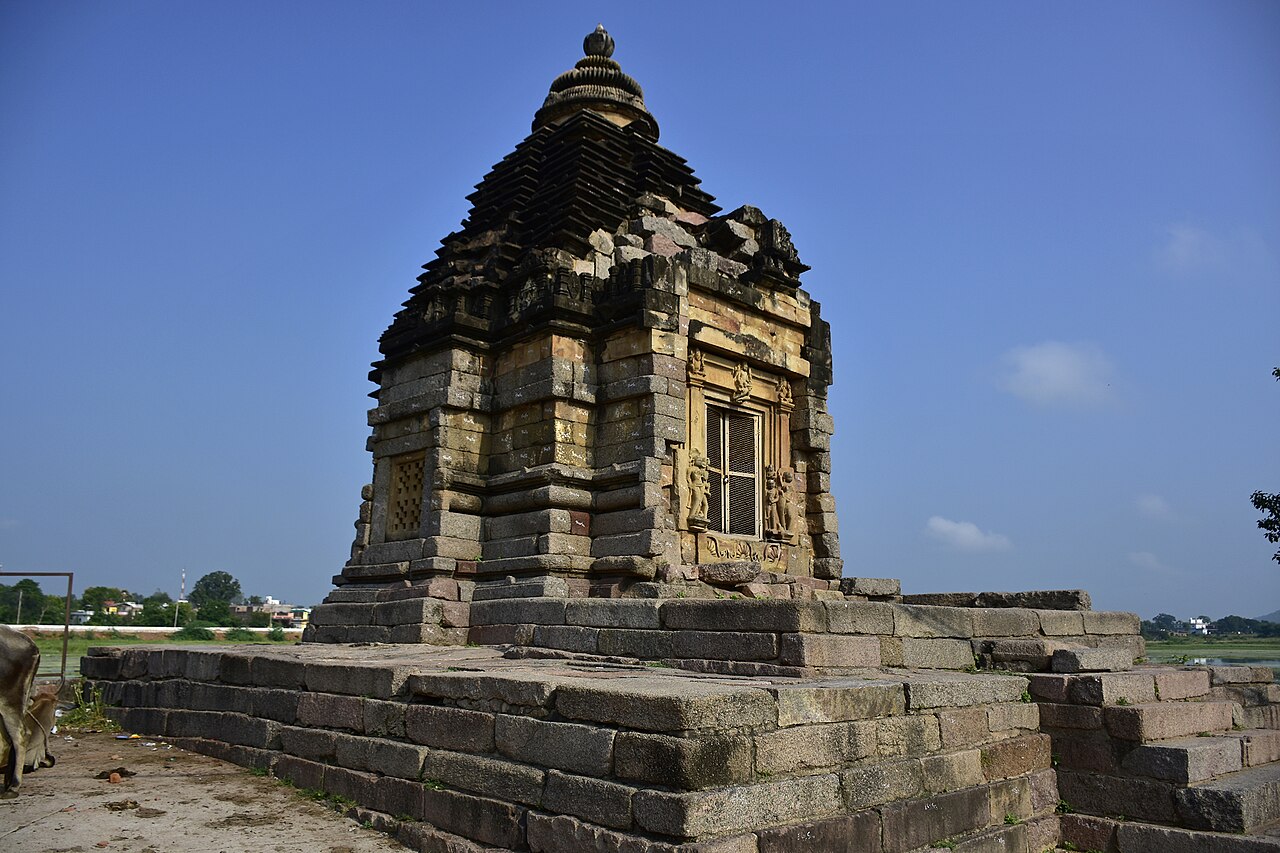
Brahma Temple is a ninth or early tenth century temple and is located at Chhatarpur in Madhya Pradesh, India. Although titled after the Hindu god Brahma, the temple is dedicated to Shiva. This temple, along with many others built during the Chandela dynasty, form the UNESCO World Heritage Site of Khajuraho Group of Monuments.
Koppal district, India
Deity: Shiva
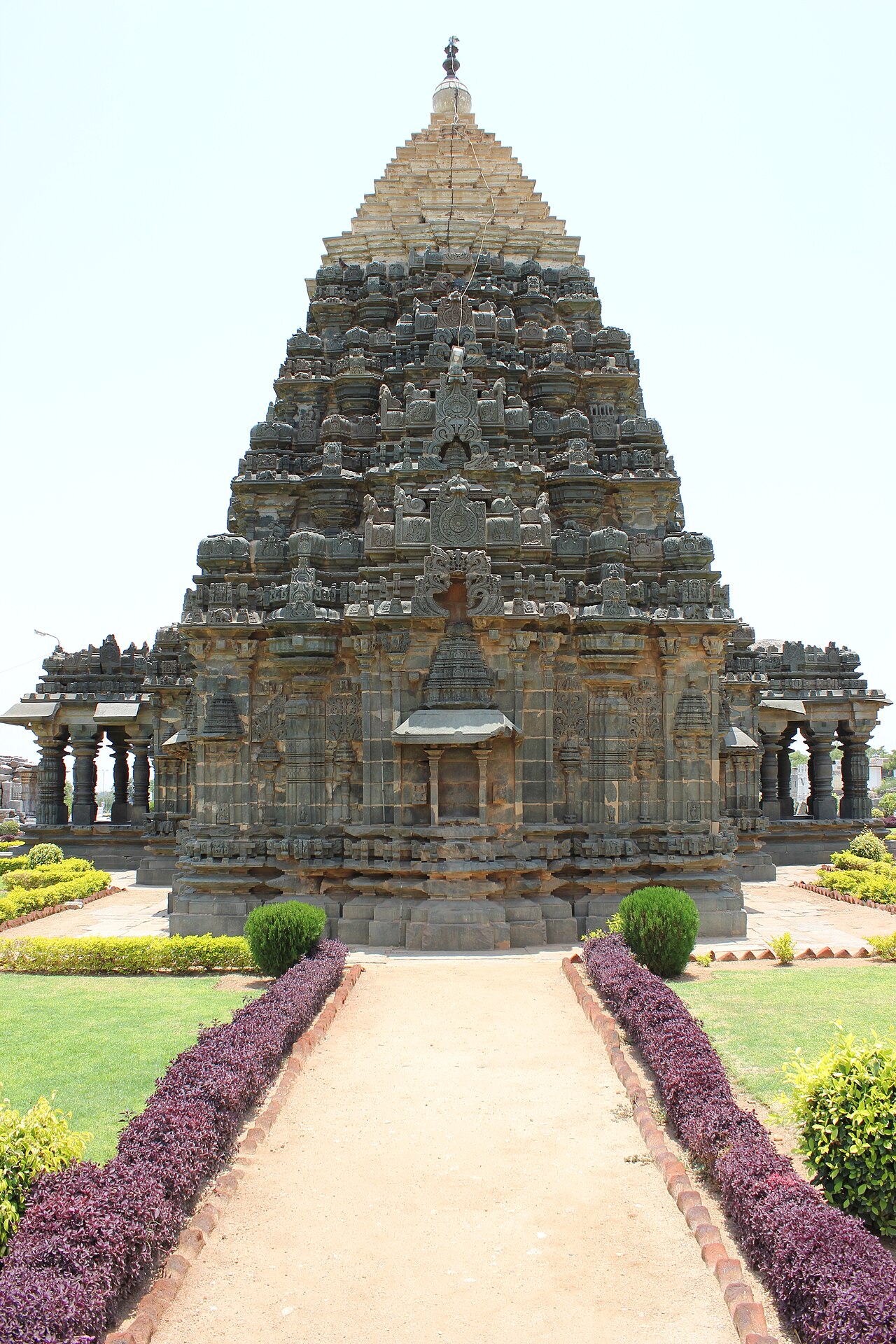
The Mahadeva Temple is located in the town of Itagi in Yelburga Taluk, in the Koppal District of Karnataka state, India. It is about 7 km (4 mi) from Kuknur and 20 km (12 mi) from Lakkundi.
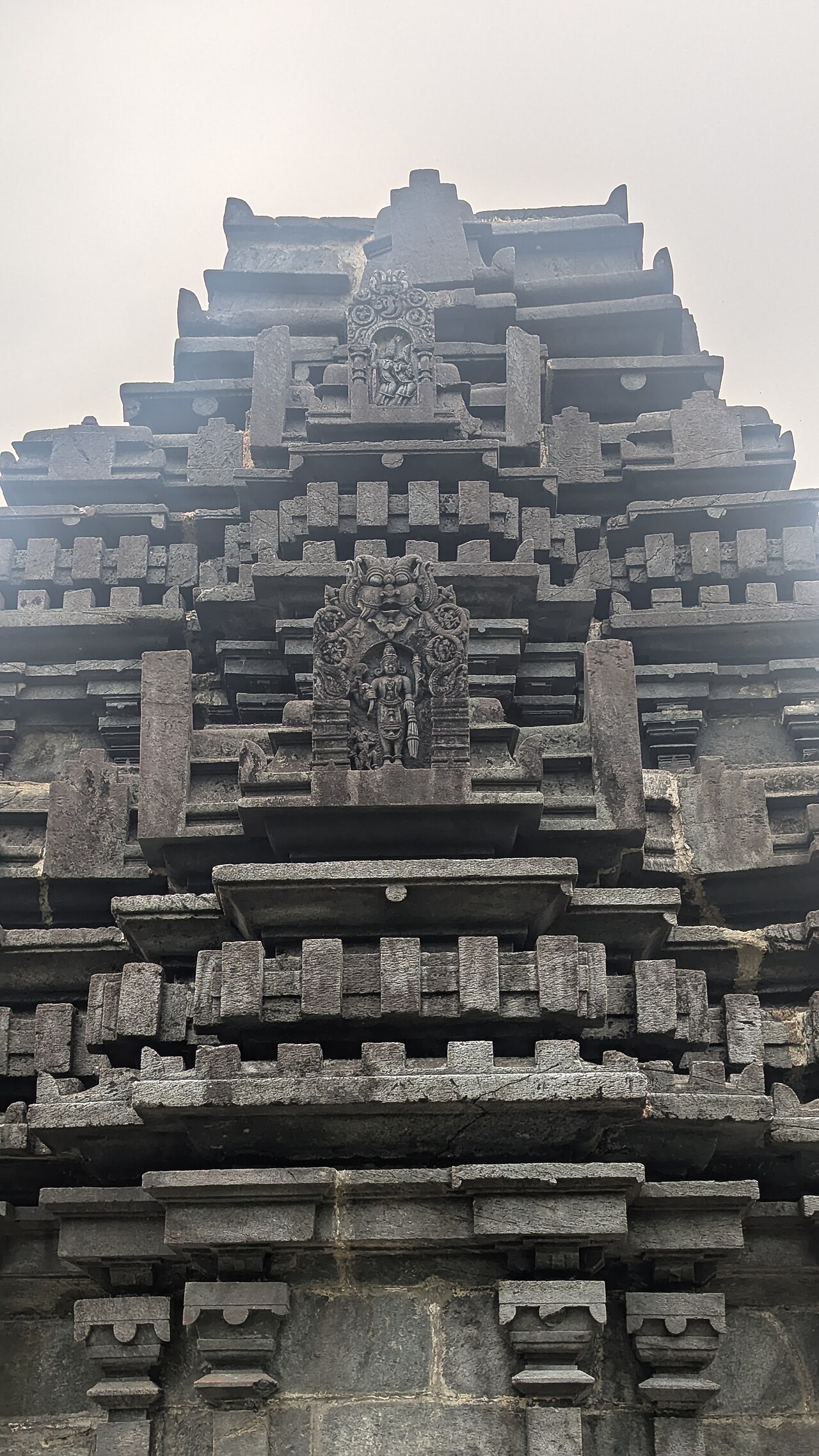
North Goa district, India
Deity: Shiva
Mahadeva Temple, Tambdi Surla is a 13th-century Hindu temple in the Kadamba style dedicated to Lord Shiva, one of the main deities in Hinduism, and is an active place of Hindu worship. It is an ASI protected Monument of National Importance in Goa. The temple is dedicated to Lord Shiva and is reminiscent of the temples at Aihole in neighbouring Karnataka.
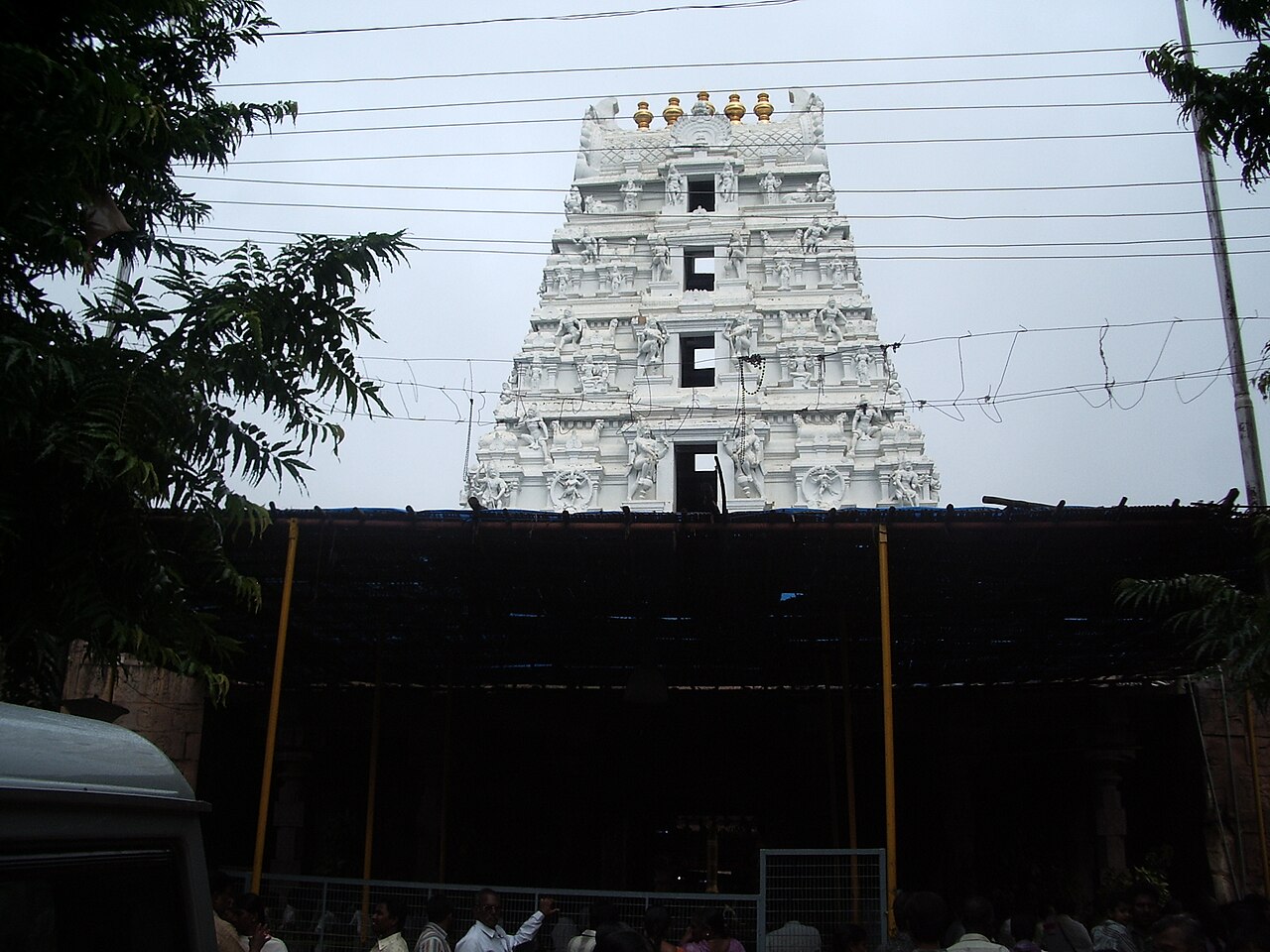
Srisailam mandal, India
Deity: Shiva, Parvati
Mallikarjuna Swamy Temple or Srisailam Temple is a Hindu temple dedicated to the deities Shiva and Parvati, located at Srisailam, Nandyal district in the Indian state of Andhra Pradesh. It is significant to the Hindu sects of both Shaivism and Shaktism as this temple is referred to as one of the twelve Jyotirlingas of Shiva and one of the 276 Paadal Petra Sthalams of Shiva, as well as one of the fifty two Shakta pithas, centres of the Hindu goddess. Shiva is worshiped as Mallikarjuna and is represented by the lingam. His consort Parvati is depicted as Bhramaramba.
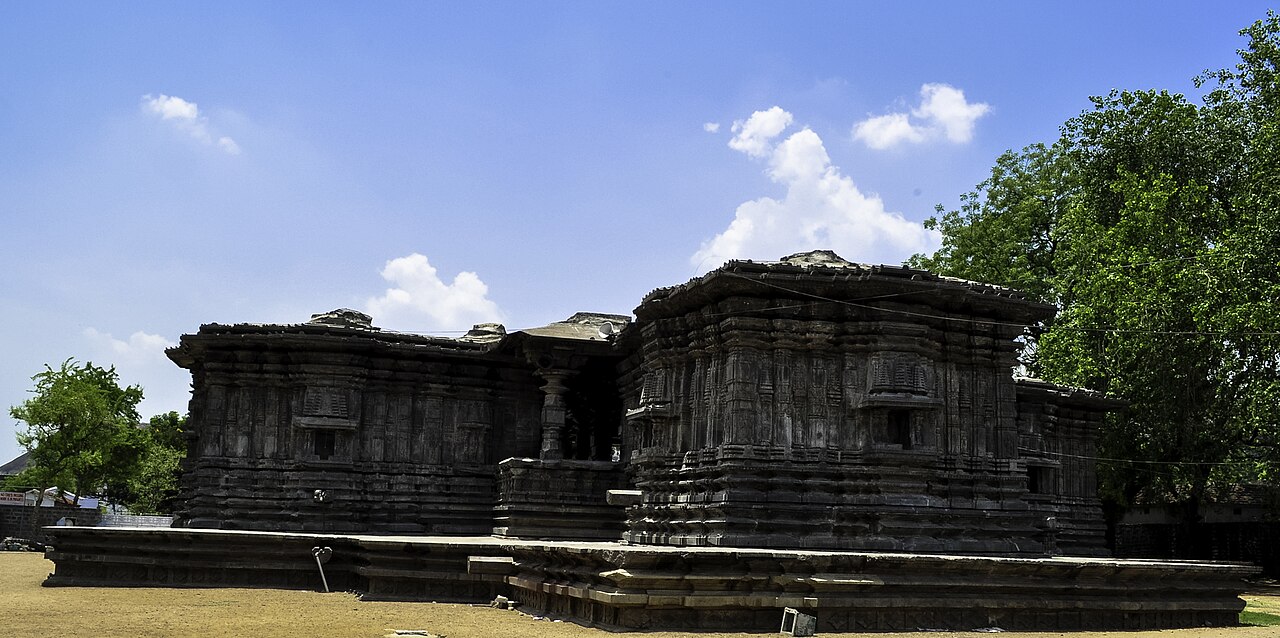
Hanamkonda district, India
Deity: Shiva, Vishnu, Surya
The Thousand Pillar Temple or Rudreswara Swamy Temple is a historical Hindu temple located in the city of Hanamakonda, Telangana, India. It is dedicated to Shiva, Vishnu and Surya. The Thousand Pillar Temple, along with the Warangal Fort and the Kakatiya Kala Thoranam were added to the tentative list of UNESCO World Heritage sites.
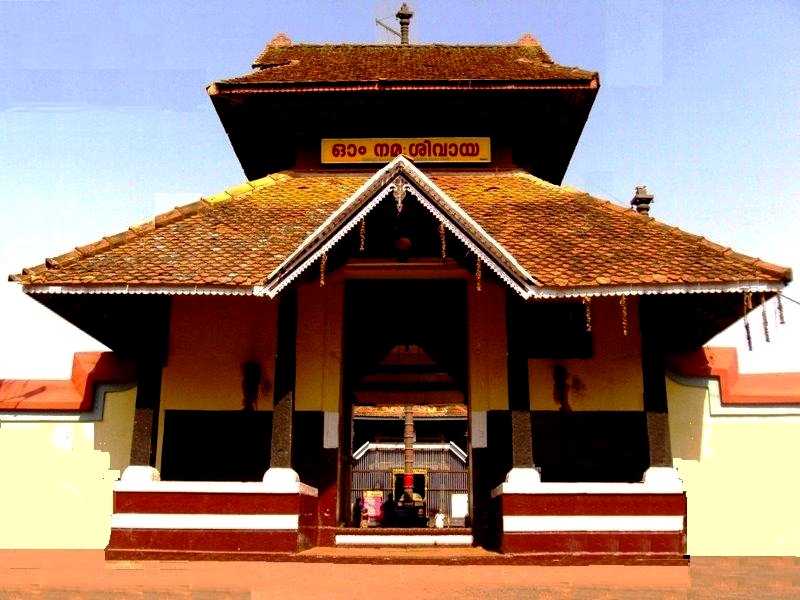
Kottayam district, India
Deity: Shiva
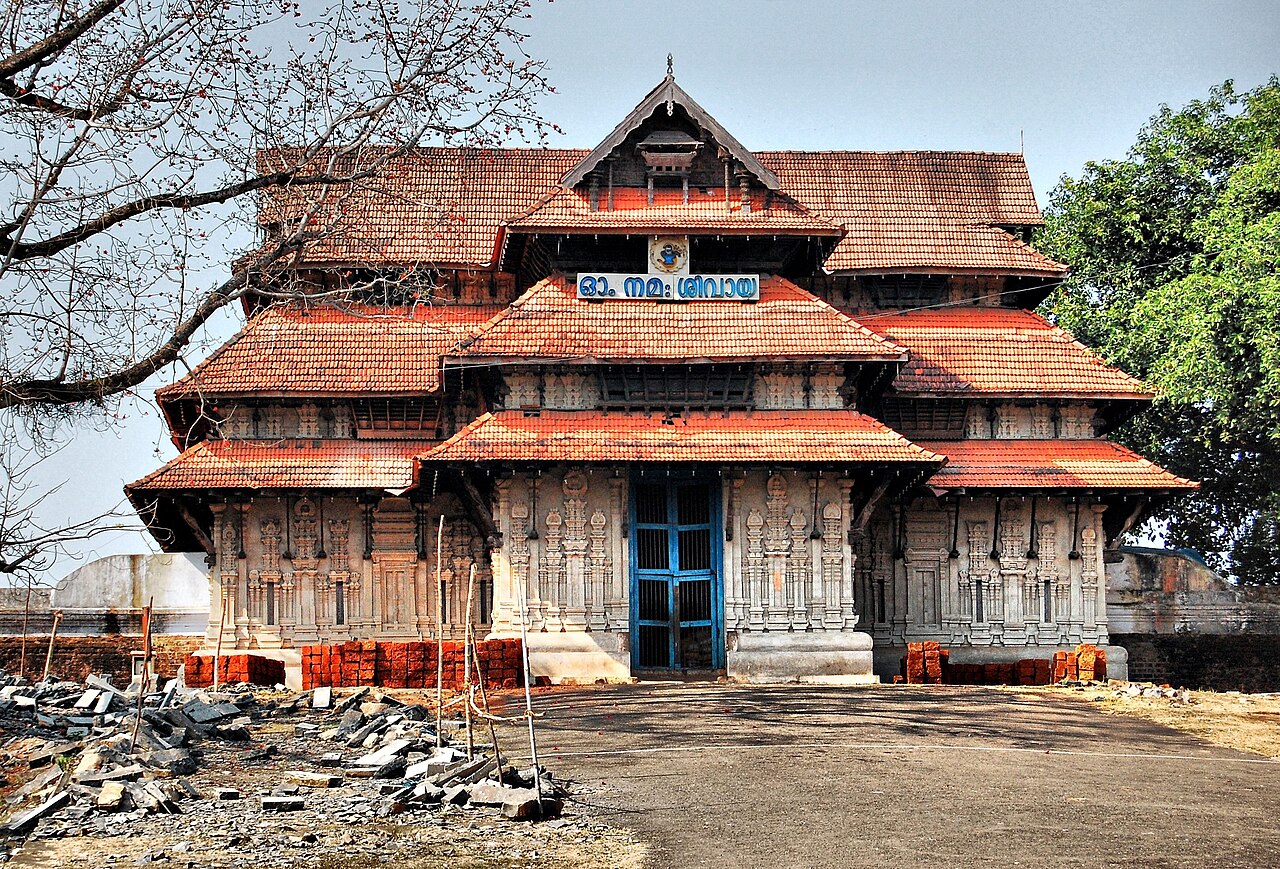
Vazhappally Maha Siva Temple is a Hindu temple located in Vazhappally near Changanassery in Kottayam district in the Indian state of Kerala. The temple is administered by the Travancore Devaswom Board. The temple is believed to be constructed by the first Chera king of Kodungallur. The legends suggest that the installation of the idol of god Mahadeva (Shiva) was performed by Parasurama himself. This temple is one among the 108 Shiva temples established by Parasurama. It is one of the few temples in Kerala where two nalambalams and two flag-masts are dedicated. The temple, a Grama Kshetra, also contains some seventeenth century wood carvings depicting figurines from epics.
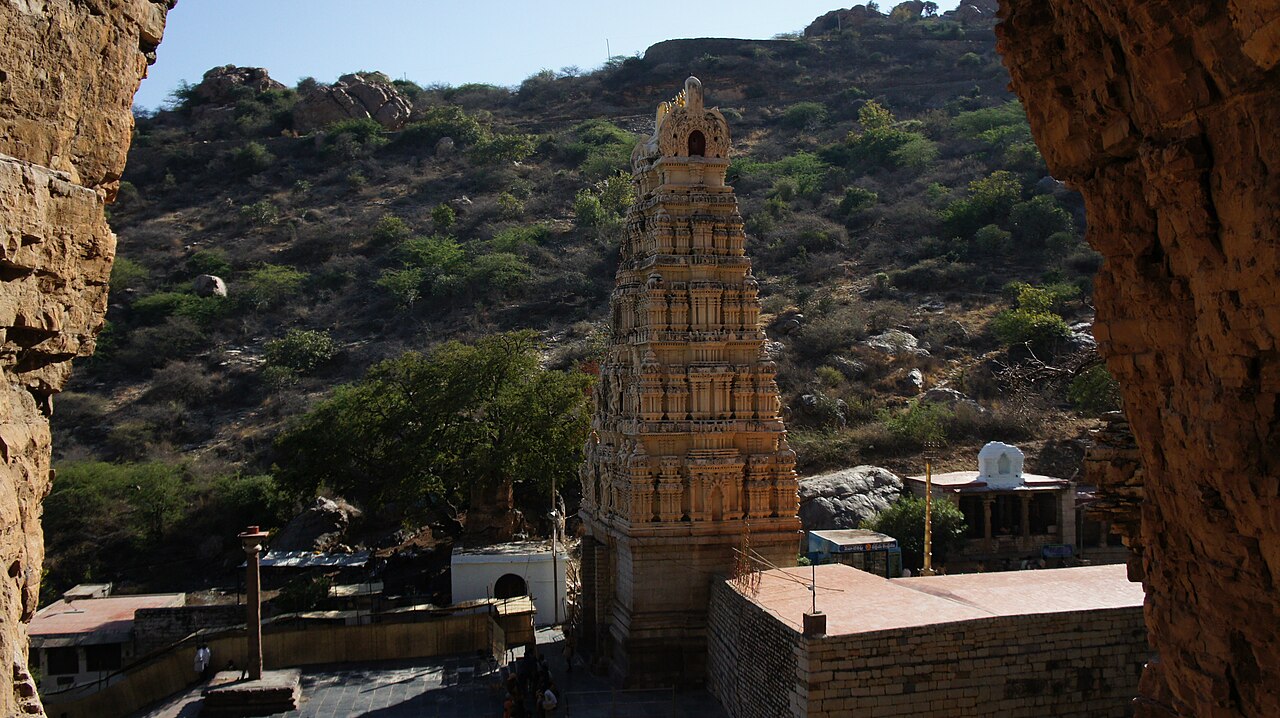
Nandyal district, India
Deity: Shiva
Yaganti Temple or Sri Yaganti Uma Maheswara Temple is a temple of Shiva in Nandyal district in the India state of Andhra Pradesh. It was built according to Vaishnavaite traditions.
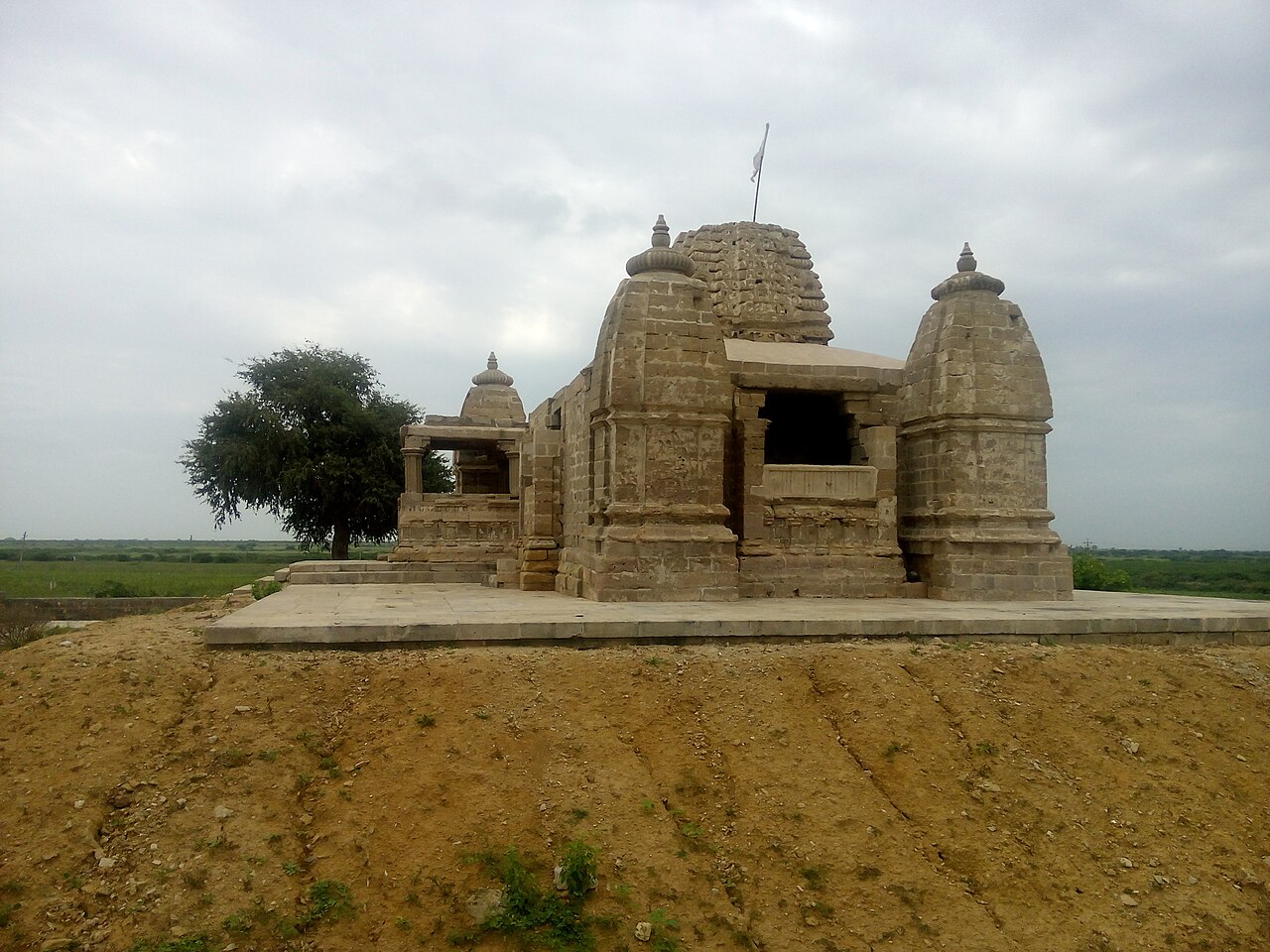
Dwarka Taluka, India
Deity: Shiva
Founded: 750 CE
Magderu is an 8th-century temple of Maitraka period located near Dhrasanvel village in Okhamandal Taluka of Devbhoomi Dwarka district, Gujarat, India. The temple is located three miles northeast of Dwarka.
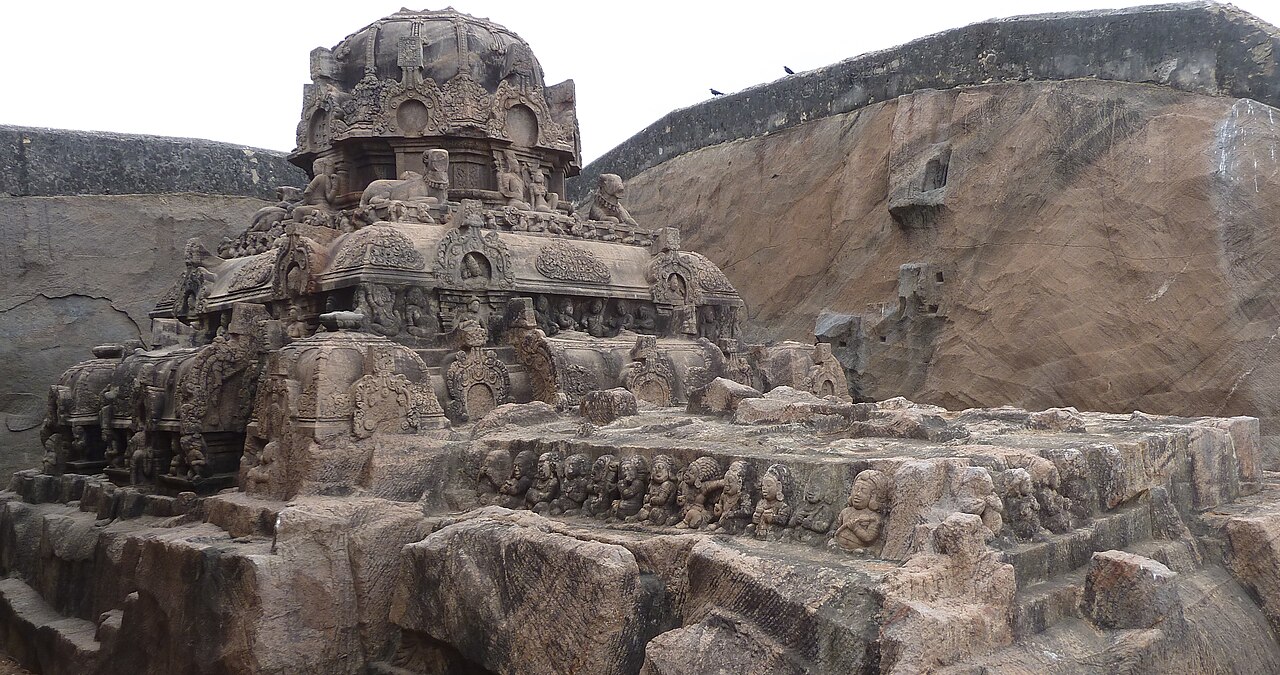
Thoothukudi district, India
Deity: Shiva
Founded: 701 CE
Vettuvan Koil in Kalugumalai, a panchayat town in Thoothukudi district in the South Indian state of Tamil Nadu, is a temple dedicated to the Hindu god Shiva. Constructed in the Pandyan Architecture and rock cut architecture, the unfinished temple was built during the 8th century CE by the early Pandyas. The other portions of Kalugumalai hillock houses the 8th century Kalugumalai Jain Beds and Kalugasalamoorthy Temple, a Murugan temple.
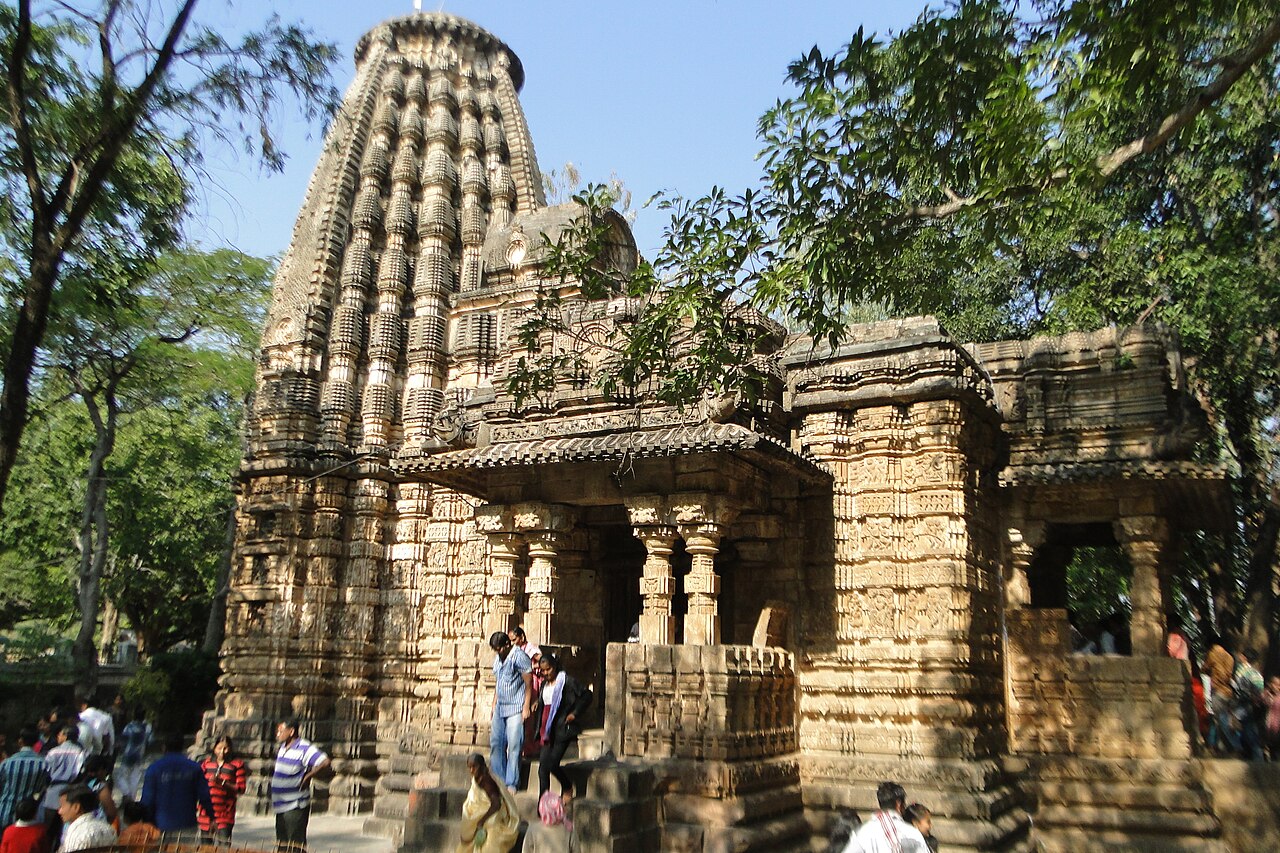
Kawardha, India
Deity: Shiva
Bhoramdeo Temple is a Hindu temple dedicated to the god Shiva in Bhoramdeo, in the Indian state of Chhattisgarh. It comprises a group of four temples of which the earliest is a brick-temple. The main temple is the Bhoramdeo temple built in stone. The architectural features with erotic sculptures has given a distinct style akin to the Khajuraho temple and the Konark Sun Temple in Odisha, and hence the Bhoramdeo complex is known by the sobriquet the "Khajuraho of Chhattisgarh".
Sikar district, India
Deity: Shiva
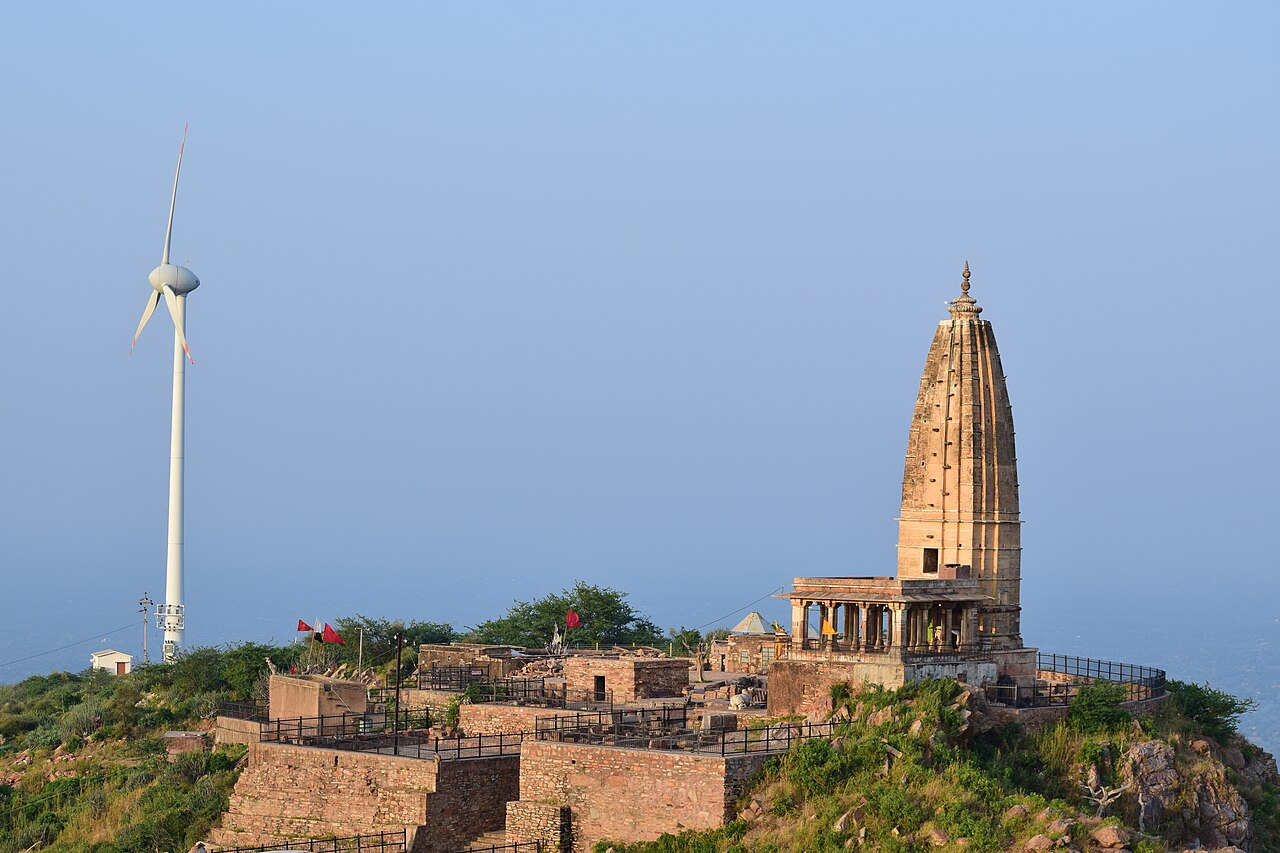
Harshnath Temple is a 10th-century Hindu temple, dedicated to Shiva, located on a prominent mountaintop in Sikar district of the Indian state of Rajasthan. It is located 14 km from the district headquarters at Sikar.
Golaghat district, India
Deity: Shiva
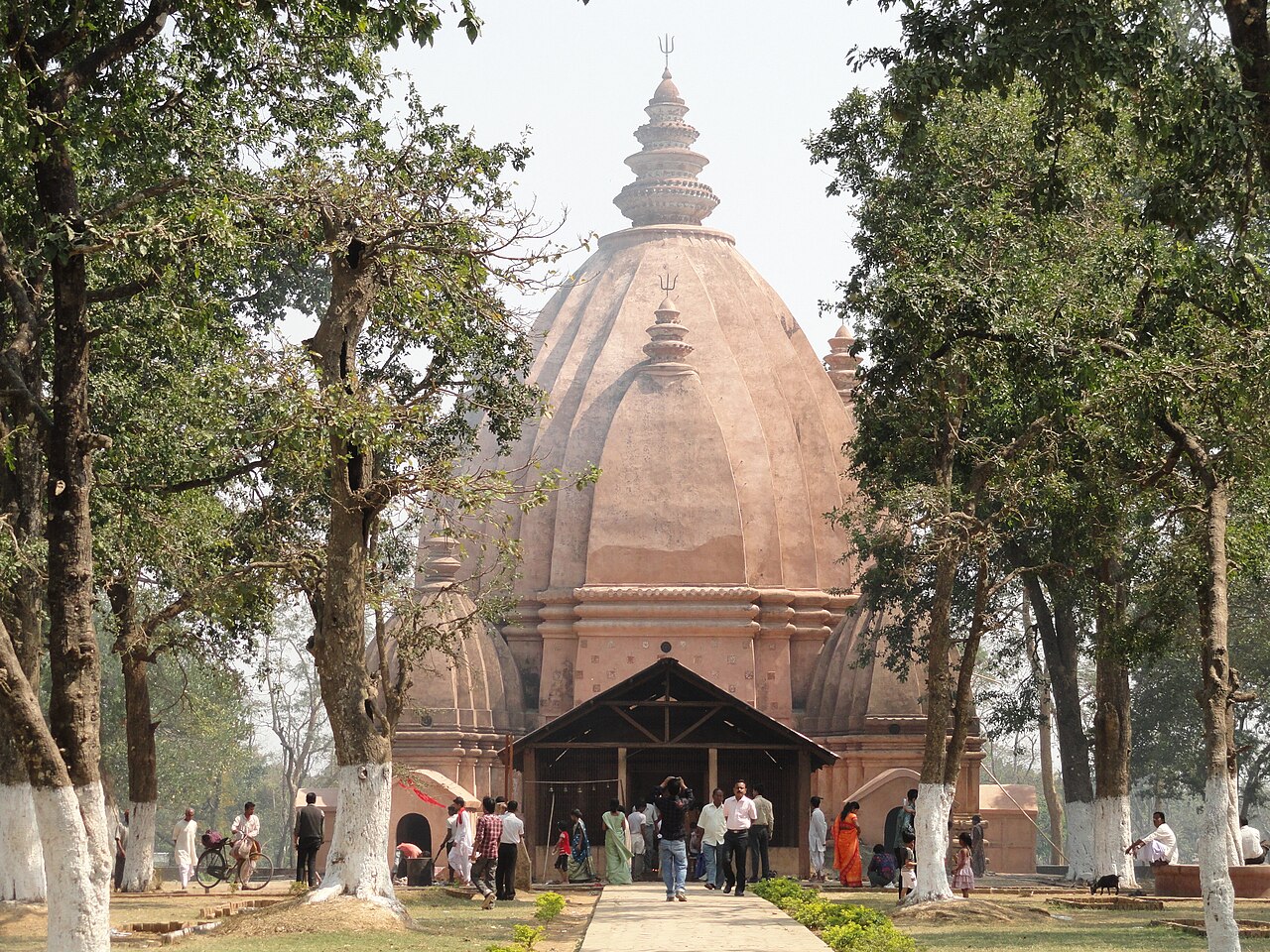
The Negheriting Shiva Doul is a Shiva temple at Dergaon in Assam, India. Situated on a hillock at about one and half km north from the National Highway 37 in the Golaghat district of Assam. This is a national protected monument. Later due to natural calamities it came into destruction. The older Negheriting temple is mentioned in Buranjis in relation to wars with the Kachari kingdom of early 16th century. The region around Dergaon, where the temple is located, was then part of the Kachari domain, before being annexed by the Ahoms during the reign of Suhungmung. In 1765, a brick temple was constructed by Ahom king Swargadeo Rajeswar Singha in place of the older stone temple.
Thrissur district, India
Deity: Shiva
Gadag district, India
Deity: Shiva
Founded: 1100
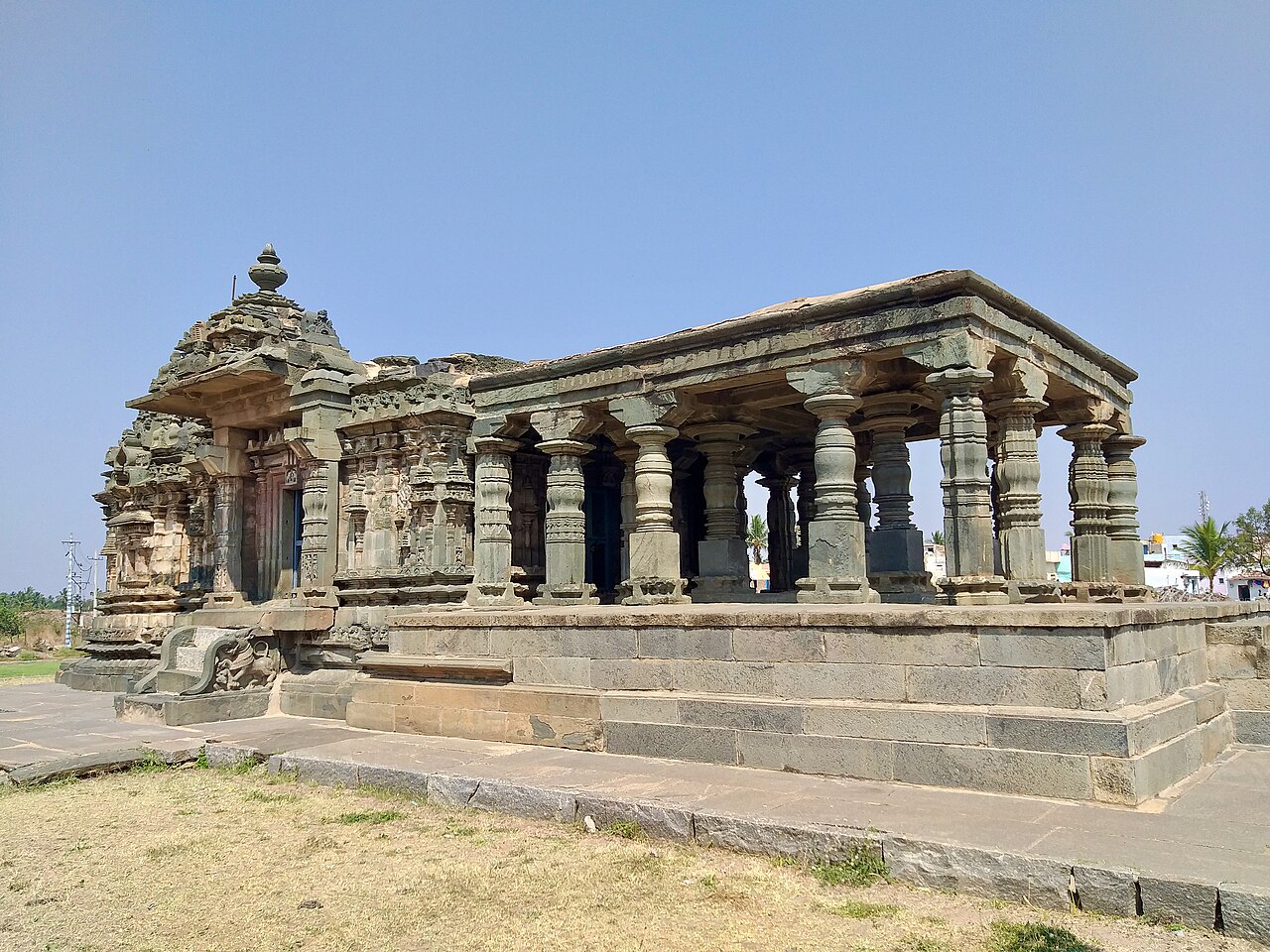
The Nannesvara Temple, also referred to as the Nanneshvara temple, is an 11th-century Hindu temple in Lakkundi, Gadag district, Karnataka. It is notable for being the earliest known imperial-style temple of the Kalyana Chalukyas, one with significant influences from both North Indian and South Indian schools of Hindu architecture. It stands immediately west to the much larger and more ornate Kasivisvesvara twin Temple in a similar style.
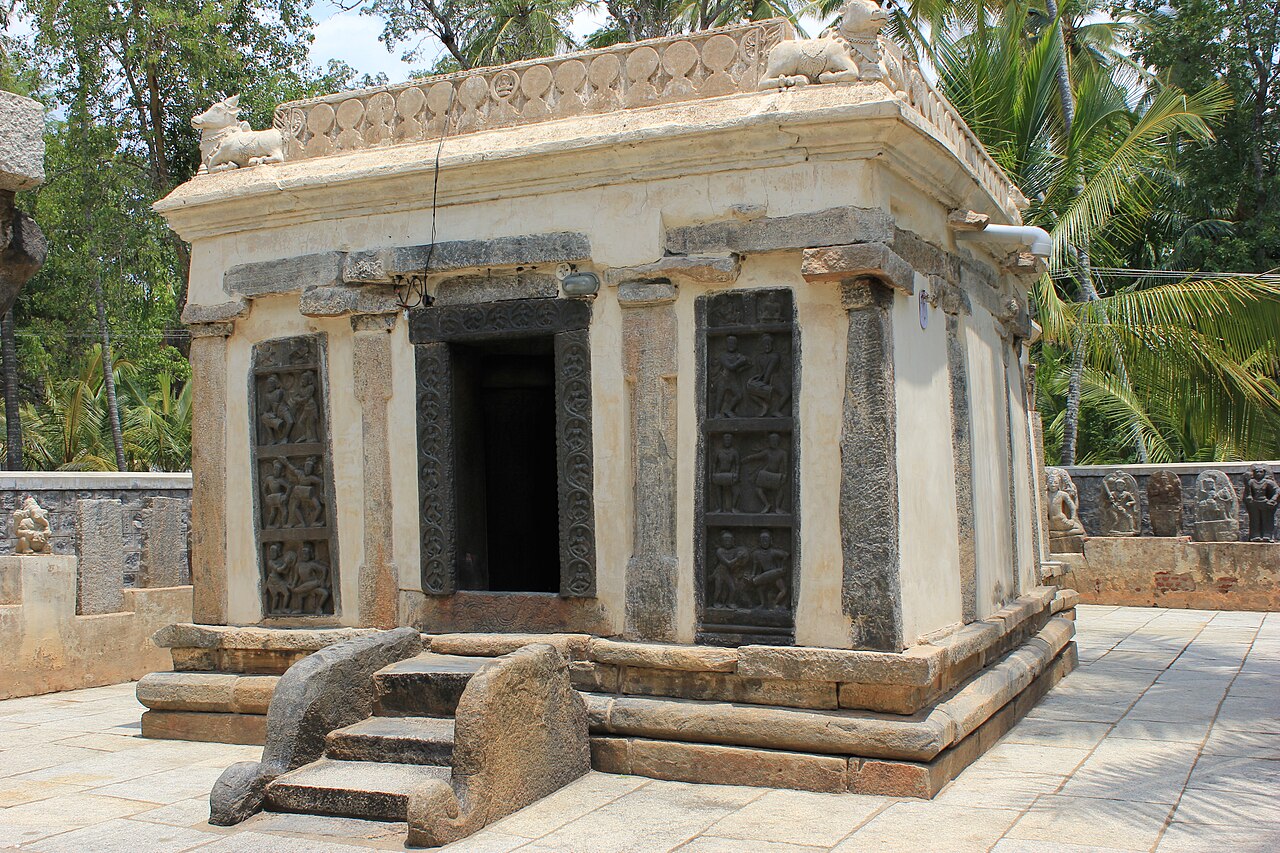
Chamarajanagar district, India
Deity: Shiva
The Arakeshvara Temple, dedicated to the Hindu god Shiva, is located in the village of Hole Alur in the Chamarajanagar district of Karnataka state, India. According to the historian Sarma, the temple which dates back to the middle of the 10th century rule of the Western Ganga Dynasty appears to have been renovated in later periods. It was constructed by King Butuga II around 949 A.D. to celebrate his victory over the Cholas of Tanjore in the historically important battle of Takkolam. It was a military engagement between crown prince Rajaditya, son of the Chola King Parantaka I, and King Butaga II.
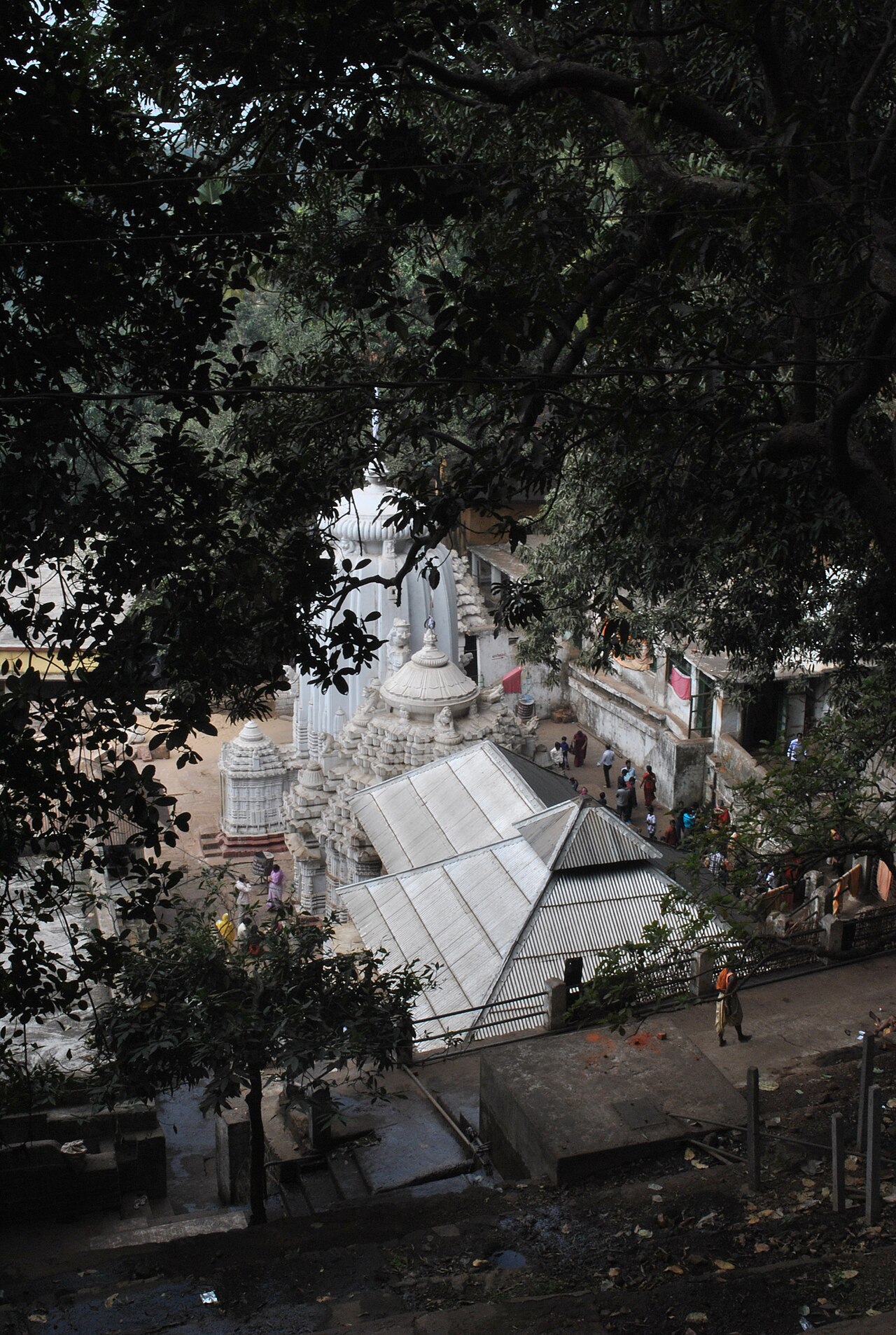
Dhenkanal district, India
Deity: Shiva
Kapilash Temple, also known as Mahadev Chandrashekhar Temple, is situated in the north eastern part of Dhenkanal town, Odisha, India at a distance of 26 km from the district headquarters.
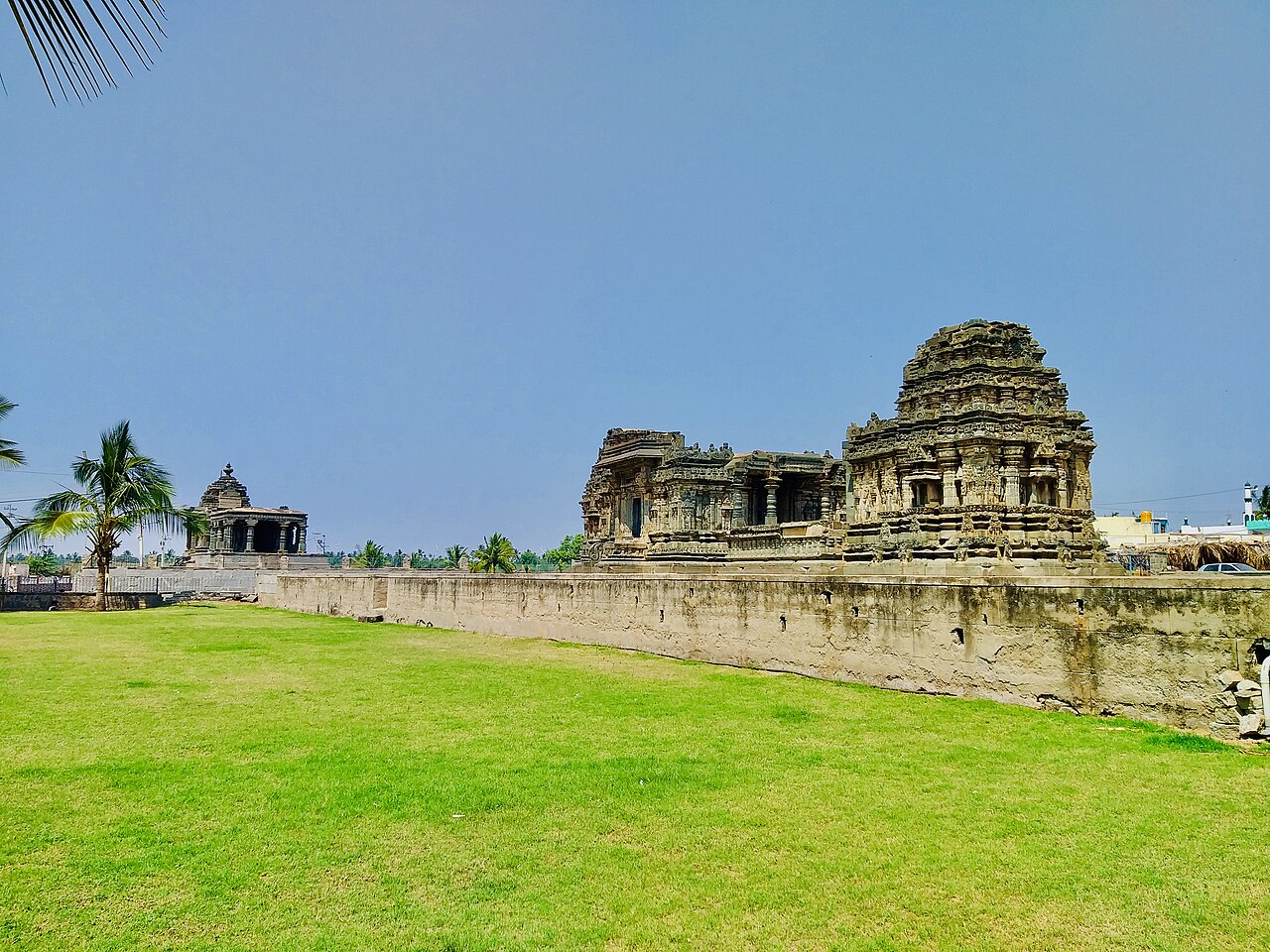
Gadag district, India
Deity: Shiva
The Kasivisvesvara temple, also referred to as the Kavatalesvara, Kashivishveshvara or Kashi Vishvanatha temple of Lakkundi is located in the Gadag district of Karnataka state, India. It is about 12 kilometres (7.5 mi) from Gadag city, between Hampi and Goa. The Kasivisvesvara temple is one of the best illustrations of fully developed Kalyana Chalukya style of Hindu architecture.
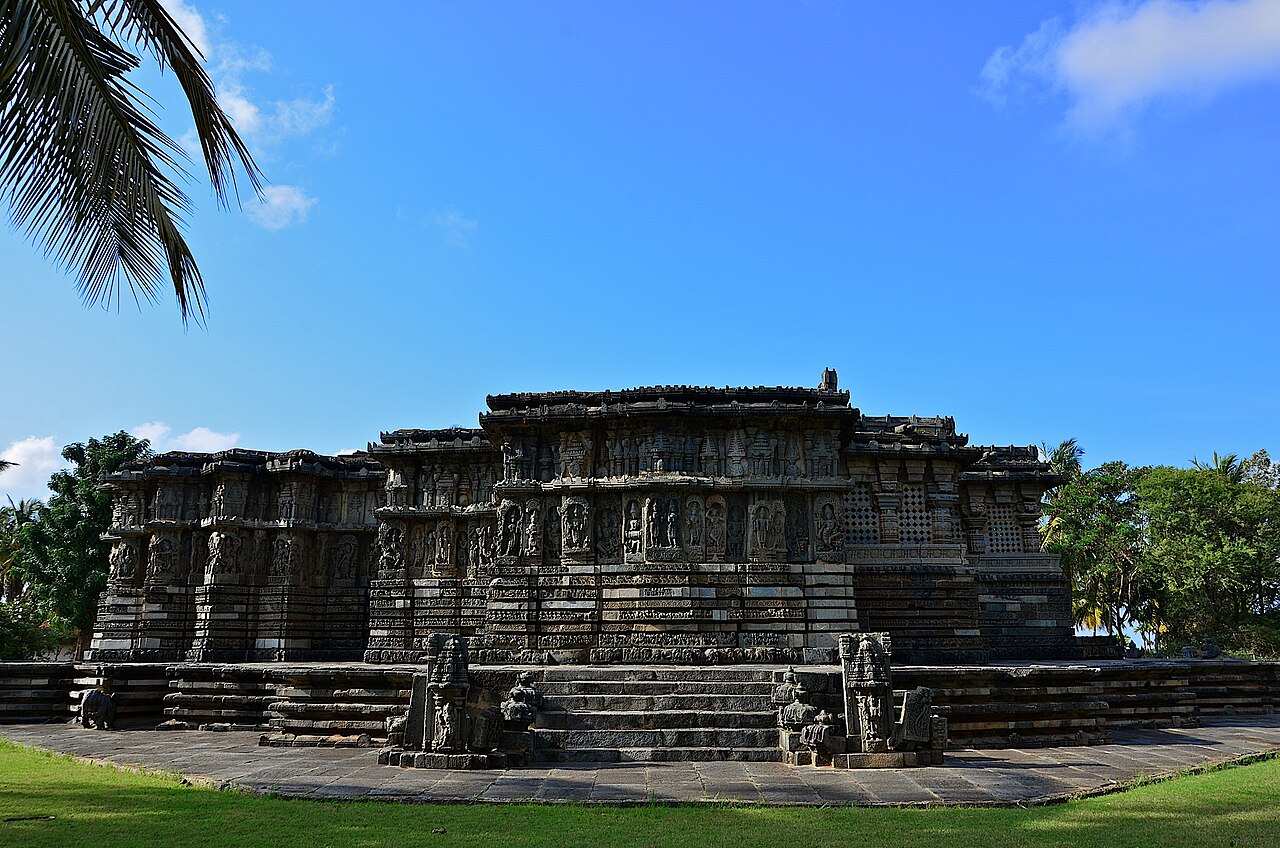
Hassan district, India
Deity: Shiva
Kedareshwara Temple is a Hoysala era construction in the historically important town of Halebidu, in the Hassan district of Karnataka state, India. It is located a short distance away from the famous Hoysaleswara Temple. The temple was constructed by Hoysala King Veera Ballala II and his Queen Ketaladevi, and the main deity is Ishwara. The temple is protected as a monument of national importance by the Archaeological Survey of India.