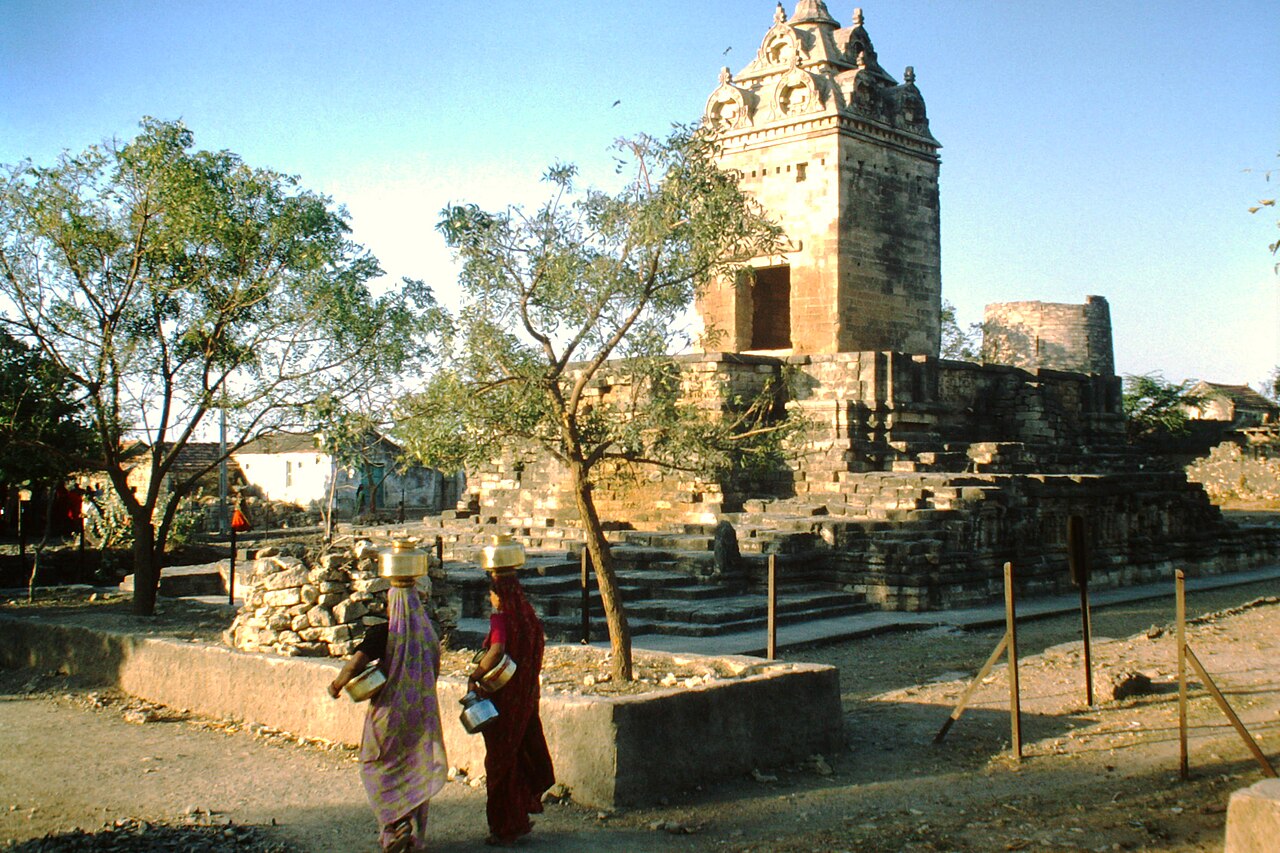
Jam Jodhpur Taluka, India
The Gop temple is a Sun temple located at Zinavari village in Jamjodhpur Taluka of Jamnagar district, Gujarat, India. The Hindu temple is dated to the 6th century and is one of the earliest surviving stone temples in Gujarat. The original temple had a square plan, a mandapa and covered circumambulation passage which are lost, and a pyramidal masonry roof which is ruined but whose partial remains have survived. The temple has a height of 23 feet (7.0 m) which includes a small tower. The roof of the tower is decorated with arch-like gavaksha window shapes below an amalaka cogged wheel-shaped crown.
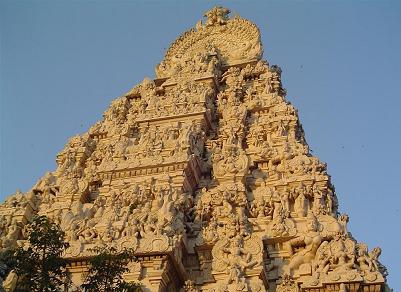
Kanchipuram district, India
The Kamakshi Amman Temple, also known as Kamakoti Nayaki Kovil, is a Hindu temple dedicated to the goddess Kamakshi, a primary aspect of Adi Shakti, the supreme goddess in Shaktism. The temple is located in the historic city of Kanchipuram, near Chennai, India.
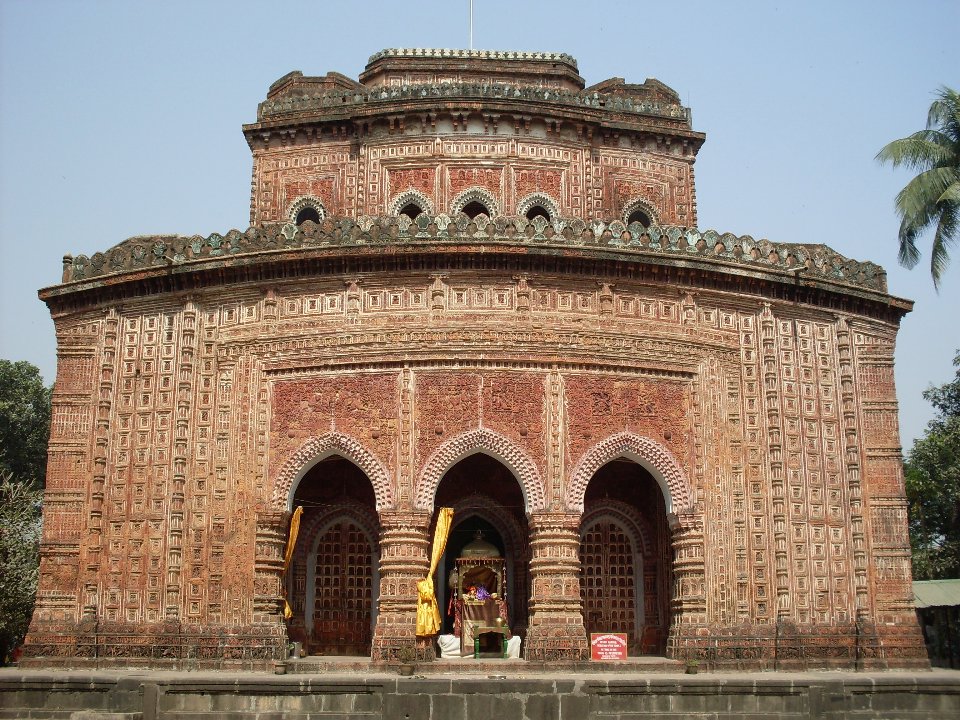
Dinajpur District, Bangladesh
Kantanagar Temple, commonly known as Kantaji Temple or Kantajew Temple at Kantanagar, is a Hindu temple in Dinajpur, Bangladesh. The temple is an 18th century religious edifice. The temple belongs to the Hindu Kanta or Krishna, and is most popular with the Rukmini-Krishna devotees in Bengal. This temple is dedicated to Krishna and his wife Rukmini. Built by Maharaja Pran Nath, its construction started in 1704 CE and ended in the reign of his son Raja Ramnath in 1752 CE. It is an example of terracotta architecture in Bangladesh and once had nine spires, but all were destroyed in an 1897 earthquake.
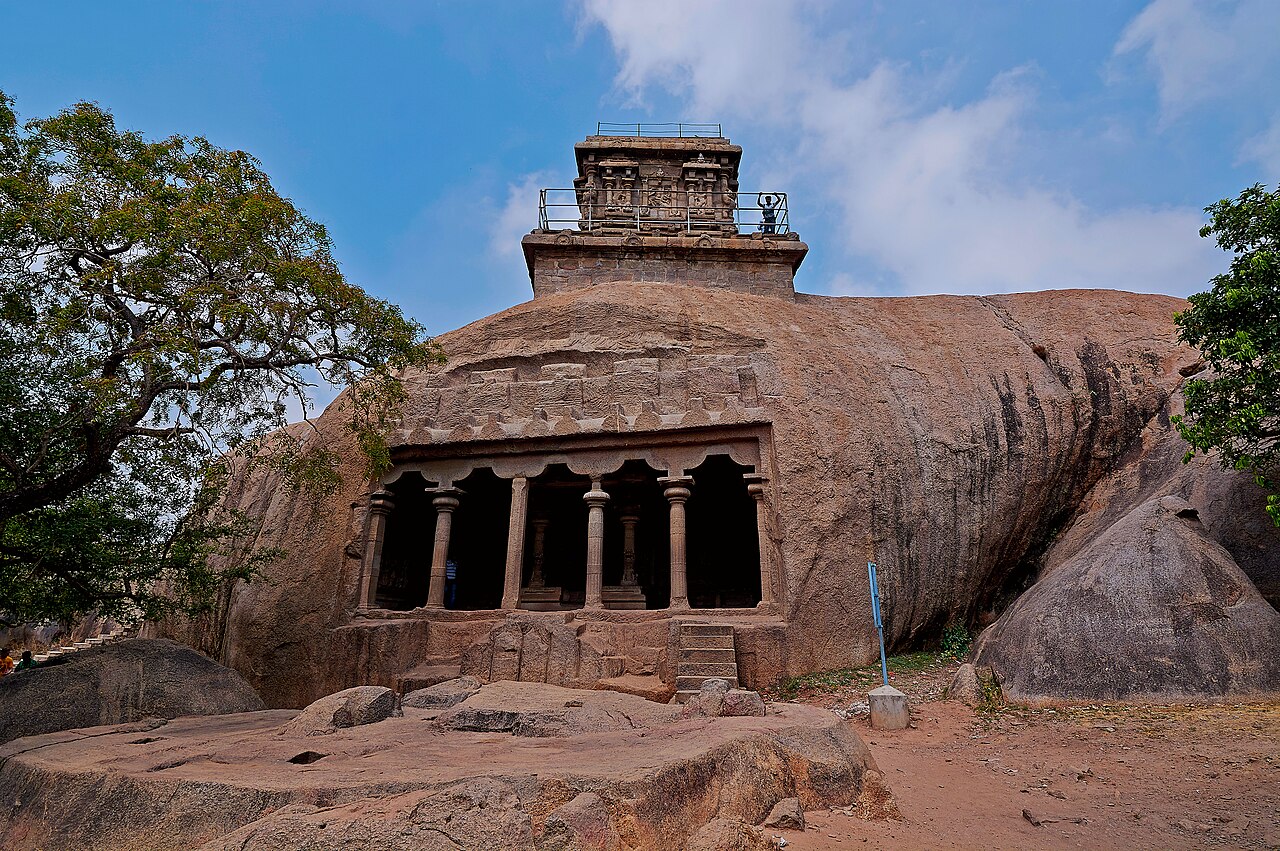
Chengalpattu district, India
Mahishasuramardhini Mandapa is an example of Indian rock-cut architecture dating from the late 7th century, of the Pallava dynasty. It is a rock-cut cave temple located on a hill, near a lighthouse, along with other caves in Mamallapuram. Mamallapuram, also popularly known as Mahabalipuram, is a small village to the south of Chennai, in the state of Tamil Nadu, India. The temple is part of the Group of Monuments at Mahabalipuram, a UNESCO World Heritage Site inscribed in 1984. This Cave Temple has many interesting architectural features of which three exquisitely carved reliefs on the cave walls of three sanctums are prominent.
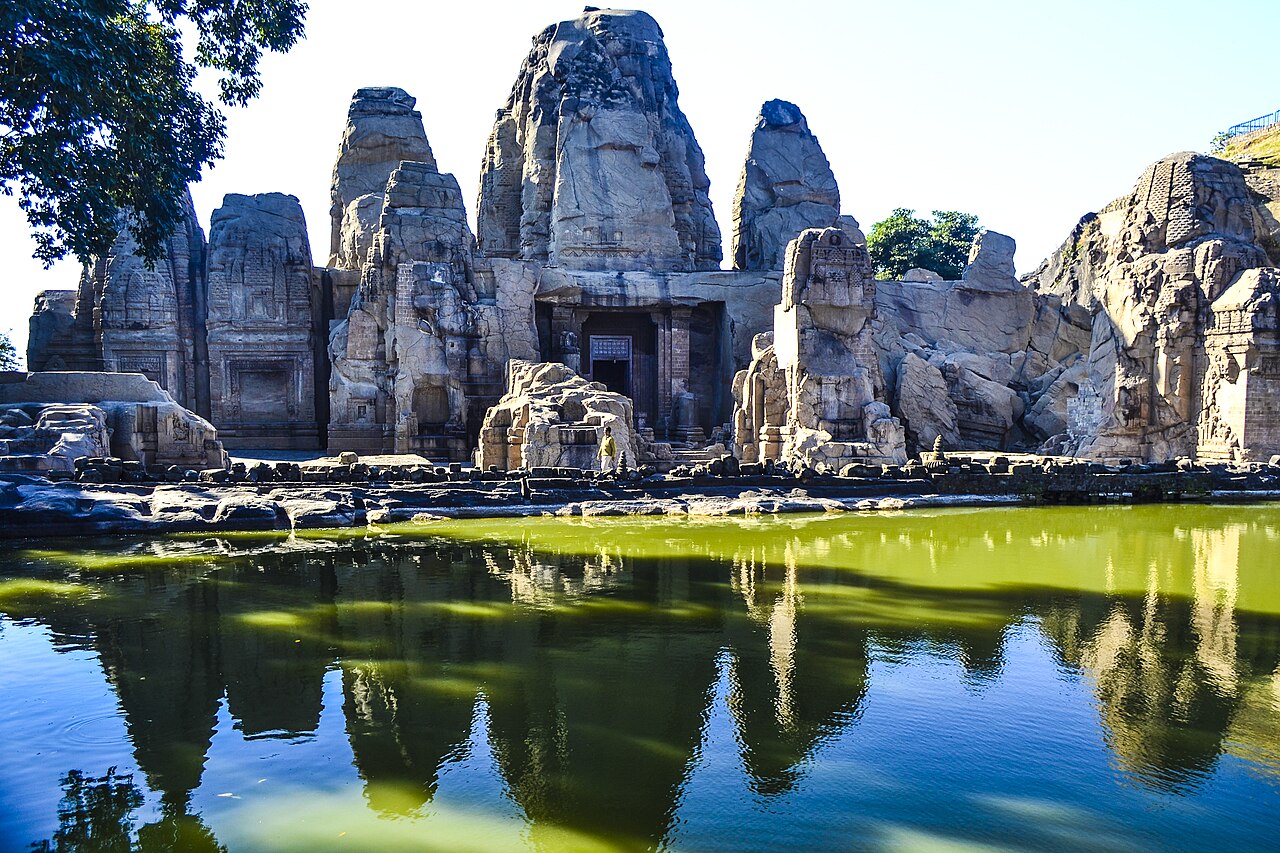
Kangra district, India
The Masrur Temples, also referred to as Masroor Temples or Rock-cut Temples at Masrur, is an early 8th-century complex of rock-cut Hindu temples in the Kangra Valley of Beas River in Himachal Pradesh, India. The temples face northeast, towards the Dhauladhar range of the Himalayas. They are a version of North Indian Nagara architecture style, dedicated to Shiva, Vishnu, Devi and Saura traditions of Hinduism, with its surviving iconography likely inspired by a henotheistic framework.
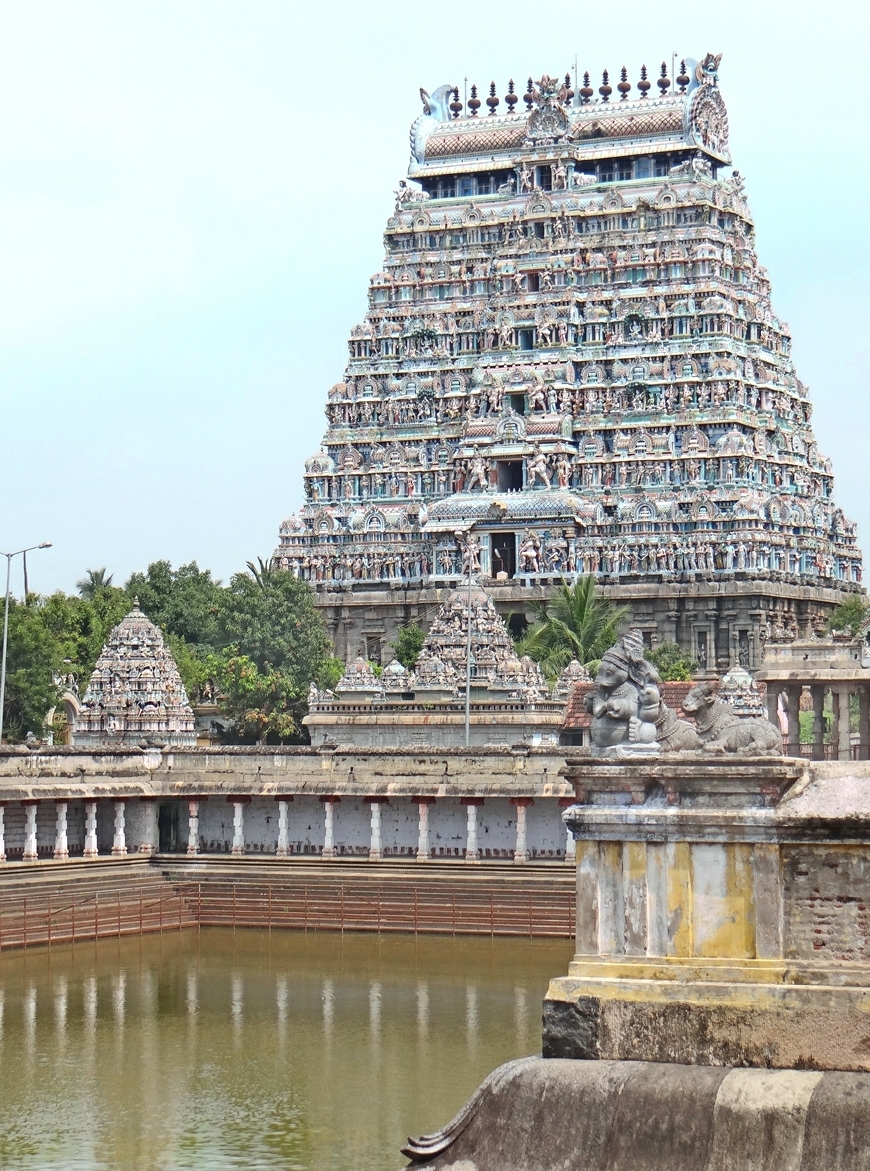
Chidambaram, India
Thillai Nataraja Temple, also referred as the Chidambaram Nataraja Temple, is a Hindu temple dedicated to Nataraja, the form of Shiva as the lord of dance. This temple is located in Chidambaram, Tamil Nadu, India. This temple has ancient roots and a Shiva shrine existed at the site when the town was known as Thillai. Chidambaram, the name of the city literally means "stage of consciousness". The temple is commonly called "Kovil" in Tamil Shaivism Tradition. The architecture symbolizes the connection between the arts and spirituality, creative activity and the divine.
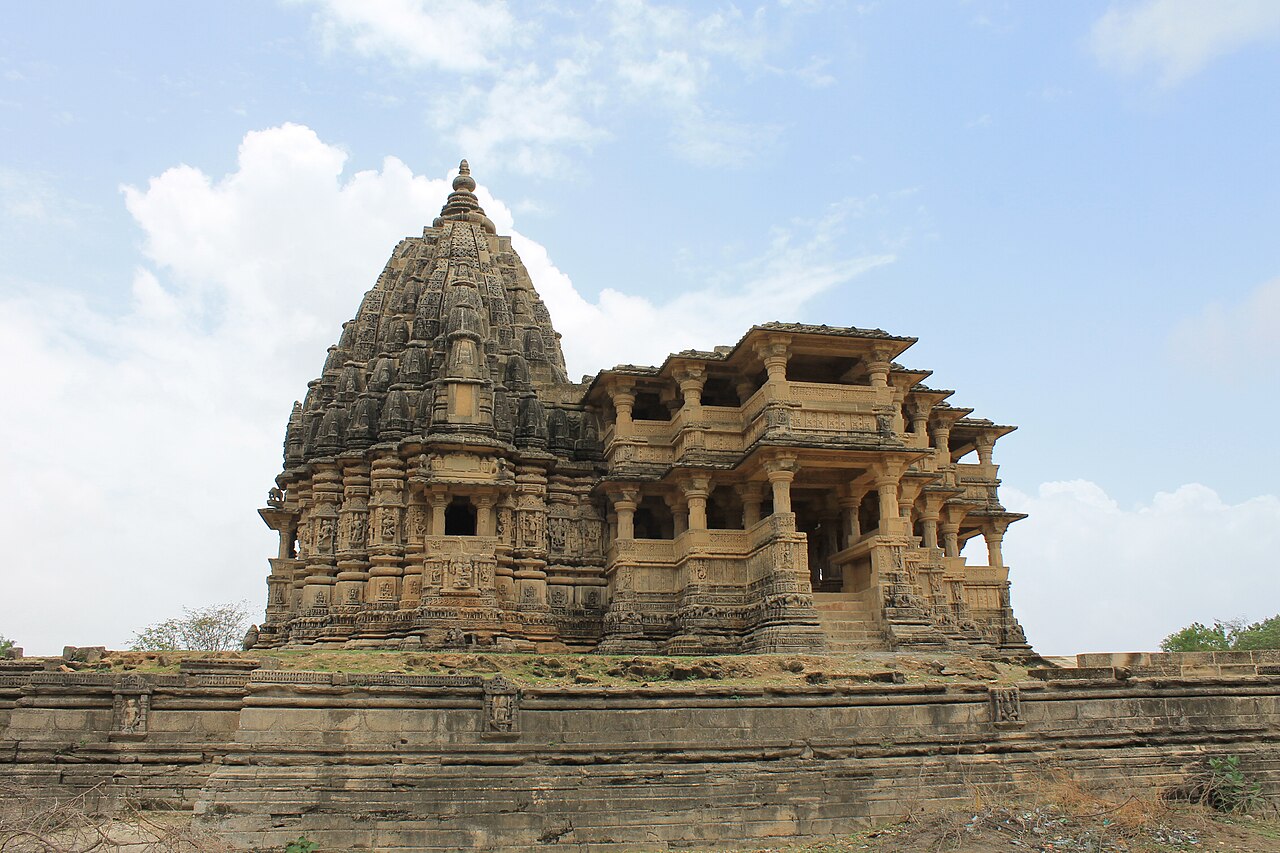
Devbhumi Dwarka district, India
Navlakha Temple at Ghumli, Gujarat, India, is a 12th Century Sun temple built by Jethwa dynasty rulers.
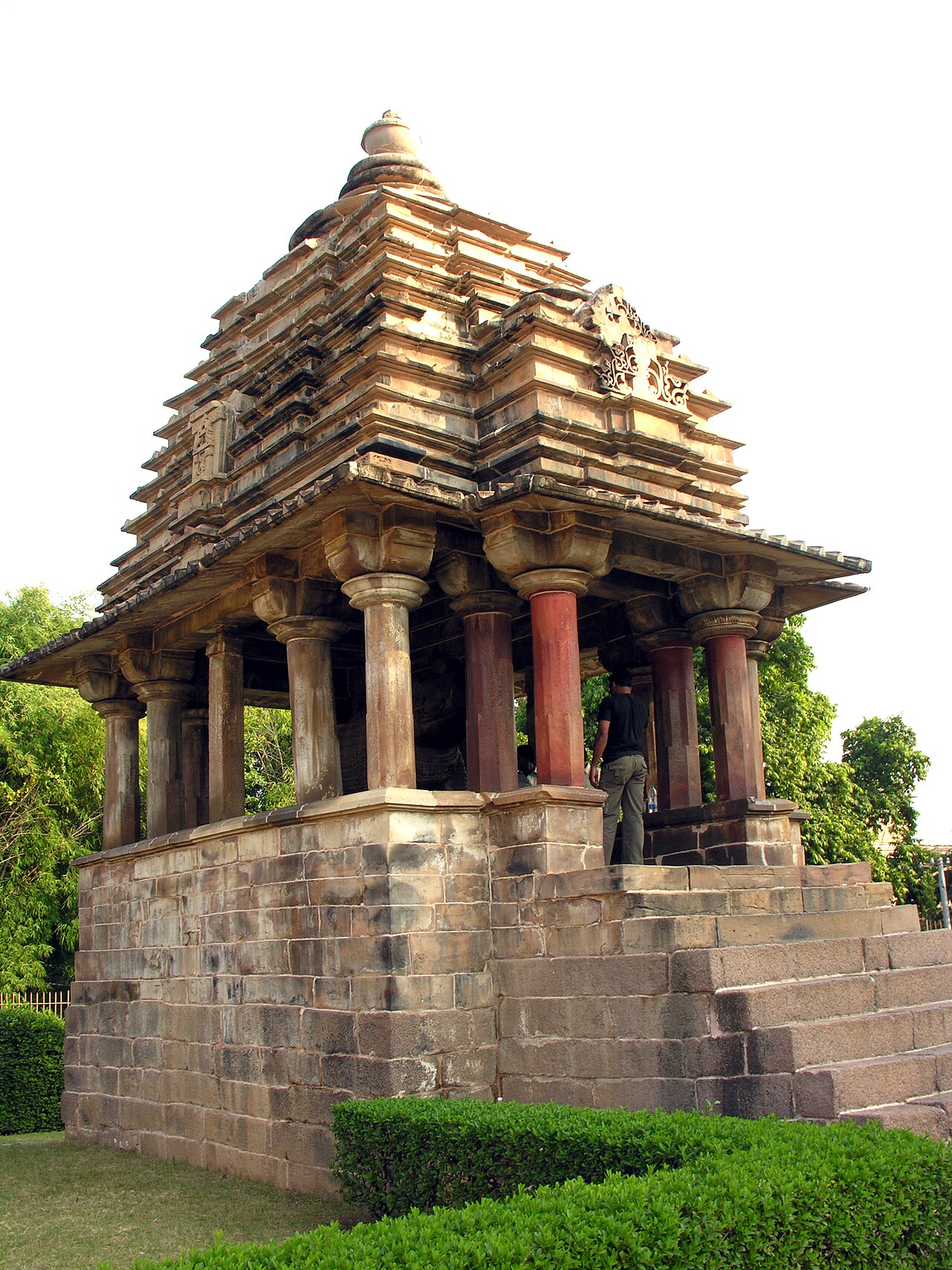
Chhatarpur district, India
The Varaha Temple at Khajuraho enshrines a colossal monolithic image of Varaha, the boar avatar of the Hindu god Vishnu. This temple depicts Varaha as a purely animal form. The temple is located in the Western Group of Temple Complex Khajuraho Group of Monuments, a World Heritage Site inscribed by UNESCO in 1986 because of its outstanding architecture and testimony to the Chandela dynasty. Khajuraho is a small village in Chattarpur District of Madhya Pradesh, India.
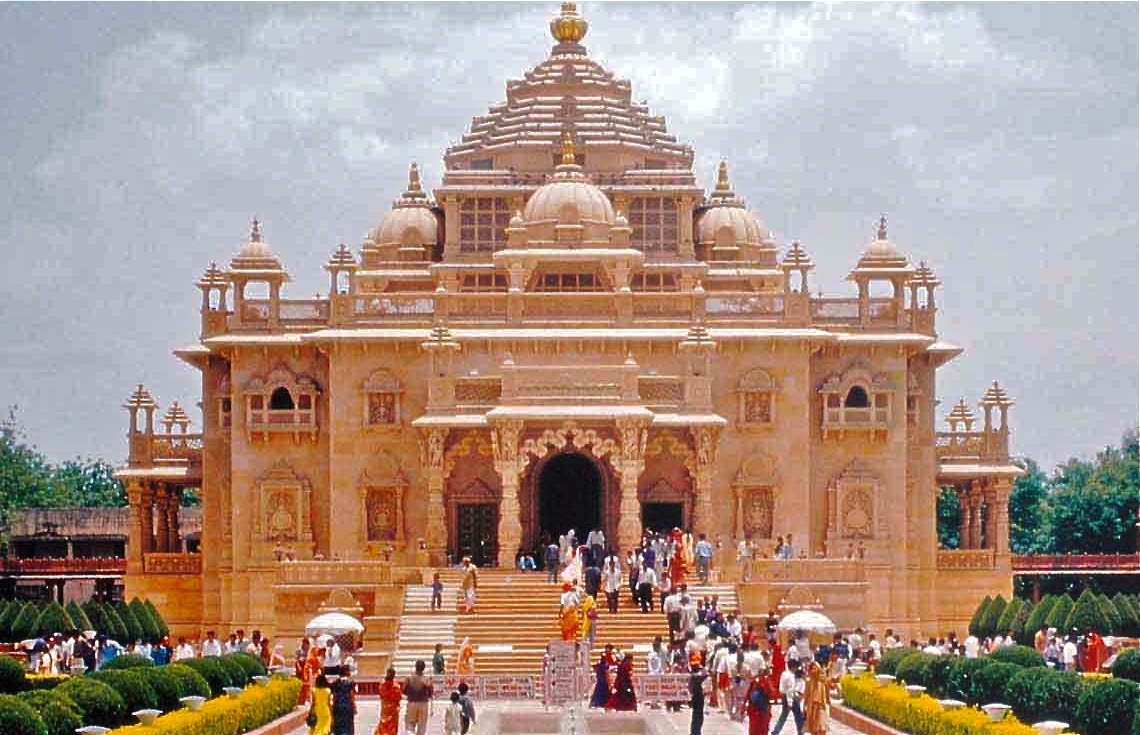
Gandhinagar, India
Founded: 1992
Swaminarayan Akshardham in Gandhinagar, Gujarat, India is a large Hindu temple complex inspired by Yogiji Maharaj (1892–1971) the fourth spiritual successor of Swaminarayan, and created by Pramukh Swami Maharaj (1921–2016), the fifth spiritual successor of Swaminarayan according to the BAPS denomination of Swaminarayan Hinduism. The complex was built over 13 years and is a tribute to Swaminarayan and his life and teachings. At the center of the 23-acre complex is the Akshardham temple, which is built from 6,000 metric tons of pink sandstone from Rajasthan.
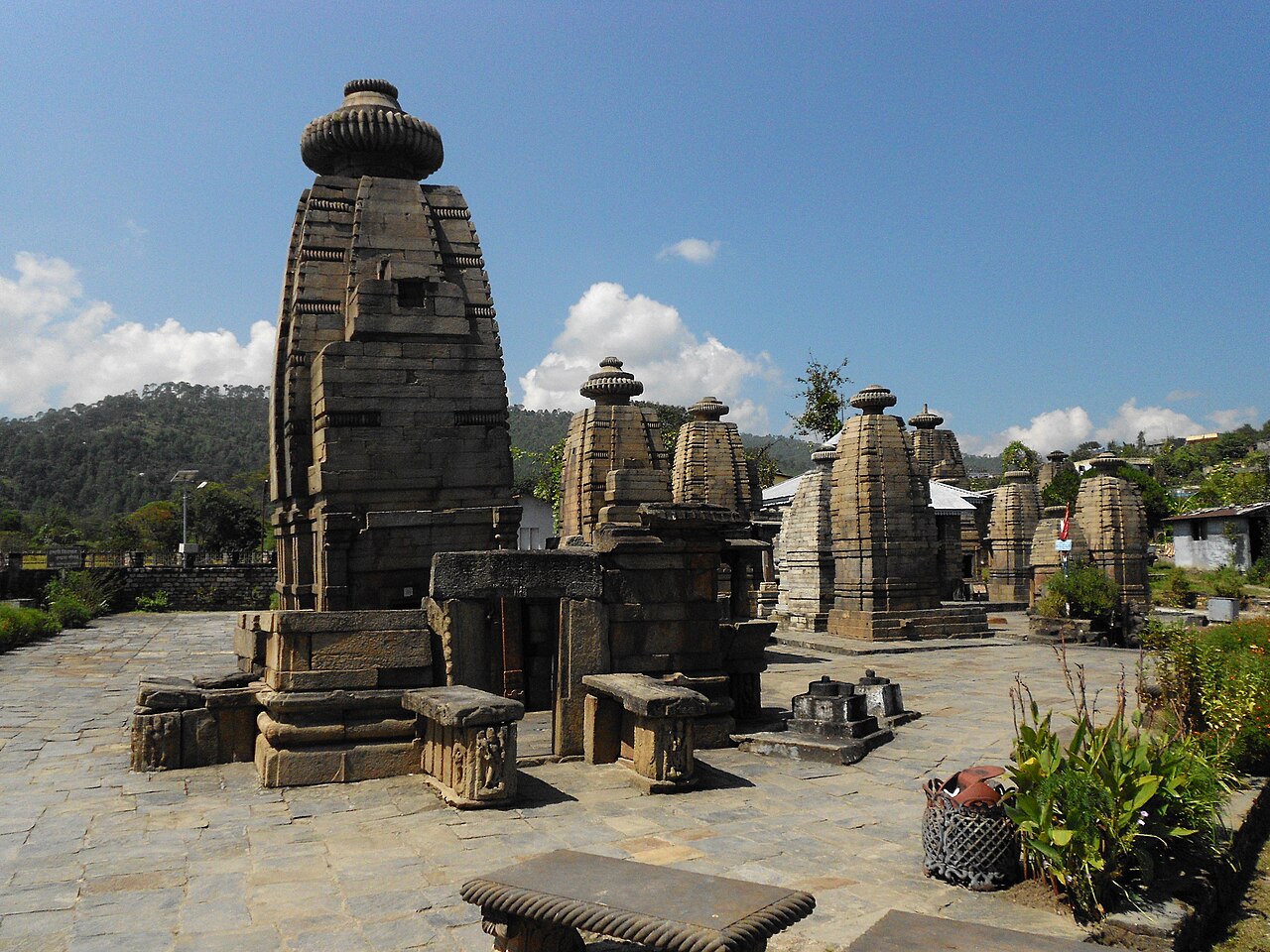
Bageshwar district, India
Deity: Shiva
Baijnath Temple Complex is a cluster of 18 Hindu temples which are situated in the town of Baijnath in Uttarakhand, India. The complex is located in Bageshwar district along the banks of Gomati river at an elevation of 1,125 m (3,691 ft) above the mean sea level. These temples are renowned for possibly being one of the very few temples in the world where Parvati is depicted with her husband Shiva. Pilgrims arrive here on occasion of Shivratri and Makar Sankranti.
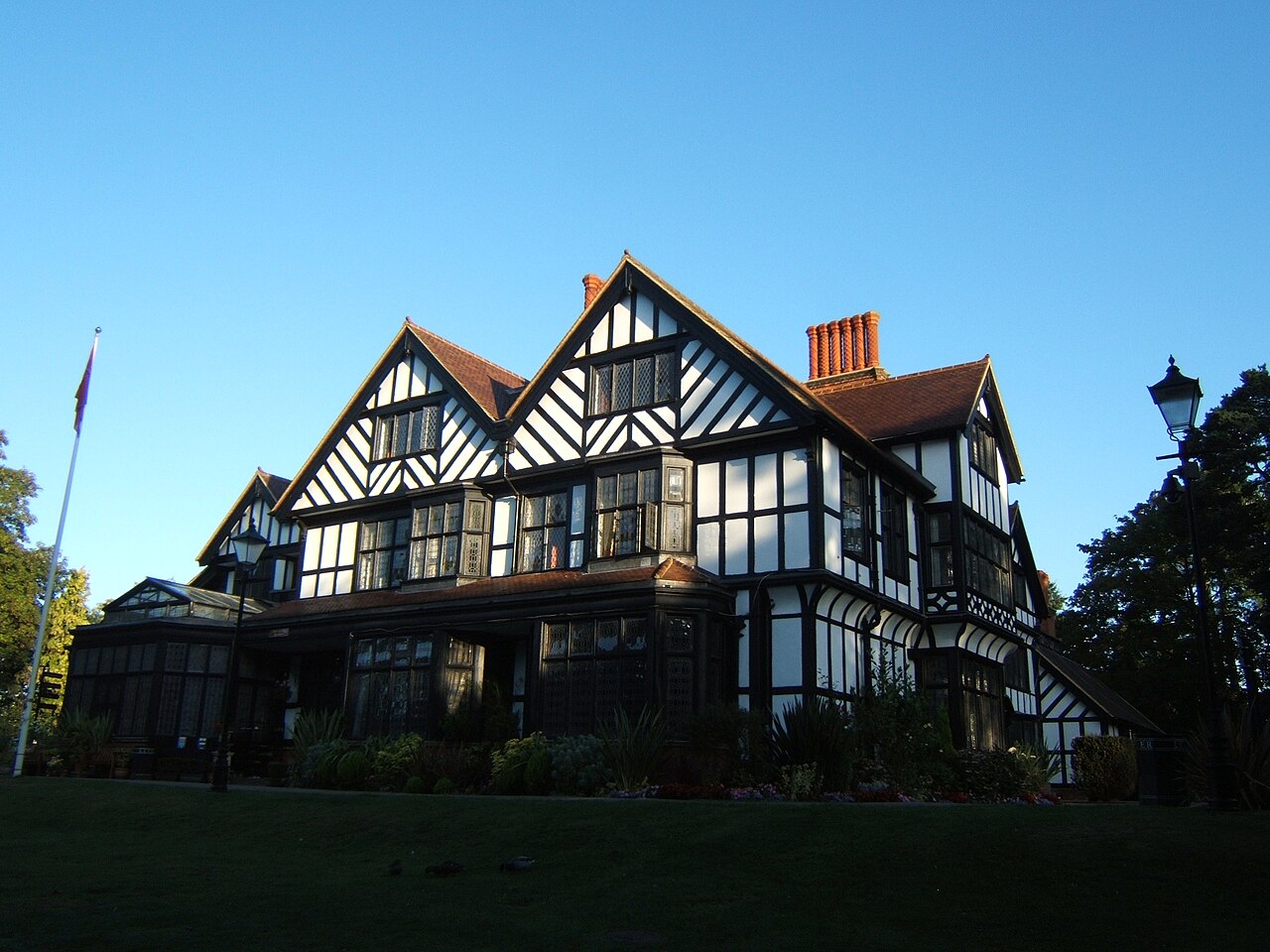
Aldenham, United Kingdom
Founded: 1883
Bhaktivedanta Manor is a Gaudiya Vaishnava Hindu temple set in the Hertfordshire countryside of England, in the village of Letchmore Heath near Watford. The Manor is owned and run by the International Society for Krishna Consciousness (ISKCON), better known as the Hare Krishna movement. It is ISKCON's largest property in the United Kingdom, and one of the most frequently visited Radha Krishna temples in Europe. The house is listed Grade II on the National Heritage List for England.
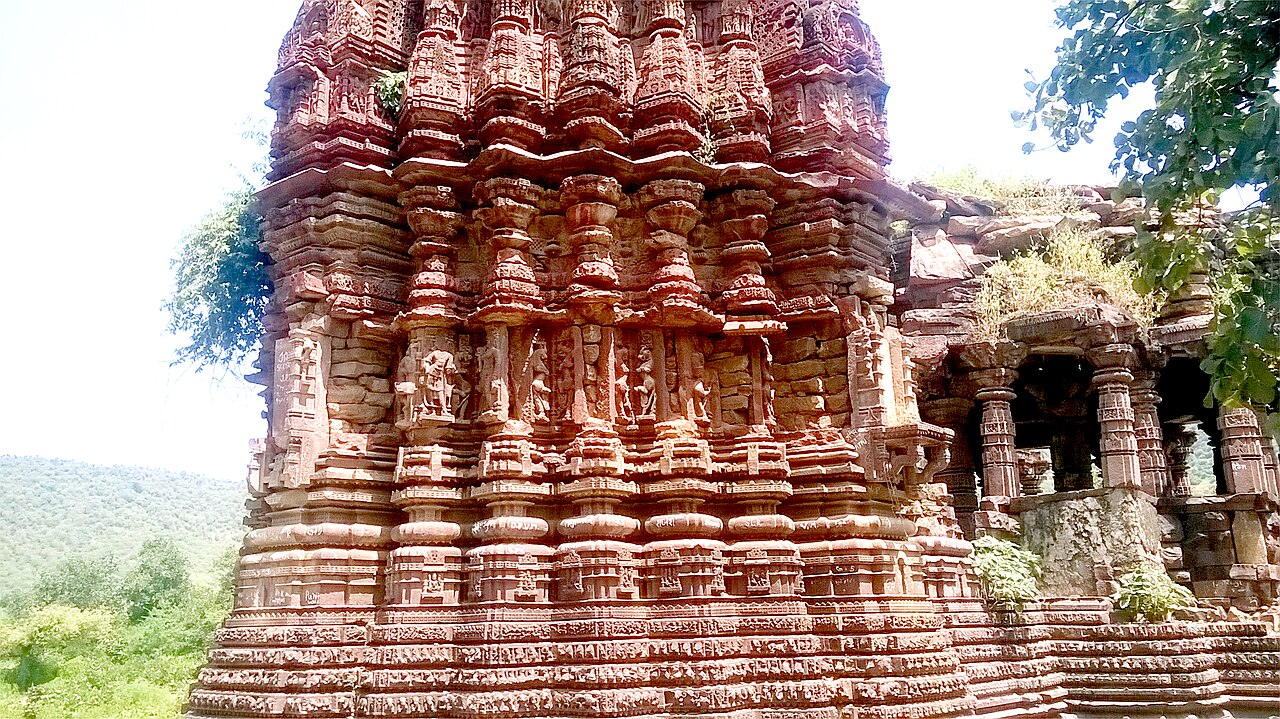
Baran district, India
Deity: Shiva
Bhand Deva Temple or Bhand Devara Temple, also known as Little Khajuraho as the 18th century main Hindu temple is built in the style of Khajuraho Group of Monuments, is a temple complex with one main shiva temple and two cave temples further uphill. It is on the banks of a meteor impact crater lake inside the 4 km wide Ramgarh crater about 40 km from the city of Baran, Rajasthan. It is located near Ramgarh village, between Mangrol 15 km to its west and Kuno National Park to its immediate East, in Mangrol tehsil of Baran district of Eastern Rajasthan.
Kolar district, India
Deity: Shiva
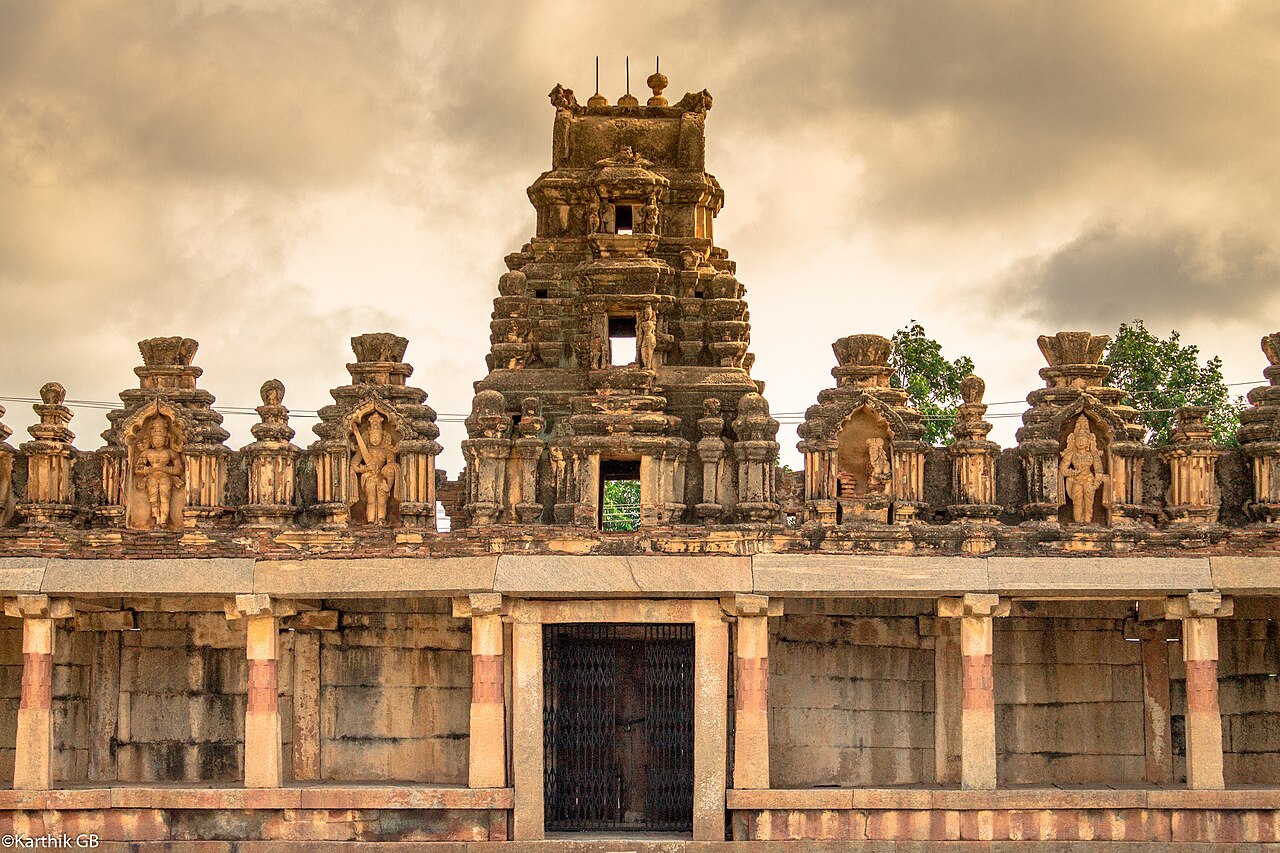
Bhoganandiswara Temple and Arunachaleswara Temple are a twin Hindu temples complex located in Nandi village in Chikkaballapur district of Karnataka, India. Ornate, beautifully carved and dedicated to Shiva, they have been variously dated between the 9th- to 10th-century CE.
Tonk district, India
Deity: Shiva
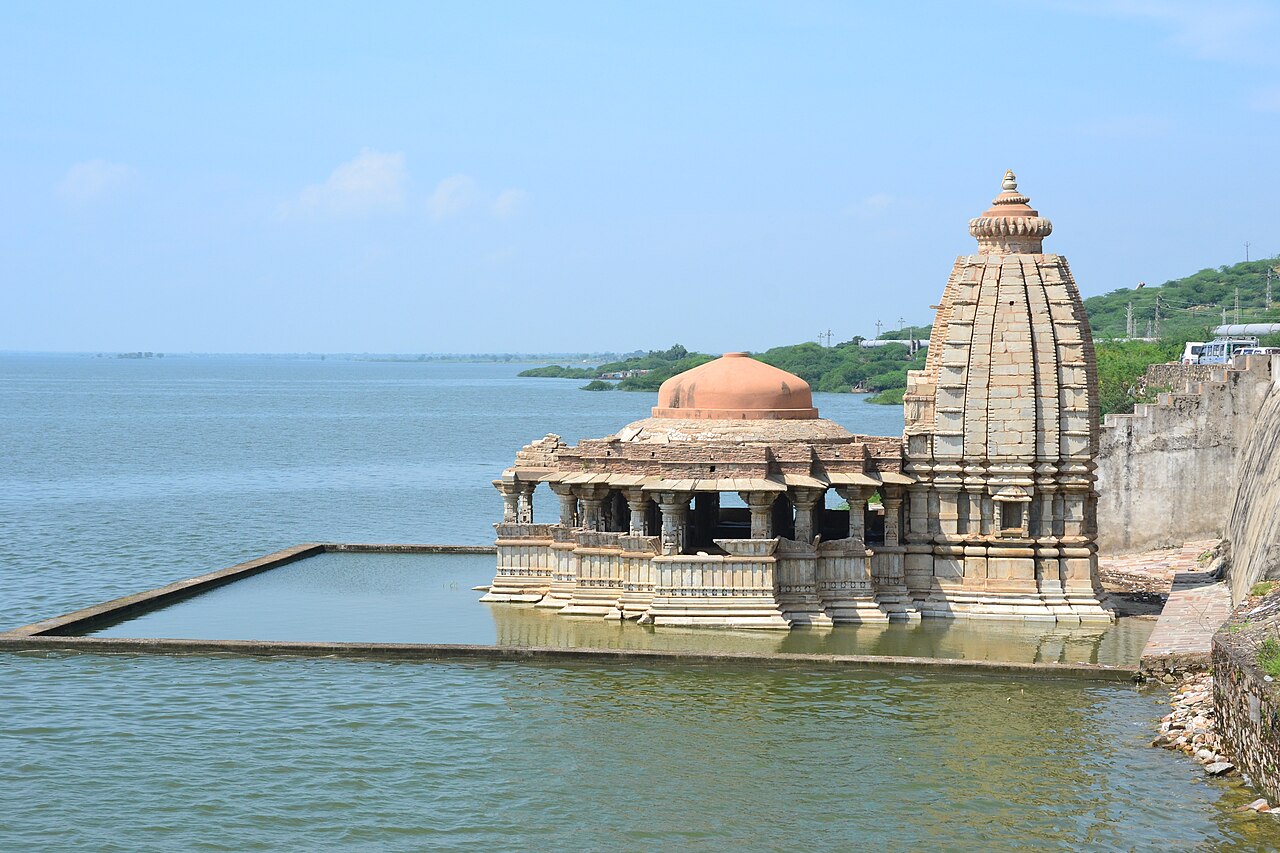
Bisaldeo temple, also known as Bisaldev temple or Bisal Deoji's temple, is a Hindu temple in Bisalpur, India. It is located beside the Bisalpur Dam on the Banas River, in the Tonk district of Rajasthan state. The temple is dedicated to Gokarneshvara, an aspect of Shiva. A Monument of National Importance, it was commissioned by the 12th century Chahamana ruler Vigraharaja IV, who is also known as Bisal Deo.
Karanganyar, Indonesia
Founded: 1500
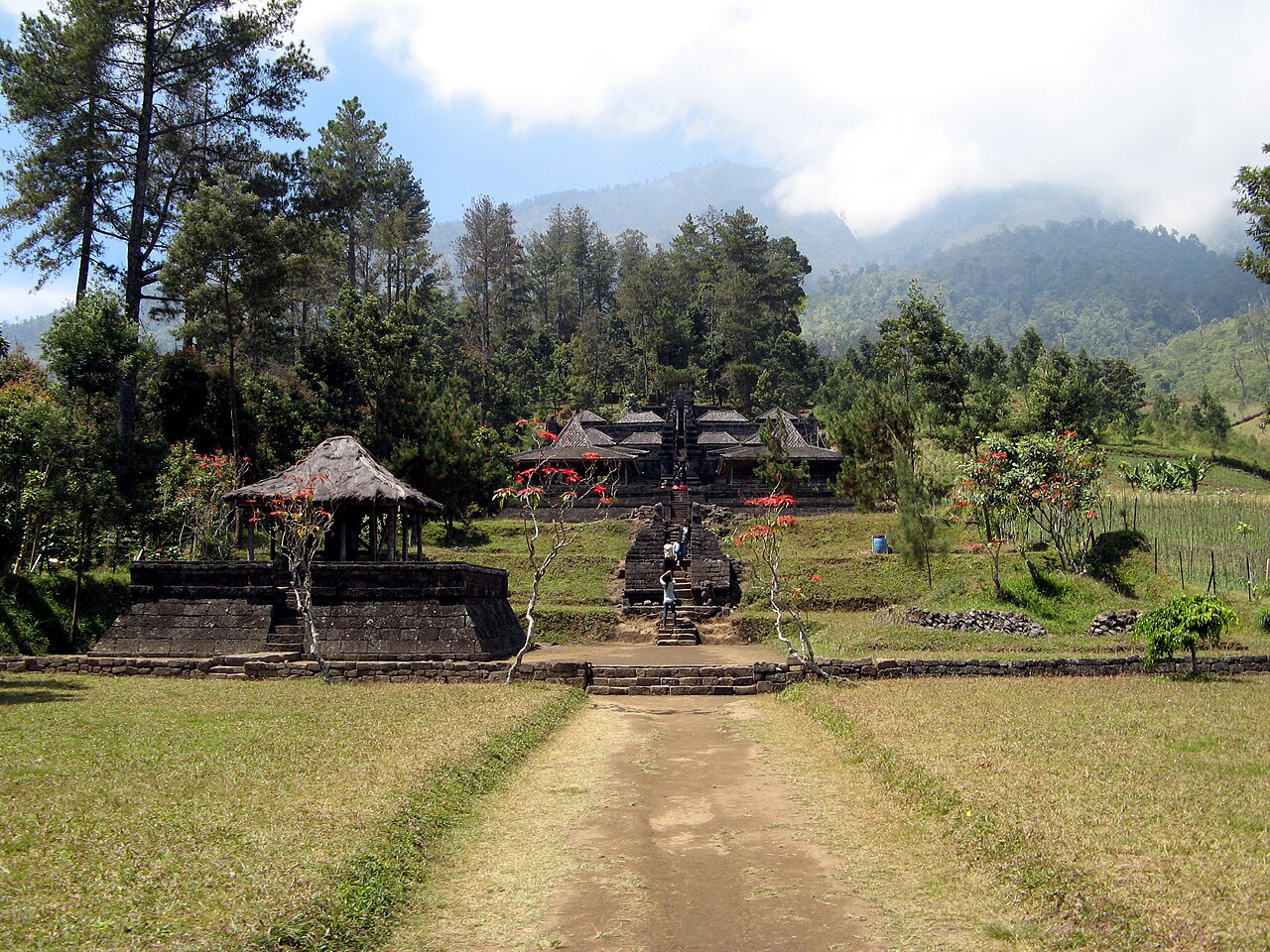
The Ceto is a fifteenth-century Javanese-Hindu temple that is located on the western slope of Mount Lawu on the border between Central and East Java provinces.
Galateshwar Taluka, India
Deity: Shiva
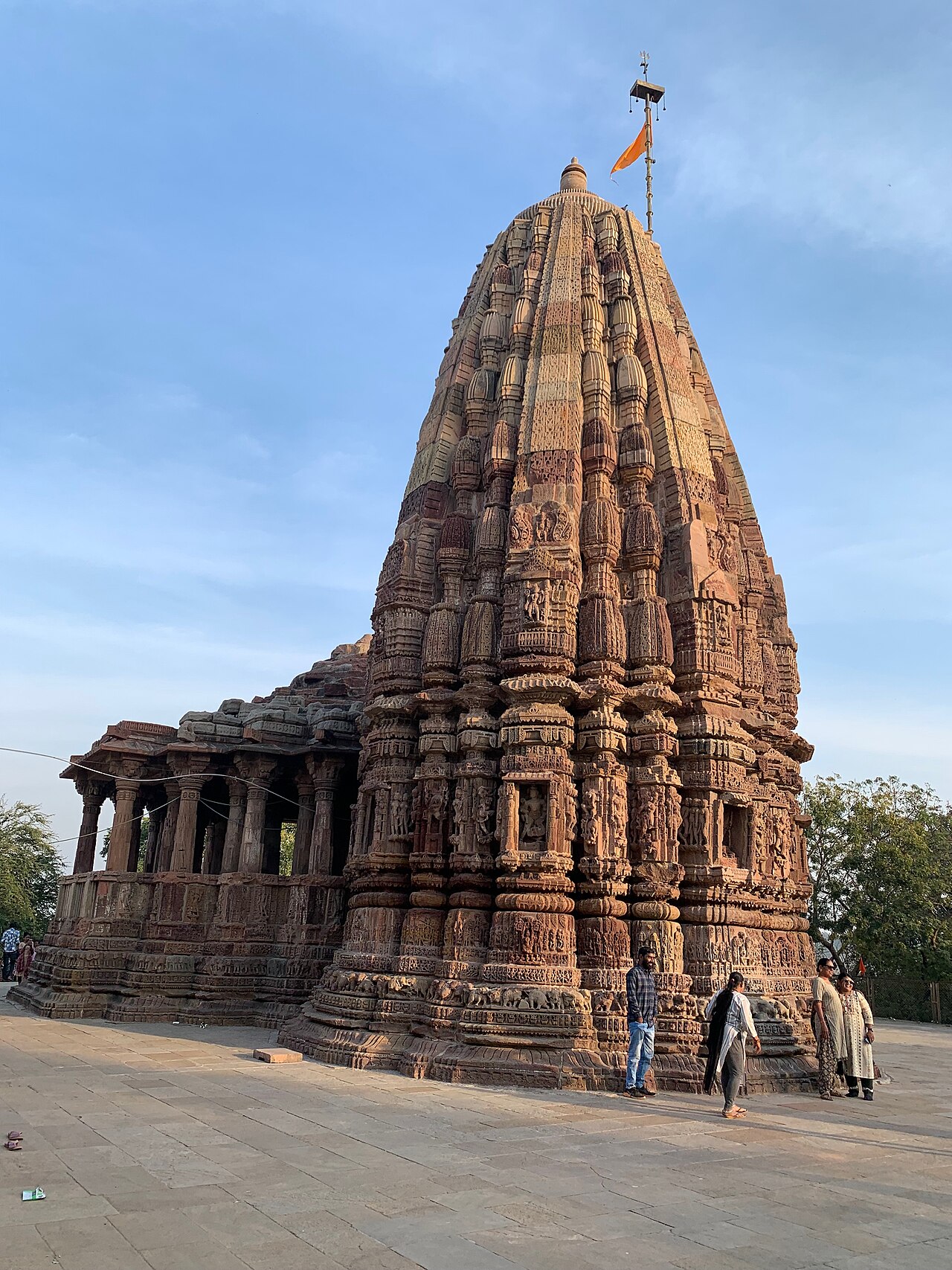
The Galteshwar is a Hindu temple dedicated to Shiva, located at Sarnal village near Dakor in Kheda district, Gujarat, India. The 12th century temple is unique in its style and of its period because it is built in central Indian Malwa style, bhumija, without influence of Paramara architecture and with influence of Gujarati Chaulukya architecture. It has a square garbhagriha as well as octagonal mandapa.
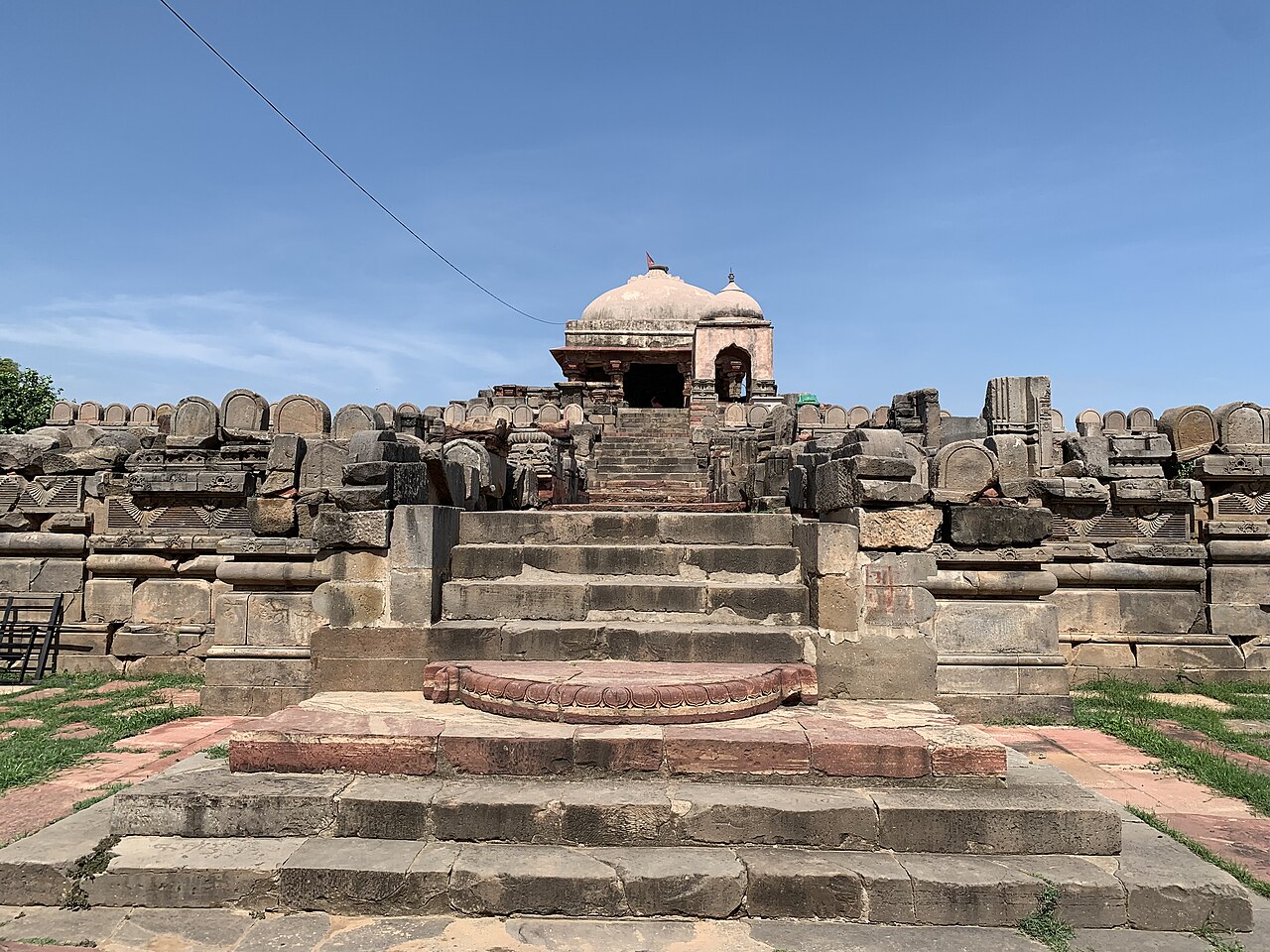
Dausa district, India
Deity: Devi
The Harshat Mata Temple is a Hindu temple in the Abhaneri village of Rajasthan, in north-western India. The temple is dedicated to a goddess named Harshat Mata, although some art historians theorize it was initially a Vaishnavite shrine.
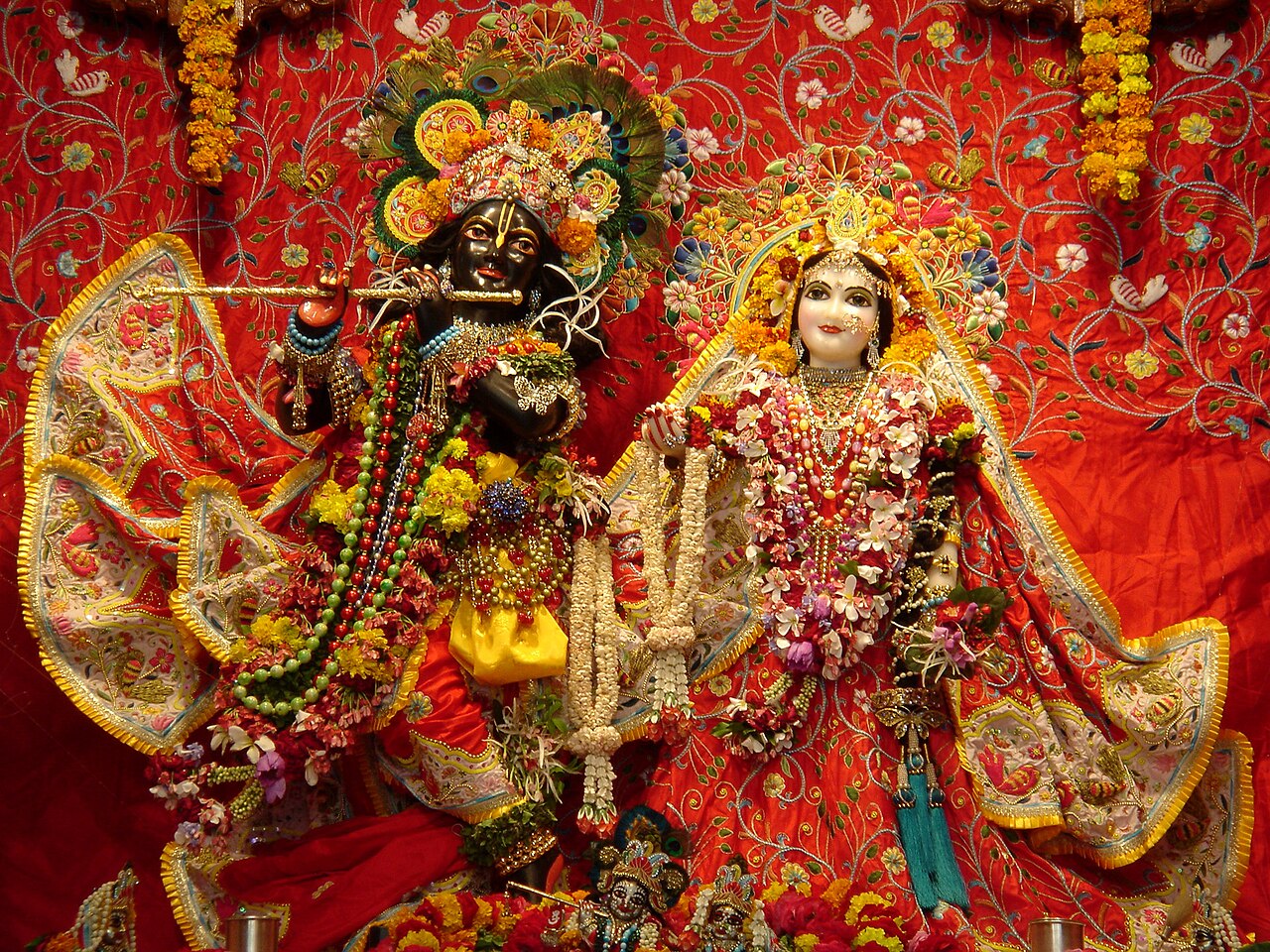
Vrindavan, India
Founded: 1975
ISKCON Vrindavan, also called Sri Krishna Balaram Mandir, is one of the major ISKCON temples in the world. It is a Gaudiya Vaishnava temple located in the city of Vrindavan, Mathura district, in the Indian state of Uttar Pradesh. The temple is dedicated to the Hindu gods Krishna and Balarama. The other deities of temple are Radha Krishna and Gauranga Nityananda.
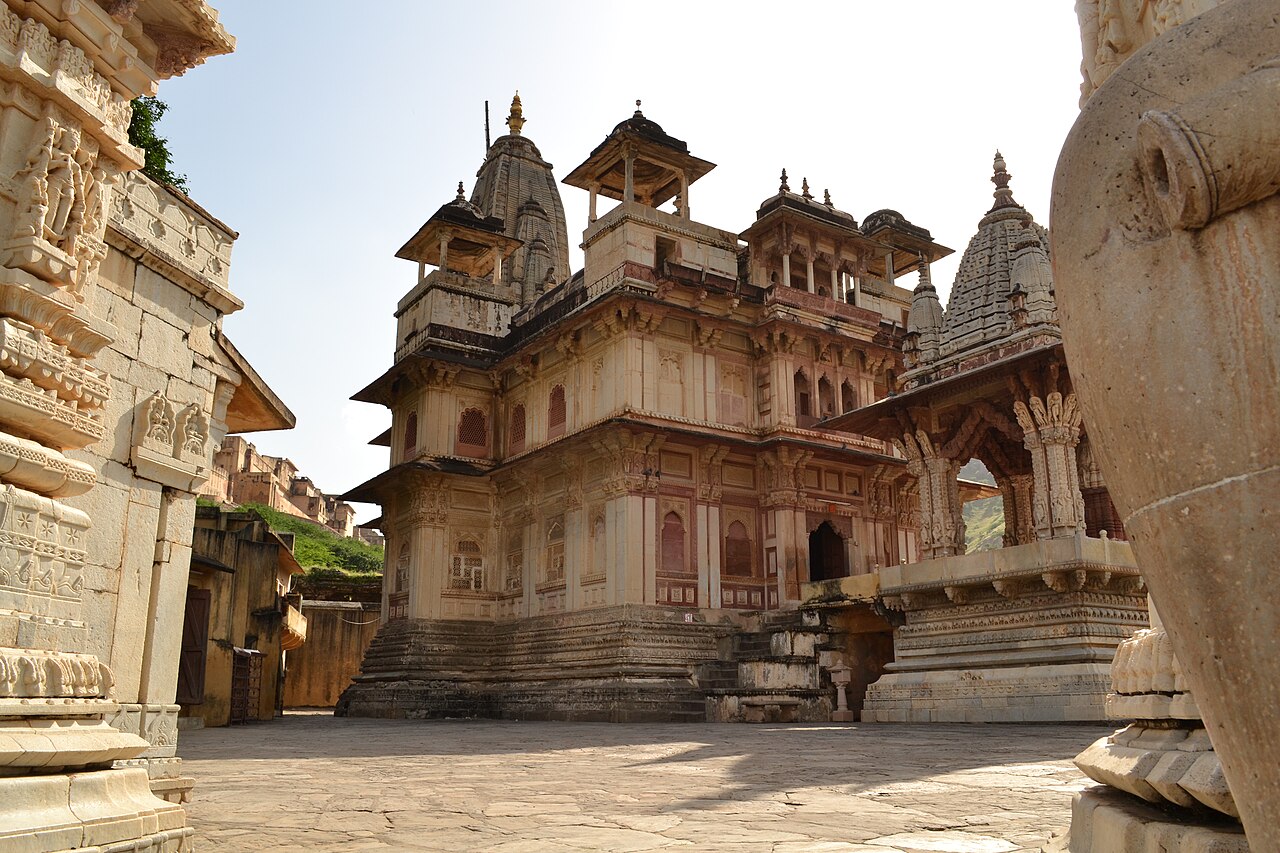
Jaipur district, India
Founded: 1608
Jagat Shiromani Temple is a 17th-century Hindu temple situated in the town of Amer, near Jaipur in the Indian state of Rajasthan. The temple is unique for being dedicated to Lord Krishna, Meera Bai, and Vishnu. It is one of the few temples in India where Meera Bai, the poet-saint of the Bhakti movement, is enshrined alongside Lord Krishna.
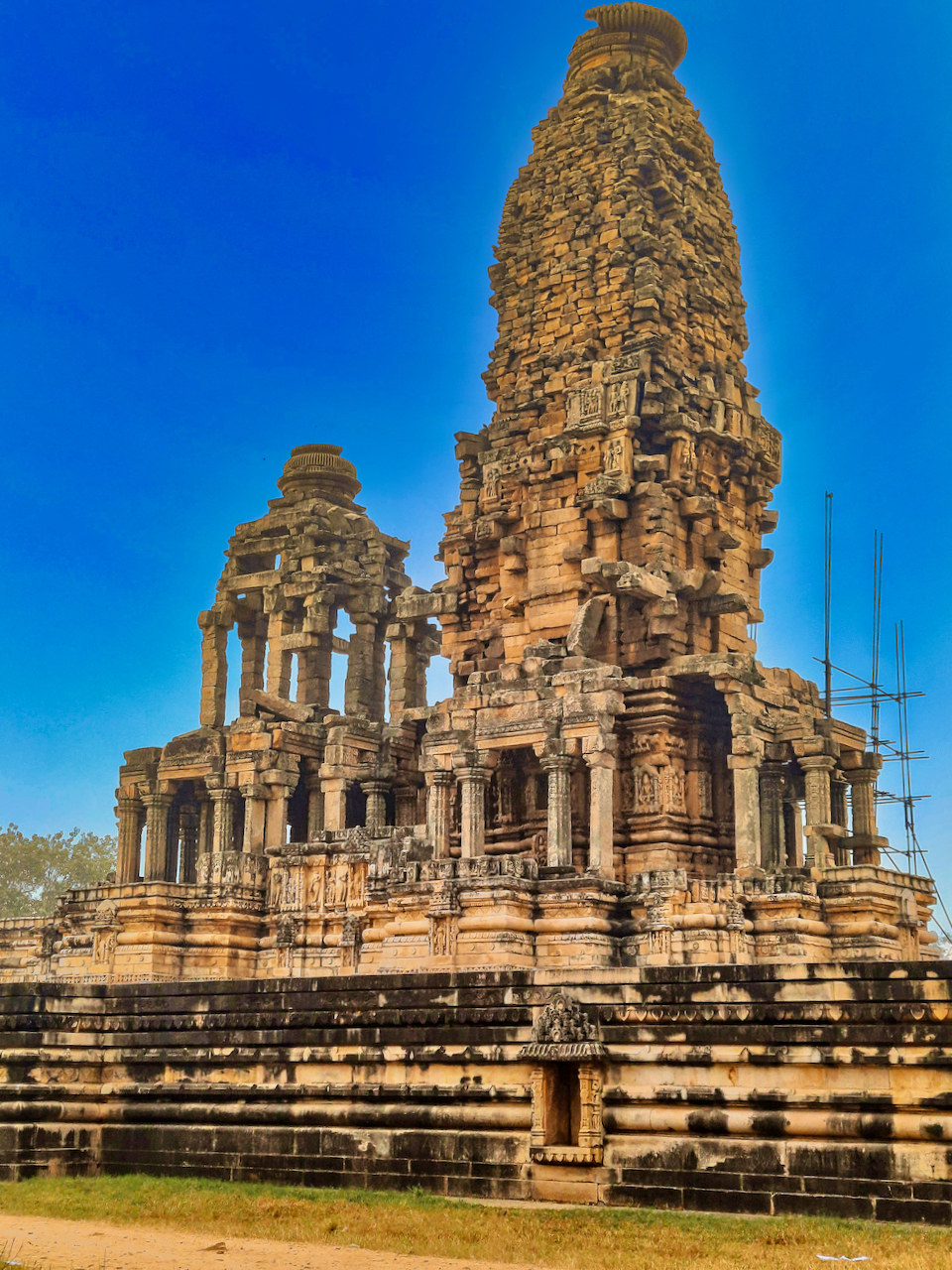
Sihoniya, India
Deity: Shiva
Kakanmaṭh is a ruined 11th century Shiva temple located at Sihoniya in Madhya Pradesh, India. It was built by the Kachchhapaghata ruler Kirttiraja. Only a part of the original temple complex now survives. Some of the sculptures from the site are now located at Gwalior.
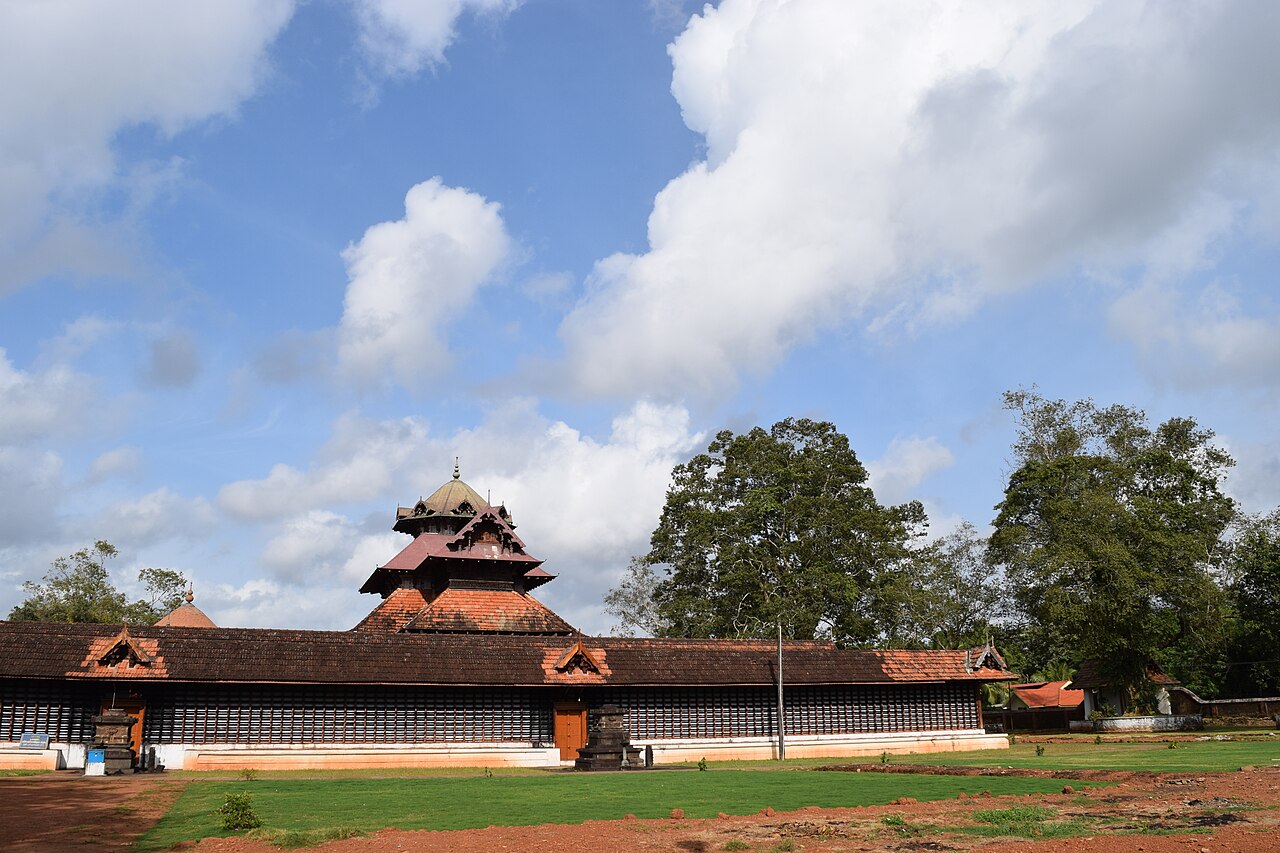
Thrissur district, India
Deity: Shiva
Peruvanam Mahadev Temple is a Shiva Temple situated in Peruvanam of Thrissur District, Kerala, India. The temple is said to be in existence with the origin of Kerala and the advent of Parashurama. It is one among the famous 108 Shiva temples in Kerala, and is the main temple of the old time Peruvanam village. It is surrounded by Bhadrakali and Subramanya temples on the west, a Sastha temple on the north, a Vishnu temple on the east and a Durga temple on the south.
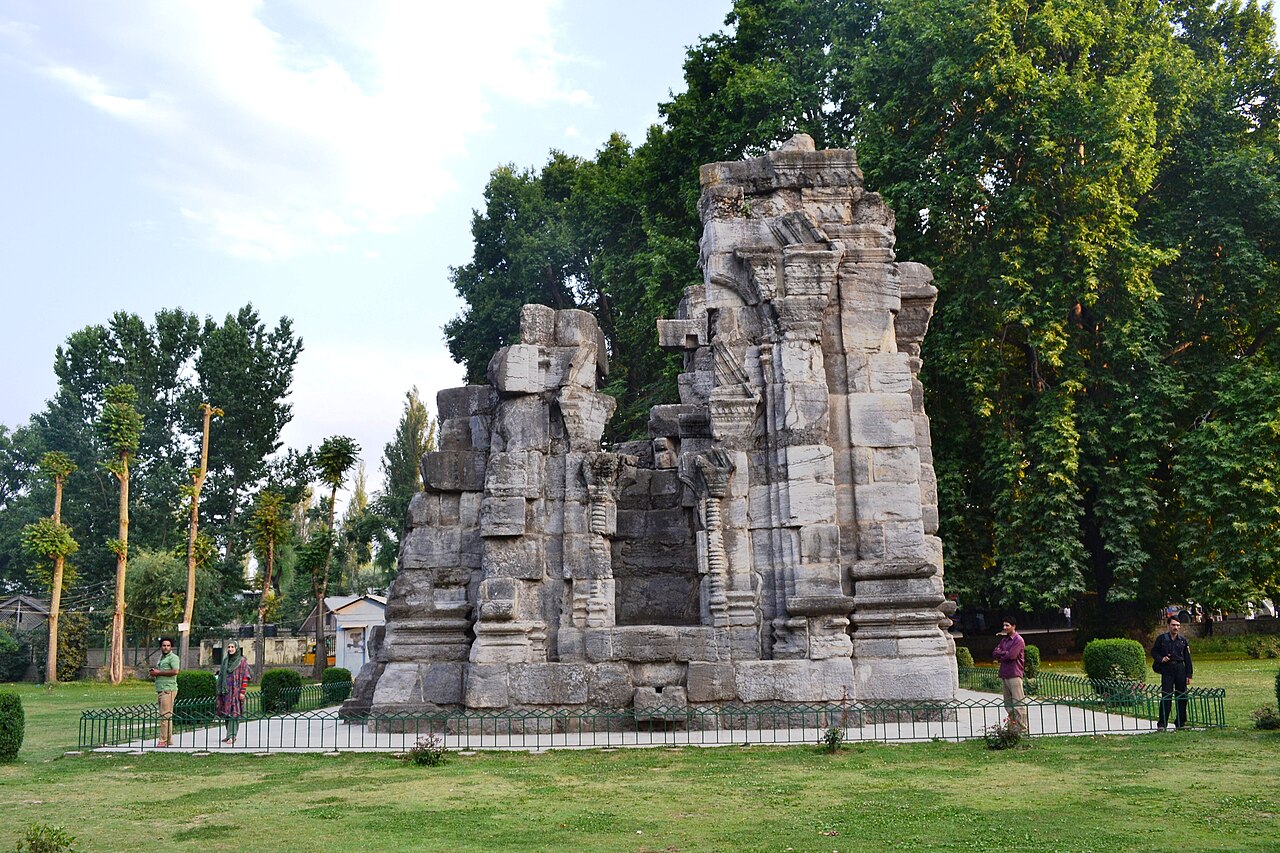
Baramulla district, India
Deity: Shiva
The Shankaragaurishvara Temple is a 9th century Hindu temple attributed to the Utpala dynasty. The temple is dedicated to the Hindu god, Shiva and located in Pattan, in the Baramulla district of Jammu and Kashmir, India. The temple was built by king Shankaravarman of the Utpala dynasty of Kashmir, who ruled between 883 and 902 AD.
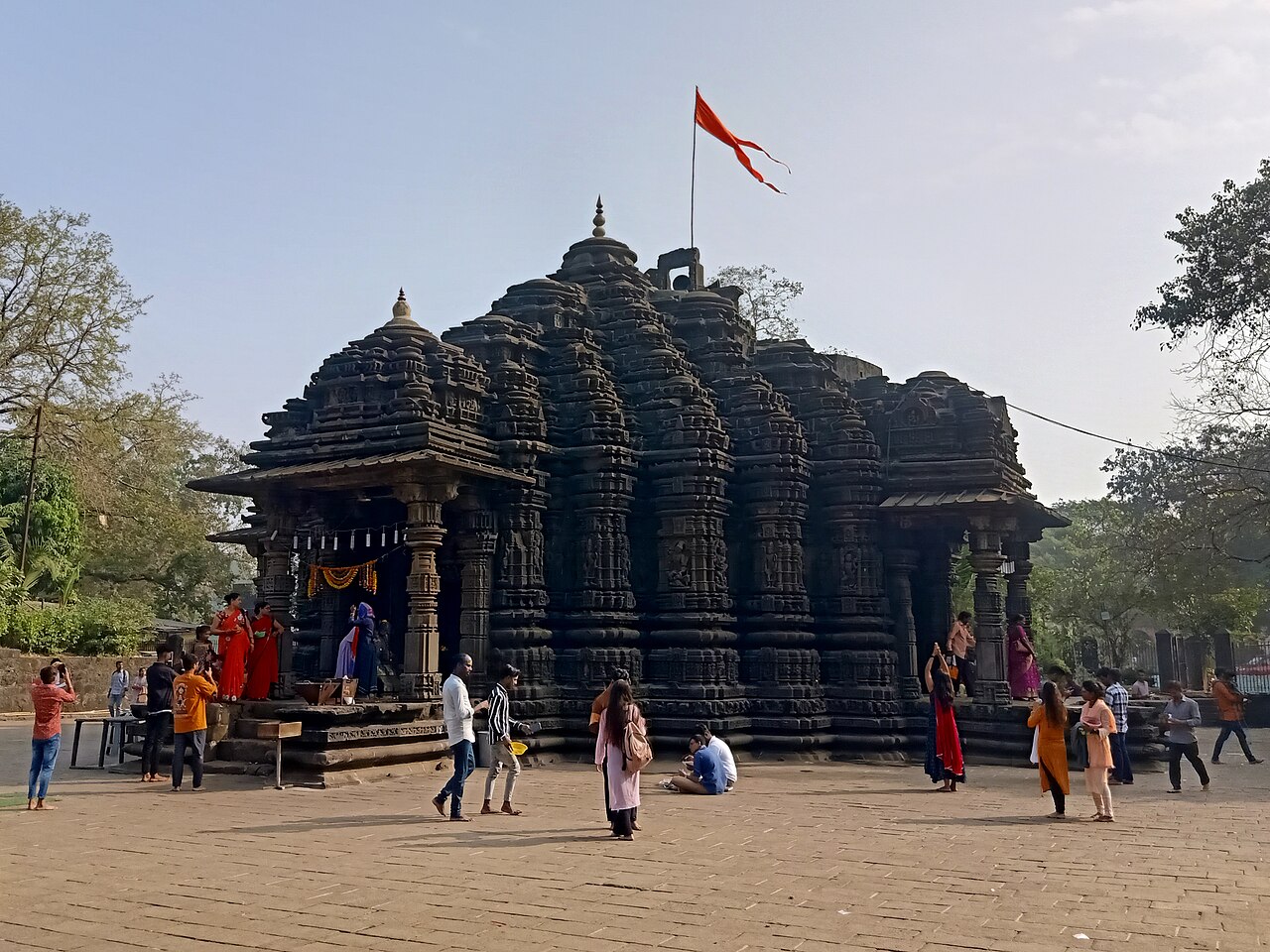
Ambernath, India
Deity: Shiva
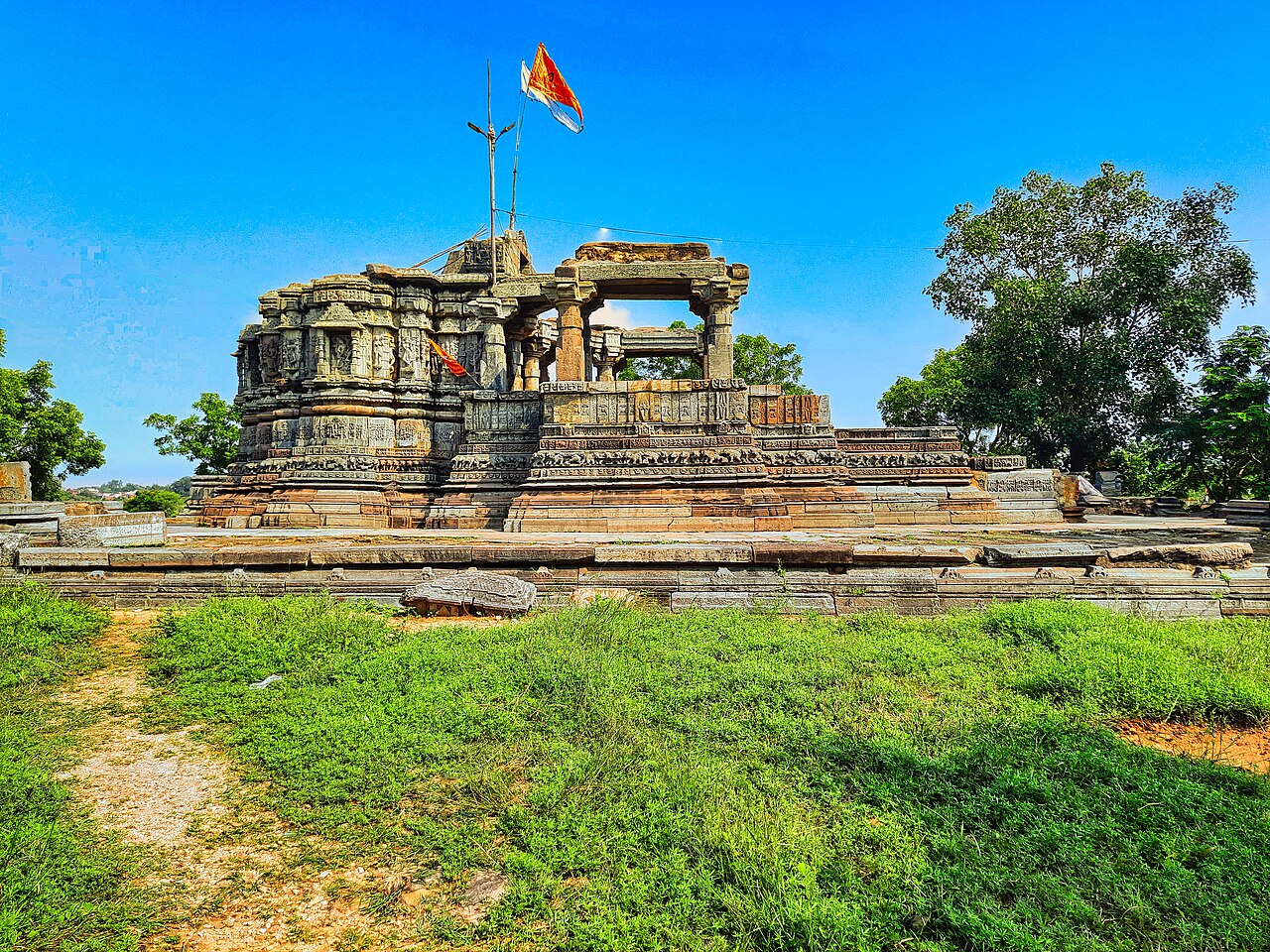
Dahod Taluka, India
Deity: Shiva
The Shiva temple is located at Bavka in Dahod district, Gujarat, India. It is located on a knoll near Hirlav lake between Bavka and Chandavada village, 14 km from Dahod. It was around 12th-13th century and an example of Māru-Gurjara architecture and panchayatana style temple complex.