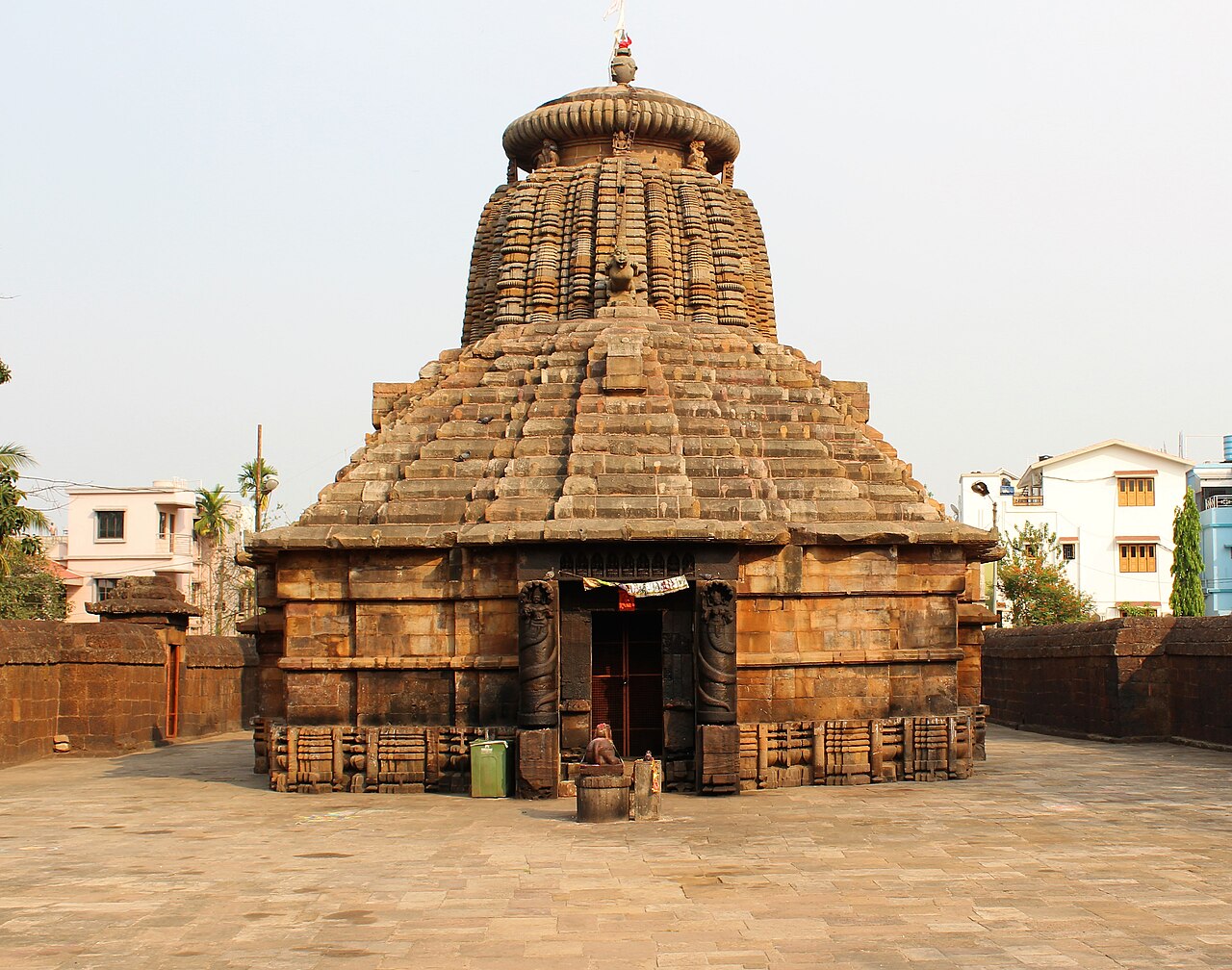
Megheswar Temple
Bhubaneswar, India
Deity: Shiva
The Megheswar Temple is a 12th-century Hindu temple dedicated to the deity Shiva. The temple is located at Tankapani road area in Bhubaneswar, India.
4272 temples
Bhubaneswar, India
Deity: Shiva
The Megheswar Temple is a 12th-century Hindu temple dedicated to the deity Shiva. The temple is located at Tankapani road area in Bhubaneswar, India.
Thrissur district, India
Deity: Shiva
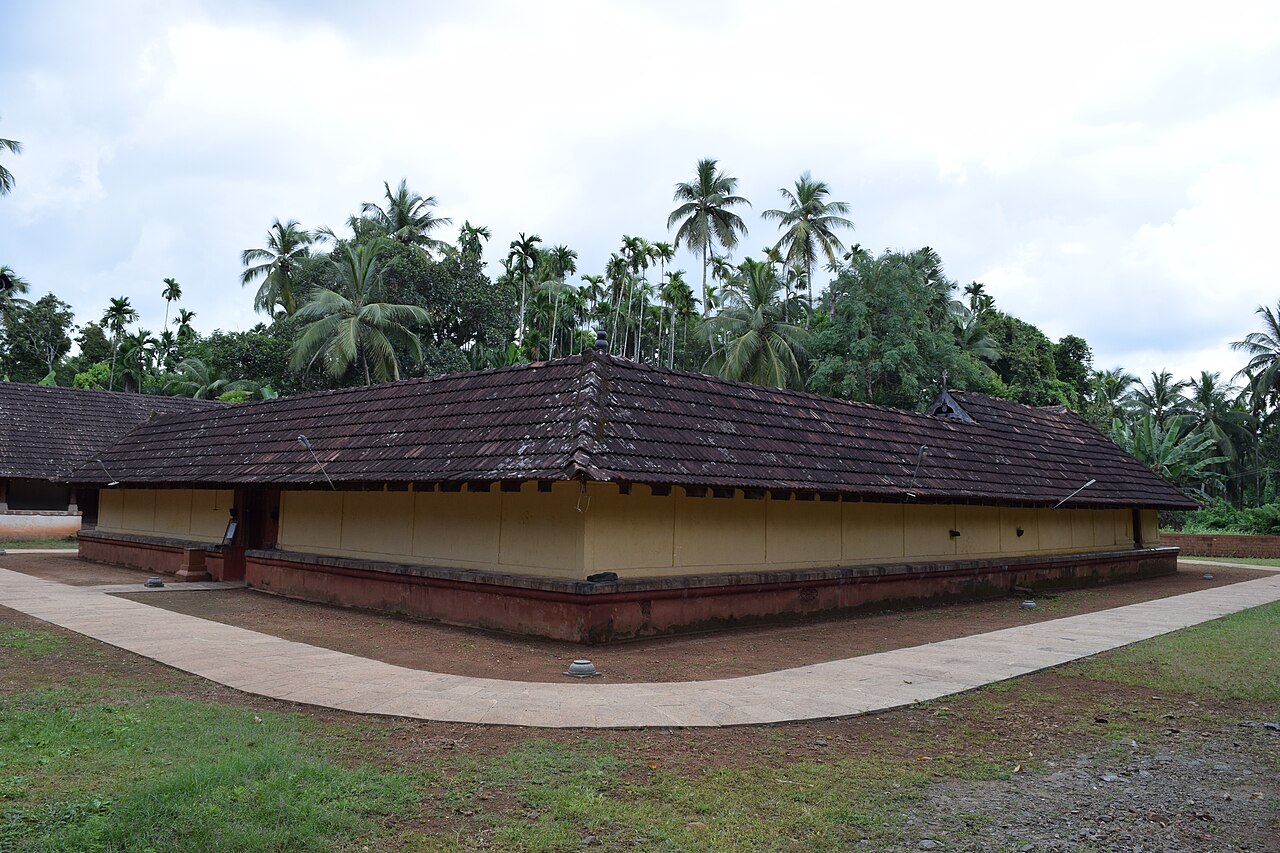
Pallimanna Siva Temple is a temple located at Kumbalangad, a small village in Thrissur District, Kerala, India. The temple is located at Kumbalangad - Kanjirakode Road, Vadakkancherry. Archeological Survey of India declared the mural paintings in the walls of this temple as protected monument of national importance since 1983. The main deity in this temple is Lord shiva. The temple is situated in the banks of a small river called aloor river, which is originating from vazhani dam.
Bishnupur, India
Founded: 1600
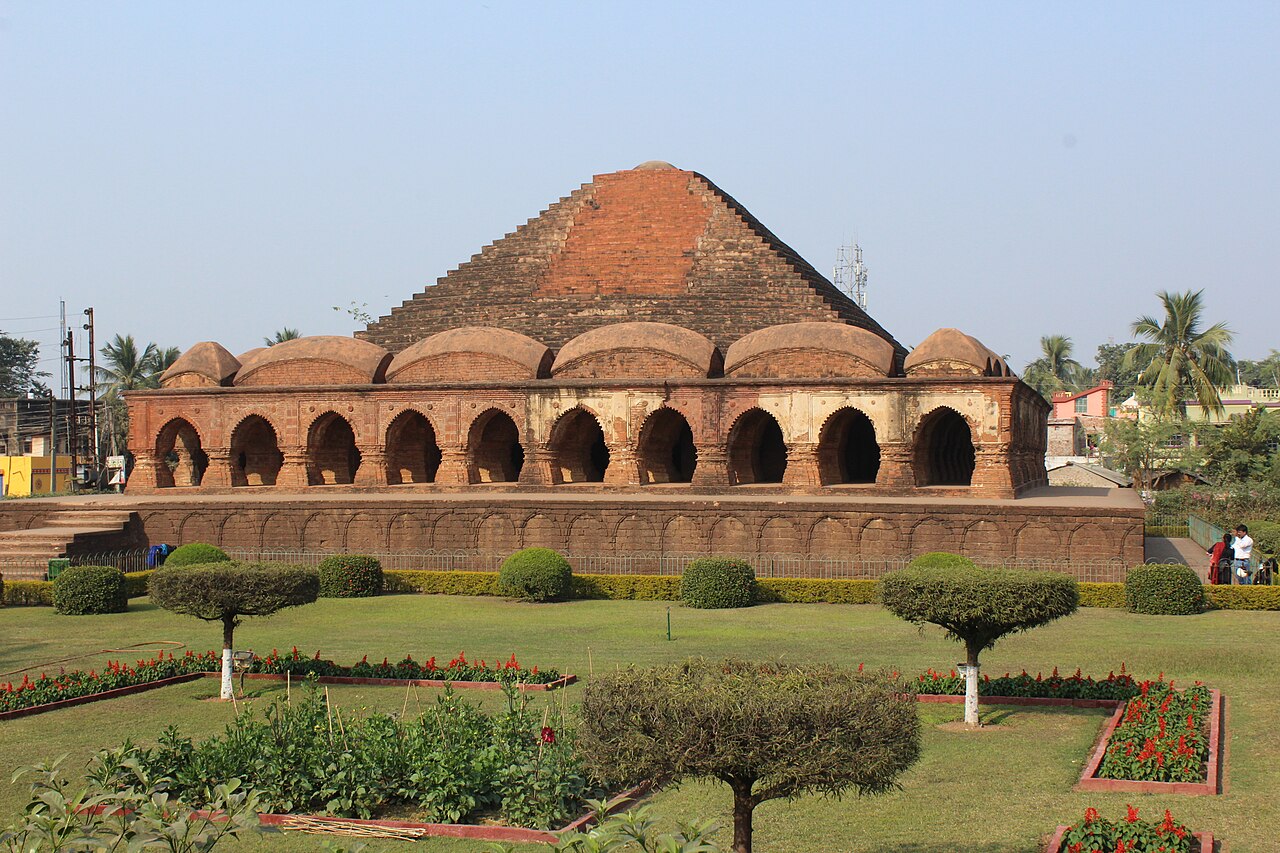
The Rasmancha is a historical temple located at Bishnupur, Bankura district, West Bengal, India.
Solapur, India
Deity: Shiva
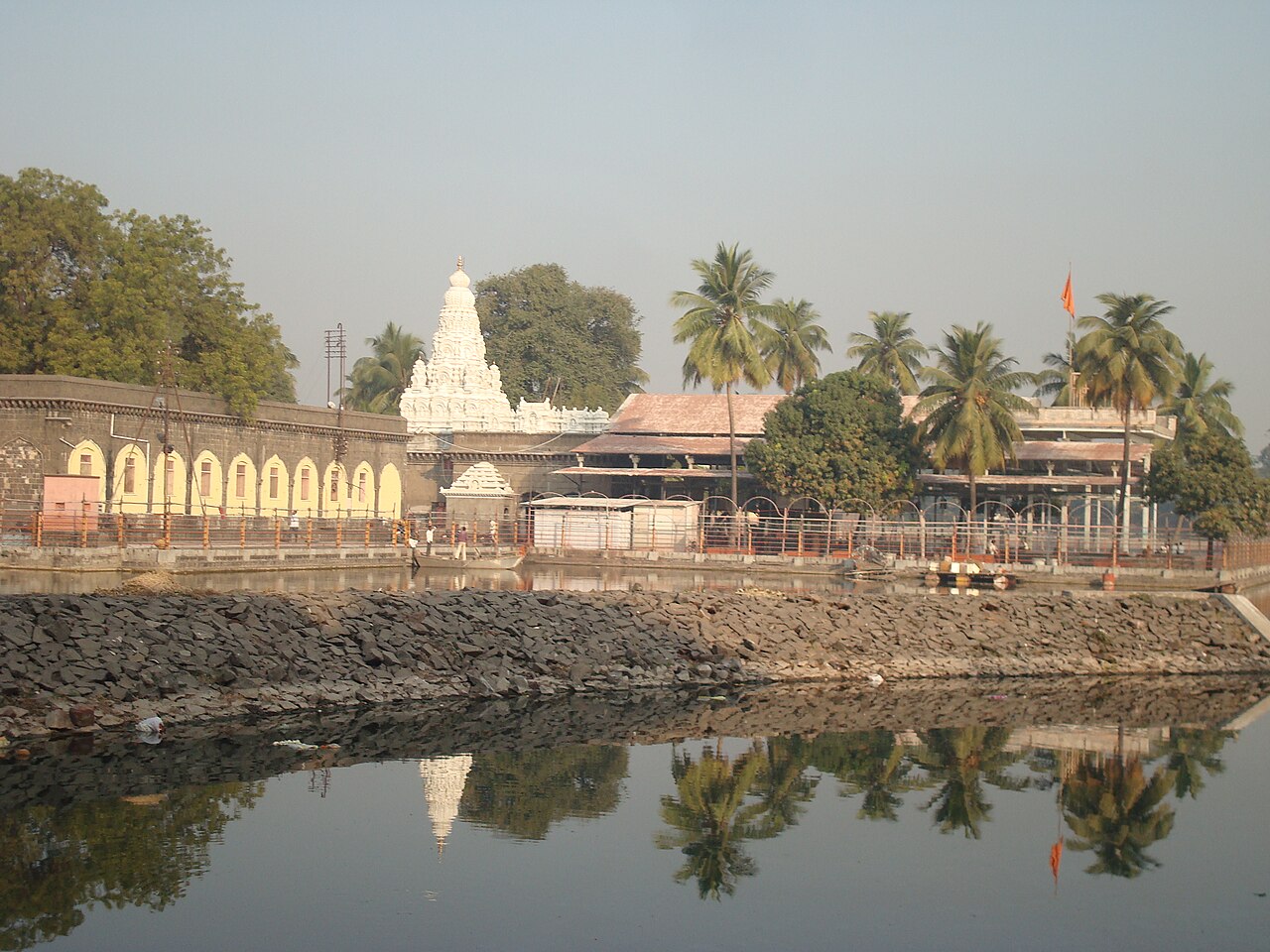
Siddheshwar Temple is a temple in Solapur district, Maharashtra, India. It is sacred to Hindus, especially the members of the Lingayat denomination. There is a lake within the temple complex.
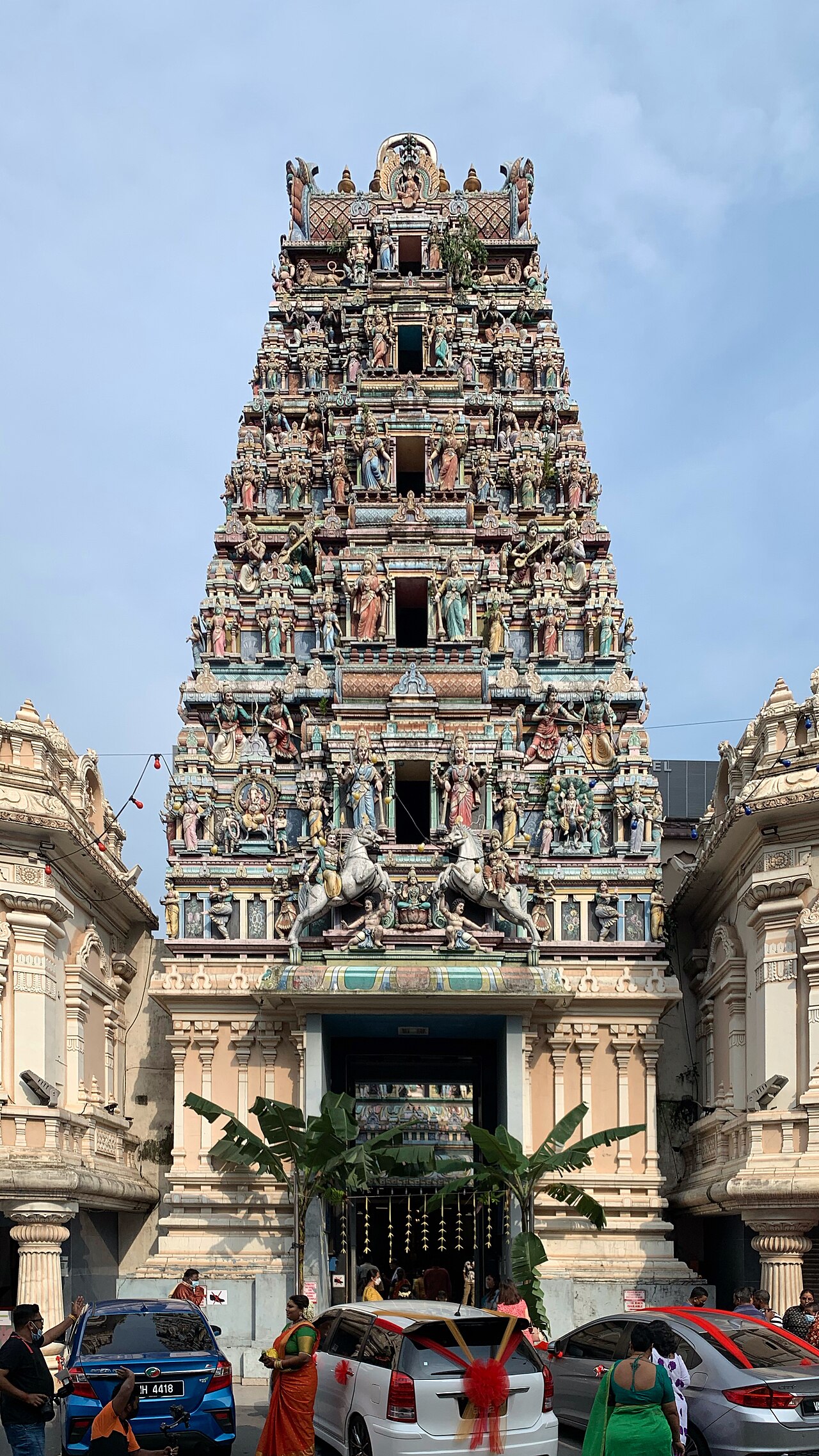
Kuala Lumpur, Malaysia
Founded: 1873
The Sri Maha Mariamman Temple, or Sri Mahamariamman Temple, is the oldest Hindu temple in Kuala Lumpur, Malaysia. Founded in 1873, it is situated at the edge of Chinatown in Jalan Bandar. In 1968, a new structure was built, featuring the ornate 'Raja Gopuram' tower in the style of South Indian temples.
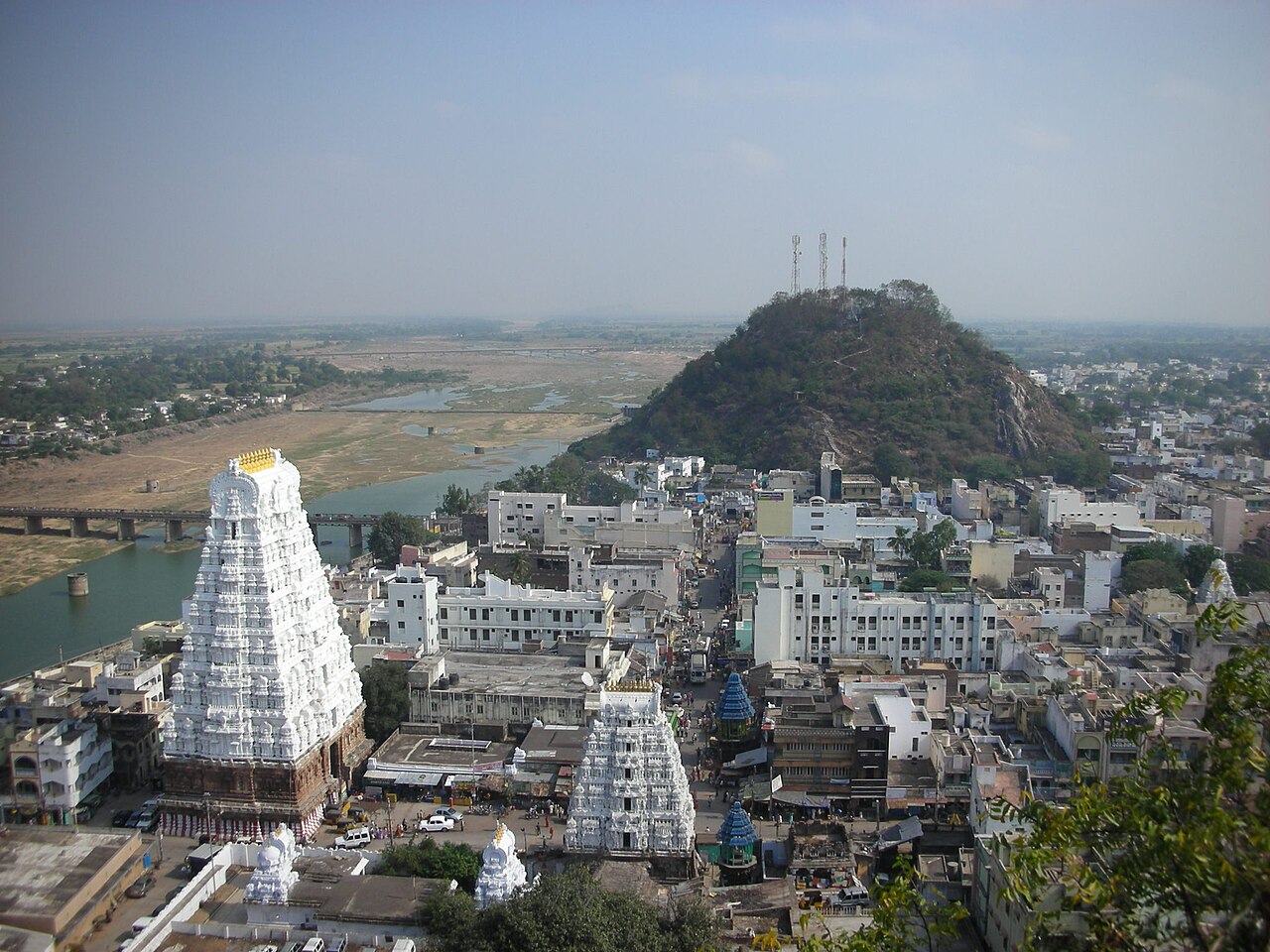
Chittoor, India
Deity: Shiva
The Srikalahasti Temple is in the town of Srikalahasti in Tirupati district in the state of Andhra Pradesh, India. Shiva in his aspect as Vayu is worshipped as Kalahasteeswara. The temple is also regarded as Rahu-Ketu kshetra and Dakshina Kailasam. According to regional tradition, it is said to be the site where Kannappa was ready to offer both his eyes to cover blood flowing from the Shivalinga before Shiva stopped him and granted him moksha.
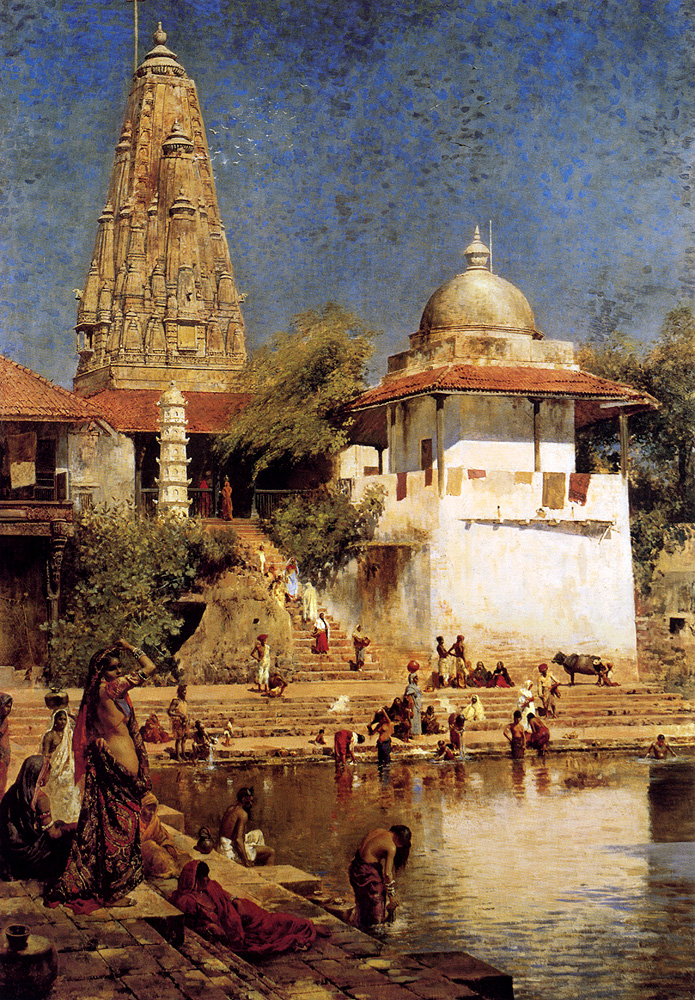
Maharashtra, India
Deity: Shiva
Walkeshwar Temple, also known as the, is an Ancient Hindu temple, dedicated to Lord Shiva located in Walkeshwar, near Malabar Hill neighbourhood, in South Mumbai precinct of the city of Mumbai, India. It is situated at the highest point of the city, and close to the temple lies the Banganga Tank.
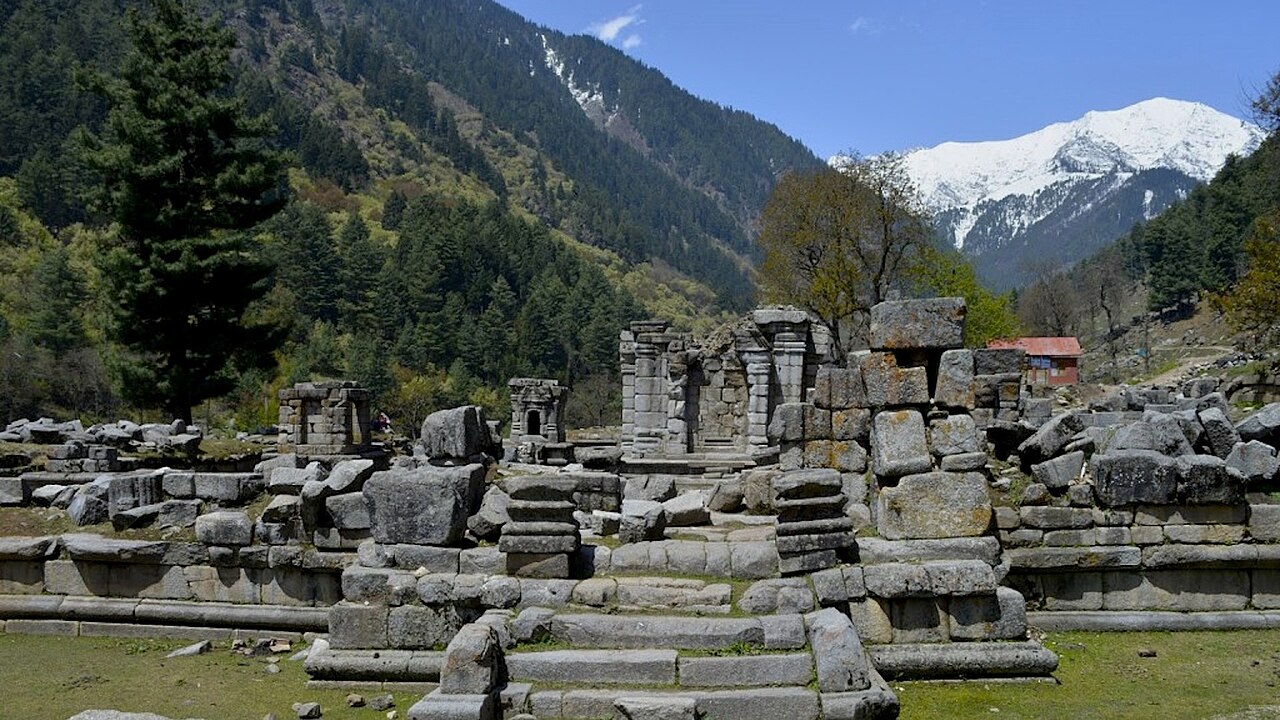
Ganderbal district, India
Deity: Shiva
Wangath Temple complex is a group of Hindu temple monuments in Wangath, near Naranag, in the Ganderbal district of Jammu and Kashmir, India. Wangath is a village around 48 miles (77 km) northeast of Srinagar, in the Himalayas to the northeast of the Kashmir Valley. It was built by Lalitaditya Muktapida of the Karkota dynasty in the 8th century CE, and is now in ruins.
Pudukkottai district, India
Deity: Vishnu
Sathyamurthi Perumal Temple in Thirumayam, a panchayat town in the South Indian state of Tamil Nadu, is dedicated to the Hindu god Vishnu. Constructed in the Dravidian style of architecture, the temple is glorified in the Nalayira Divya Prabandham, the early medieval Tamil canon of the Alvar saints from the 6th–9th centuries CE. It is one of the 108 Divya Desams dedicated to Vishnu, who is worshipped as Sathyamurthi Perumal and his consort Lakshmi as Ujeevana Thayar.
Museum Planning Area, Singapore
Founded: 1859
The Sri Thendayuthapani Temple, better known as the Chettiars' Temple, is one of Singapore Hindu community's most important monuments. The temple was built by the Chettiars at Tank Road in 1859 and managed by the Chettiars' Temple Society. The temple was reconstructed in 1983 and renovated in 2022. The temple was gazetted as a National monument of Singapore on 20 October 2014.
Khushab District, Pakistan
The Amb Temples, are part of an abandoned Hindu temple complex located at the western edge of the Salt Range in Punjab, Pakistan. The temple complex was built in Gandhara Nagara style in the 9th to 10th centuries CE by the Odi Shahi dynasty.
Jajpur district, India
The Biraja Temple, or Birija Kshetra, or Biraja Mandira, is a historic Hindu temple located in Jajpur, Odisha, India. The present temple was built during the 11th century CE. The principal idol is Devi Durga, who is worshipped as Virajā/Birajā (Girijā), and the temple gave Jajpur the nicknames "Birajā Kṣētra" and "Birajā Pīṭha". The Durga idol has two hands (dwibhuja), spearing the chest of Mahishasura with one hand and pulling his tail with the other. One of her feet is on a lion, and the other is on Mahishasura's chest. Mahishasura is depicted as a water buffalo. The idol's crown features Ganesha, a crescent moon and a lingam.
Srinagar, India
Kanchipuram, India
Ekambareswarar Temple is a Hindu temple dedicated to the god Shiva, located in the town of Kanchipuram in Tamil Nadu, India. It is significant to the Hindu sect of Saivism as one of the temples associated with the five elements, the Pancha Bhoota Stalas, and specifically the element of earth, or Prithvi. Shiva is worshiped as Ekambareswarar or Ekambaranathar or Rajalingeswaram, and is represented by the lingam as Prithvi lingam. His consort Parvati is depicted as Elavarkuzhali.
Chengalpattu district, India
Ganesha Ratha is a temple in Kancheepuram district, Tamil Nadu, India. It is one of ten rathas ("chariots") carved out of pink granite within the group of monuments of the Pallava Period at Mahabalipuram, a UNESCO-inscribed World Heritage Site since 1984. The ratha is an example of monolith Indian rock-cut architecture dating from the late seventh century during the reign of King Mahendravarman I and his son Narasimhavarman I. Initially constructed with a Shiva Linga, it is now deified with a Ganesha deity after the linga was removed.
Semarang, Indonesia
Gedong Songo is a group of Hindu temples located near Bandungan, Semarang Regency, in north Central Java, Indonesia. It is variously dated between the 8th and 9th-century. Built around a 1,270 metres (4,170 ft) hill near Mount Ungaran, it consist of five Gedong – two on the east side of the hill, two towards the north and one to the west. These total nine temples, all dedicated to Shiva and Parvati. The Gedong Songo complex is one of 110 sites in central Java with Hindu temple structures or remains, and one of 21 in Semarang area, states Veronique Degroot.
Hassan district, India
The Ishvara temple, also referred to as the Ishwara or Isvara temple, is an early 13th-century Hindu temple in Arsikere, Hassan district, Karnataka India. Dedicated to Shiva, it is one of the most notable early Hoysala architecture examples with a rotating circular plan, a domed mandapa with a 16-point star shape, a pancatala vimana, and a galaxy of artwork depicting Shaivism, Vaishnavism, Shaktism and Vedic legends of Hinduism.
Ranchi district, India
Jagannath Temple is a Hindu temple in Ranchi, Jharkhand, dedicated to the deity Jagannath. The original temple was built in 1691, and was rebuilt after collapsing in the 1990s.
Shimoga district, India
The Kaitabheshvara temple is located in the town of Kubatur, near Anavatti in the Shimoga district of Karnataka state, India. The temple was constructed during the reign of Hoysala King Vinayaditya around 1100 AD. The Hoysala ruling family was during this time a powerful feudatory of the imperial Western Chalukya Empire ruled by King Vikramaditya VI. According to the Archaeological Survey of India, the architectural signature of the temple is mainly "Chalukyan". Art historian Adam Hardy classifies the style involved in the construction of the temple as "Later Chalukya, non mainstream, far end of spectrum".
Mayurbhanj district, India
Kichakeshwari Temple is temple of Hindu Goddess Chamunda alias Kali located in Khiching, which was the ancient capital of the Bhanja rulers, located about 205 km from Balasore and 150 km from Baripada in the Mayurbhanj district of north Odisha, India.
Kollam district, India
Pudukkottai district, India
Kunnandarkoil Cave Temple in Kunnandarkoil, a village in Pudukottai district in the South Indian state of Tamil Nadu, is dedicated to the Hindu god Shiva. Constructed in Rock-cut architecture, the temple is believed to have been built during the 8th century by Muttaraiyar kings, the cardinals of Pallavas, with later expansion from the Vijayanagar Empire. The rock-cut architecture in the temple is a specimen of the late Pallava Art and an early example of Chola Art. The temple has various inscriptions from Cholas, Chalukyas, Pandyas and Vijayanagar Empire. The temple is considered one of the oldest stone temples in South India.
Darjeeling, India
Deity: Shiva
Founded: 1782
The Mahakal temple or Mahakal mandir is a sacred Hindu temple located in Darjeeling, West Bengal, India, dedicated to the Hindu god Shiva, the third god in the Hindu triumvirate. The temple was built in 1782 by Lama Dorjey Rinzing and is perched atop the Observatory Hill and is an amalgamation of Hindu and Buddhist religions. It is a religious site where both religions coexist harmoniously.
Varanasi district, India
Shri Vishwanath Mandir also known as Vishwanath Mandir, Vishwanath Temple, New Vishwanath Temple and Birla Temple is another prominent Hindu temple in the holy city of Varanasi. Hindus across India and abroad visit this particular Lord Shiva temple to offer prayer to the Lord Vishwanath for the well-being of their families, and eternal peace. Every Hindu must perform a specific ritualistic homage for the departed souls of their ancestors this requires them to undertake pilgrimage to the holy city of Varanasi. The temple is situated near the Banaras Hindu University. Therefore, the temple site and the neighbourhood is a major attraction among Hindu students and visitors touring Varanasi.