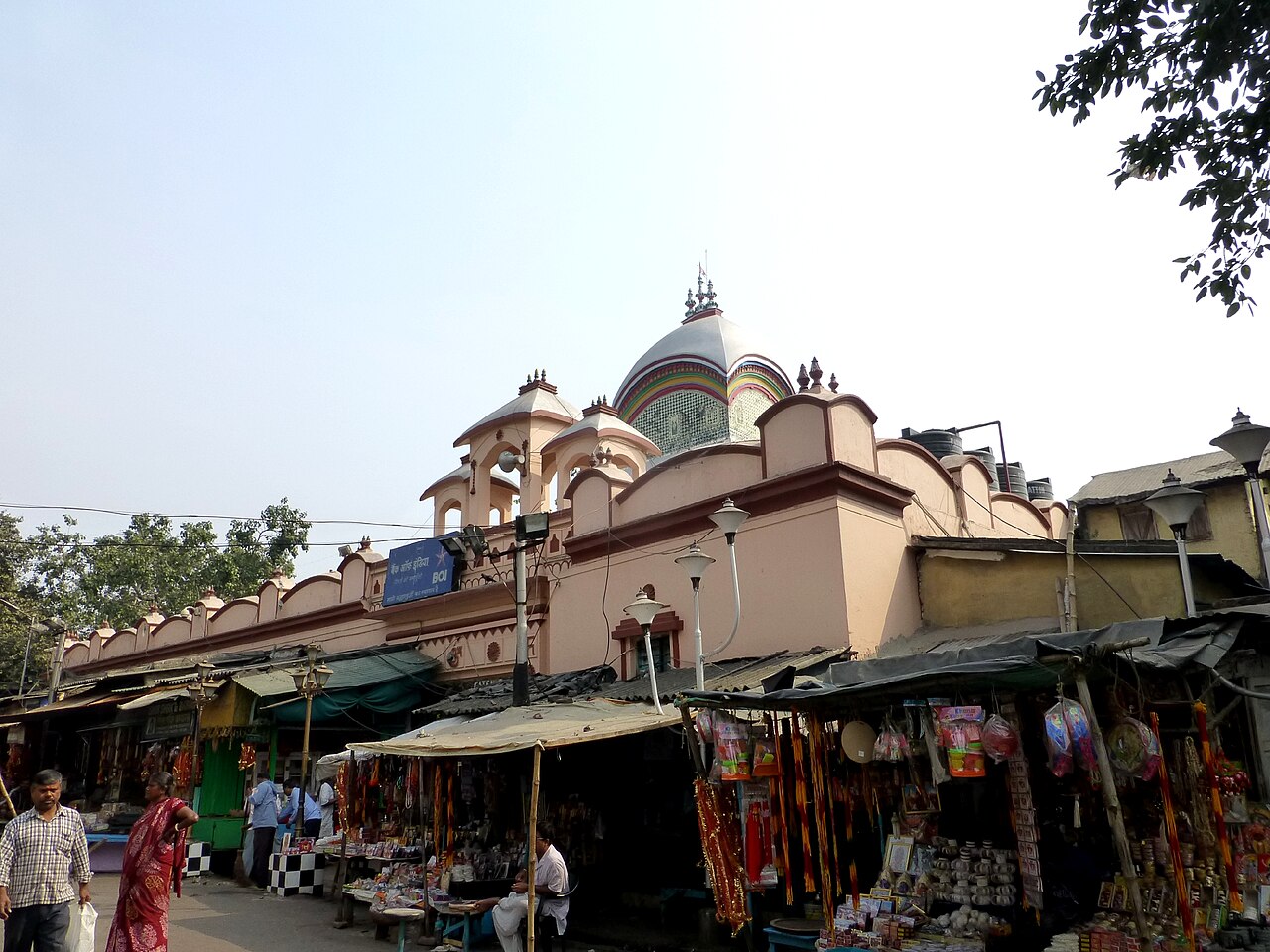
Ward No. 83, Kolkata Municipal Corporation, India
Deity: Dakshina Kali
Founded: 1809
Kalighat Kali Temple is a Hindu temple in Kalighat, Kolkata, West Bengal, India, dedicated to the Hindu goddess Kali, one of the 10 Mahavidyas in the Hindu tantric tradition and the supreme deity in the Kalikula worship tradition. The temple is one of the 51 Shakti Pithas in India.
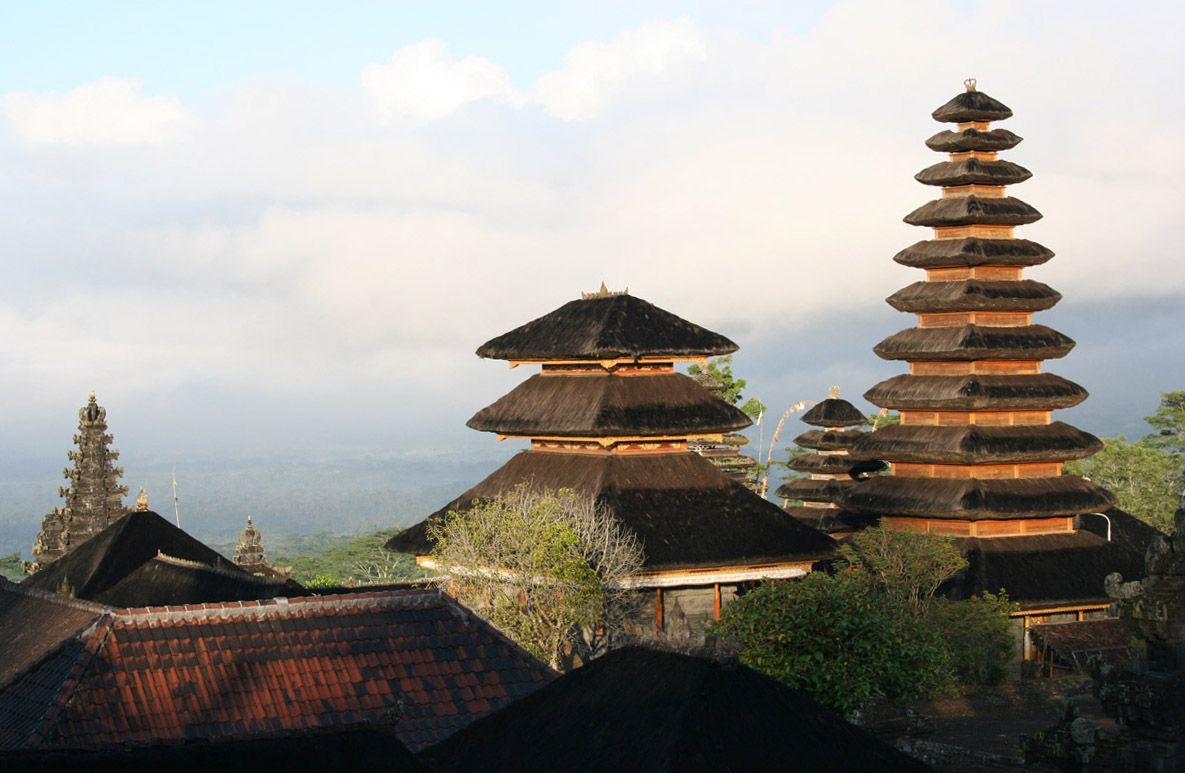
Karangasem, Indonesia
Besakih Temple is a pura Hindu temple in the village of Besakih on the slopes of Mount Agung in eastern Bali, Indonesia. It is the most important, largest, and holiest temple of Balinese Hinduism, and one of a series of Balinese temples. Perched nearly 1,000 meters up the side of Gunung Agung, it is not a single structure but an extensive complex of 23 separate but related temples, with the largest and most important being Pura Penataran Agung. The temple is built on six levels, terraced up the slope. The entrance is marked by a candi bentar, and beyond it, the Kori Agung is the gateway to the second courtyard.
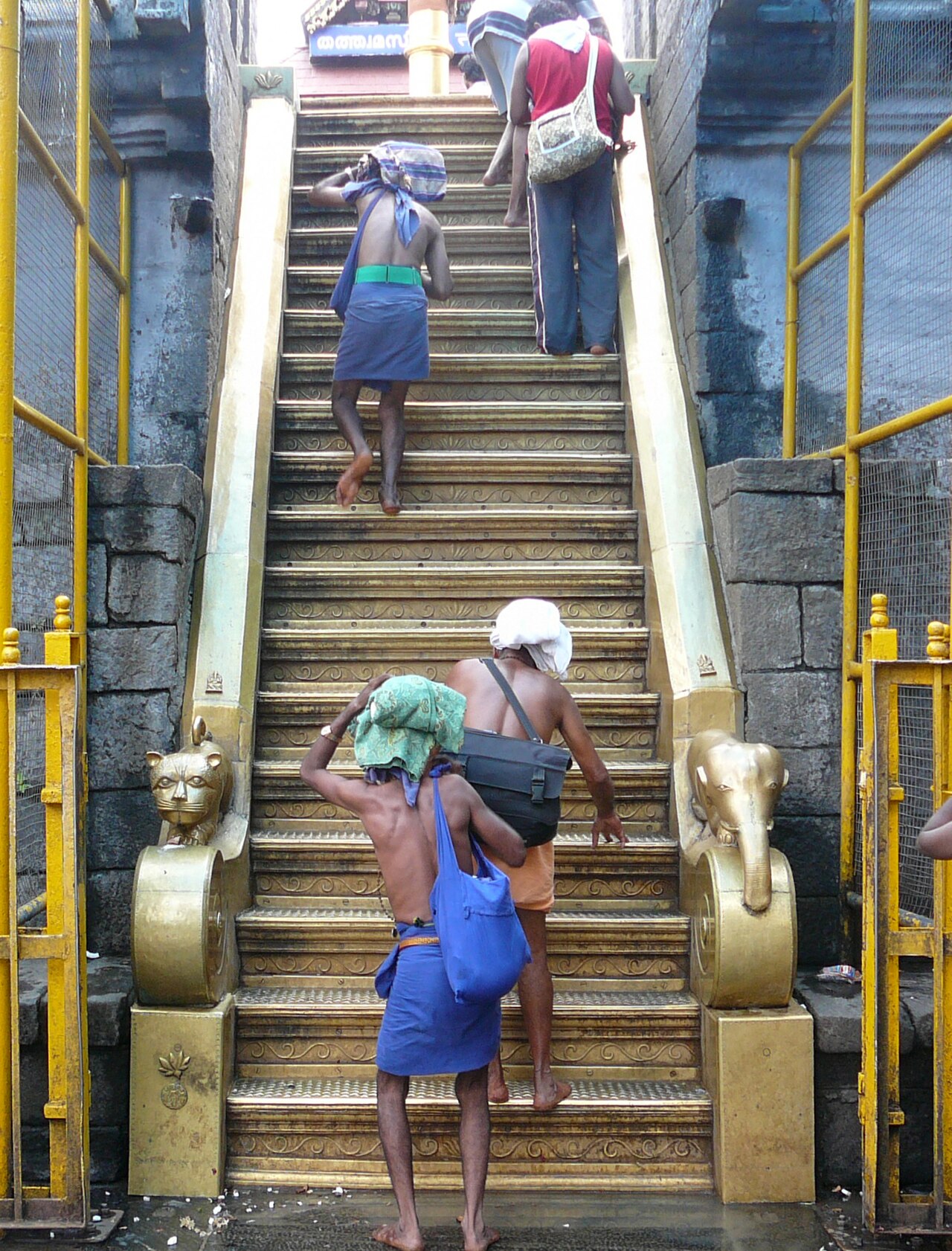
Pathanamthitta district, India
The Sabarimala Sree Dharma Sastha Temple is a Hindu temple dedicated to Lord Sree Dharma Sastha where the deity is worshipped as Lord Ayyappan, the son of the deities Shiva and Mohini, and is situated atop the Sabarimala hill in Pathanamthitta district of Kerala, India. The temple is surrounded by 18 hills in the Periyar Tiger Reserve. It is one of the largest annual pilgrimage sites in the world, with an estimate of over 10 to 15 million devotees visiting every year.
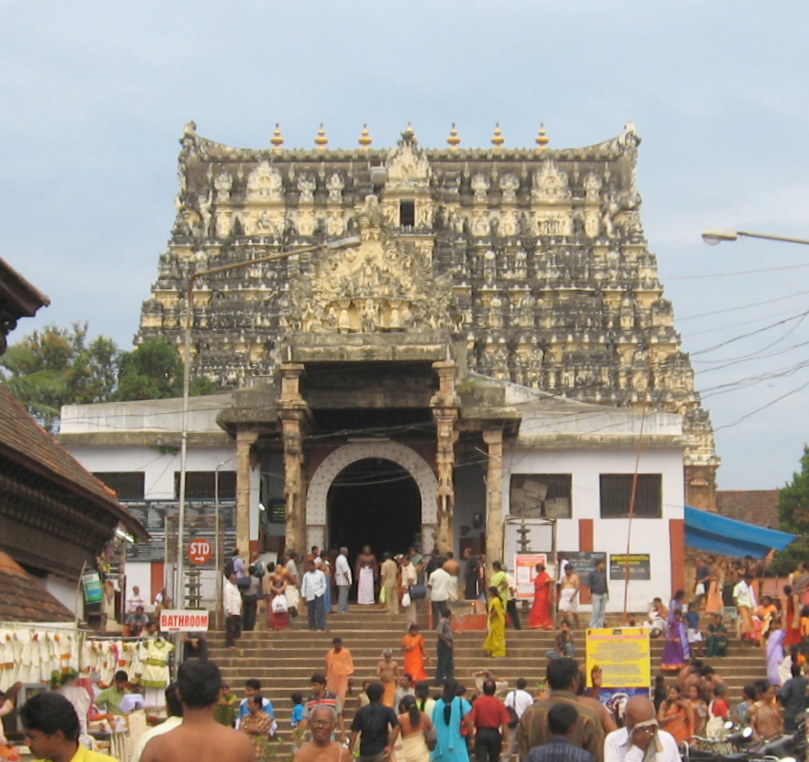
Thiruvananthapuram, India
Founded: 501 CE
The Padmanabhaswamy Temple is a Hindu temple dedicated to Vishnu in Thiruvananthapuram, Keralam, India. It is one of the 108 Divya Desams which are considered the sacred sites of the Sri Vaishnava tradition.
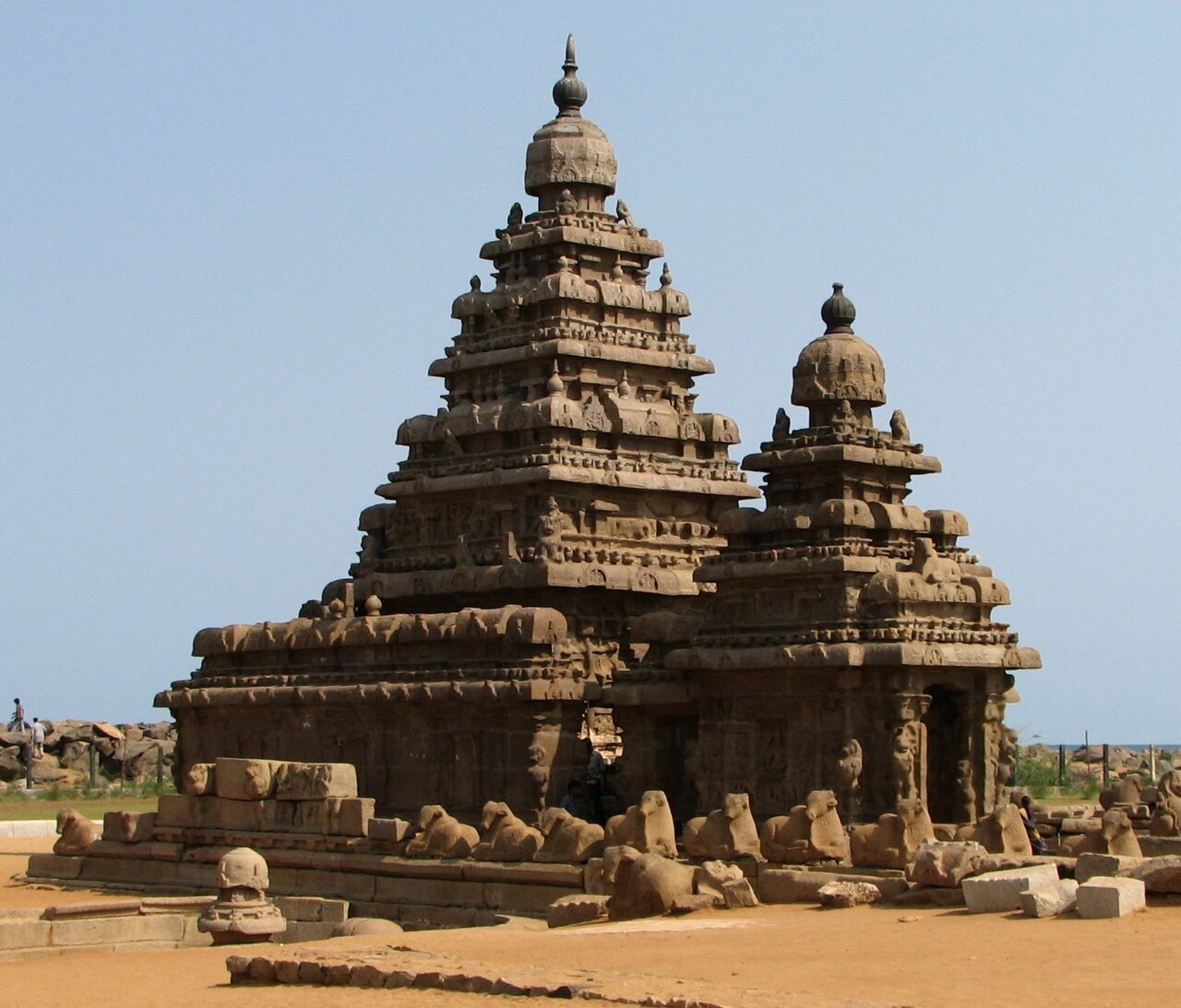
Chengalpattu district, India
Founded: 732 CE
The Shore Temple is a complex of temples and shrines that overlooks the shore of the Bay of Bengal. It is located in Mahabalipuram, about 60 kilometres (37 mi) south of Chennai in Tamil Nadu, India.
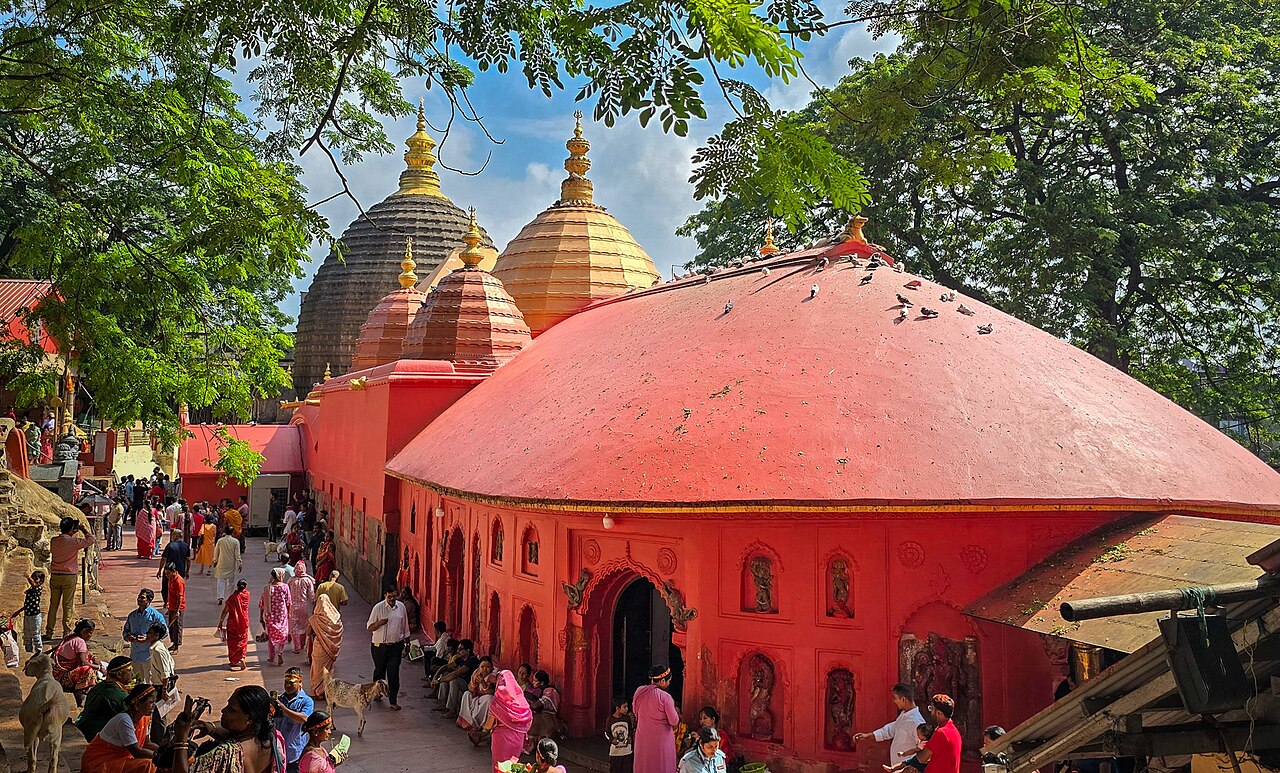
Kamrup district, India
Kamakhya Temple is a Hindu temple at Nilachal hills in Guwahati, Assam is one of the oldest and most revered centres of Tantric practices, dedicated to the goddess Kamakhya. The temple is the centre of the Kulachara Tantra Marga and the site of the Ambubachi Mela, an annual festival that celebrates the menstruation of the goddess. Structurally, the temple is dated to the 8th-9th century with many subsequent rebuildings—and the final hybrid architecture defines a local style called Nilachal. It is also one among the oldest 4 of the 51 pithas in the Shakta tradition.
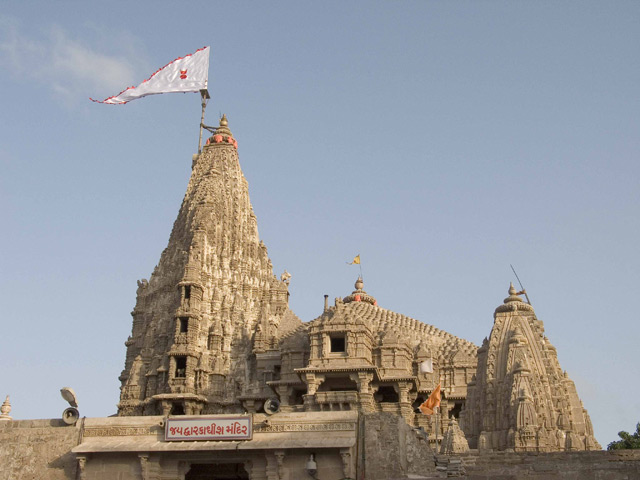
Dwarka Taluka, India
Deity: Krishna
The Dwarkadhish temple, also known as the Jagat Mandir and occasionally spelled Dwarakadheesh, is a Hindu temple dedicated to Krishna, who is worshiped in the temple by the name Dwarkadhish . The temple is located in Dwarka city of Gujarat, India, which is one of the destinations of Char Dham, a Hindu pilgrimage circuit. The main shrine of the five-storied building, supported by 72 pillars, is known as Jagat Mandir or Nija Mandir. Archaeological findings suggest the original temple was built in 200 BCE at the earliest. The temple was rebuilt and enlarged in the 15th–16th century.
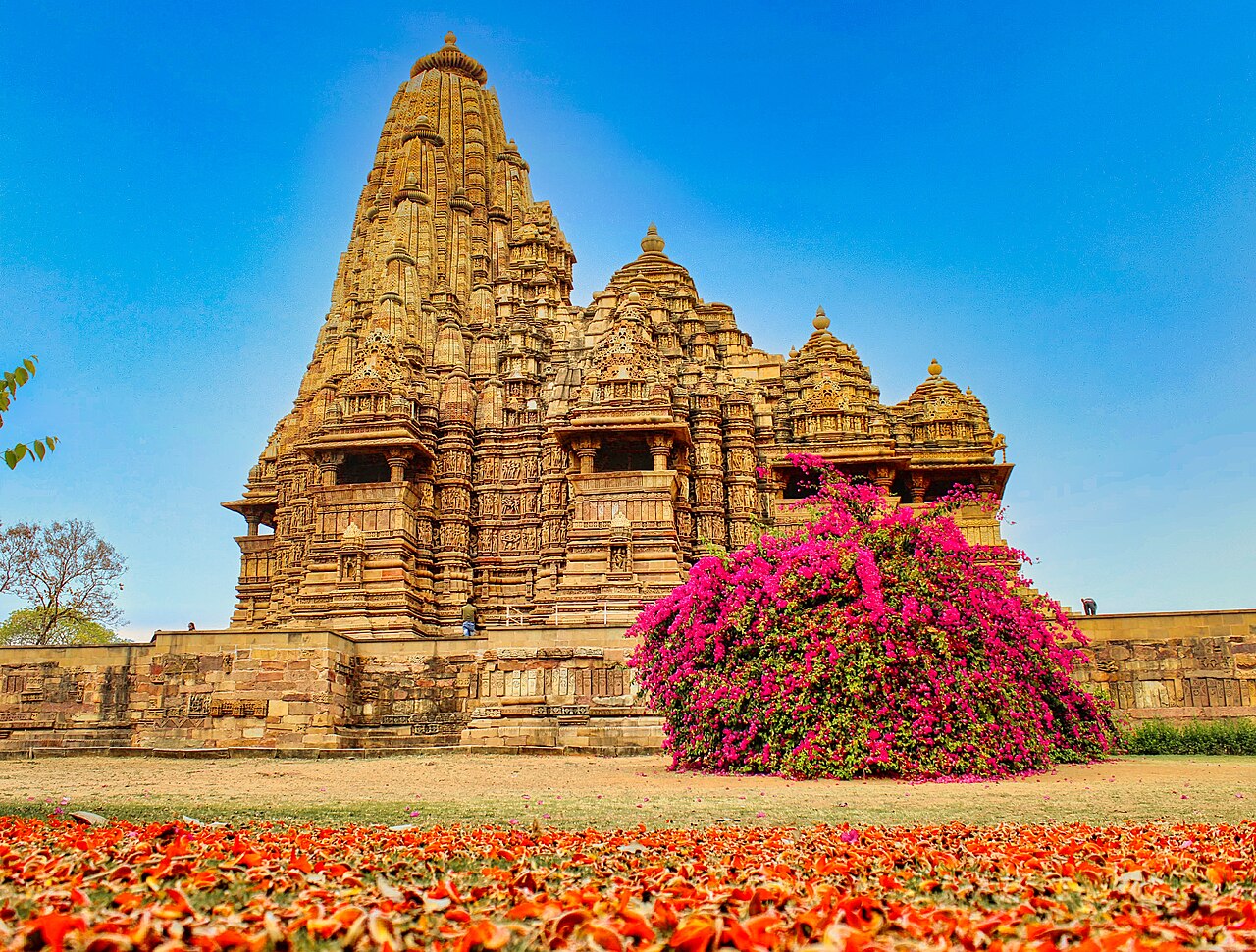
Chhatarpur district, India
Deity: Shiva
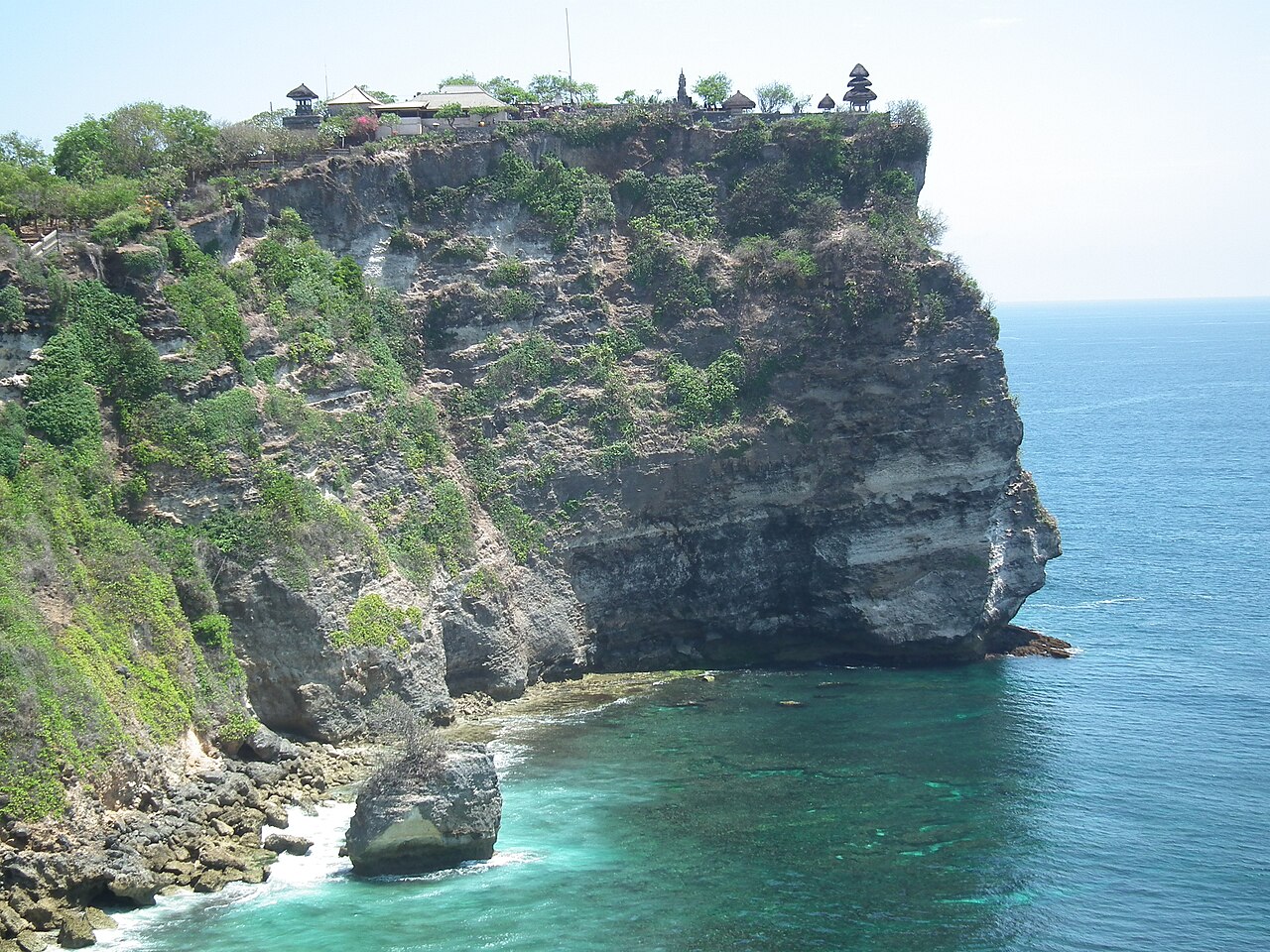
South Kuta, Indonesia
Deity: Rudra
Uluwatu Temple is a Balinese Hindu temple located on the south-western tip of the Bukit Peninsula in Pecatu Village, Badung Regency, Bali, Indonesia. It is the only Balinese sea temple that is also one of the nine directional temples.
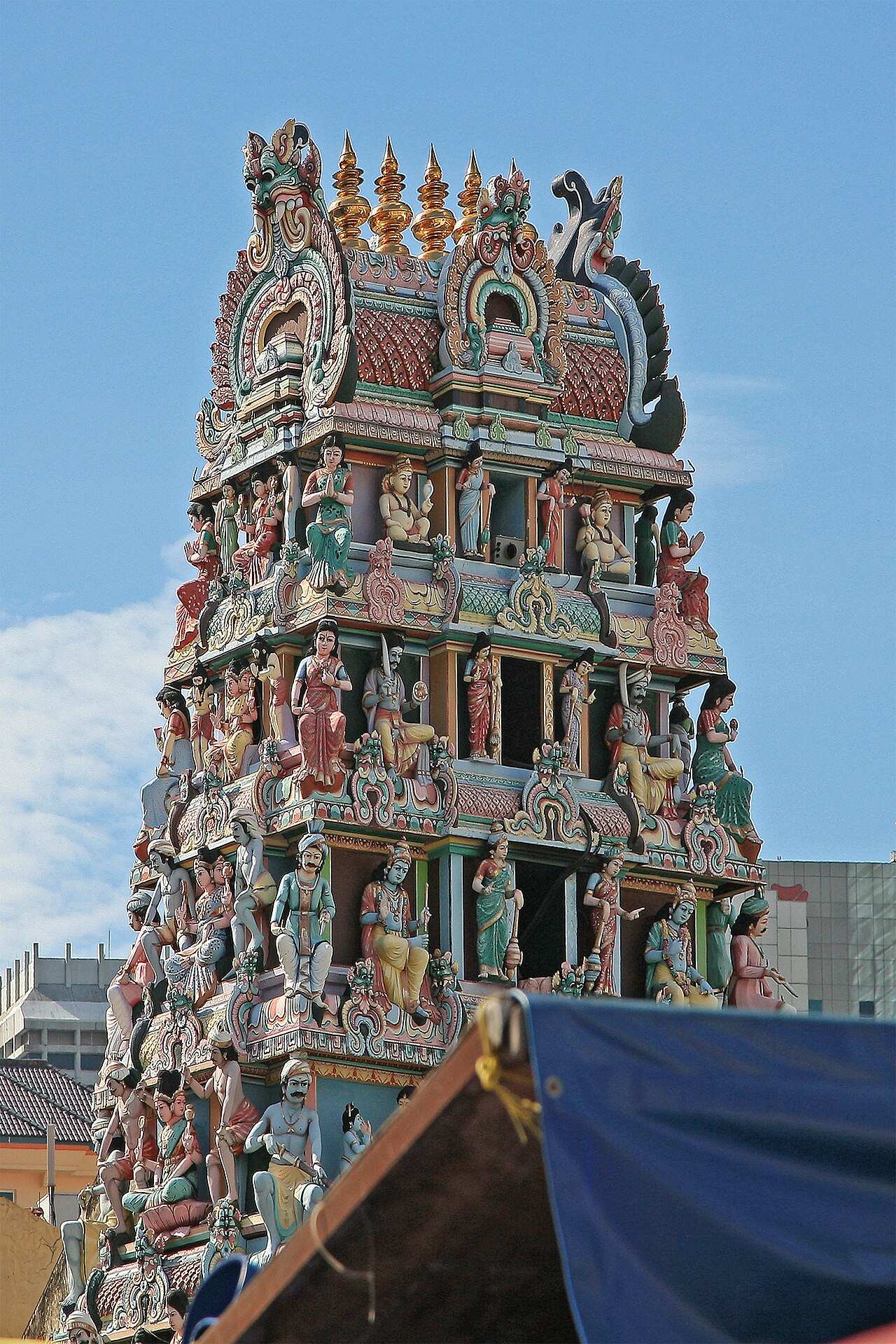
Chinatown, Singapore
Founded: 1827
The Sri Mariamman Temple is Singapore's first and oldest Hindu temple. It is an agamic temple, built in the Dravidian style. Located at 244 South Bridge Road, in the downtown Chinatown district, the temple serves the majority Hindu Singaporeans, Tamilians, in the city-state. Due to its architectural and historical significance, the temple has been gazetted a National Monument and is a major tourist attraction. Sri Mariamman Temple is managed by the Hindu Endowments Board, a statutory board under the Ministry of Community Development, Youth and Sports.
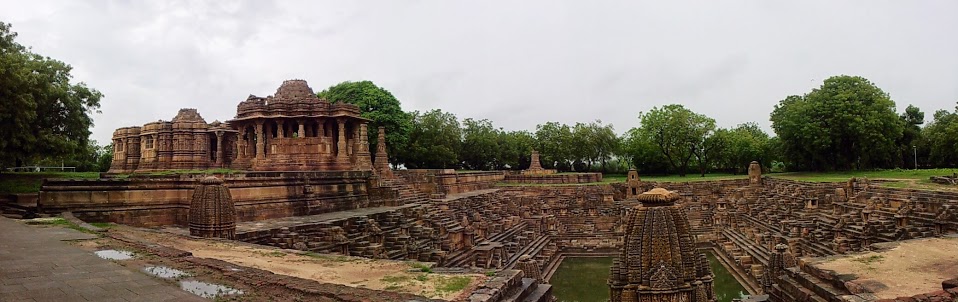
Becharaji Taluka, India
Founded: 1026
The Sun Temple of Modhera is a Hindu temple dedicated to the solar deity Surya, located in the village of Modhera in Mehsana district, Gujarat, India. The temple is situated on the bank of the river Pushpavati, and was constructed in the 11th century during the reign of Bhima I and Karna I of the Chaulukya dynasty. The temple is no longer used for worship and is a protected monument maintained by the Archaeological Survey of India. The temple complex has three components: Gūḍhamanḍapa, the shrine hall; Sabhamanḍapa, the assembly hall and Kunḍa, the reservoir. The halls are noted for the intricately carved exteriors and decorated pillars.
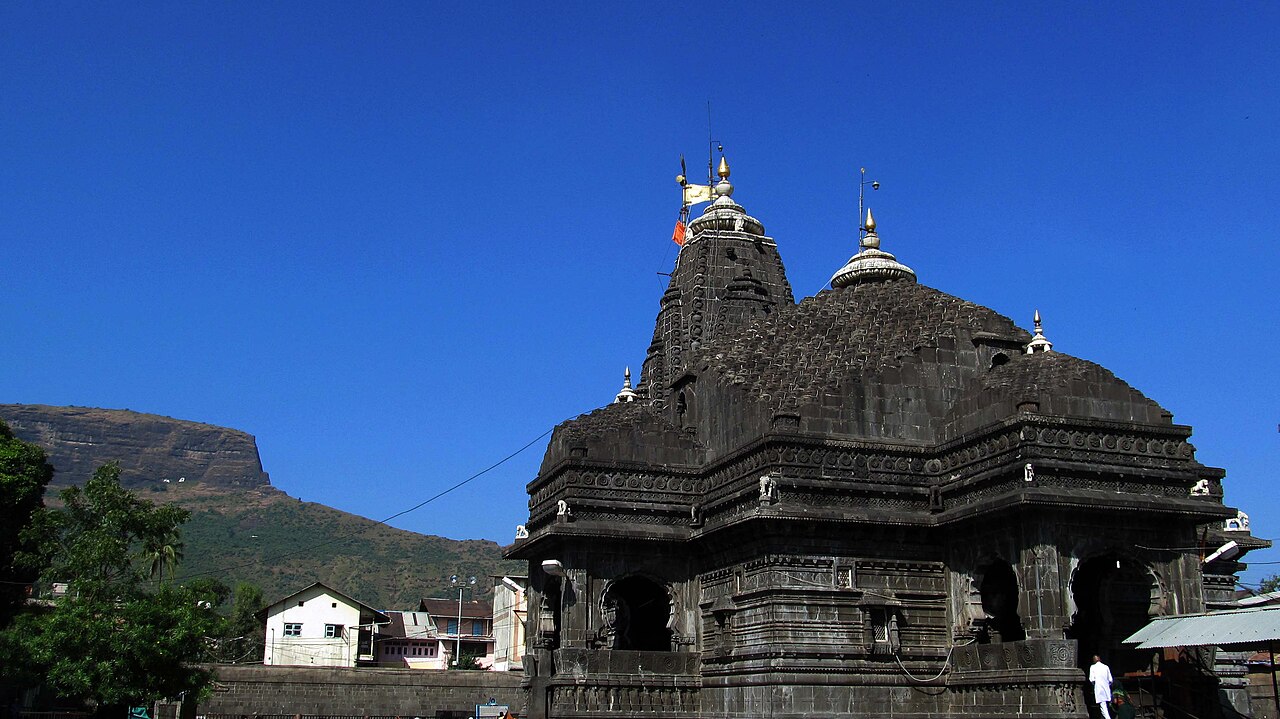
Nashik district, India
Deity: Shiva
Trimbakeshwar Shiva Temple is an ancient Hindu temple in the town of Trimbak, in the Trimbakeshwar tehsil, in the Nashik District of Maharashtra, India, 28 km from the city of Nashik and 40 km from Nashik road. It is dedicated to the Hindu god Shiva and is one of the twelve jyotirlingas where the Hindu genealogy registers at Trimbakeshwar, Maharashtra are kept. The origin of the sacred Godavari River is near Trimbak. Several Hindu rituals are carried out in Trimbakeshwar, for that pilgrims travel from all over India.
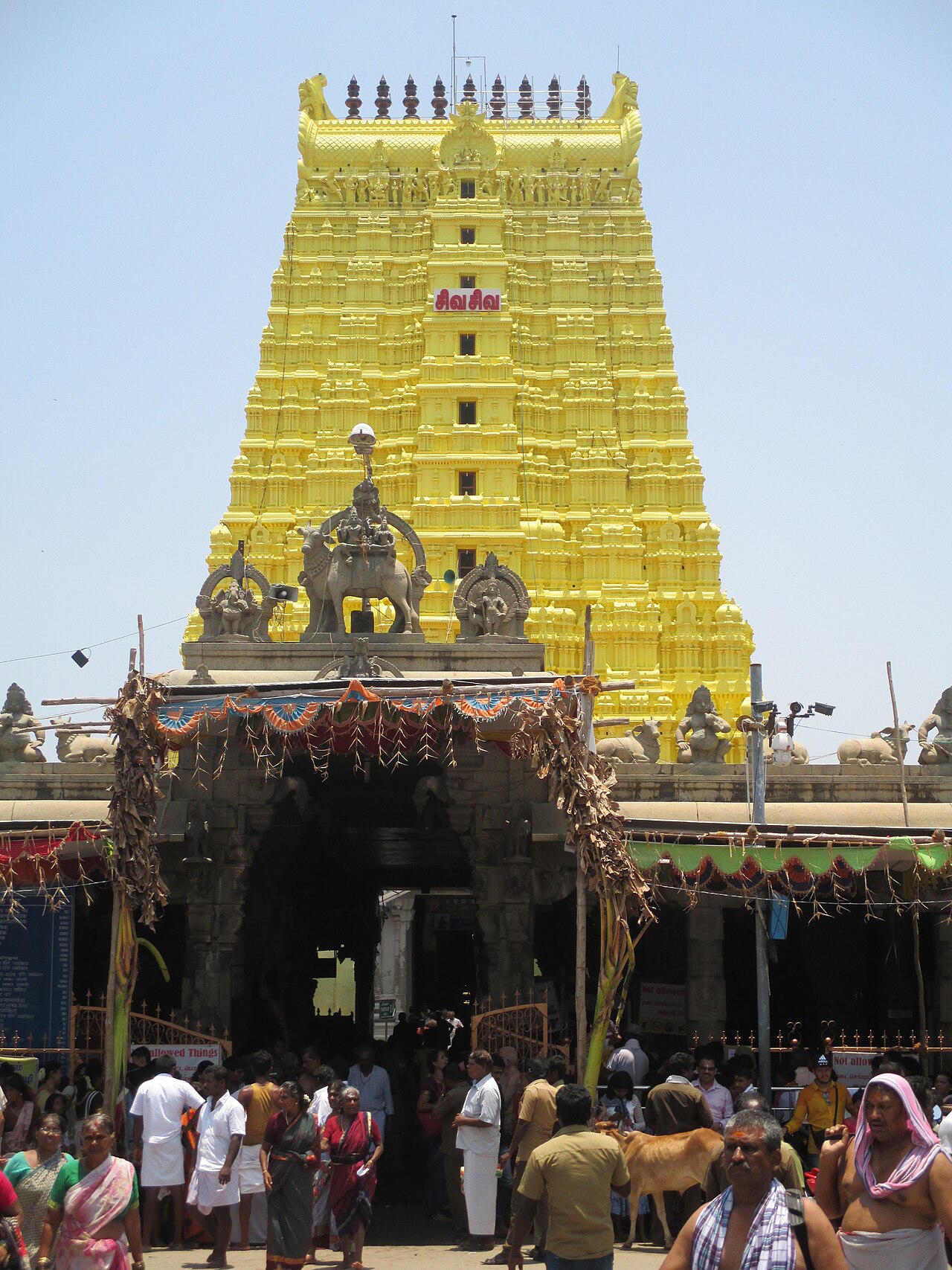
Ramanathapuram district, India
Deity: Shiva
Ramanathaswamy Temple is a Hindu temple dedicated to the Hindu god Shiva located on Rameswaram island in the state of Tamil Nadu, India. It is one of the twelve Jyotirlinga temples. It is one of the 276 Paadal Petra Sthalams, the sacred sites glorified by the Nayanars, Appar, Sundarar, and Sambandar, with their songs. According to tradition, the lingam of the Ramanathaswamy Temple was established and worshipped by Rama before he crossed the bridge called Rama Setu to the island kingdom of Lanka, identified with Sri Lanka. It is one of the Char Dham pilgrimage sites.
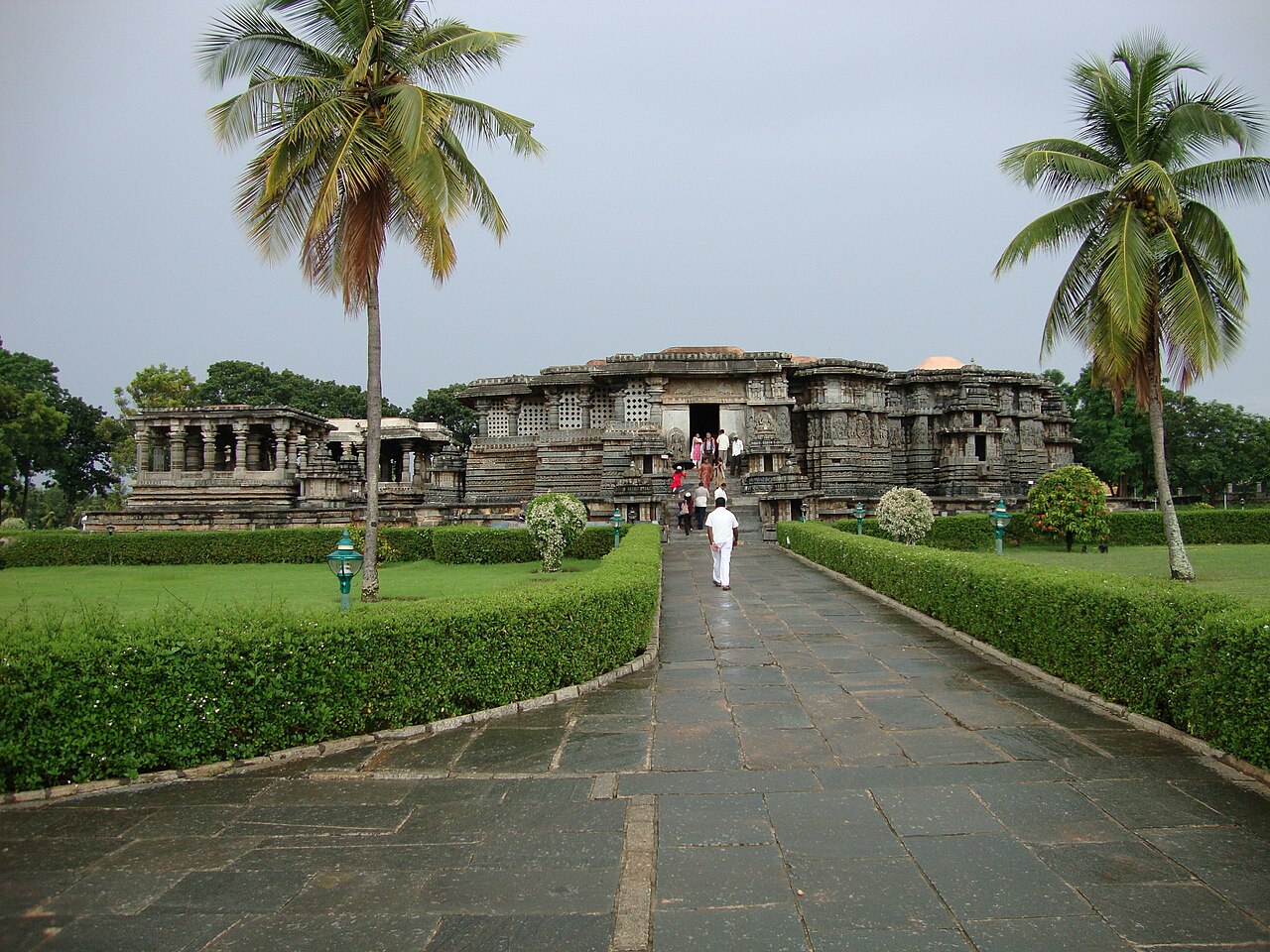
Hassan district, India
Deity: Shiva
Founded: 1160
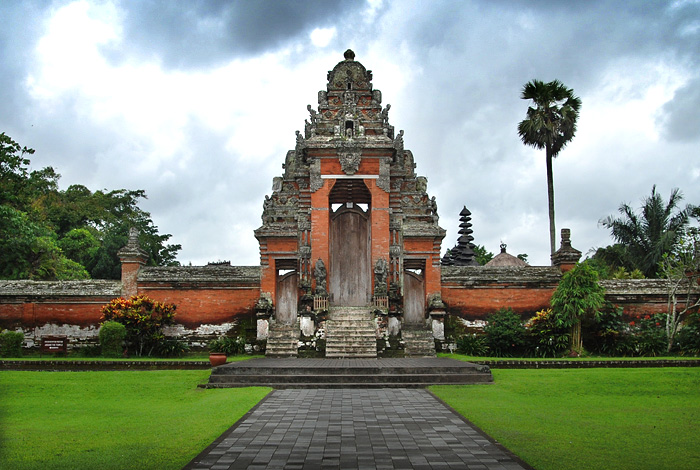
Mengwi, Indonesia
Pura Taman Ayun is a compound of Balinese temple and garden located in Mengwi district (kecamatan) in Badung Regency, Bali, Indonesia. Its water features are an integral part of the local subak system.
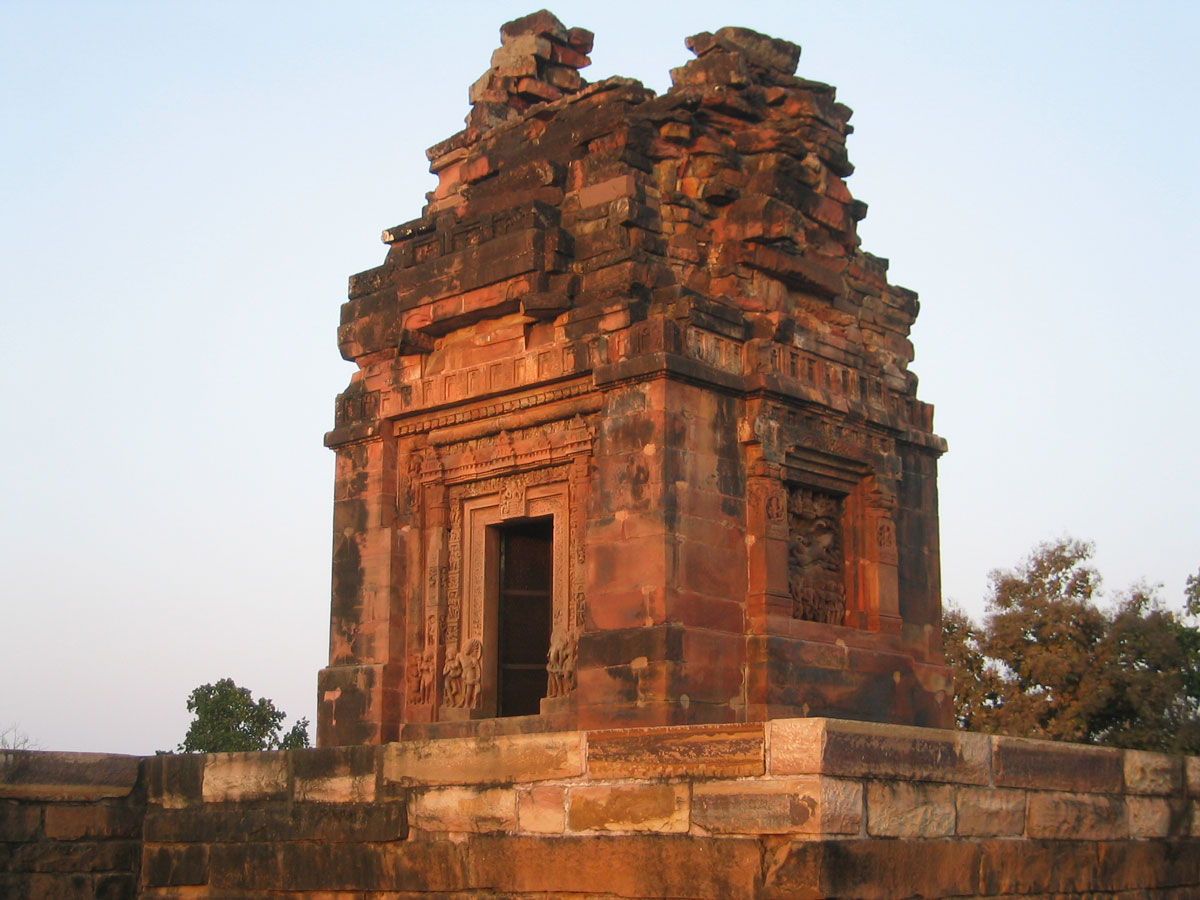
Lalitpur district, India
Founded: 500 CE
The Dashavatara Temple is an early 6th century Hindu temple located at Deogarh, Lalitpur district, Uttar Pradesh which is 125 kilometers from Jhansi, in the Betwa River valley in northern-central India. It has a simple, one cell square plan and is one of the earliest Hindu stone temples still surviving today. Built in the Gupta Period, the Dashavatara Temple at Deogarh shows the ornate Gupta style architecture.
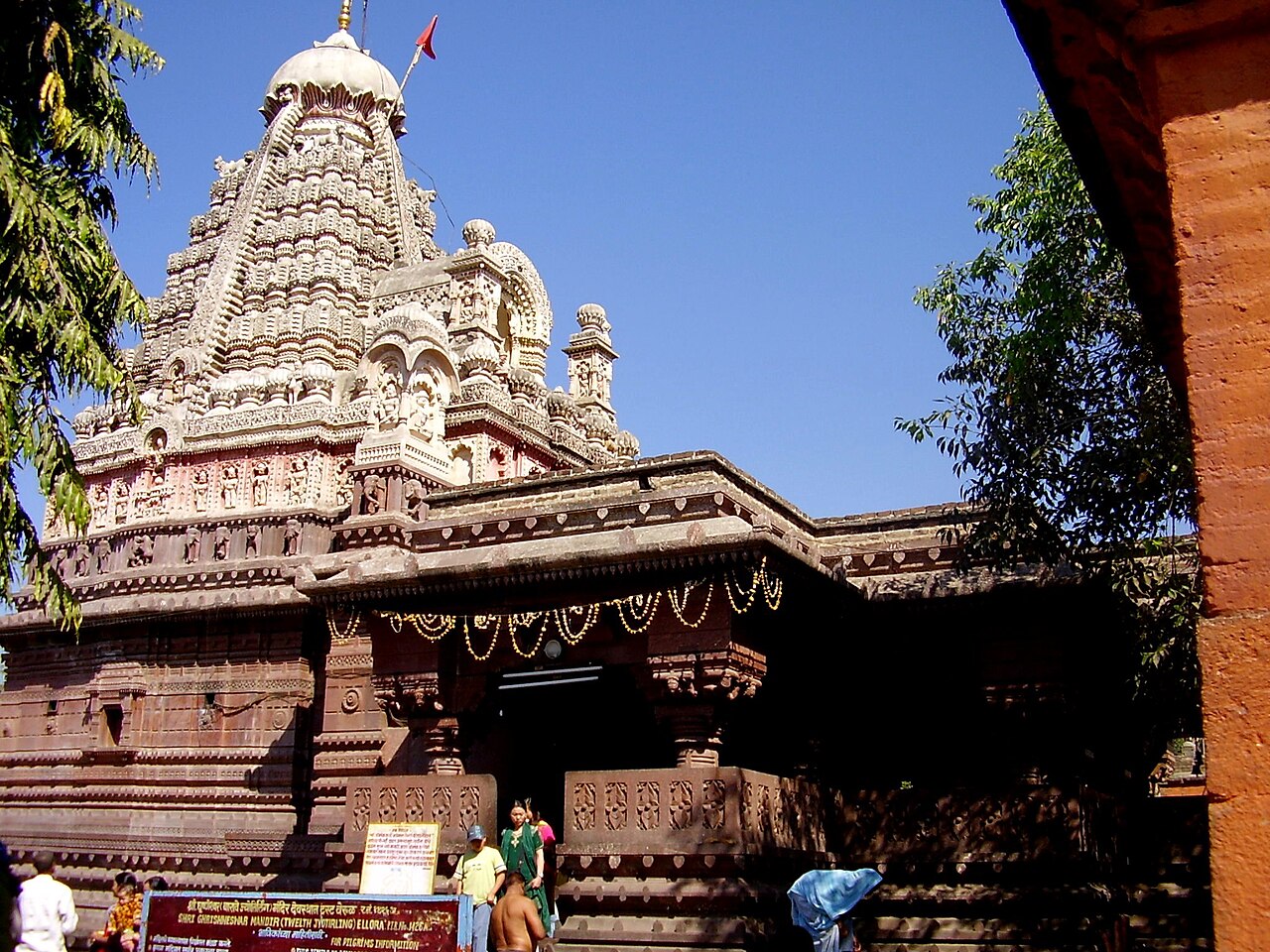
Aurangabad district, India
Deity: Shiva
Ghrishneshwar Jyotirlinga, also known as Grishneswhar, is a Hindu temple of Shiva in Verul village of Aurangabad district, Maharashtra. It is one of the 12 Jyotirlinga mandirs. The mandir is a national protected site, one and a half kilometers away from the Ellora Caves, 30 kilometres north-west of the Aurangabad, and 300 kilometres east-northeast far from Mumbai. Ghrishneshwar is mentioned in the Shiva Purana, the Skanda Purana, the Ramayana and the Mahabharata.
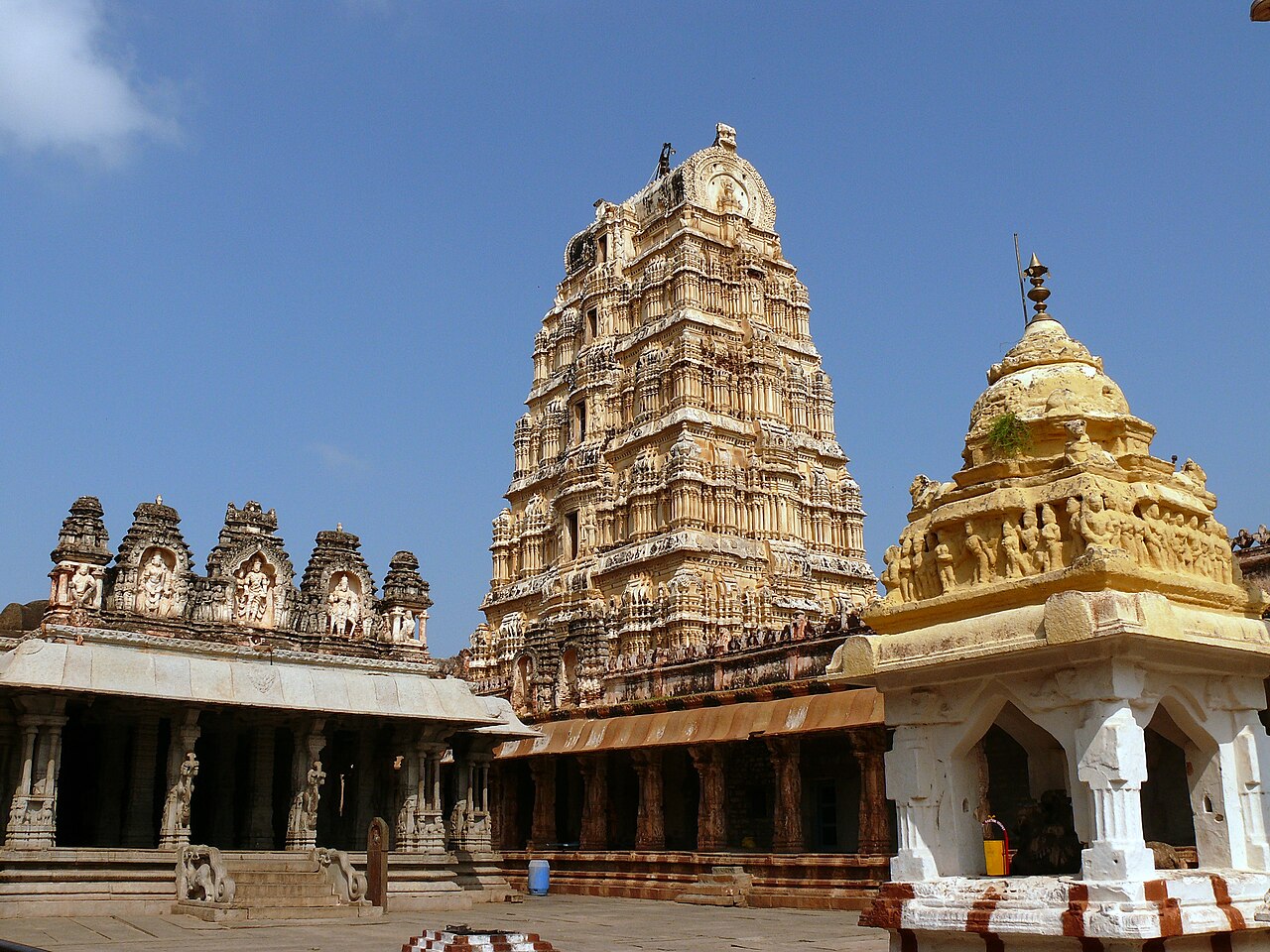
Vijayanagara District, India
Deity: Shiva
The Virūpaksha Temple is located in Hampi in the Vijayanagara district of Karnataka, India, situated on the banks of the river Tungabhadra. Built in the 7th-century, it is dedicated to Virupaksha, a form of Shiva. It is part of the Group of Monuments at Hampi, designated as a UNESCO World Heritage Site. The temple was expanded by Lakkan Dandesha, a nayaka (chieftain) under the ruler Deva Raya II, also known as Prauda Deva Raya of the Vijayanagara Empire.
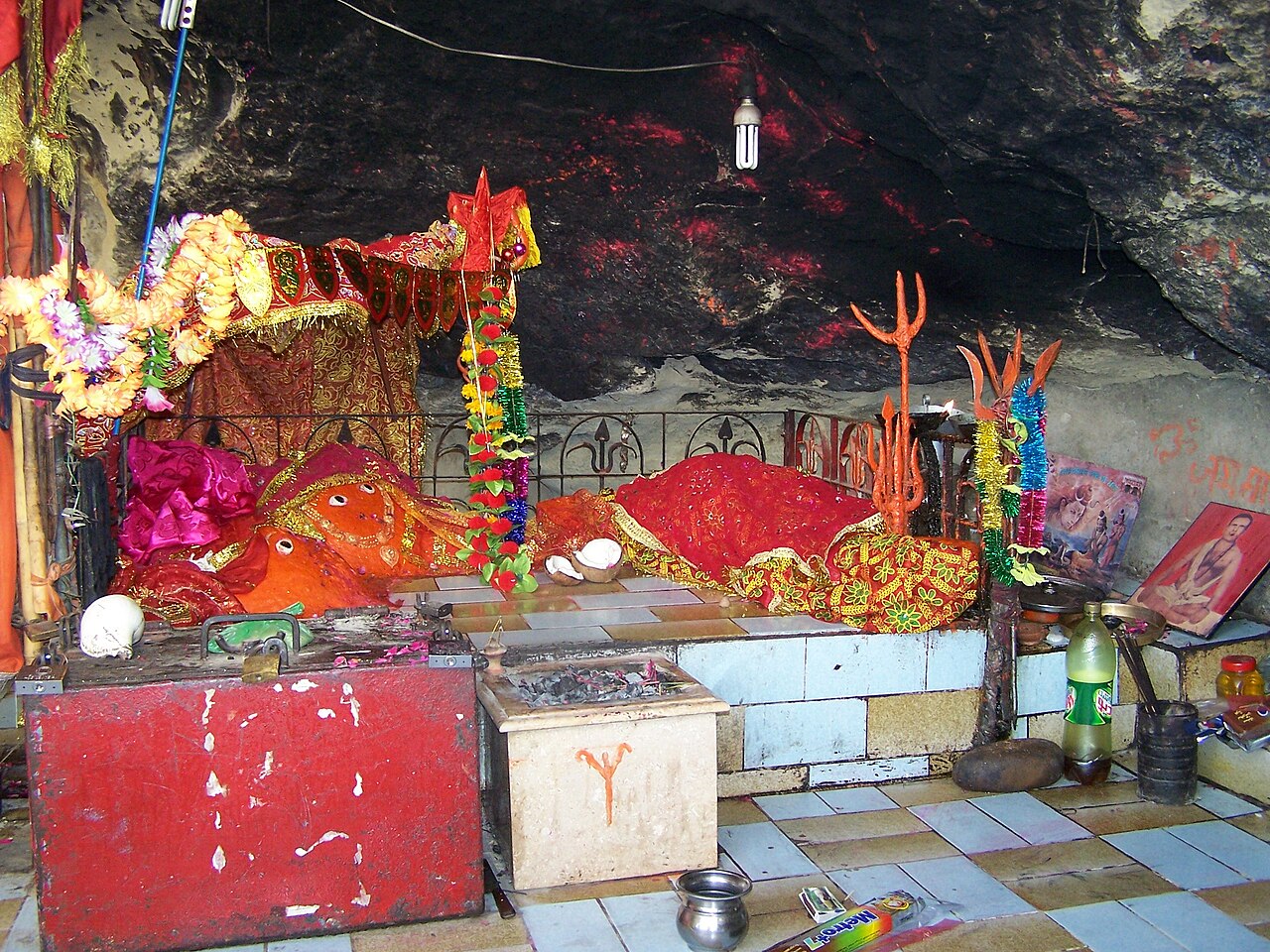
Lasbela District, Pakistan
Hinglaj Mata, also known as Hinglaj Devi, Hingula Devi and Nani Mandir, is a Hindu temple in Hinglaj, a town on the Makran coast in the Lasbela district of Balochistan, Pakistan. It lies in the middle of the Hingol National Park. It is one of the 51 Shakta pithas in Shaktism denomination of Hinduism. It is one of the two Shakta pithas in Pakistan, the other one being Sharada Peeth in the Neelum Valley of Pakistan-Administered Jammu and Kashmir (AJK). It is a form of Durga or Devi in a mountain cavern on the banks of the Hingol River. Over the last three decades the place has gained increasing popularity and become a unifying point of reference for Pakistan's many Hindu communities.
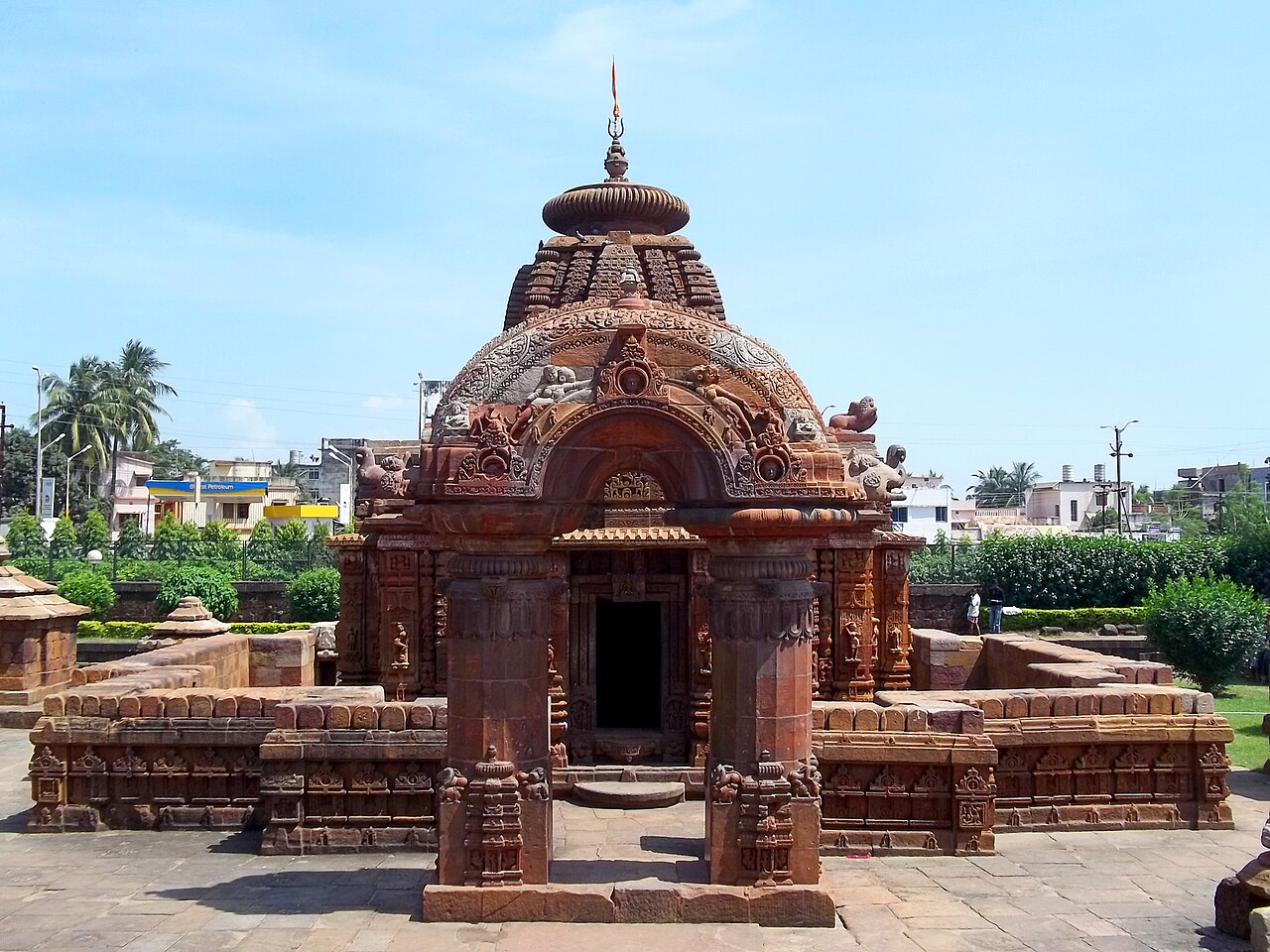
Bhubaneswar, India
Deity: Shiva
Founded: 1000
Mukteshwara Temple is a 10th-century Hindu temple dedicated to Shiva located in Bhubaneswar, Odisha, India. The temple dates back to 950–975 CE and is a monument of importance in the study of the development of Hindu temples in Odisha. The stylistic development of the Mukteswara Temple marks the culmination of all earlier developments, and initiates a period of experiment which continues for an entire century, as seen in such temples as the Rajarani Temple and Lingaraj temple, both located in Bhubaneswar. It is one of the prominent tourist attractions of the city.
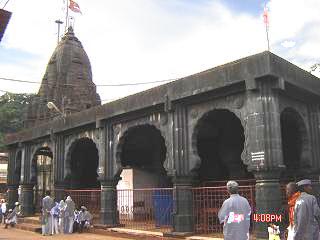
Maharashtra, India
Deity: Shiva
Bhimashankar Temple is a Hindu temple dedicated to Shiva situated in its eponymous village, Bhimashankar, in Pune district of Maharashtra. It is a key pilgrimage centre and contains one of the 12 Jyotirlingas. The temple's Shiva lingam is one of the three Jyotirlingas of Maharashtra. The mandir is situated on a mountain, 110 kilometers away from Pune. The temple's vicinity has rare plant and animal species. The mandir is located in Khed taluka, in the Bhimashankar forest range.
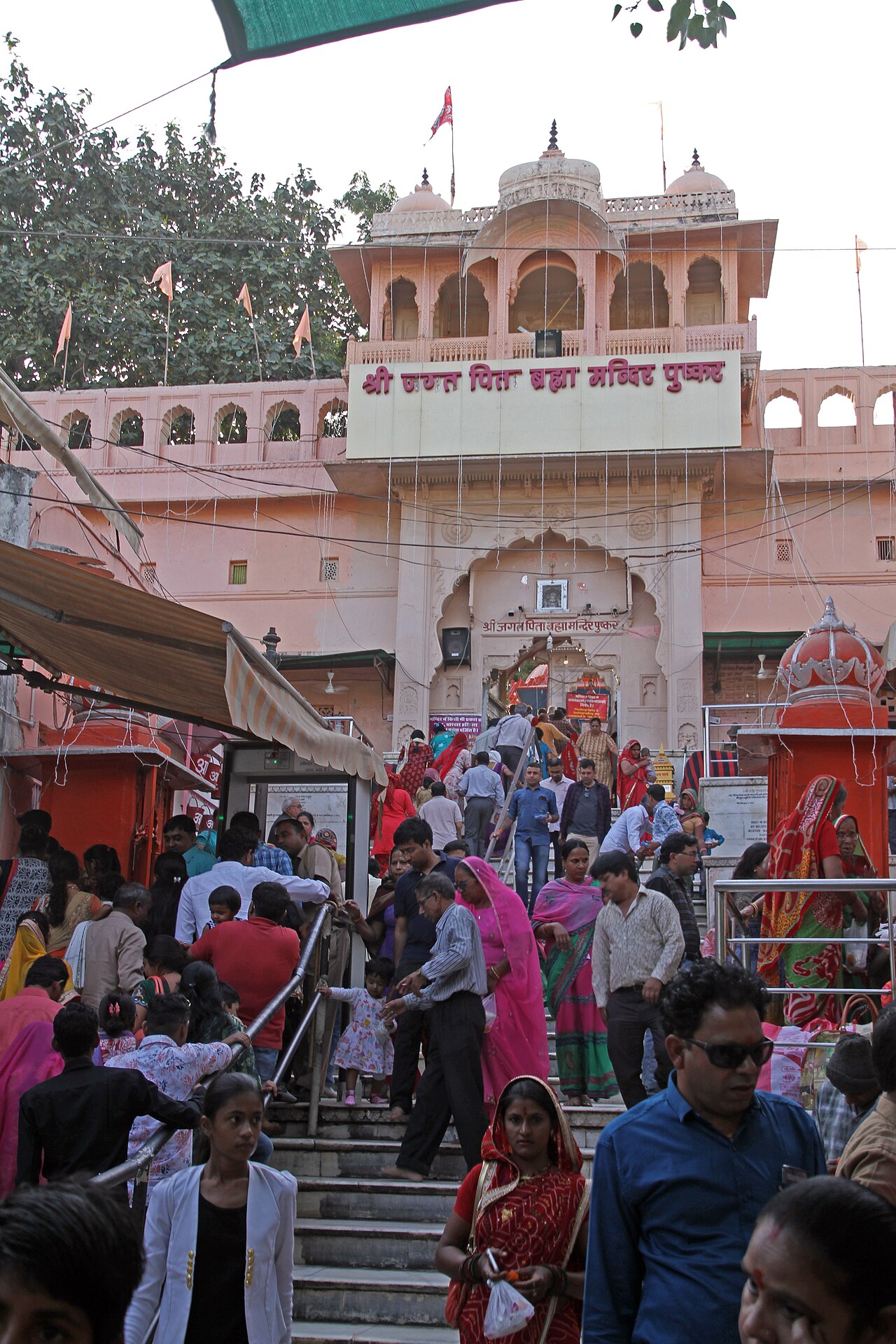
Ajmer district, India
Deity: Brahma
Brahma Temple, Pushkar is a Hindu temple situated at Pushkar in the Indian state of Rajasthan, close to the sacred Pushkar Lake to which its legend has an indelible link.
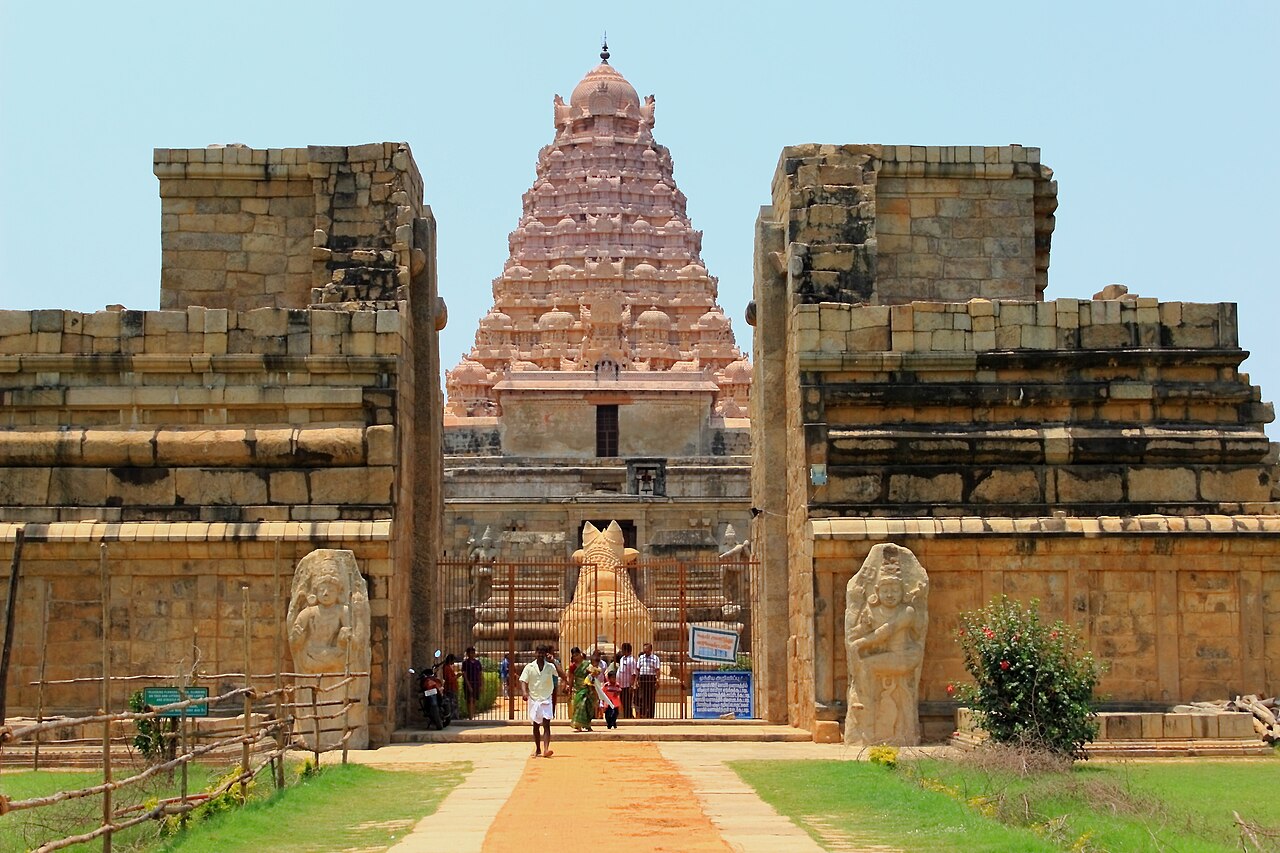
Ariyalur district, India
Founded: 1035
The Brihadisvara Temple is a Hindu temple dedicated to Shiva in Gangaikonda Cholapuram, Jayankondam, in the South Indian state of Tamil Nadu. Completed in 1035 CE by Rajendra Chola I as a part of his new capital, this Chola dynasty era temple is similar in design, and has a similar name, as the older 11th century, Brihadeeswarar Temple about 70 kilometres (43 mi) to the southwest in Thanjavur. The Gangaikonda Cholapuram Temple is smaller yet more refined than the Thanjavur Temple. Both are among the largest Shiva temples in South India and examples of Dravidian style temples. The temple is also referred to in texts as Gangaikonda Cholapuram Temple or Gangaikondacholeeswaram Temple
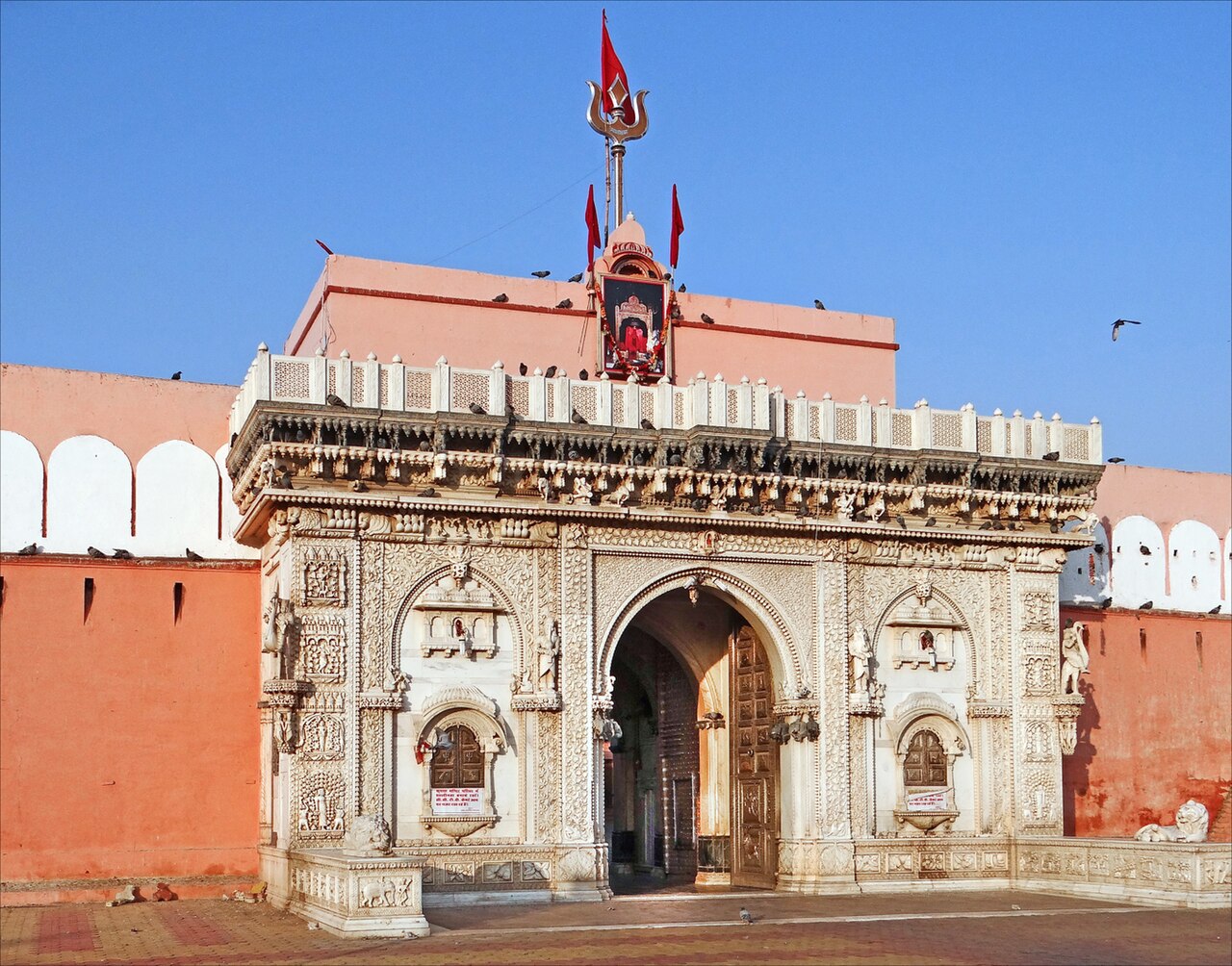
Bikaner district, India
Deity: Karni Mata
Karni Mata Temple of Deshnoke, also known as Madh Deshnoke, is a prominent Hindu temple dedicated to Karni Mata at the town of Deshnoke, located 30 km south of Bikaner, in Rajasthan. It has become the most important pilgrimage site for devotees of Charani sagatis after access to Hinglaj was restricted following the partition of India. The temple is also a popular destination for tourists and pilgrims and is renowned, both in India and internationally, as the "Temple of Rats" due to the numerous rodents known as kābā which are considered holy and treated with utmost care by devotees. This is sometimes upheld as exemplary of an "environmentally conscious Hindu ethos".