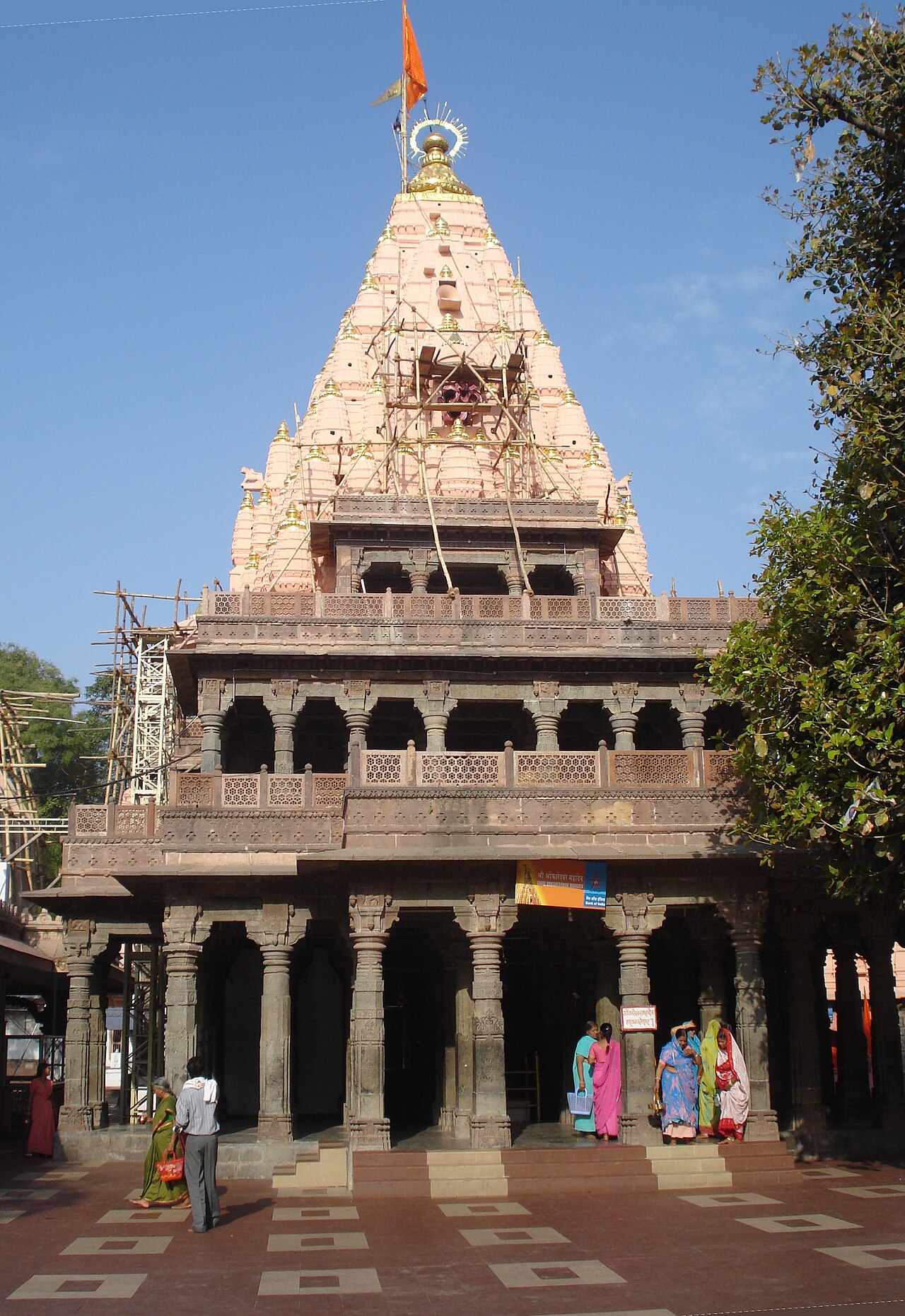
Madhya Pradesh, India
Deity: Shiva
Mahakaleshwar Jyotirlinga is a Hindu temple dedicated to Shiva and is one of the twelve Jyotirlingas, shrines which are said to be the most sacred abodes of Shiva. It is located in the ancient city of Ujjain in the state of Madhya Pradesh, India. The temple is situated on the side of the holy river Shipra. The presiding deity, Shiva in the lingam form is believed to be Swayambhu, deriving currents of power (Shakti) from within itself as against the other images and lingams that are ritually established and invested with mantra-shakti.
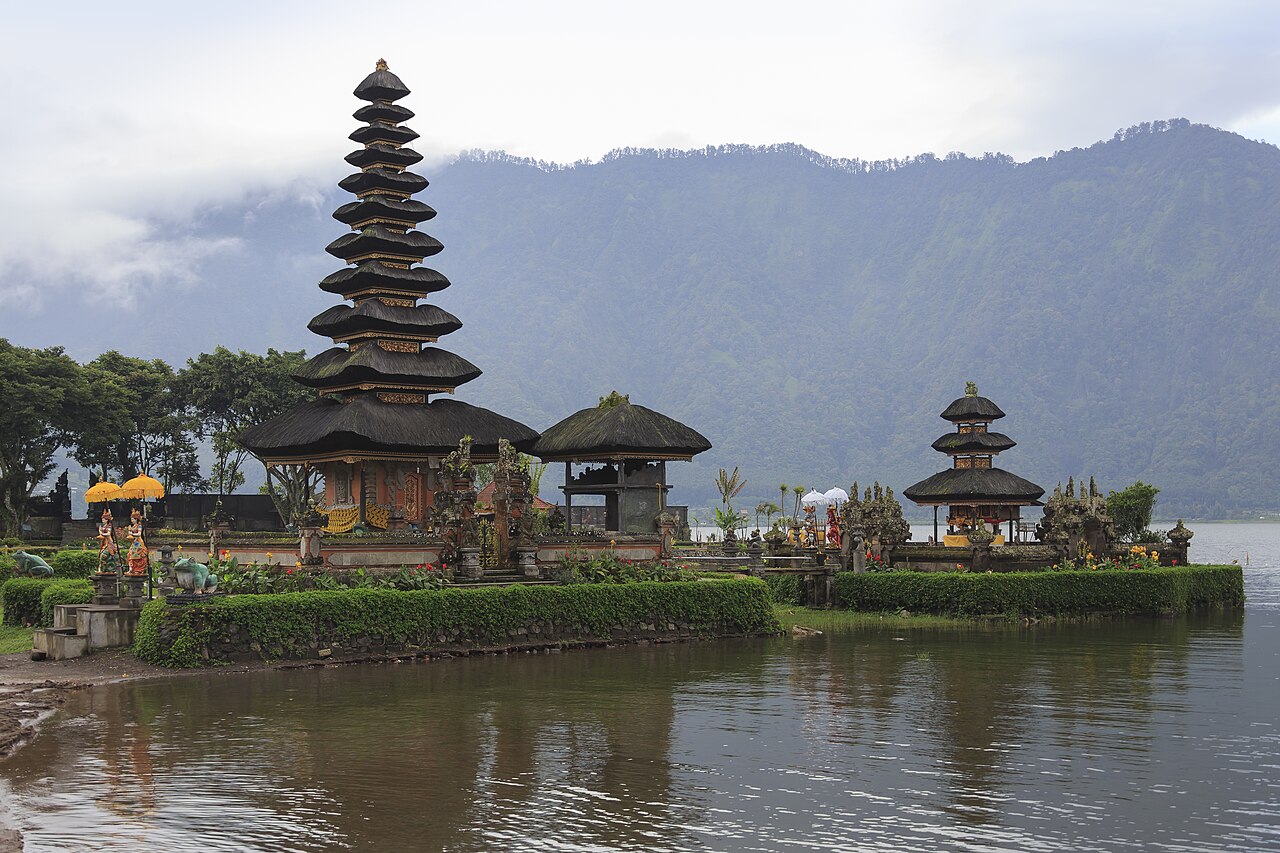
Tabanan, Indonesia
Founded: 1633
Pura Ulun Danu Beratan, or Pura Bratan, is a major Hindu Shaivite temple in Bali, Indonesia. The temple complex is on the shores of Lake Beratan in the mountains near Bedugul. The water from the lake serves the entire region in the outflow area; downstream there are many smaller water temples that are specific to each irrigation association (subak).
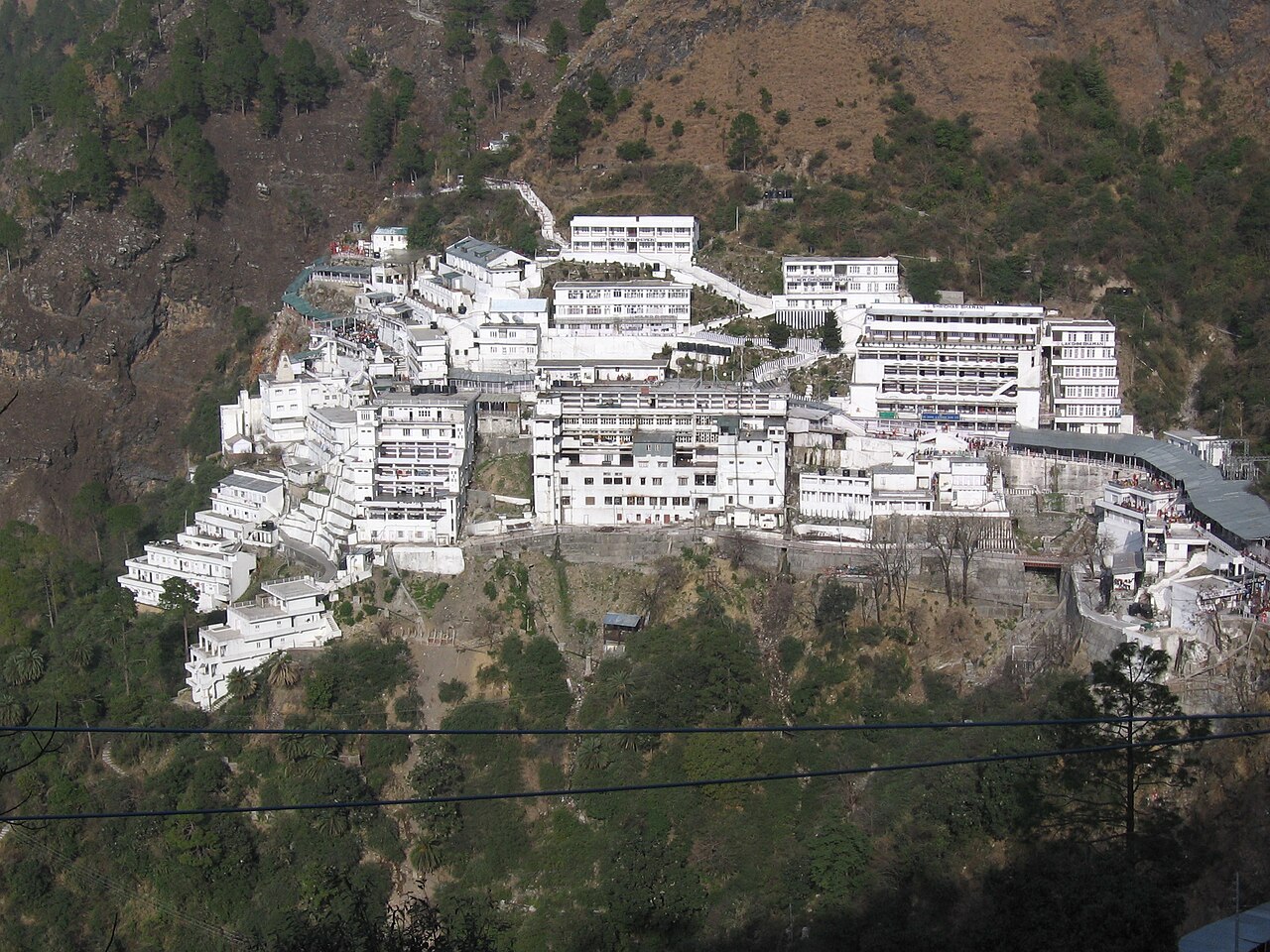
Katra, India
Deity: Vaishno Devi
The Vaishno Devi Temple, also known as the Shri Mata Vaishno Devi Temple and Vaishno Devi Bhavan, is a Hindu temple in Katra, Reasi district, Jammu and Kashmir. Dedicated to Vaishno Devi, a manifestation of goddesses Mahakali, Mahalakshmi, and Mahasarasvati, it is on Trikuta mountain at an elevation of 5,200 feet. The temple is 43 km from the main city of Jammu and 29 km from the district headquarters Reasi town. The temple is governed by the Shri Mata Vaishno Devi Shrine Board (SMVDSB) and has been chaired by the Governor of Jammu and Kashmir since August 1986.
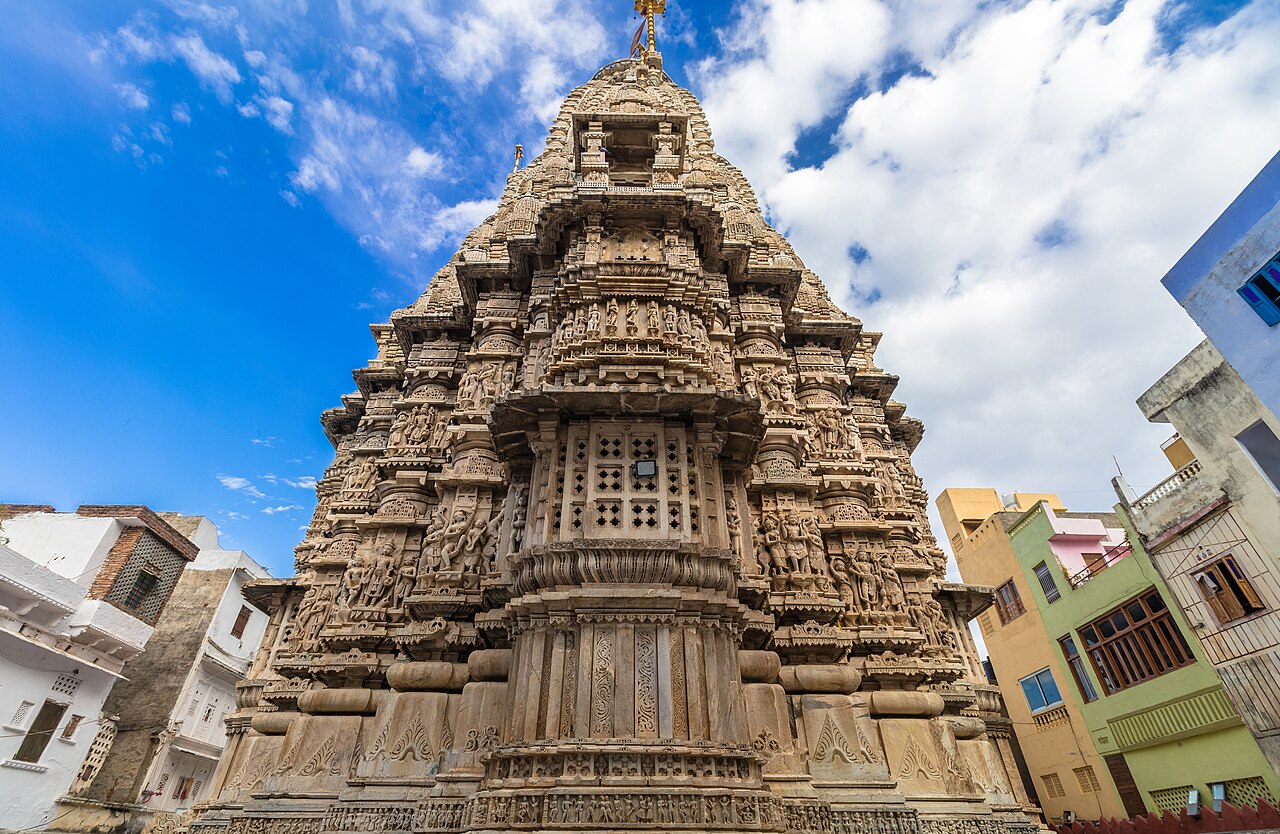
Udaipur, India
Deity: Vishnu
Founded: 1651
Jagdish Temple is a large Hindu temple in the middle of Udaipur in Rajasthan, just outside the royal palace. It has been in continuous worship since 1651. A big tourist attraction, the temple was originally called the temple of Jagannath Rai but is now called Jagdish-ji. It is a major monument in Udaipur.
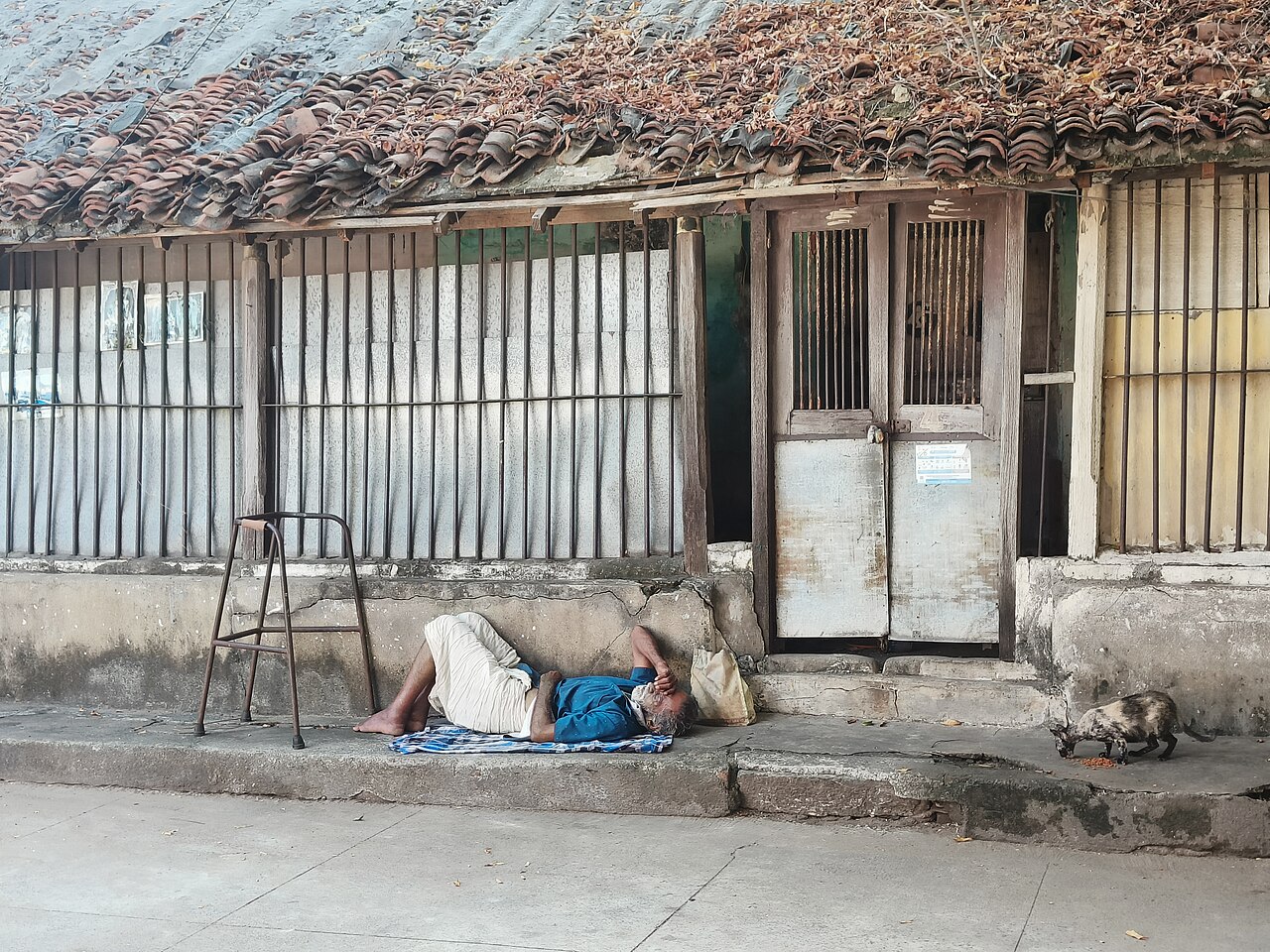
Mylapore, India
Deity: Shiva
Founded: 650 CE
The Kapaleeshwarar Temple is a Hindu temple dedicated to the god Shiva. It is located in Mylapore, Chennai in the Indian state of Tamil Nadu. The temple was built around the 17th century A.D. and is an example of South Indian Architecture.
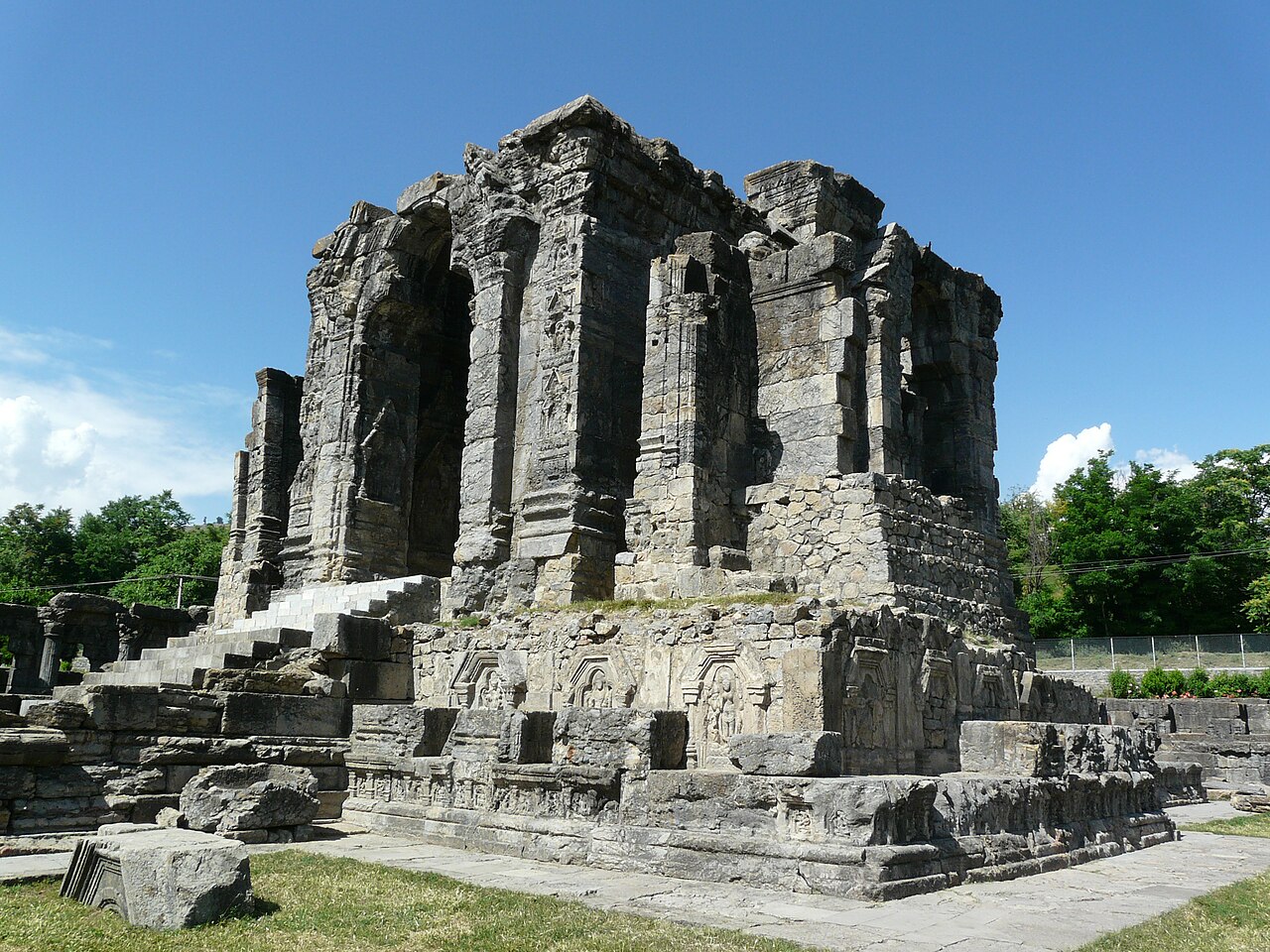
Anantnag district, India
Deity: Mārtanda
The Martand Sun Temple is a Hindu temple located in Mattan, in the Anantnag district of the Kashmir Valley of Jammu and Kashmir, India. It dates back to the eighth century CE and was dedicated to Surya, the solar deity in Hinduism; Surya is also known by the Sanskrit-language synonym Martand. The temple was destroyed by Sikandar Shah Miri.
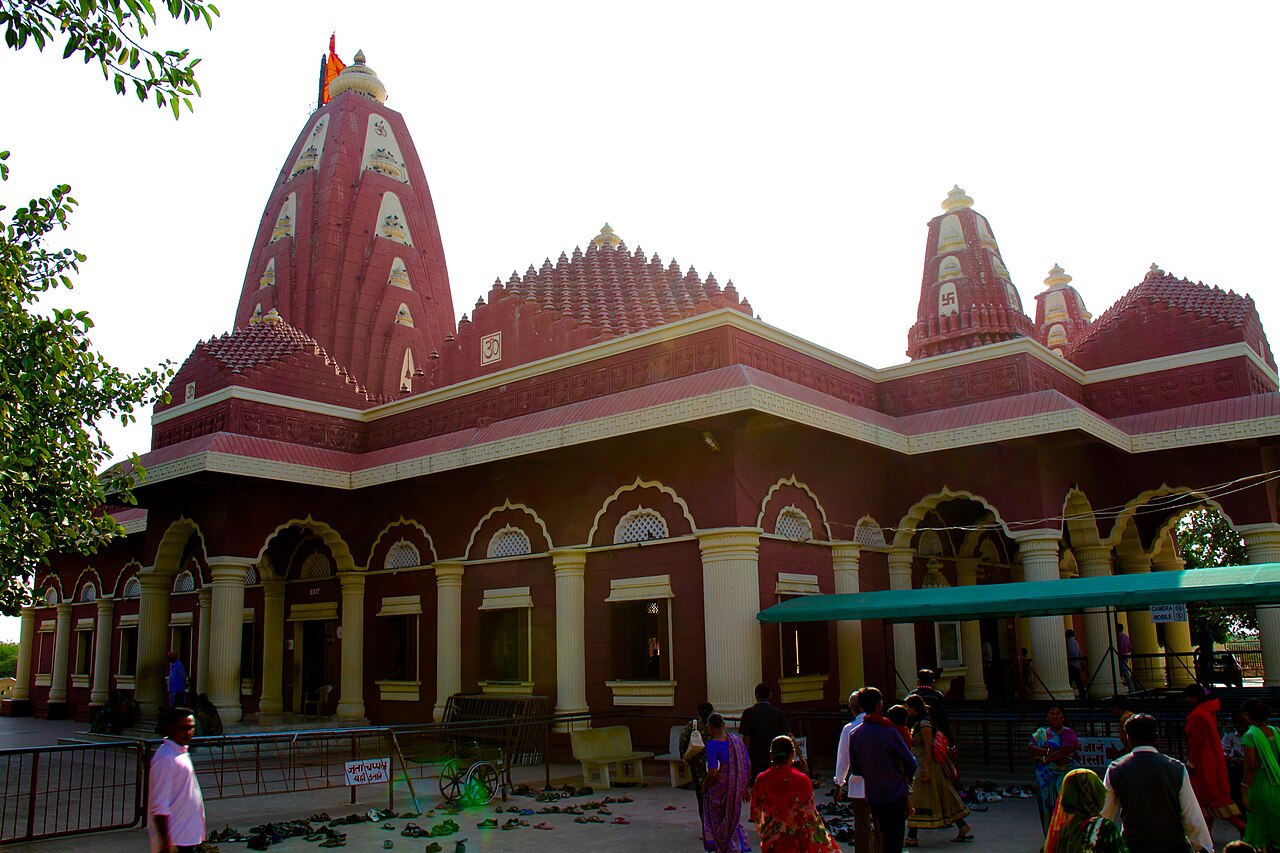
Dwarka Taluka, India
Deity: Shiva
Nageshwar Temple is a Hindu temple dedicated to the Hindu god Shiva located on Dwarka, Gujarat, India. It is one of the legendary temples mentioned in the Shiva Purana and one of the twelve Jyotirlingas.
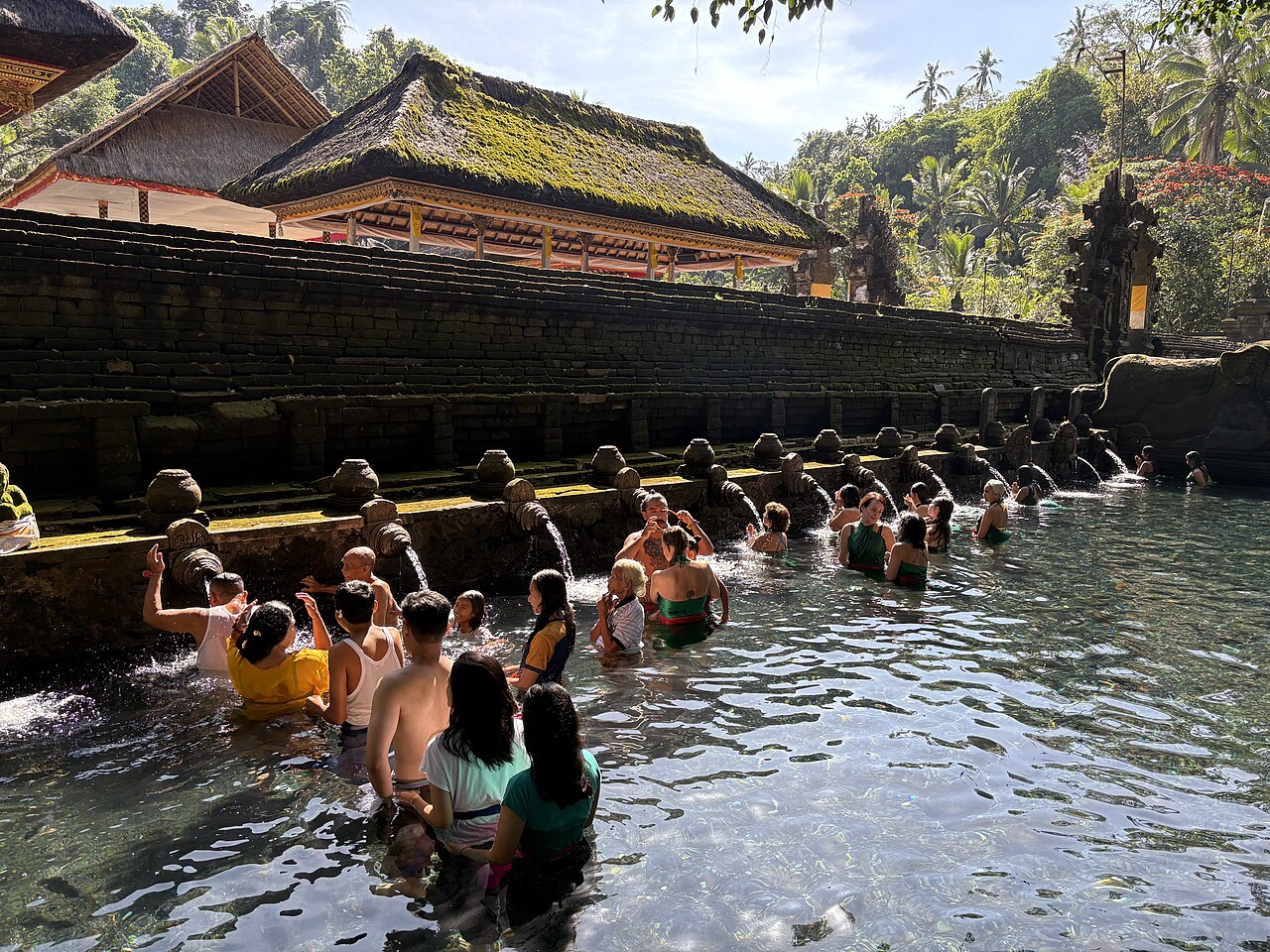
Tampaksiring, Indonesia
Deity: Vishnu
Tirta Empul temple is a Hindu Balinese water temple located near the town of Tampaksiring, Bali, Indonesia. The temple compound consists of a petirtaan or bathing structure, famous for its holy spring water, where Balinese Hindus go to for a ritual purification called Melukat. The temple pond has a spring which gives out fresh water regularly, which Balinese Hindus consider to be holy or amritha. Tirta Empul which means holy spring that arises from the ground.
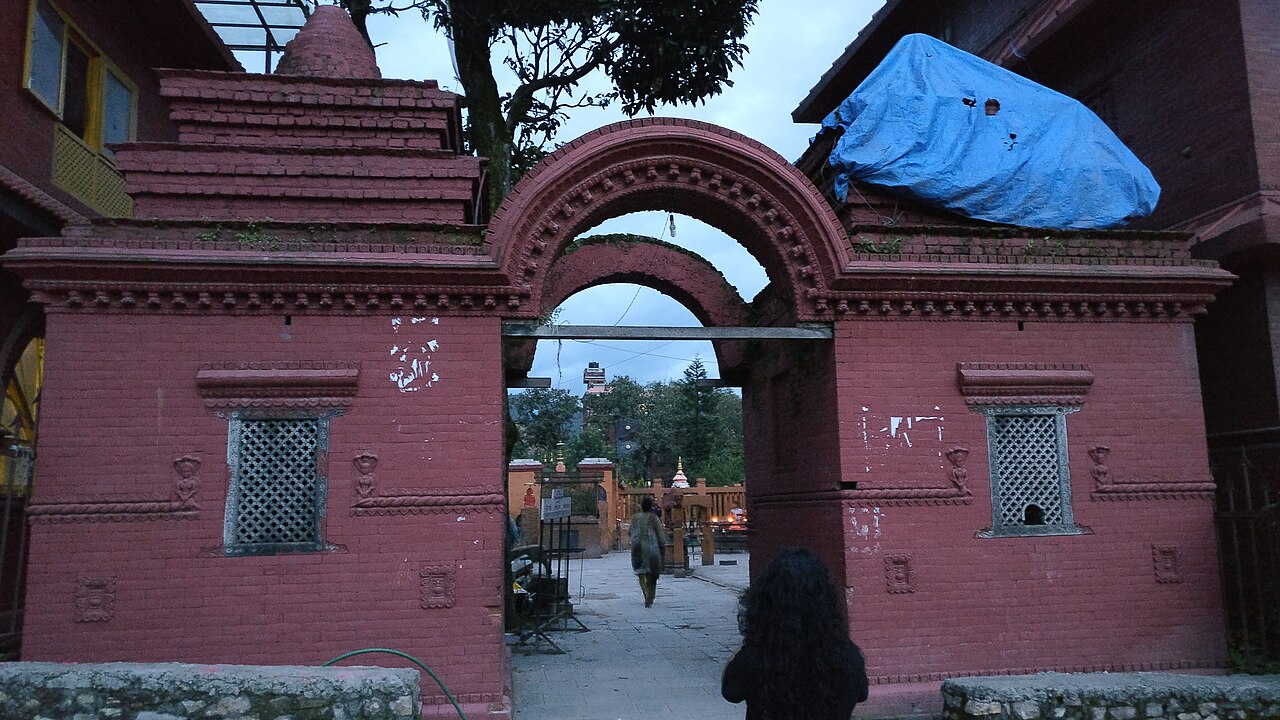
Budhanilkantha, Nepal
Budanilkantha Temple, located in Budhanilkantha, Nepal, is a Hindu open air temple dedicated to Lord Mahavishnu. Budhanilkantha Temple is also known as the Narayanthan Temple for Hindus, and can be identified by a large reclining statue of Lord Mahavishnu.
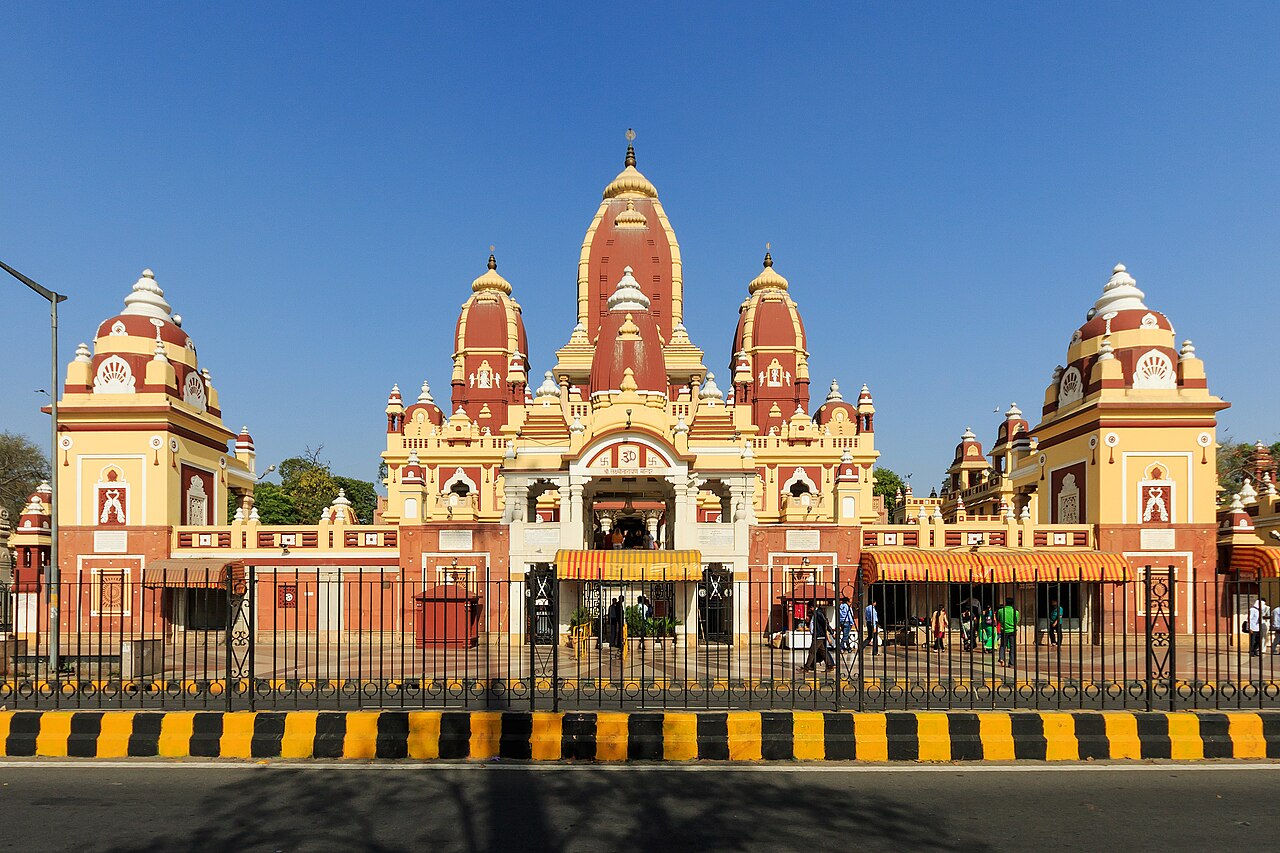
New Delhi, India
Laxminarayan Temple, commonly known as Birla Mandir, is a Hindu temple in New Delhi, India. Dedicated to Lakshmi and Vishnu in the dual representation of Lakshmi Narayana, it was built by the industrialist Jugal Kishore Birla between 1933 and 1939 and inaugurated by Mahatma Gandhi. Gandhi agreed to inaugurate the temple on the condition that it would be open to people of all castes. The temple is built in the Orissan architectural style and was the first large Hindu temple built in Delhi in the 20th century colonial era.
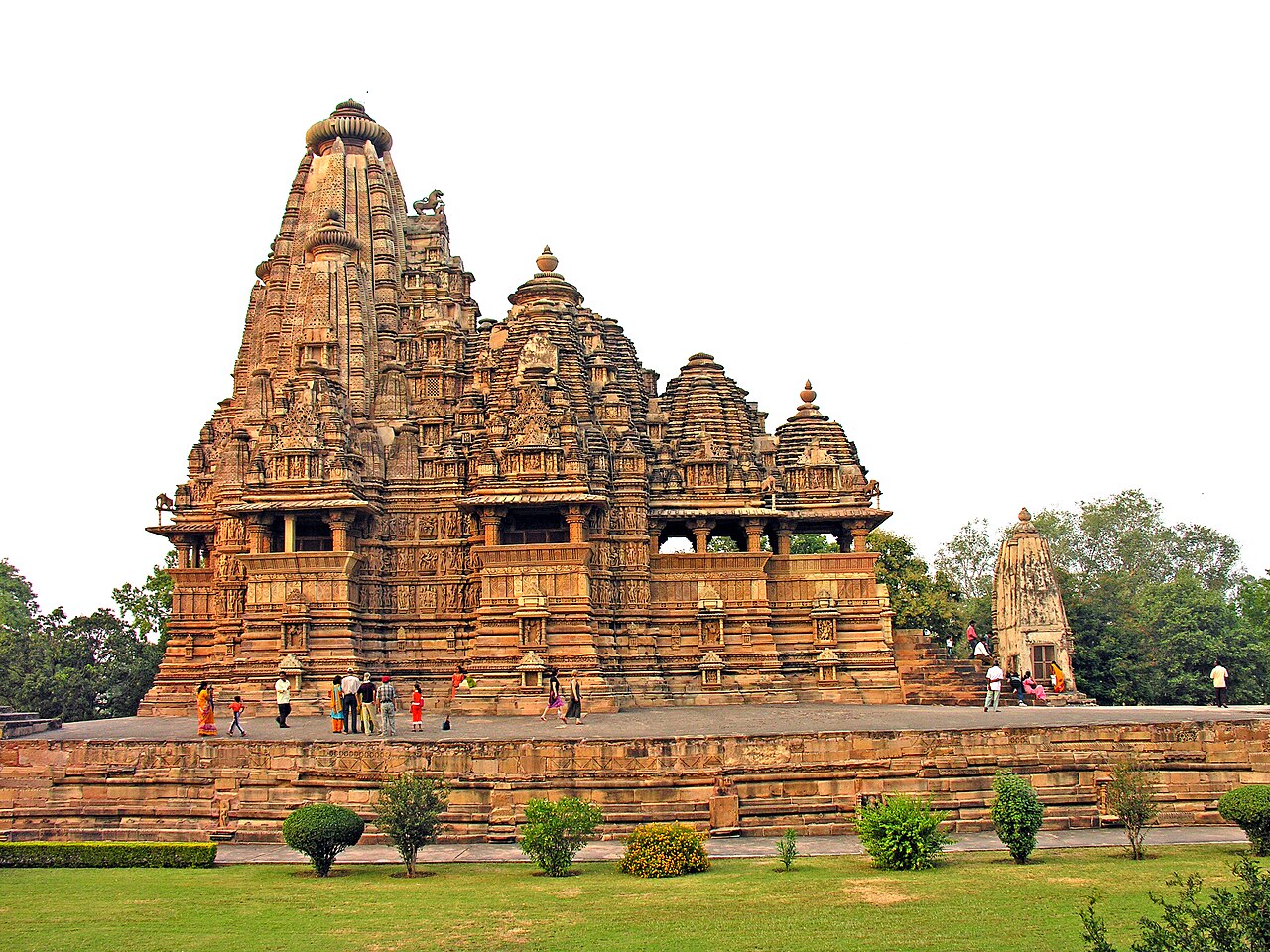
Chhatarpur district, India
Deity: Shiva
Founded: 1002
The Vishvanatha Temple is a Hindu temple in Madhya Pradesh, India. It is located among the western group of Khajuraho Monuments, a UNESCO World Heritage site. The temple is dedicated to Shiva, who is also known as "Vishvanatha", meaning "Lord of the Universe".
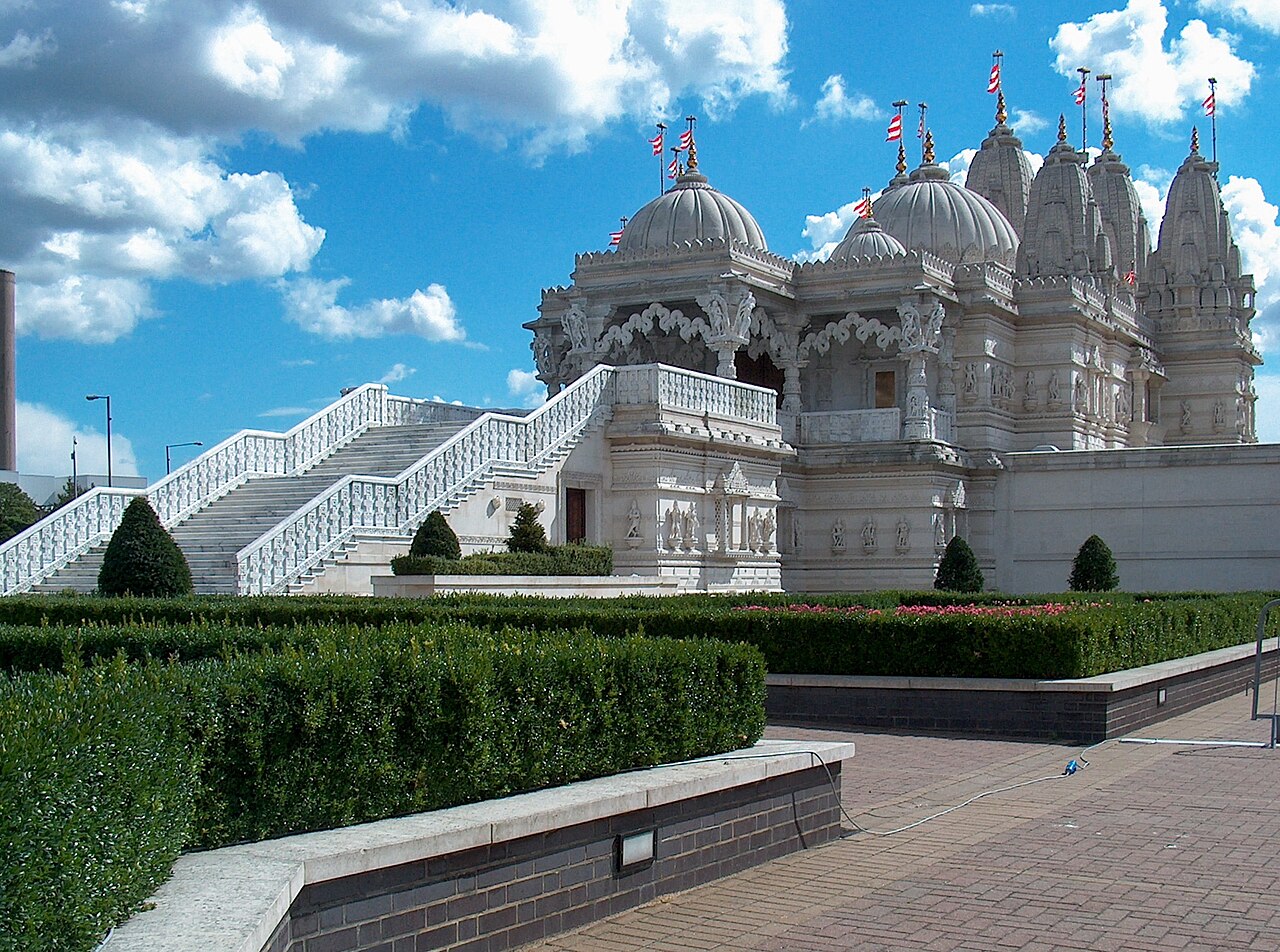
London, United Kingdom
Founded: 1995
BAPS Shri Swaminarayan Mandir is a Hindu temple in Neasden, London, England. Built entirely using traditional methods and materials, the Swaminarayan mandir has been described as being Britain's first authentic Hindu temple. It was also Europe's first traditional Hindu stone temple, as distinct from converted secular buildings. It is a part of the Bochasanwasi Shri Akshar Purushottam Swaminarayan Sanstha (BAPS) organisation and was inaugurated in 1995 by Pramukh Swami Maharaj. The temple complex also consists of a permanent exhibition entitled "Understanding Hinduism" and a cultural centre housing an assembly hall, gymnasium, bookshop, and offices.
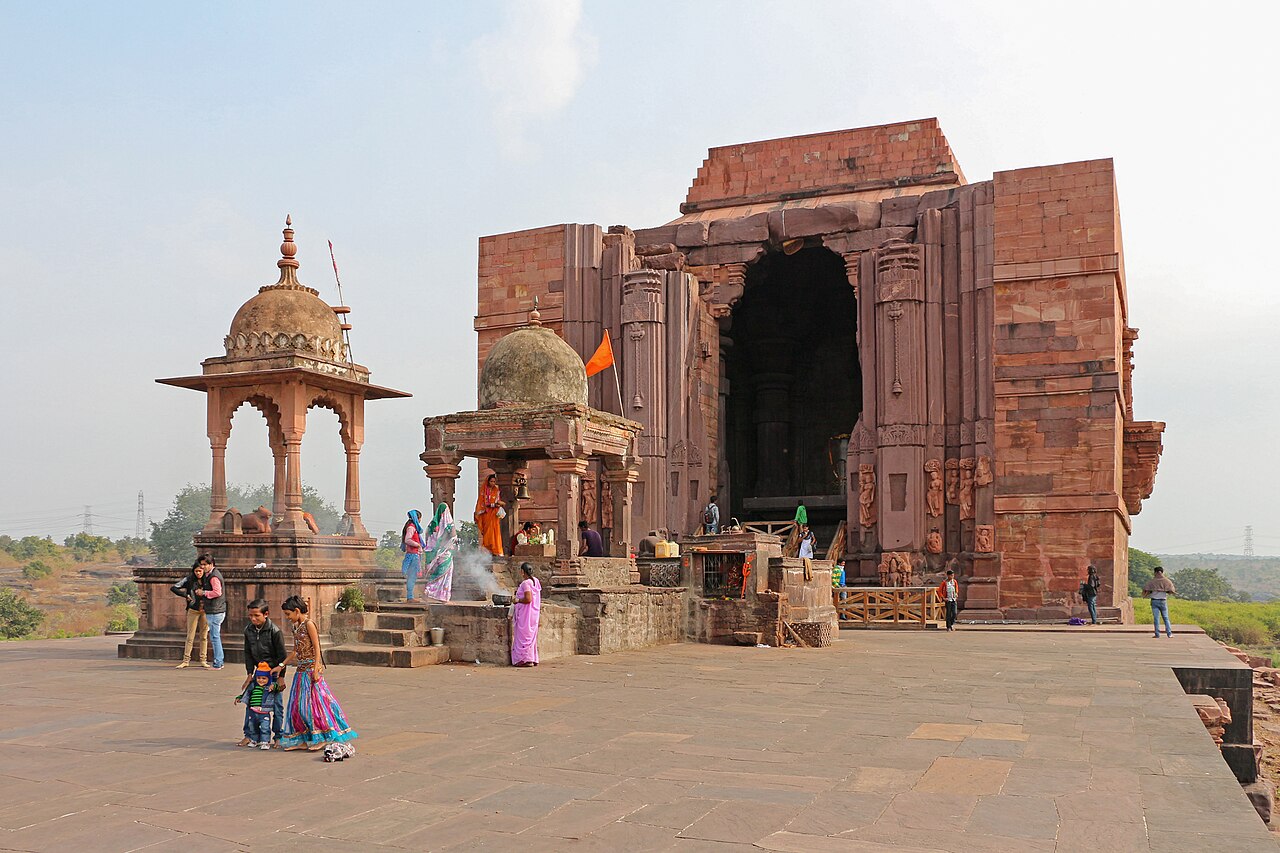
Raisen district, India
Deity: Shiva
The Bhojeshwar Temple is an incomplete Hindu temple in Bhojpur village of Madhya Pradesh, India. Dedicated to Shiva, it houses a 7.5-foot (2.3 m) high lingam in its sanctum.
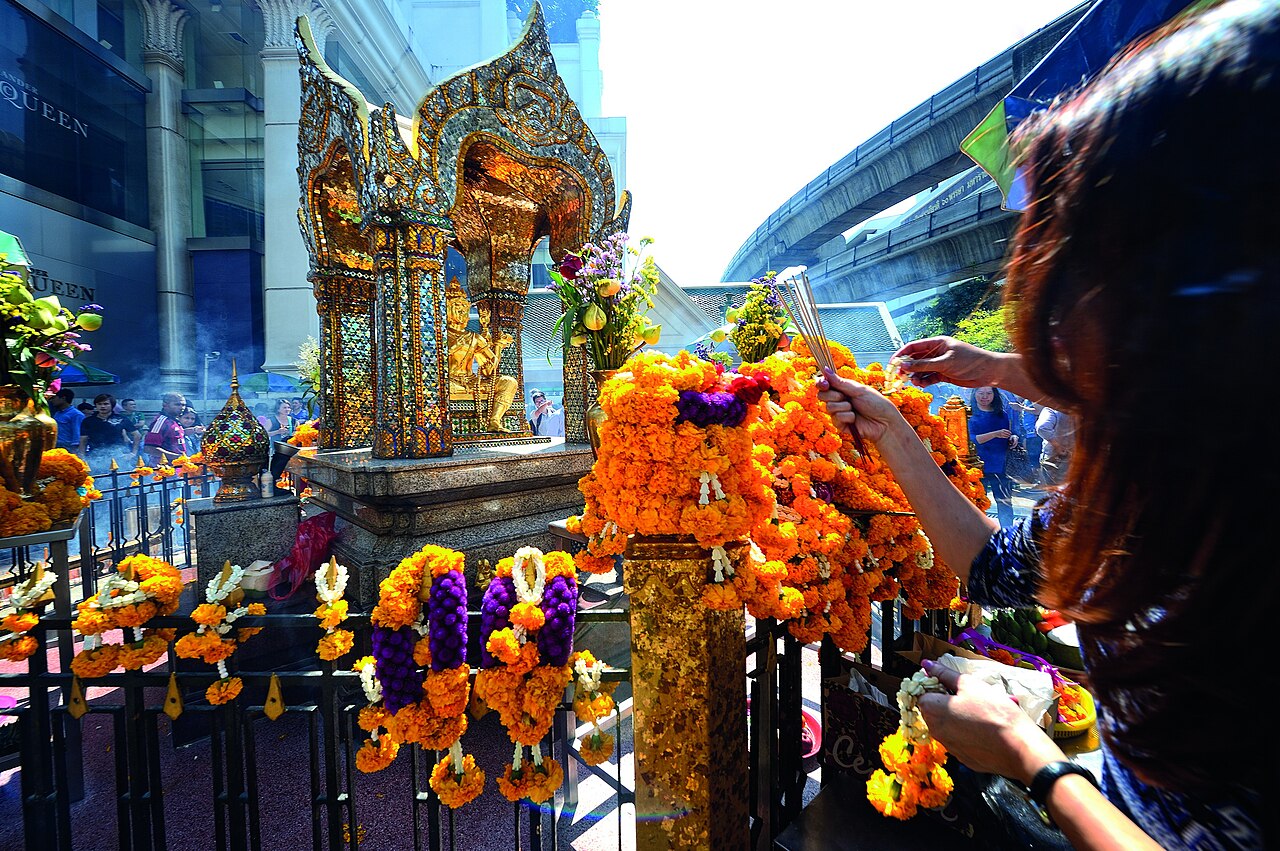
Lumphini, Thailand
Founded: 1956
The Erawan Shrine, formally the Thao Maha Phrom Shrine, is a shrine in Bangkok, Thailand, which houses a statue of Phra Phrom, the Thai representation of Brahma, the Hindu god of creation. The name also refers to Mahabrahma, the ruler of the Brahma realm in Buddhist cosmology.
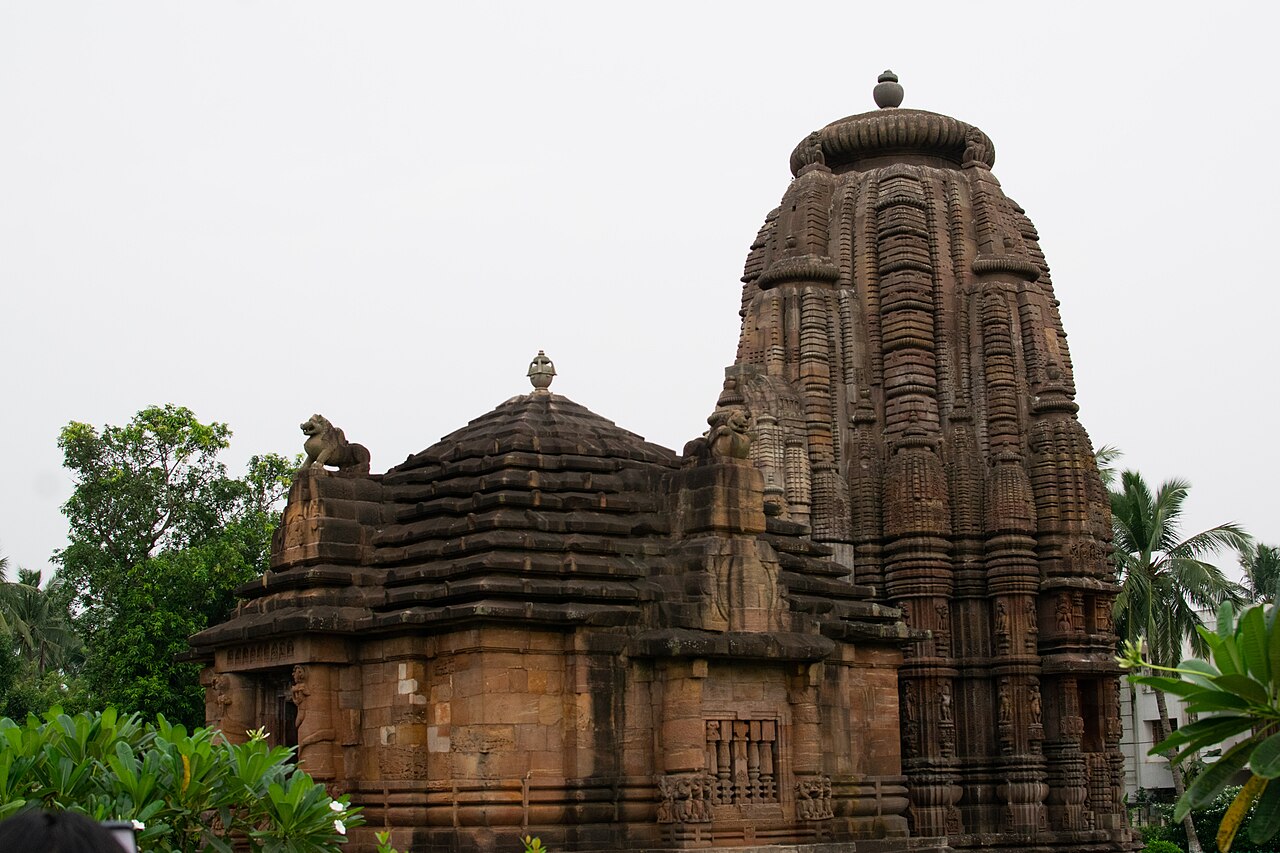
Bhubaneswar, India
Deity: Shiva
Rajarani Temple is an 11th-century CE Hindu temple located in Bhubaneswar, the capital city of Odisha, India. Believed to be devoted to Lord Shiva, the shrine is called Raja Rani because it is made of yellow and red sandstone and the two colors are locally called ‘Raja Rani’.
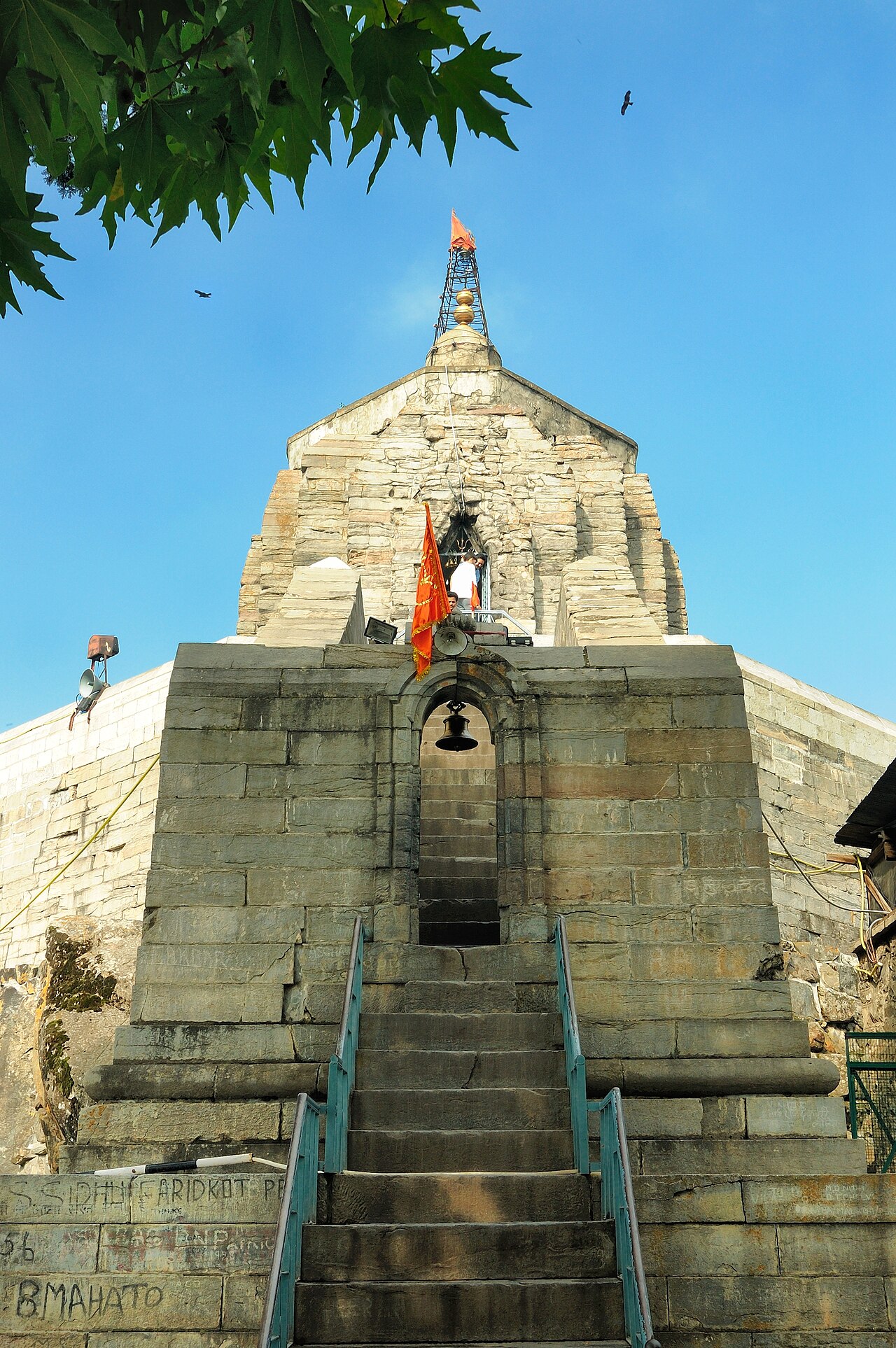
Srinagar district, India
Deity: Shiva
Shankaracharya Temple or Jyeshteshwara Temple is a Hindu temple situated on top of the Zabarwan Range in Srinagar in the Kashmir Valley of the union territory of Jammu and Kashmir, India. It is dedicated to Shiva. The temple is at a height of 1,000 feet (300 m) above the valley floor and overlooks the city of Srinagar. The temple is accessible via a road that emerges off Boulevard road near Gagribal.
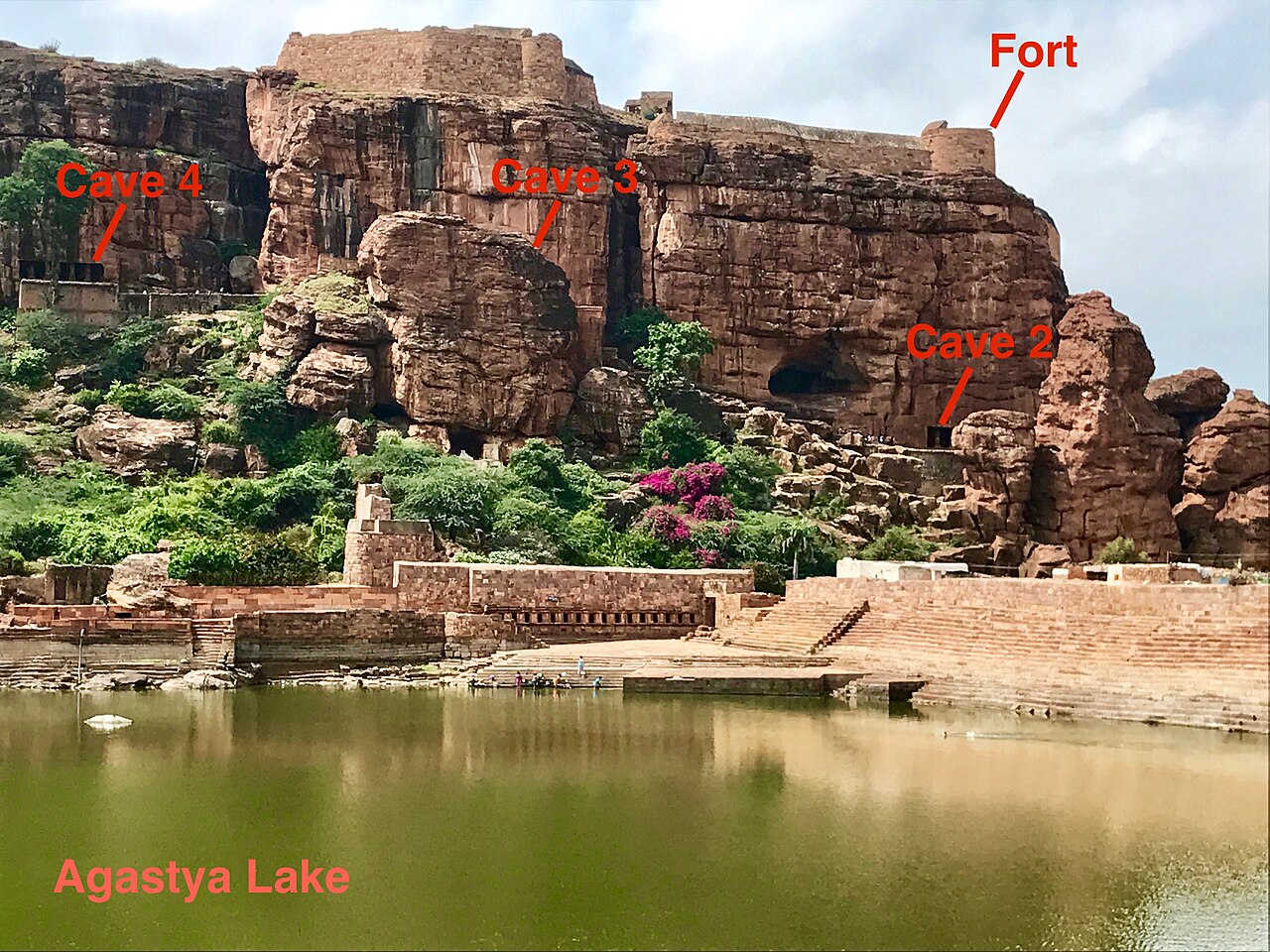
Badami, India
The Badami cave temples are a complex of Buddhist, Hindu and Jain cave temples located in Badami, a town in the Bagalkot district in northern part of Karnataka, India. The caves are important examples of Indian rock-cut architecture, especially Badami Chalukya architecture, and the earliest date from the 6th century. Badami is a modern name and was previously known as "Vataapi", the capital of the early Chalukya dynasty, which ruled much of Karnataka from the 6th to the 8th century. Badami is situated on the west bank of a man-made lake ringed by an earthen wall with stone steps; it is surrounded on the north and south by forts built during Early Chalukya and in later times.
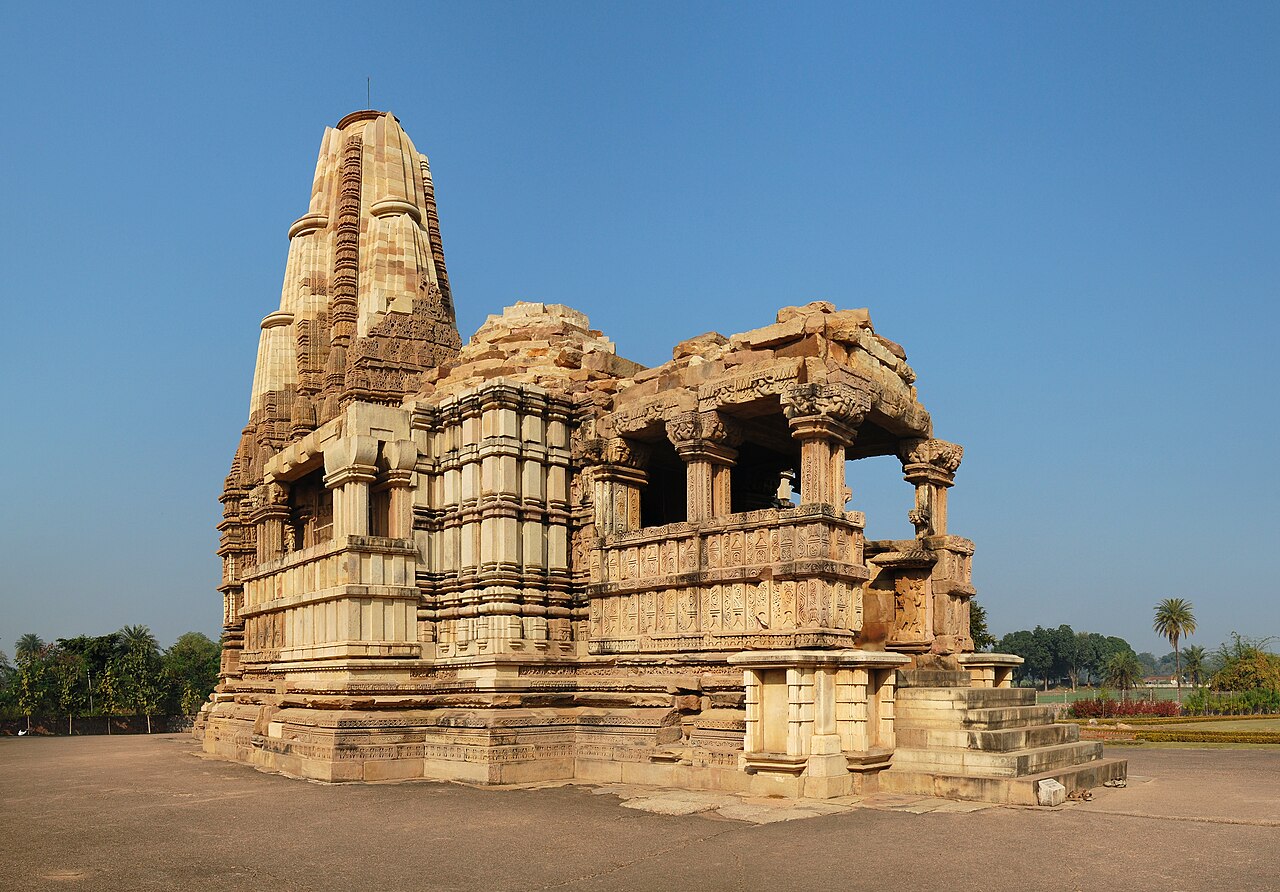
Chhatarpur district, India
Deity: Shiva
Founded: 1070
The Duladeo Temple is a Hindu temple in Khajuraho, Madhya Pradesh, India. The temple is dedicated to the god Shiva in the form of a linga, which is deified in the sanctum. 'Dulodeo' means "Holy Bridegroom". The temple is also known as "Kunwar Math". The temple faces east and is dated to 1000–1150 AD. It is the last of the temples built during the Chandela period. The temple is laid in the seven chariot plan (saptarata). The figurines carved in the temple have soft expressive features unlike other temples. The walls have a display of carved celestial dancers (apsara) in erotic postures and other figures.
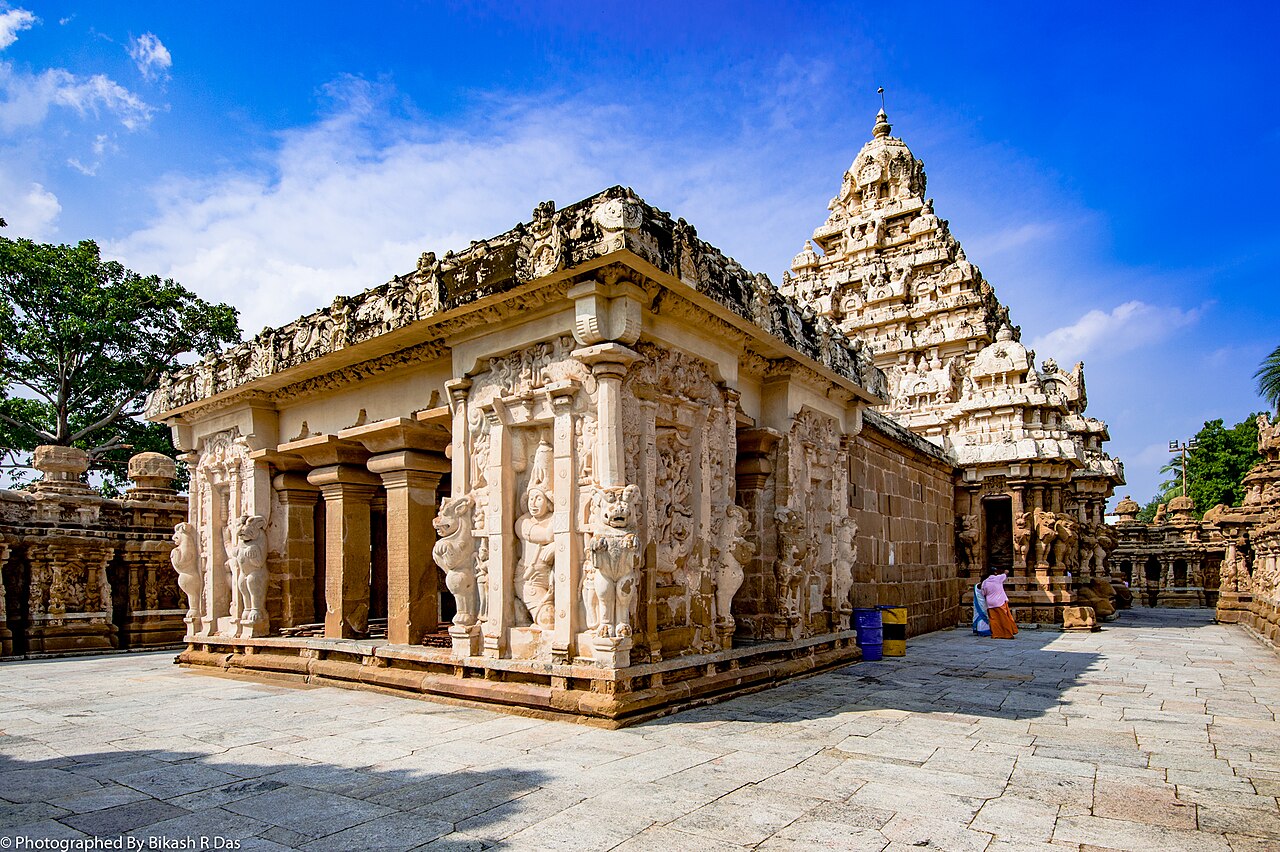
Kanchipuram, India
The Kailasanathar Temple, Kanchipuram, also referred to as the Kailasanatha temple, is a Pallava-era historic Hindu temple in Kanchipuram, Tamil Nadu, India. Dedicated to Shiva, it is one of the oldest surviving monuments in Kanchipuram. It reflects a Dravidian architecture and was built around 700 CE by Narasimhavarman II with additions by Mahendravarman III. A square-plan temple, it has a mukha-mandapa, a maha-mandapa and a primary garbha-griya (sanctum) topped with a four-storey vimana. The main sanctum is surrounded by nine shrines, seven outside and two inside flanking the entrance of the sanctum, all with forms of Shiva.
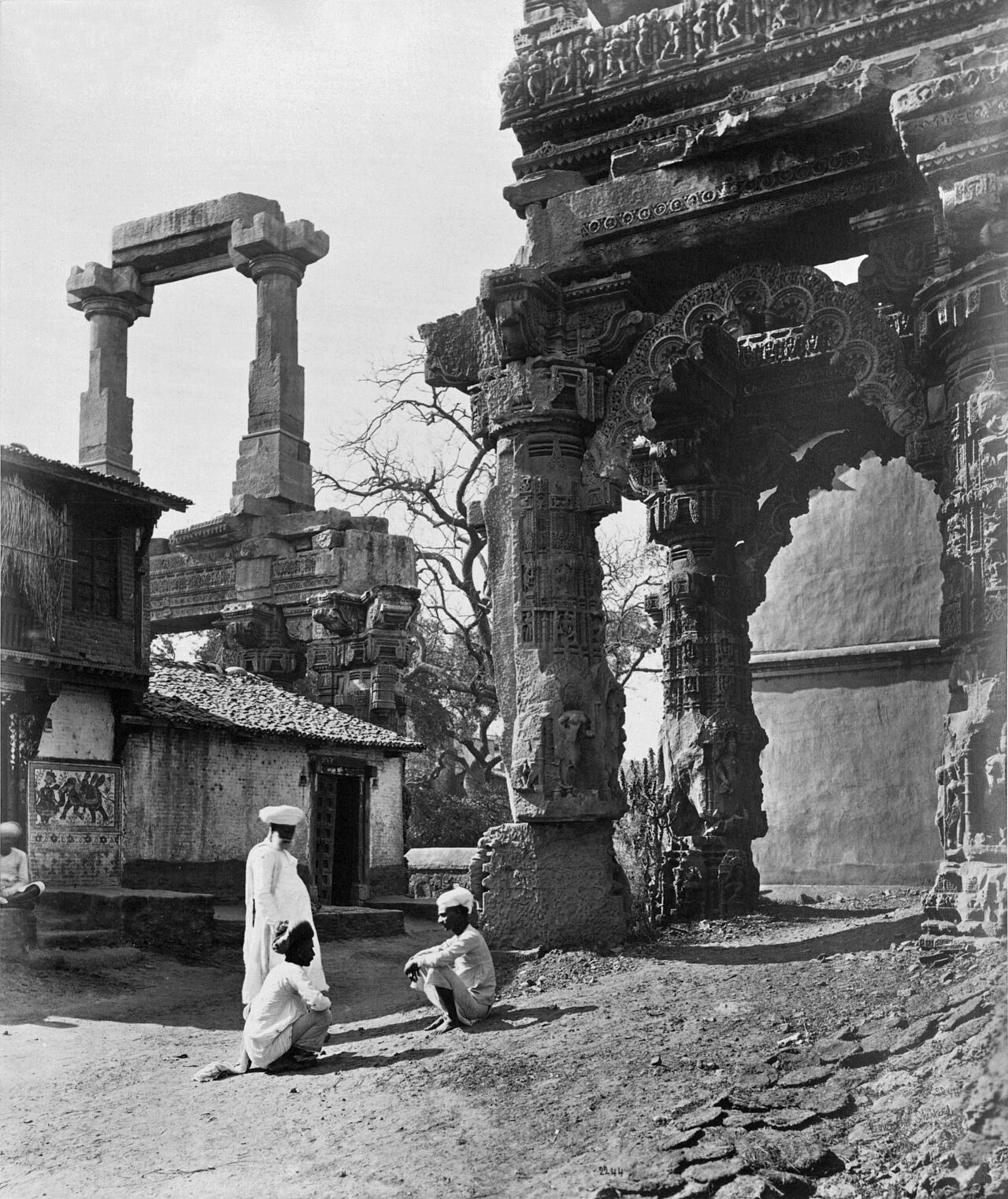
Patan district, India
Deity: Shiva
Founded: 943 CE
The Rudra Mahalaya Temple, also known as Rudramal, is a desecrated Hindu temple complex at Siddhpur town of Gujarat, India. Its construction was started in 943 CE by Mularaja and completed in 1140 CE by Jayasimha Siddharaja, a ruler of the Chaulukya dynasty. The Hindu temple was destroyed by the Sultan of Delhi, Alauddin Khalji, and later the Sultan of Gujarat, Ahmed Shah I desecrated and substantially demolished the temple, and also converted part of it into the congregational mosque of the city. Two torans (porches) and four pillars of the former central structure still stand along with the western part of the complex used as a congregational mosque.
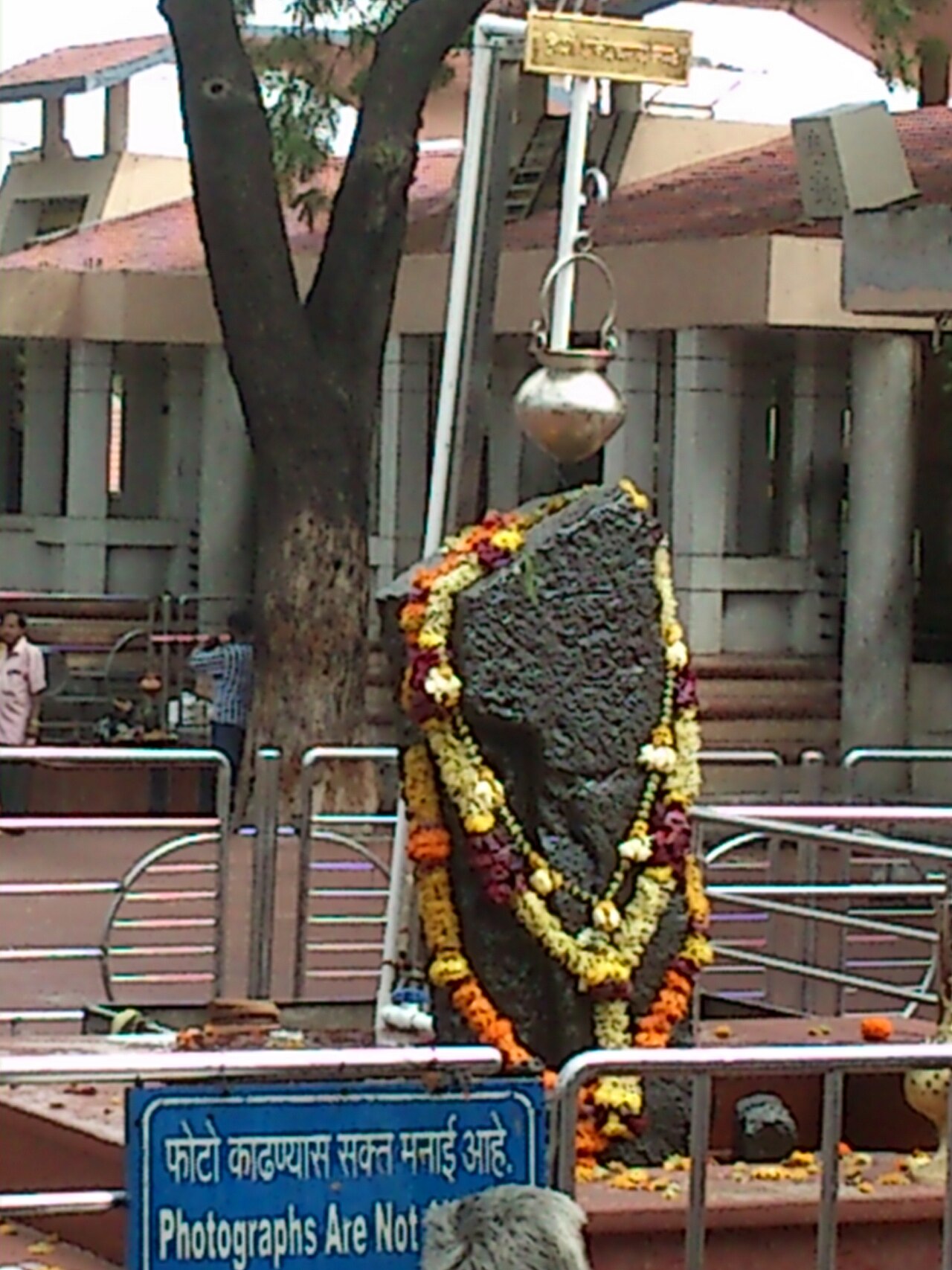
Ahilyanagar district, India
Shani Shingnapur or Shani Shinganapur or Shingnapur is a village in the Indian state of Maharashtra. Situated in Nevasa Taluka in Ahmednagar district, the village is known for its popular temple of Shani, the Hindu god associated with the planet (graha) Saturn. The village is 35 kilometres from the city of Ahmednagar.
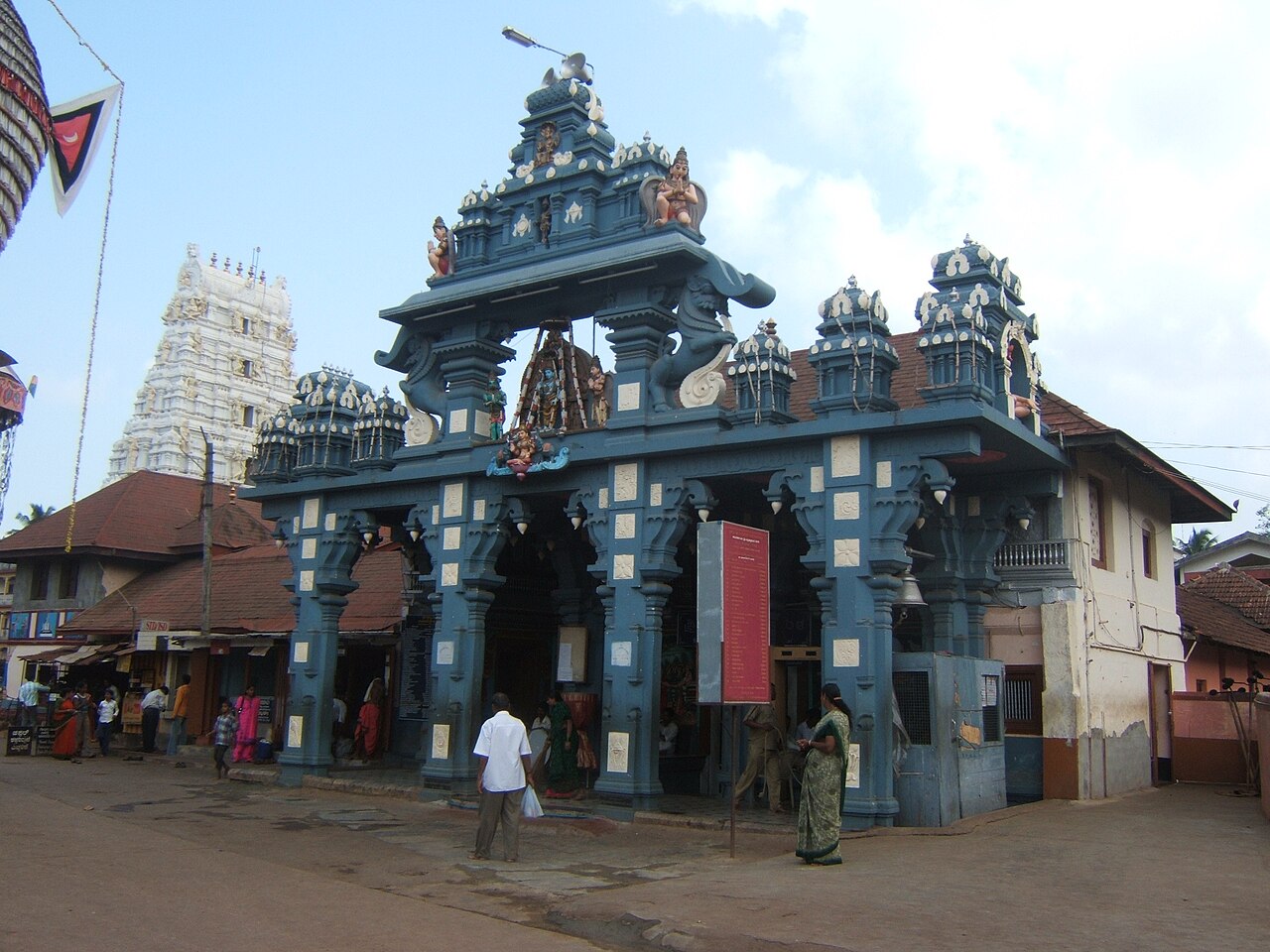
Udupi district, India
Deity: Krishna
Udupi Shri Krishna Temple is a well-known historic Hindu temple dedicated to Krishna and Dvaita Matha, located in the city of Udupi in Karnataka, India. The Matha area resembles a living ashram, a holy place for daily devotion and living. Surrounding the Shri Krishna Temple are several temples namely the Udupi Anantheshwara Temple which is over a thousand years old.
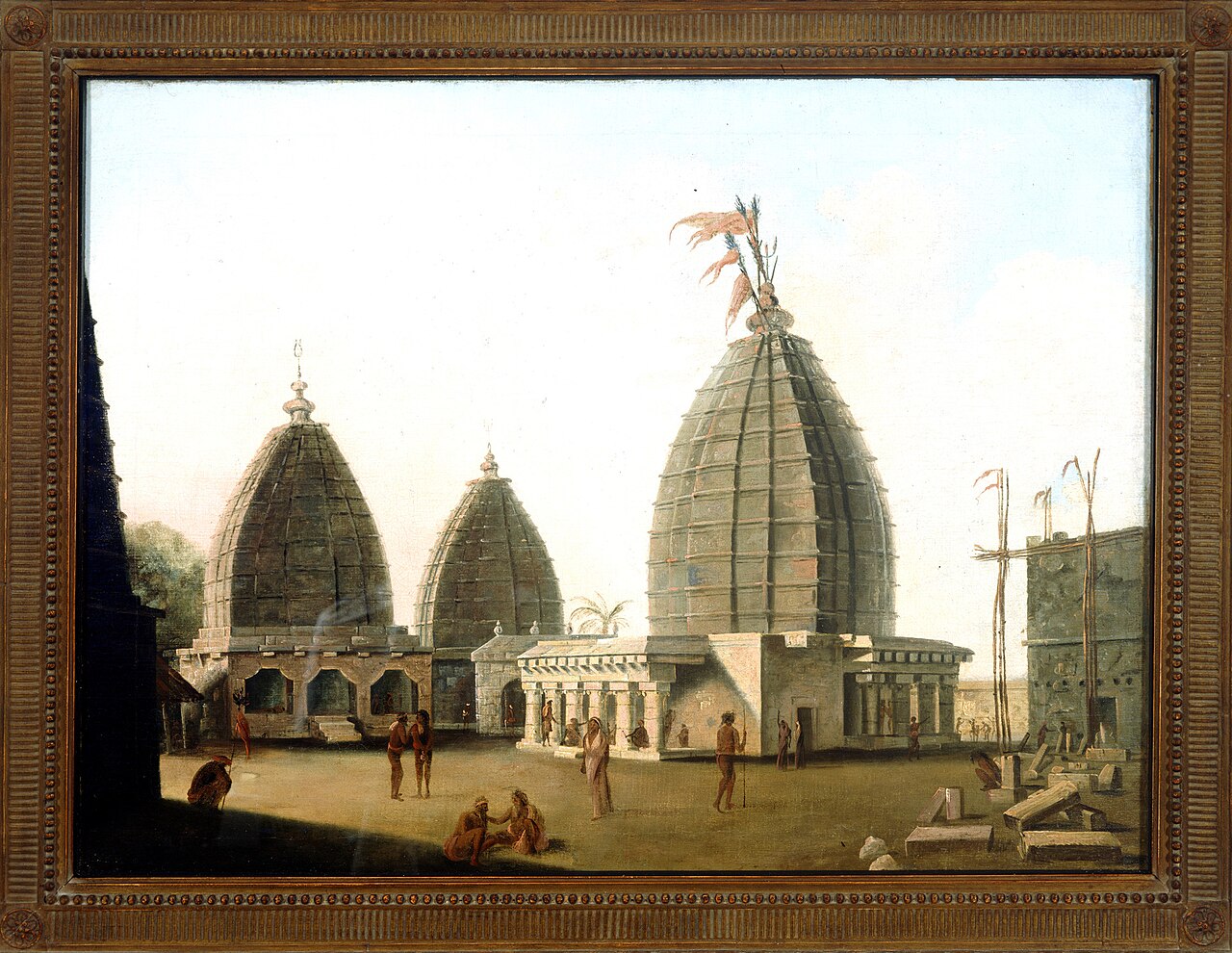
Deoghar, India
Deity: Shiva
Baidyanath Temple is a Hindu temple dedicated to Shiva. It is located in Deoghar, in the Santhal Parganas division of the Indian state of Jharkhand. The temple complex comprises the central shrine of Baba Baidyanath along with 21 additional temples. It is significant to the Hindu sects of Shaivism as this temple is referred to as one of the twelve Jyotirlingas.
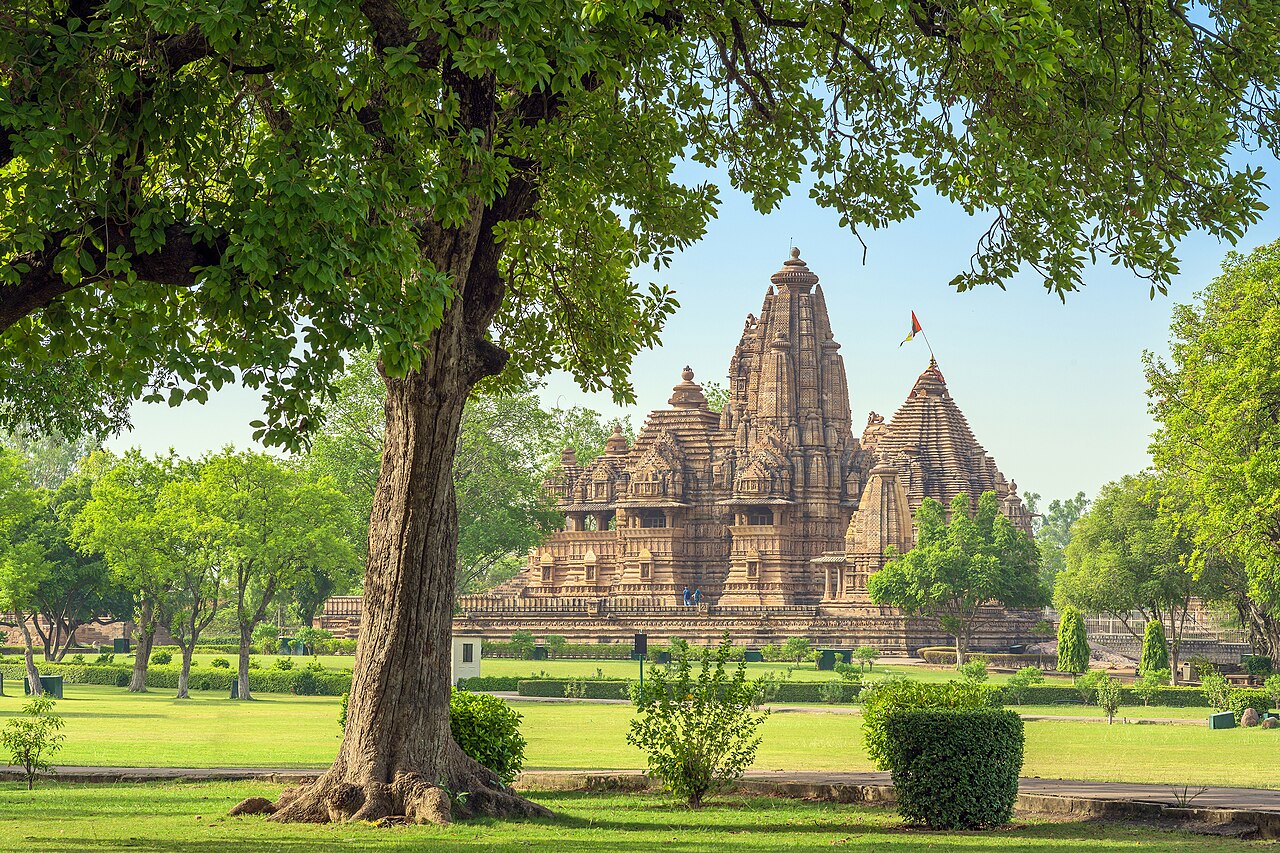
Chhatarpur district, India
The Lakshmana Temple is a 10th-century Hindu temple built by Yashovarman during the Chandela dynasty located in Khajuraho, India. It is dedicated to Vaikuntha Vishnu - an aspect of Vishnu. As part of the Khajuraho Group of Monuments, and owing to its architecture and religious importance, the temple was inscribed on the UNESCO World Heritage List in 1986.