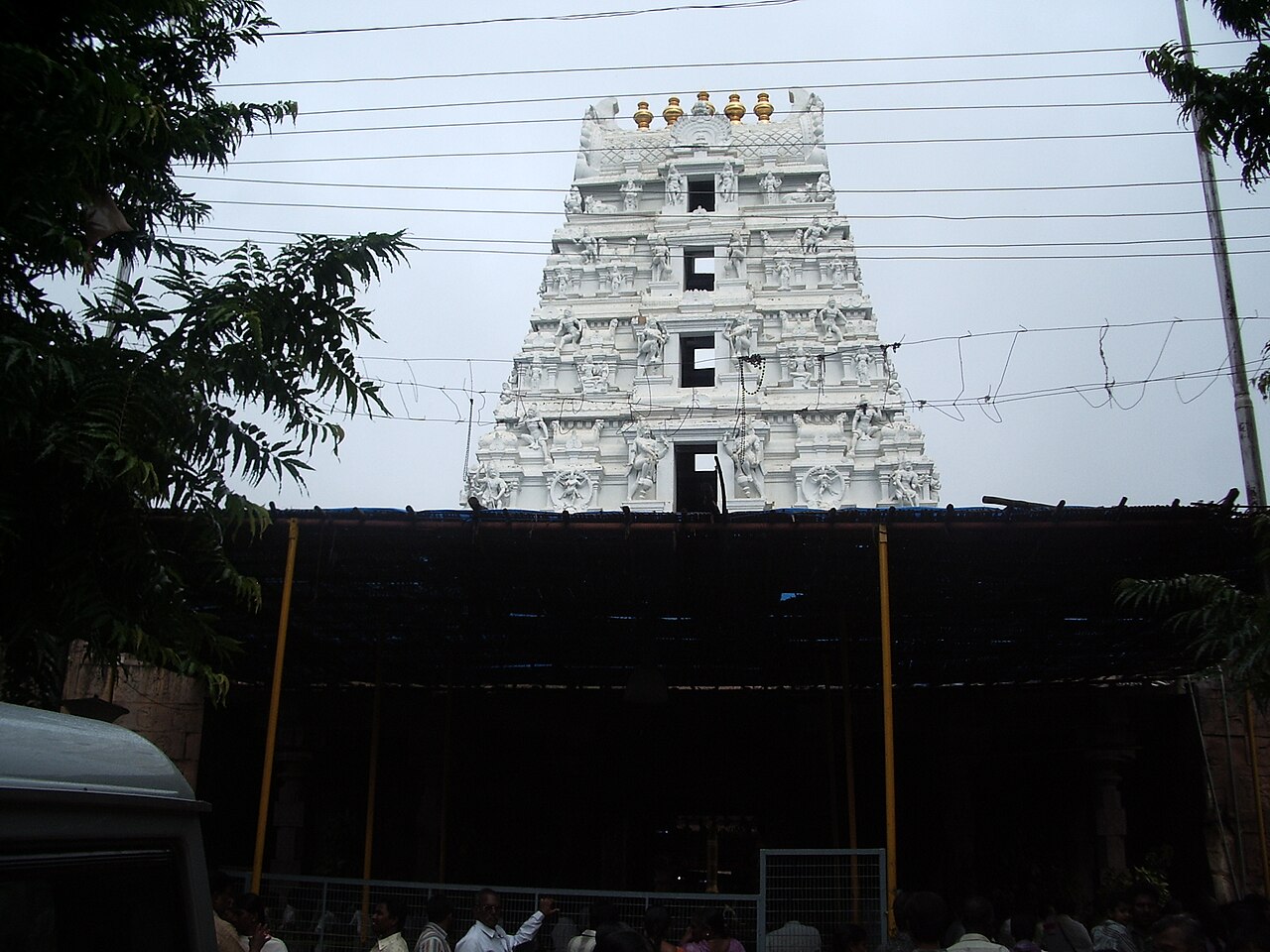
Srisailam mandal, India
Deity: Shiva, Parvati
Mallikarjuna Swamy Temple or Srisailam Temple is a Hindu temple dedicated to the deities Shiva and Parvati, located at Srisailam, Nandyal district in the Indian state of Andhra Pradesh. It is significant to the Hindu sects of both Shaivism and Shaktism as this temple is referred to as one of the twelve Jyotirlingas of Shiva and one of the 276 Paadal Petra Sthalams of Shiva, as well as one of the fifty two Shakta pithas, centres of the Hindu goddess. Shiva is worshiped as Mallikarjuna and is represented by the lingam. His consort Parvati is depicted as Bhramaramba.
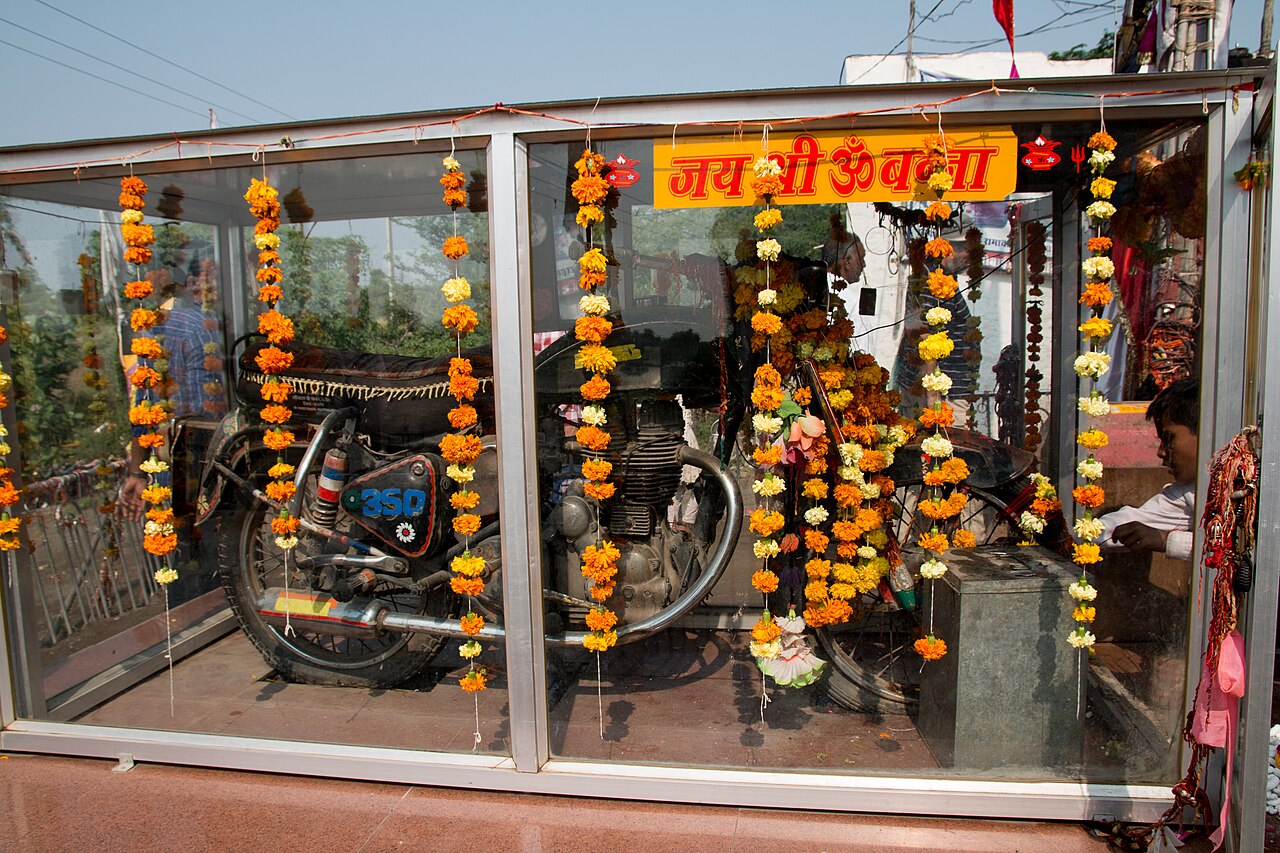
Pali district, India
Founded: 1989
Om Singh Rathore is a folk deity, whose shrine and temple called Om Banna Dham is located in Pali district near Jodhpur, India, devoted to him and his motorcycle. It is located 20 kilometres (12 mi) from Pali and 53 kilometres (33 mi) away from Jodhpur on the Pali-Jodhpur highway, near Chotila village. The motorcycle is a 350cc Royal Enfield Bullet RNJ 7773.
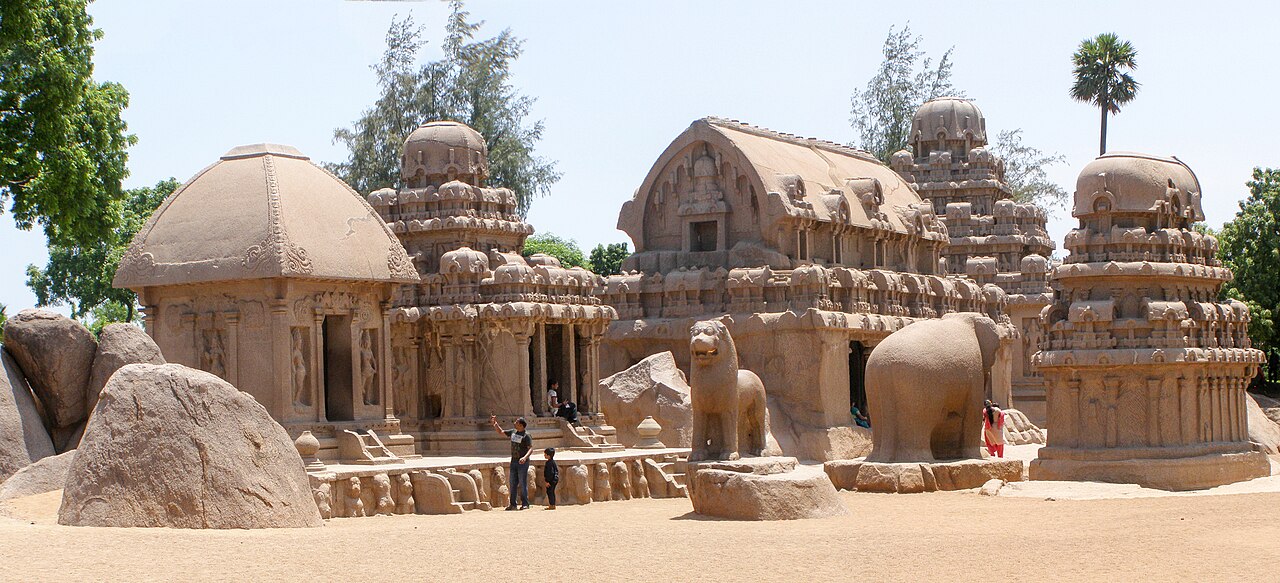
India
Founded: 668 CE
Pancha Rathas is a monument complex at Mahabalipuram, on the Coromandel Coast of the Bay of Bengal, in the Chengalpattu district of the state of Tamil Nadu, India. Pancha Rathas is an example of monolithic Indian rock-cut architecture. The complex was initially thought to have carved during the reign of King Narasimhavarman I. However, historians such as Nagaswamy attributed all of monuments in Mahabalipuram to Narasimhavarman II with the discovery of new inscriptions. The complex is under the auspices of the Archaeological Survey of India (ASI) and is part of the UNESCO World Heritage Site inscribed by UNESCO in 1984 as Group of Monuments at Mahabalipuram.
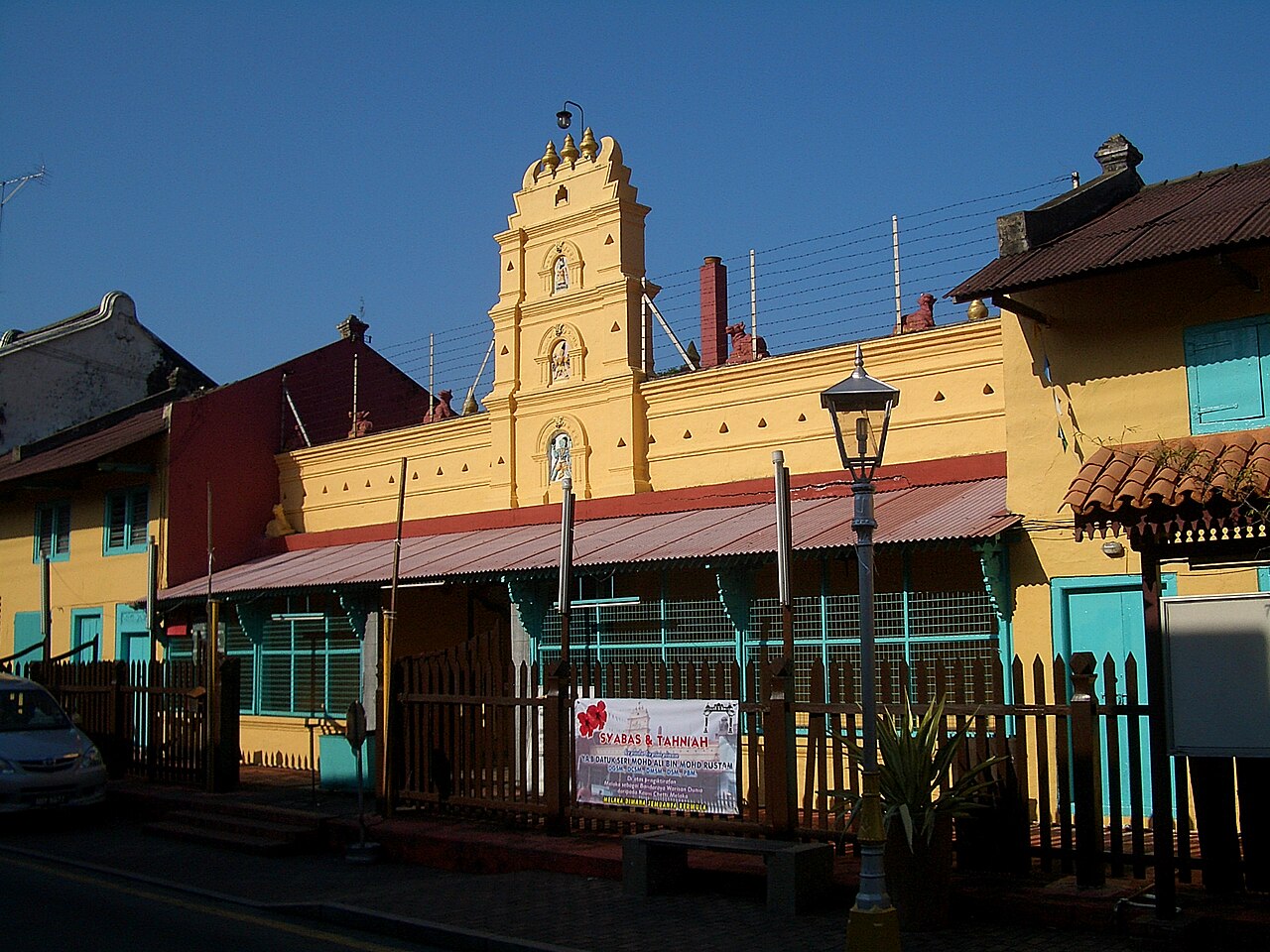
Malacca, Malaysia
Deity: Ganesha
Sri Poyatha Moorthi Temple is the oldest existing/intact Hindu temple in Malaysia and one of the oldest functioning Hindu temples in Maritime Southeast Asia. Located in the state of Malacca, the temple is one of the few existing Chitty temples in Malaysia.
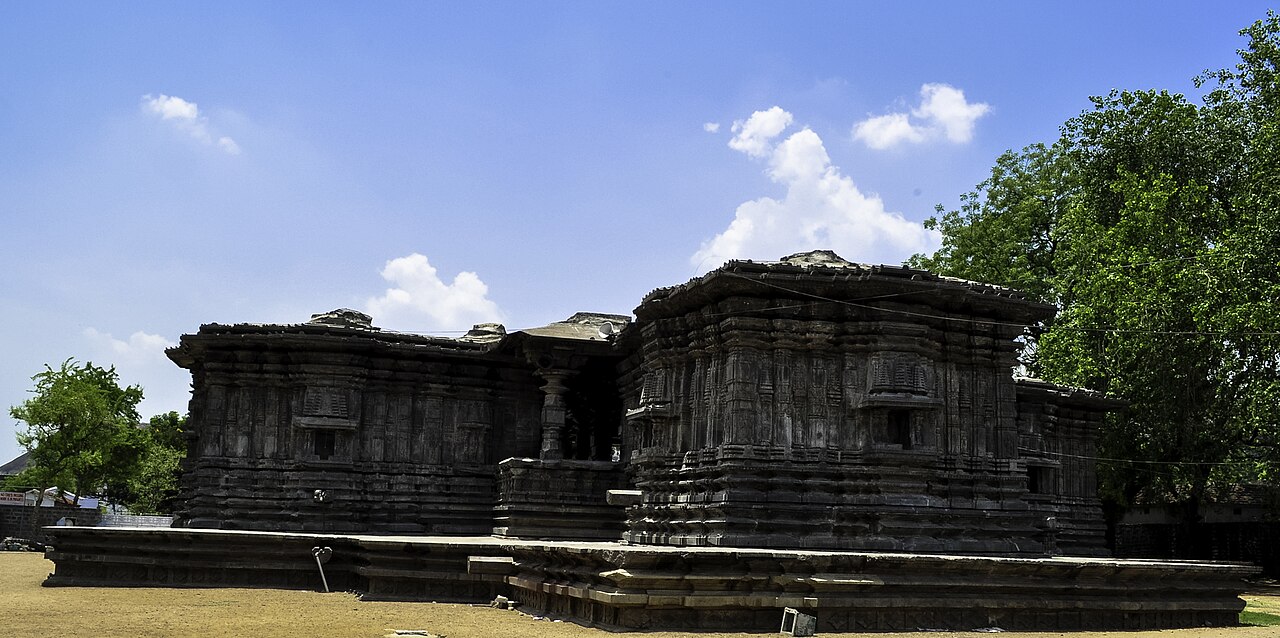
Hanamkonda district, India
Deity: Shiva, Vishnu, Surya
The Thousand Pillar Temple or Rudreswara Swamy Temple is a historical Hindu temple located in the city of Hanamakonda, Telangana, India. It is dedicated to Shiva, Vishnu and Surya. The Thousand Pillar Temple, along with the Warangal Fort and the Kakatiya Kala Thoranam were added to the tentative list of UNESCO World Heritage sites.
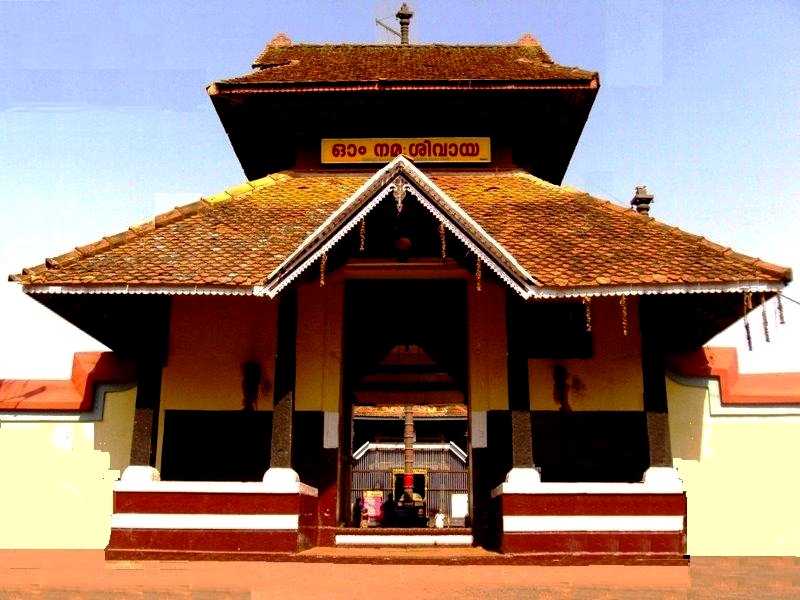
Kottayam district, India
Deity: Shiva
Vazhappally Maha Siva Temple is a Hindu temple located in Vazhappally near Changanassery in Kottayam district in the Indian state of Kerala. The temple is administered by the Travancore Devaswom Board. The temple is believed to be constructed by the first Chera king of Kodungallur. The legends suggest that the installation of the idol of god Mahadeva (Shiva) was performed by Parasurama himself. This temple is one among the 108 Shiva temples established by Parasurama. It is one of the few temples in Kerala where two nalambalams and two flag-masts are dedicated. The temple, a Grama Kshetra, also contains some seventeenth century wood carvings depicting figurines from epics.
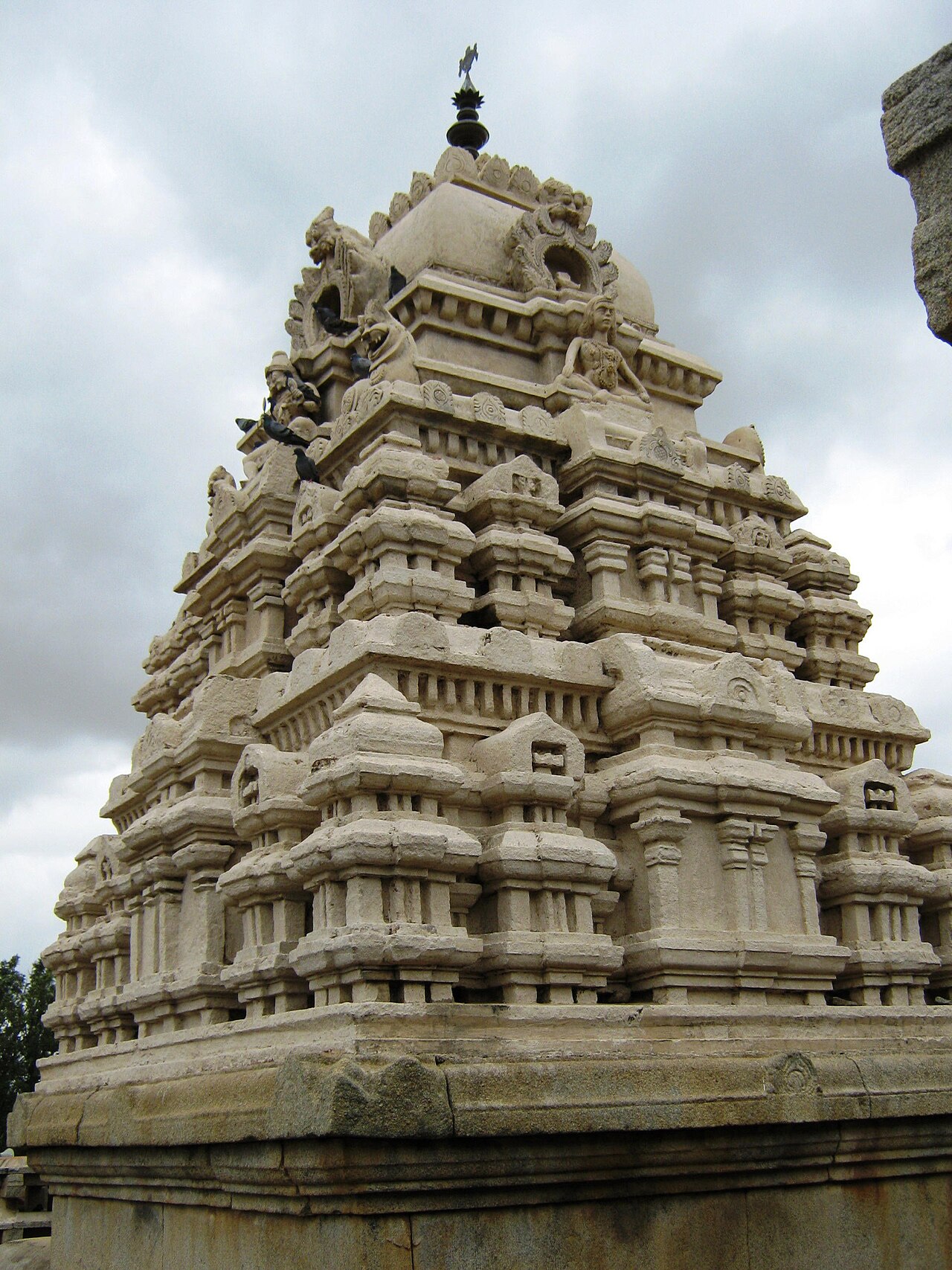
Lepakshi mandal, India
Deity: Virabhadra
Veerabhadra temple is a Hindu temple located in the Lepakshi, in the state of Andhra Pradesh, India. The temple is dedicated to Virabhadra, a fierce form of Shiva, a major deity in Hinduism.
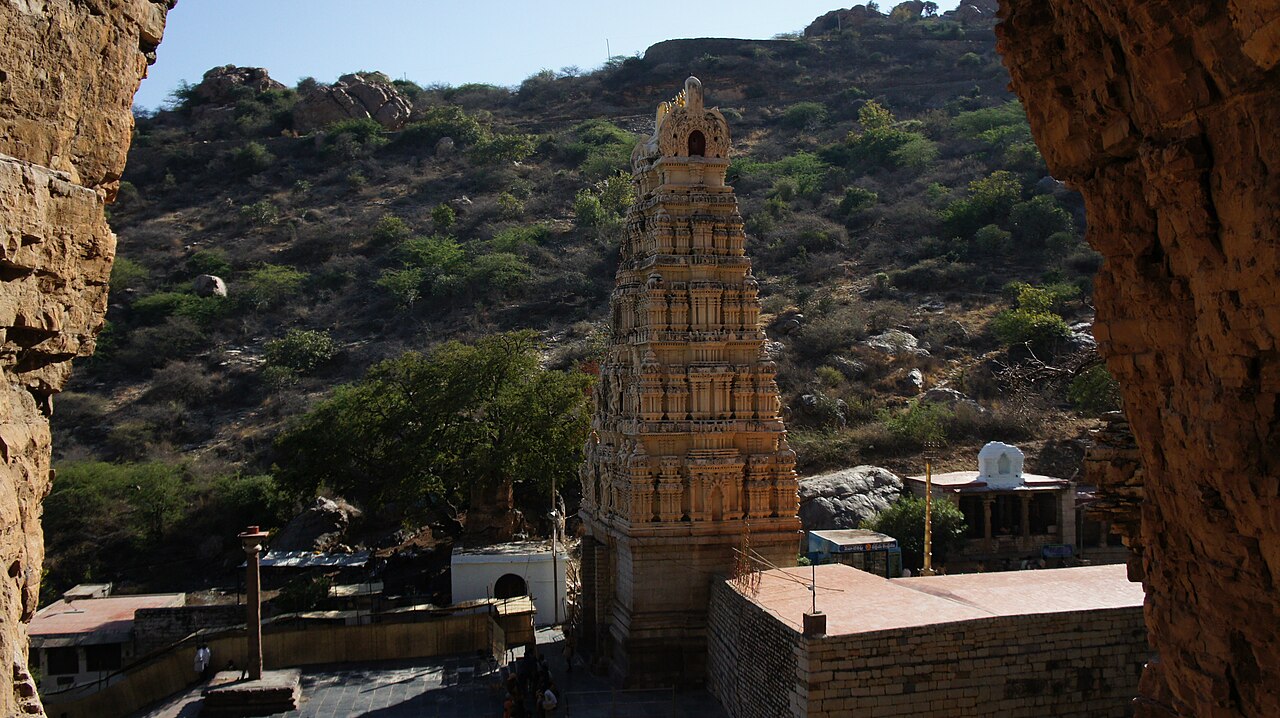
Nandyal district, India
Deity: Shiva
Yaganti Temple or Sri Yaganti Uma Maheswara Temple is a temple of Shiva in Nandyal district in the India state of Andhra Pradesh. It was built according to Vaishnavaite traditions.
Hyderabad, India
Deity: Venkateswara
Founded: 1966
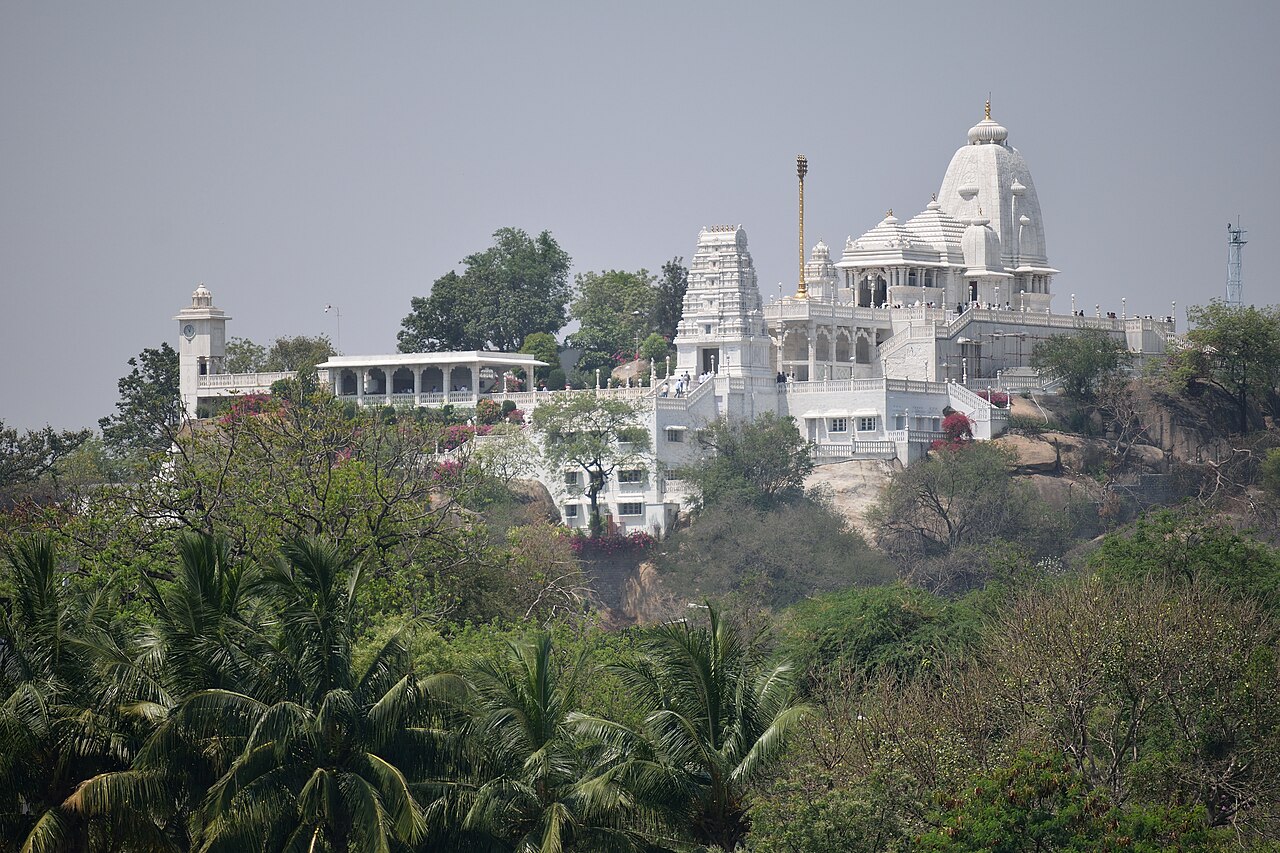
Birla Mandir is a Hindu temple built on a 280 feet (85 m) high hillock called Naubath Pahad 13 acres (53,000 m2) plot in Hyderabad, Telangana, India. Naubat Pahad which was once also known as Band Rock so called because long ago all official communications from Mughals to the Nizams were proclaimed from this hill accompanied by music.
Chhatarpur district, India
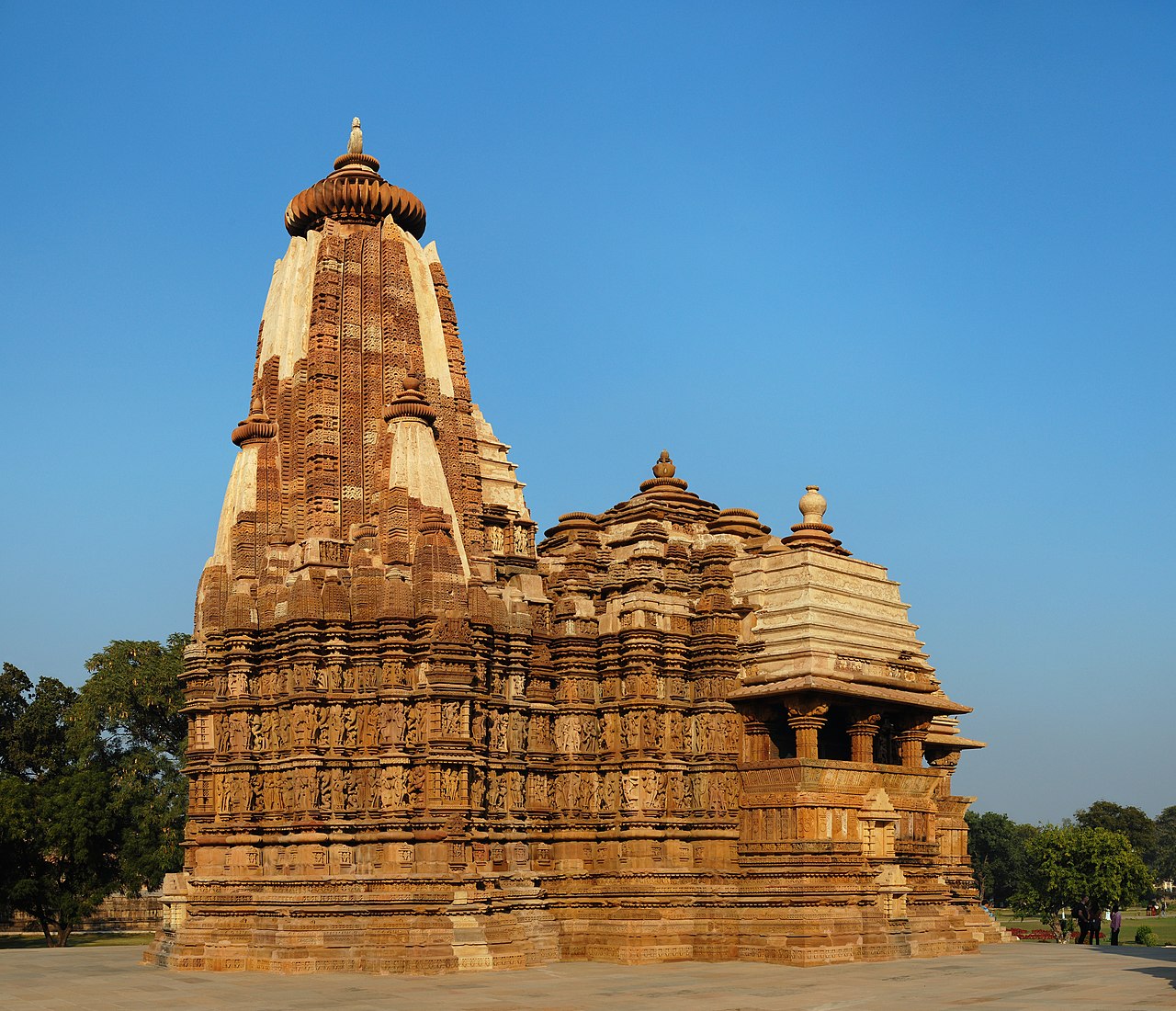
Devi Jagadambika Temple or Jagadambika Temple is one of a group of about 25 temples at Khajuraho, Madhya Pradesh, India. Along with the other temples at Khajuraho, the temple was listed as a World Heritage Site because of its outstanding architecture, art, and historical importance. The temples of Khajuraho were built by the rulers of the Chandela dynasty between the 10th and the 12th centuries.
Kullu district, India
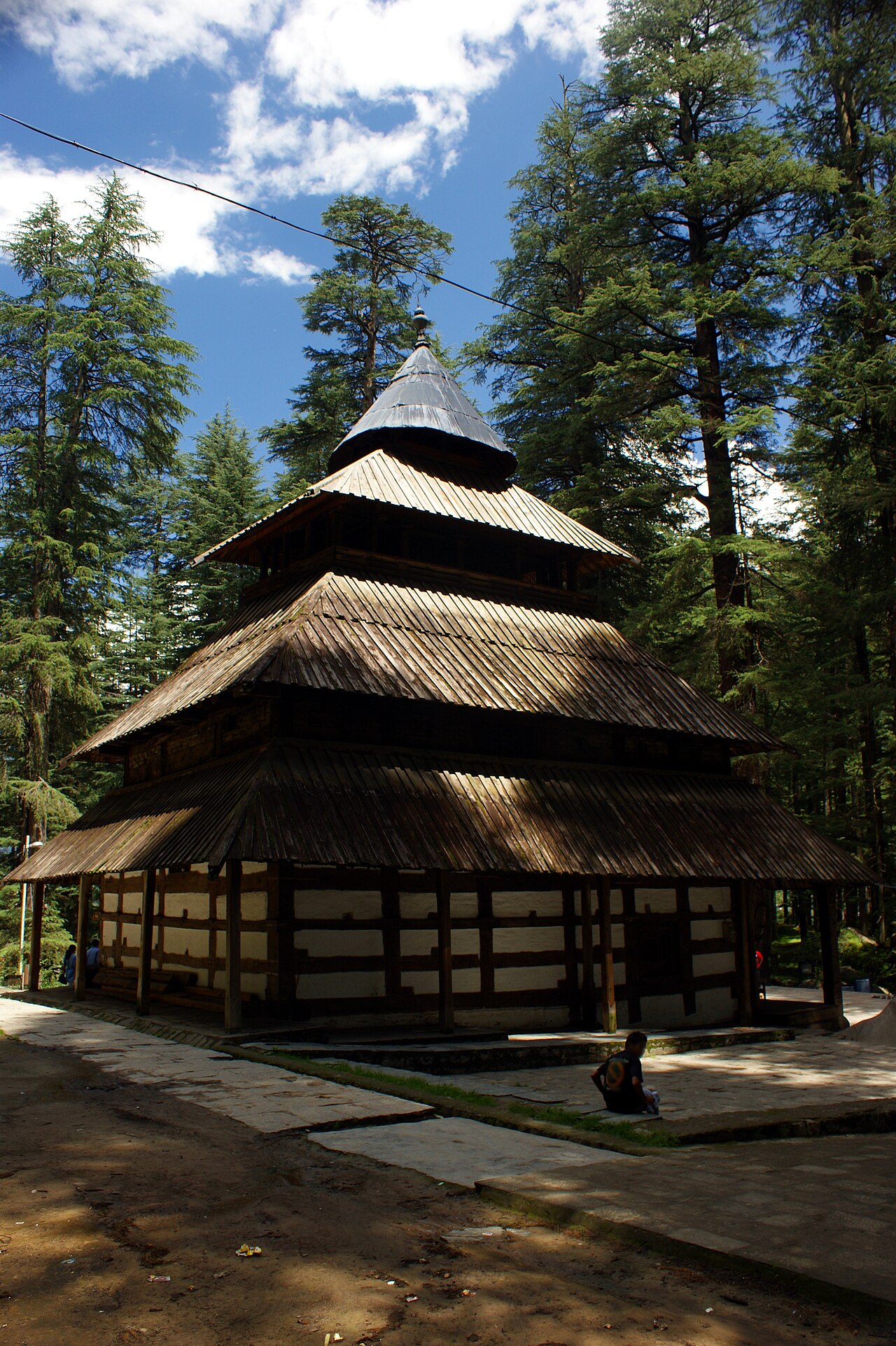
Hidimba Devi Temple, locally known as Dhungari Temple, also known variously as the Hadimba Temple, is a Hindu Temple, located in Manāli, a hill station in the State of Himāchal Pradesh in north India. It is an ancient cave temple dedicated to Hidimbi Devi, wife of Bhima, a figure in the Indian epic Mahābhārata. The temple is surrounded by a cedar forest called Dhungiri Van Vihar at the foot of the Himālayas. The sanctuary is built over a huge rock jutting out of the ground which was worshiped as an image of the deity. The structure was built in 1553 by Maharaja Bahadur Singh.
Vrindavan, India
Deity: Madan Mohan
Founded: 1501
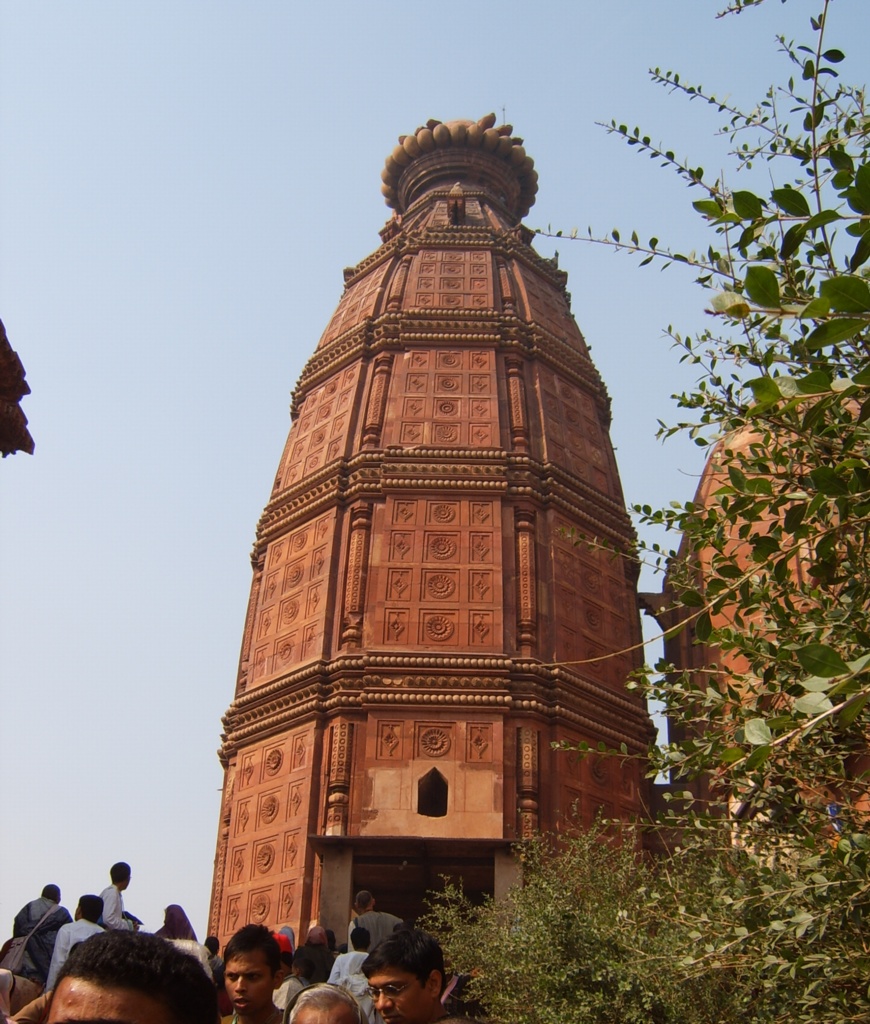
Shri Radha Madan Mohan Temple, also referred as Madan Mohan Temple. is a 16th-century Hindu temple situated in Vrindavan of Indian state of Uttar Pradesh. It is one of the oldest and highly revered temple of Vrindavan. The presiding deity of the temple is Madan Mohan, a form of the god Krishna who is present in the central altar of the temple with his consort goddess Radha and Lalita gopi on either sides of him. The temple is one of the earliest temples of Vrindavan which has architectural influences from existing Mughal architecture as well as Kalinga Nagara Style of Indian Temple Architecture.
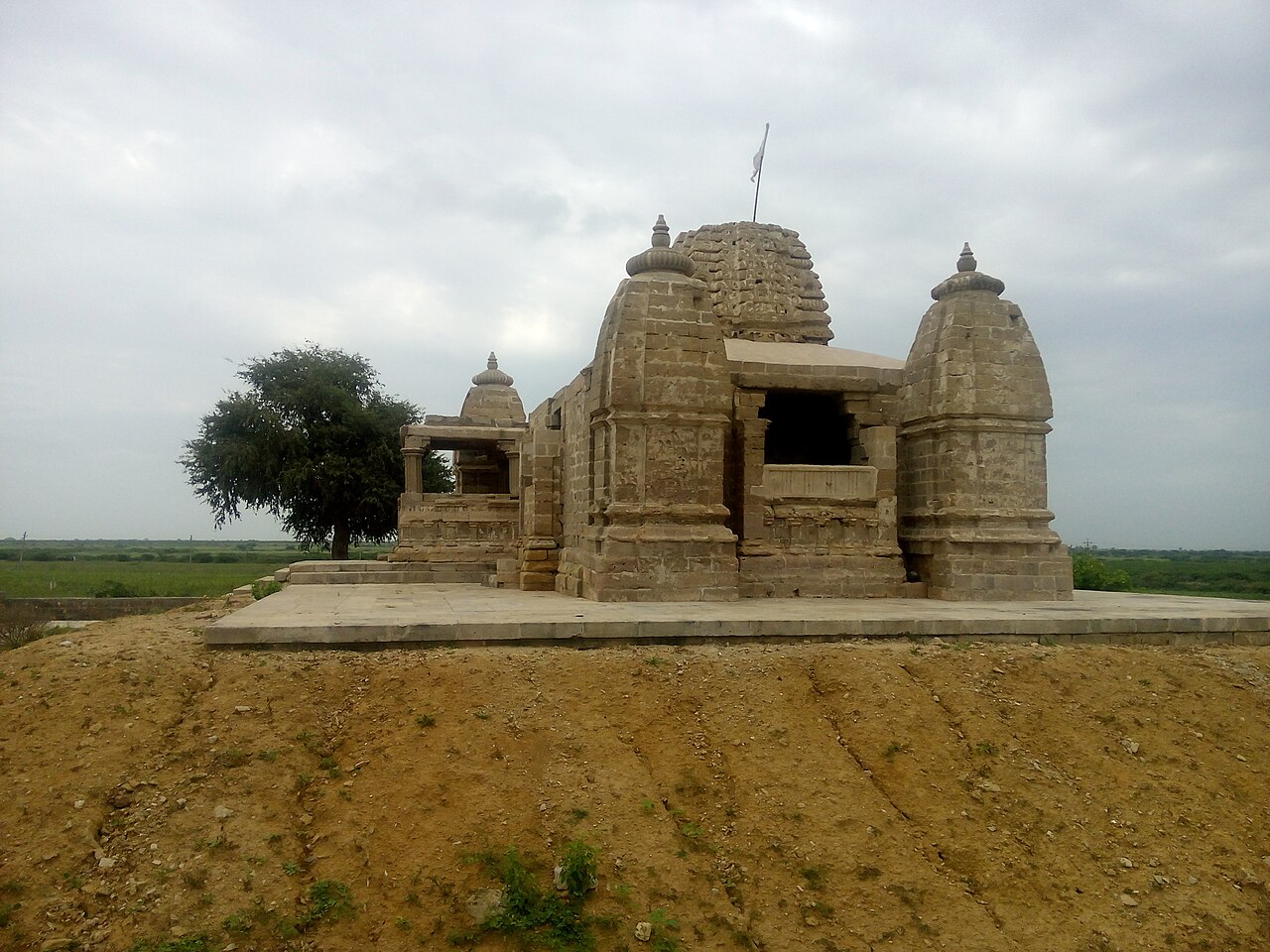
Dwarka Taluka, India
Deity: Shiva
Founded: 750 CE
Magderu is an 8th-century temple of Maitraka period located near Dhrasanvel village in Okhamandal Taluka of Devbhoomi Dwarka district, Gujarat, India. The temple is located three miles northeast of Dwarka.
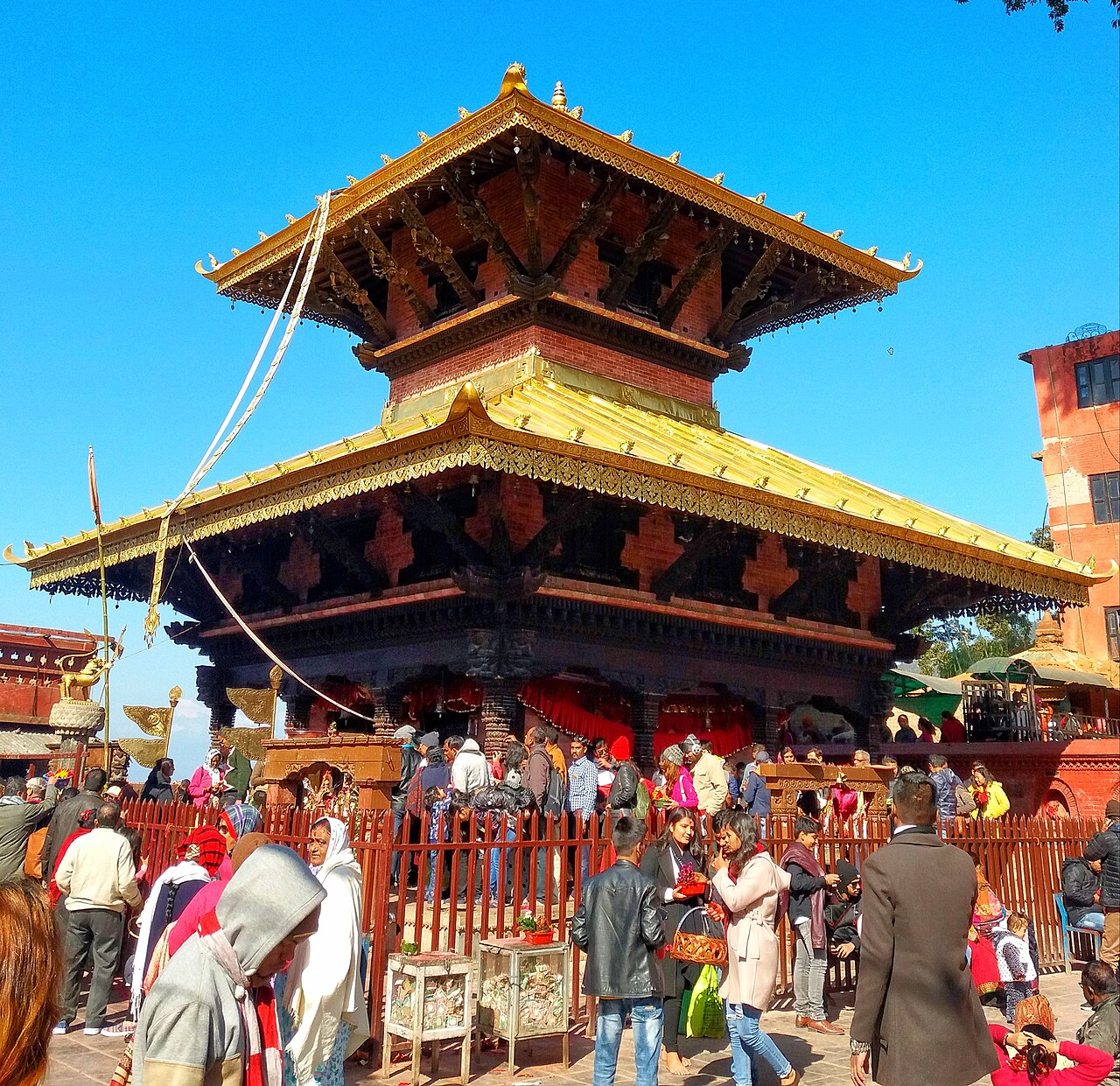
Manakamana, Nepal
Manakamana Temple is a Hindu temple dedicated to goddess Bhagwati, an incarnation of Lakshmi. It is located in the village of Manakamana in Gorkha District, Gandaki Province, Nepal founded by Arman Rayamajhi in 1678.
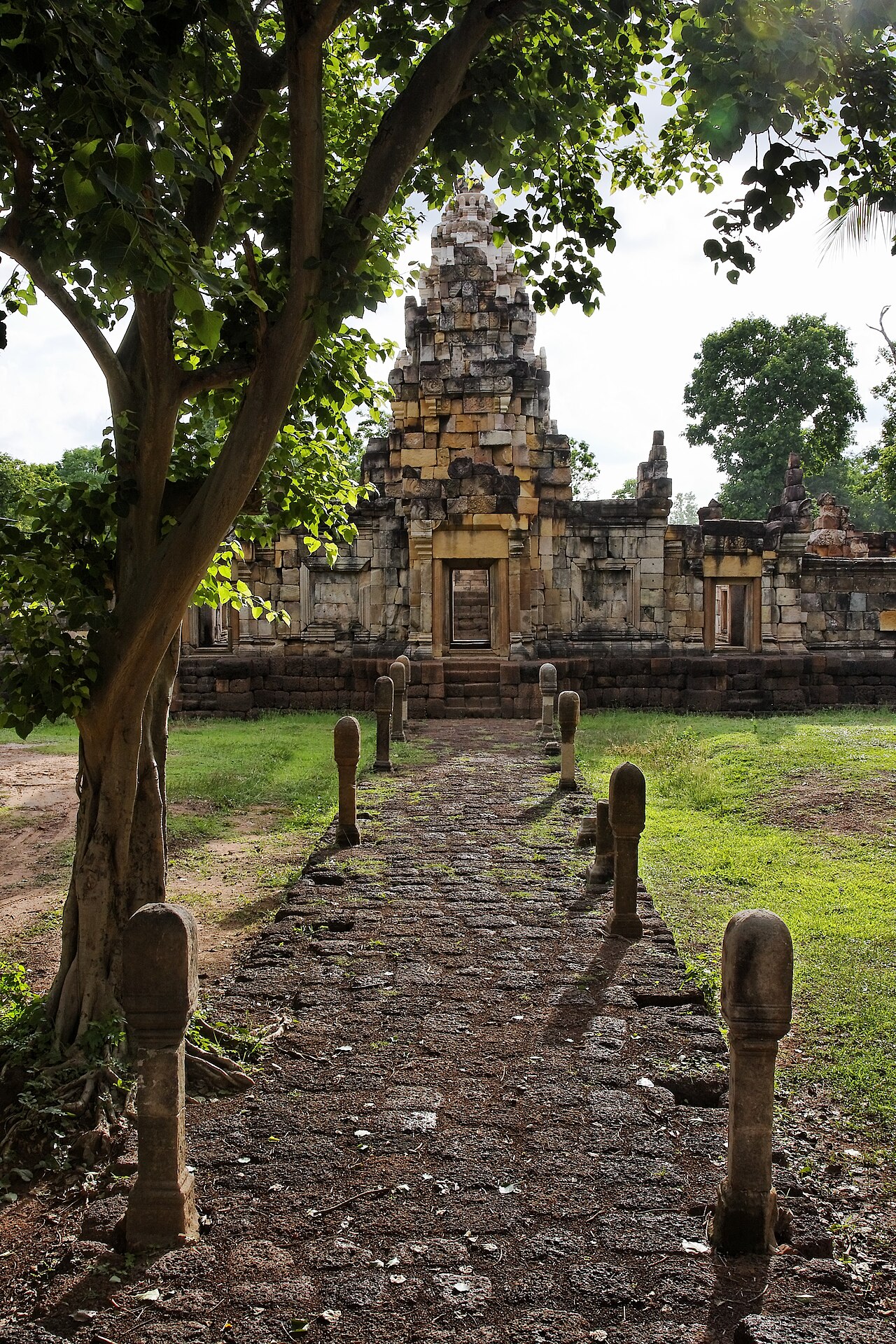
Khok Sung, Thailand
Sdok Kok Thom, or Sdok Kak Thom, is an 11th-century Angkorian temple in present-day Thailand, located about 34 kilometres (21 mi) northeast of the Thai border town of Aranyaprathet. The temple is in Khok Sung District, Sa Kaeo Province, near the village of Ban Nong Samet. It is regarded as the largest Angkorian temple in eastern Thailand. The temple was dedicated to the Hindu god Shiva. Constructed by a prominent priestly family, Sdok Kok Thom is the original site of one of the most illuminating inscriptions left behind by the Khmer Empire, which ruled much of Southeast Asia from the end of the 9th century to the 15th century.
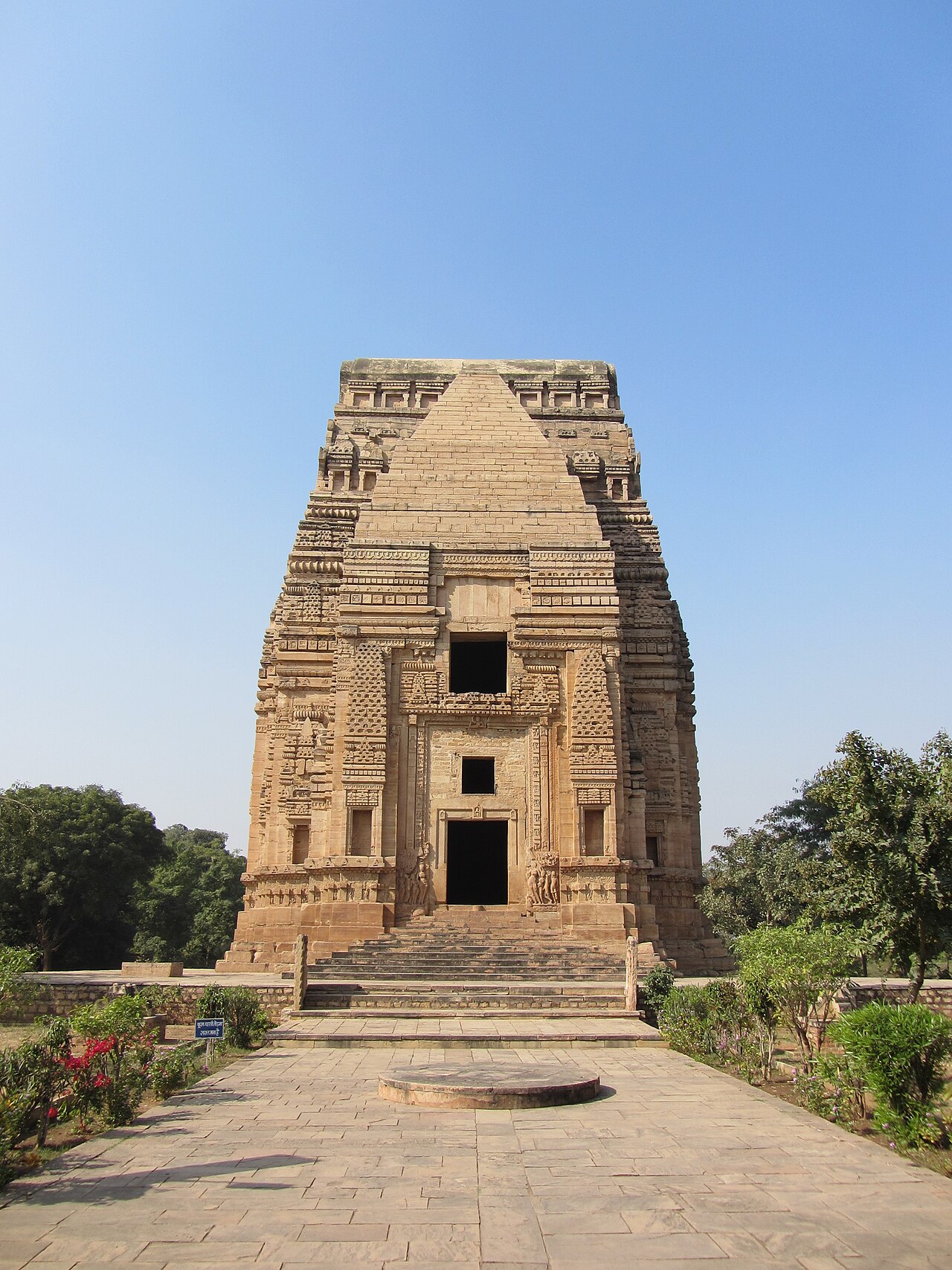
Gwalior, India
Teli Temple, also known as Teli ka Temple, is a Hindu temple located within the Gwalior Fort in Madhya Pradesh, India. Dedicated to Shiva, Vishnu and Matrikas, it has been variously dated between the early 8th and early 9th century CE.
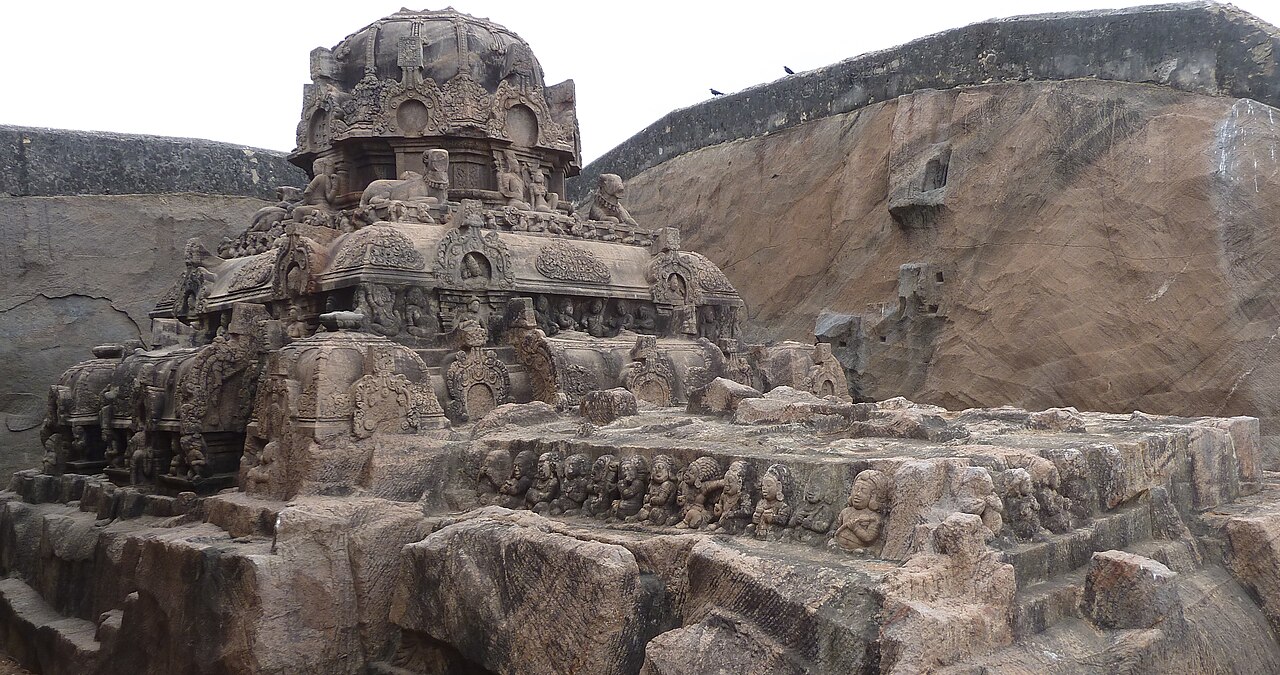
Thoothukudi district, India
Deity: Shiva
Founded: 701 CE
Vettuvan Koil in Kalugumalai, a panchayat town in Thoothukudi district in the South Indian state of Tamil Nadu, is a temple dedicated to the Hindu god Shiva. Constructed in the Pandyan Architecture and rock cut architecture, the unfinished temple was built during the 8th century CE by the early Pandyas. The other portions of Kalugumalai hillock houses the 8th century Kalugumalai Jain Beds and Kalugasalamoorthy Temple, a Murugan temple.
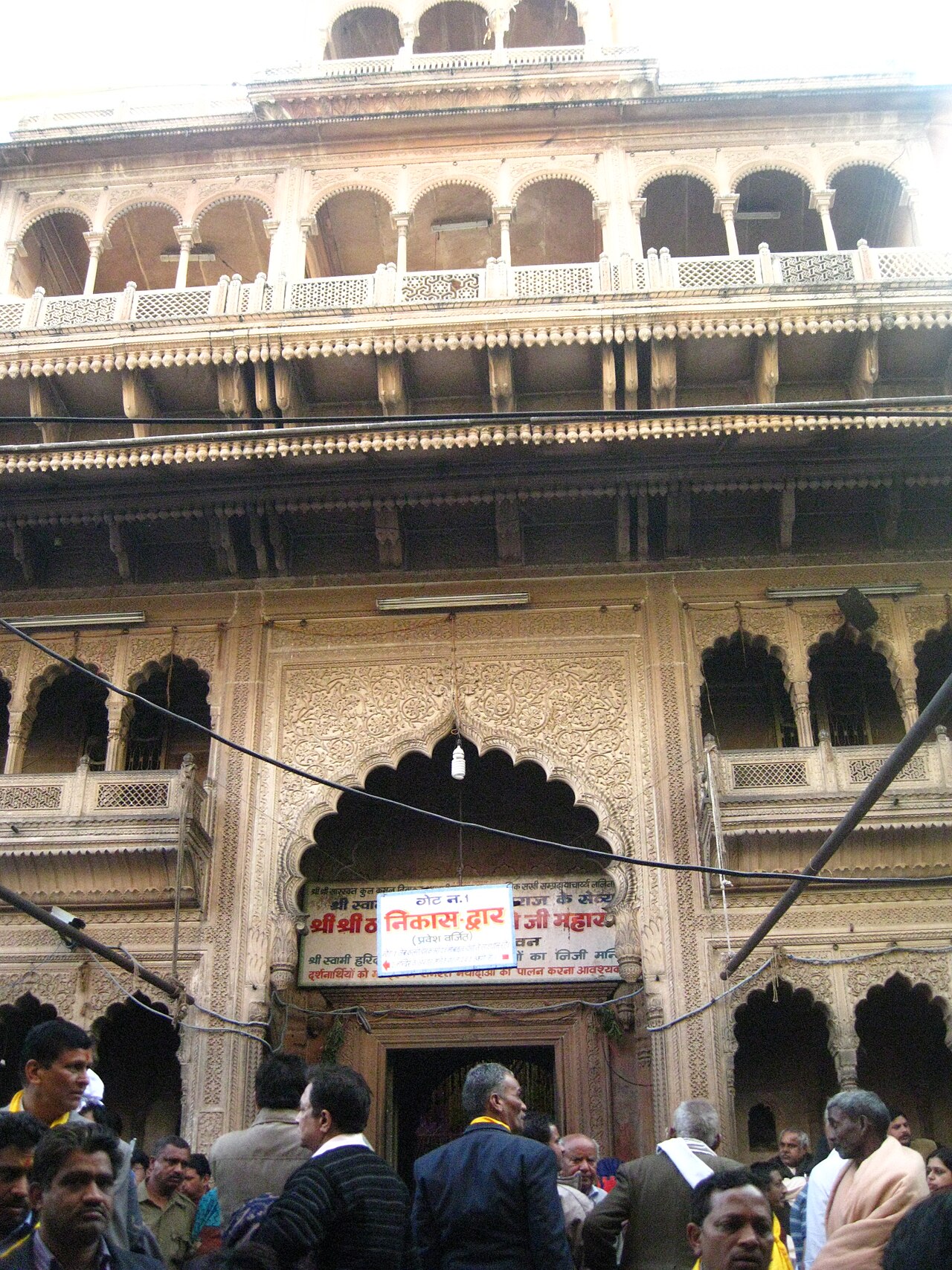
Vrindavan, India
Founded: 1501
Banke Bihari Temple is a Hindu temple situated in the town of Vrindavan, Mathura district of Uttar Pradesh, India. The temple is dedicated to Banke Bihari who is believed to be the combined form of Radha and Krishna. Banke Bihari was originally worshipped at Nidhivan, Vrindavan. Later, when Banke Bihari temple was constructed around 1864, the icon of Banke Bihari was moved to its present temple.
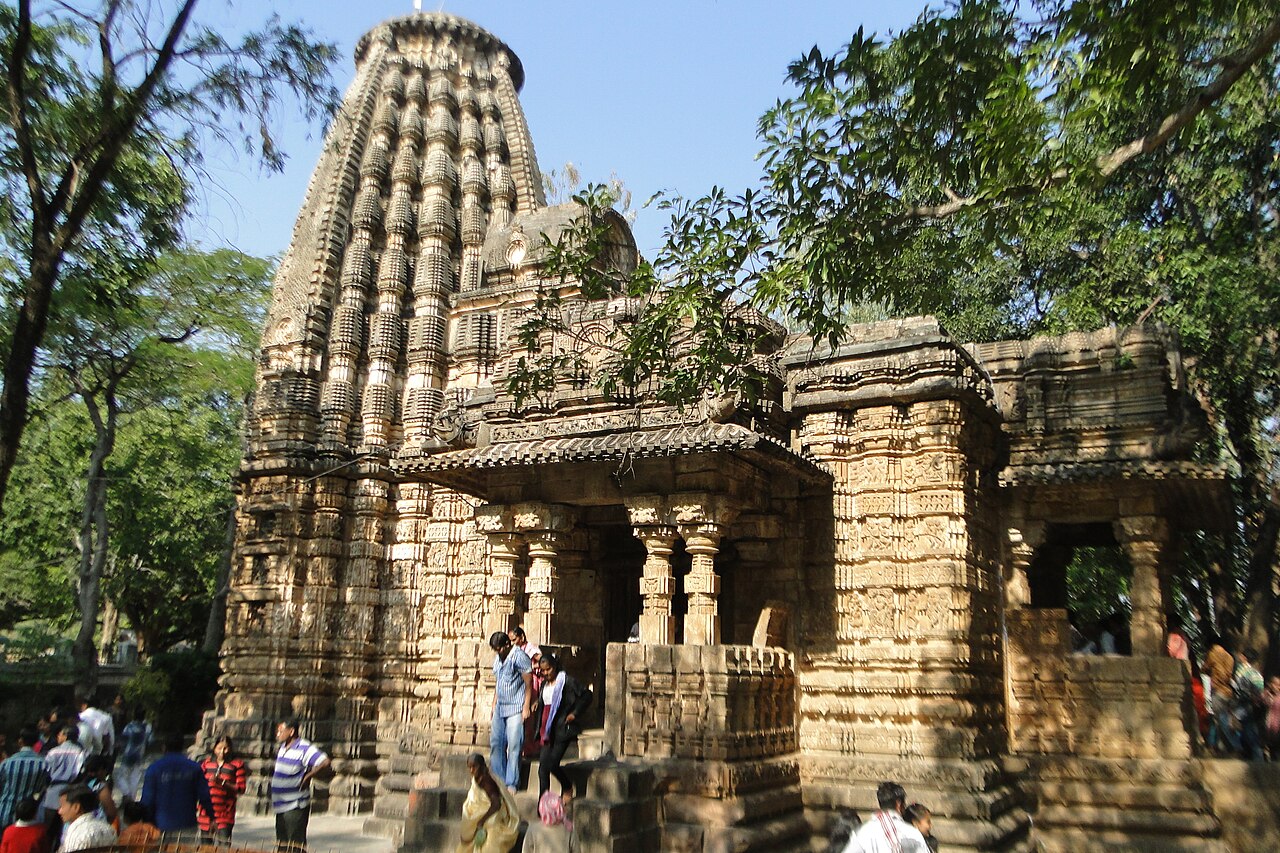
Kawardha, India
Deity: Shiva
Bhoramdeo Temple is a Hindu temple dedicated to the god Shiva in Bhoramdeo, in the Indian state of Chhattisgarh. It comprises a group of four temples of which the earliest is a brick-temple. The main temple is the Bhoramdeo temple built in stone. The architectural features with erotic sculptures has given a distinct style akin to the Khajuraho temple and the Konark Sun Temple in Odisha, and hence the Bhoramdeo complex is known by the sobriquet the "Khajuraho of Chhattisgarh".
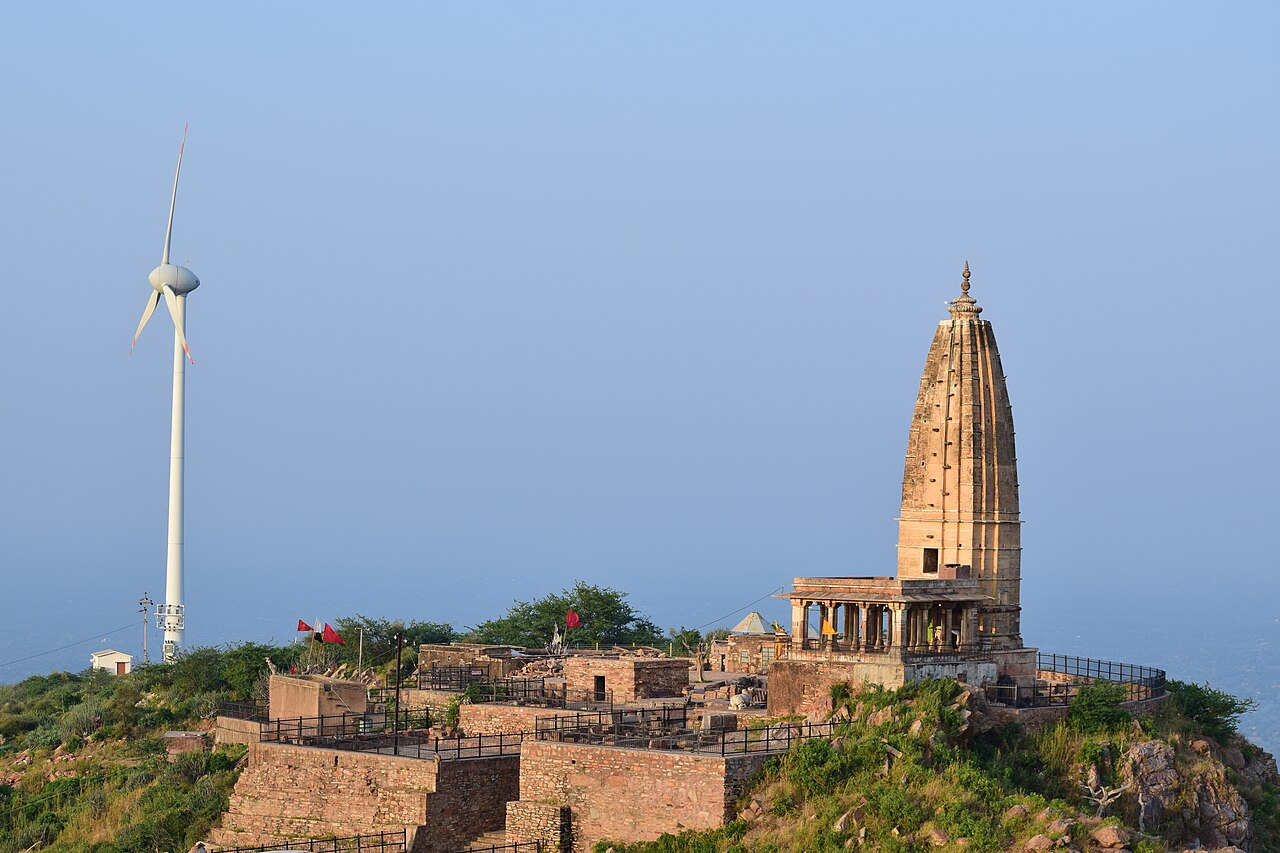
Sikar district, India
Deity: Shiva
Harshnath Temple is a 10th-century Hindu temple, dedicated to Shiva, located on a prominent mountaintop in Sikar district of the Indian state of Rajasthan. It is located 14 km from the district headquarters at Sikar.
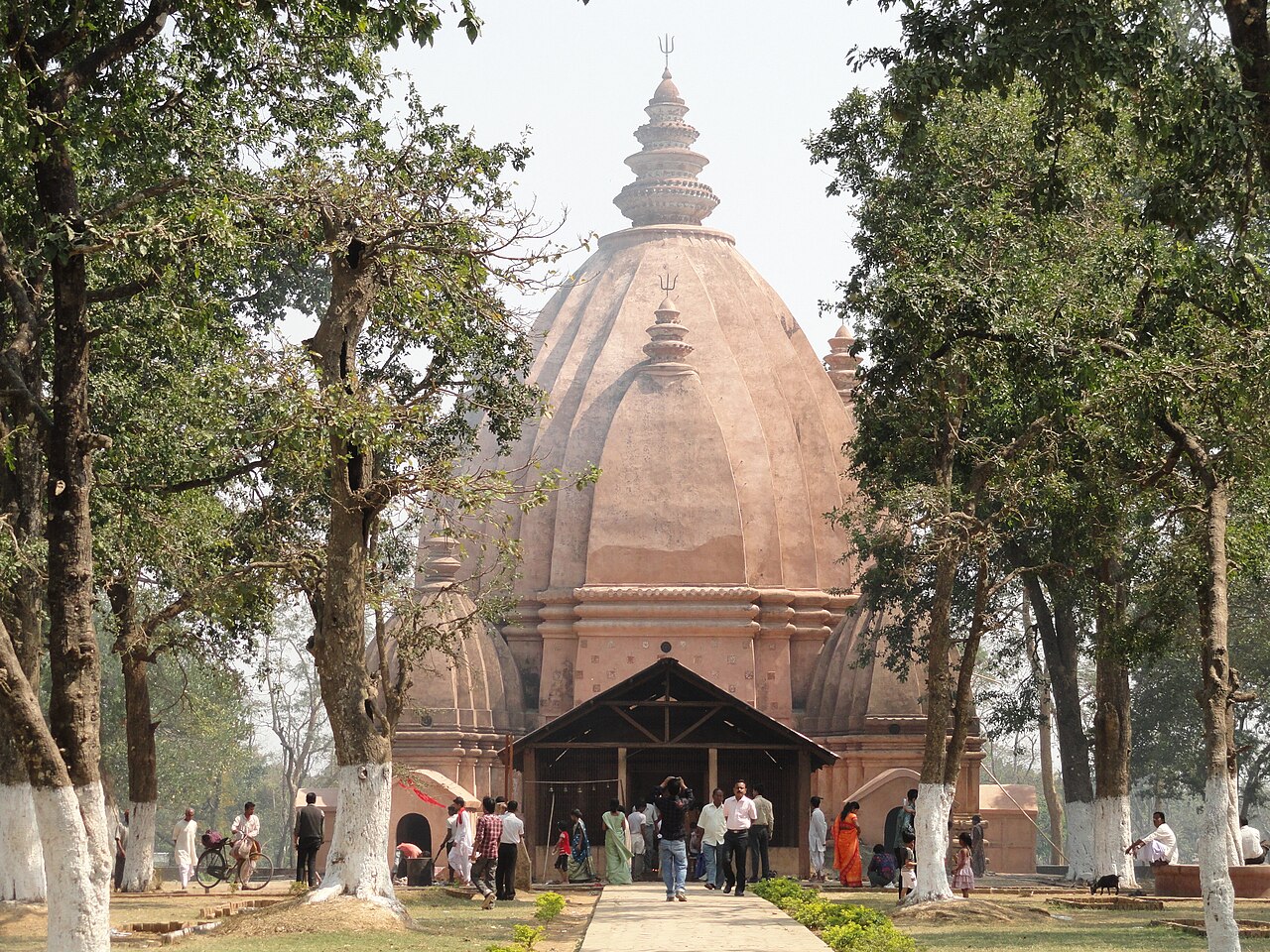
Golaghat district, India
Deity: Shiva
The Negheriting Shiva Doul is a Shiva temple at Dergaon in Assam, India. Situated on a hillock at about one and half km north from the National Highway 37 in the Golaghat district of Assam. This is a national protected monument. Later due to natural calamities it came into destruction. The older Negheriting temple is mentioned in Buranjis in relation to wars with the Kachari kingdom of early 16th century. The region around Dergaon, where the temple is located, was then part of the Kachari domain, before being annexed by the Ahoms during the reign of Suhungmung. In 1765, a brick temple was constructed by Ahom king Swargadeo Rajeswar Singha in place of the older stone temple.
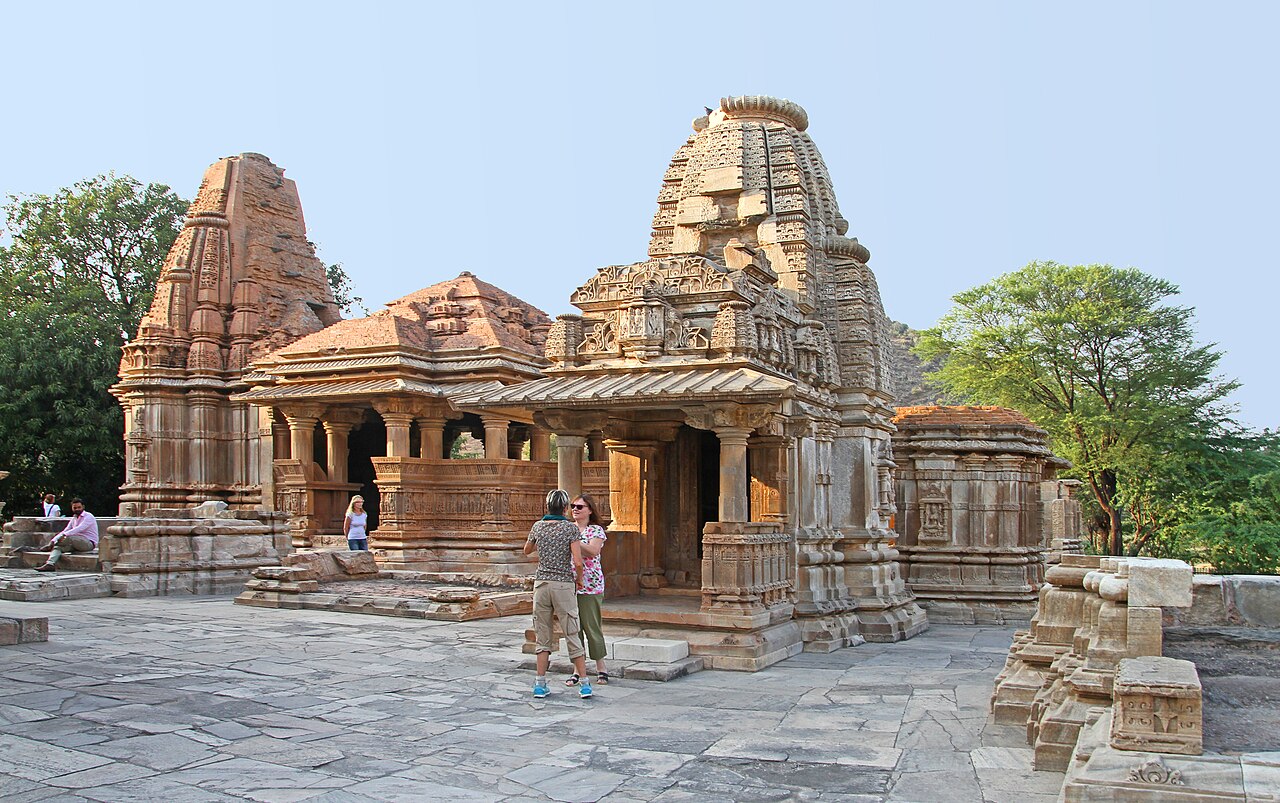
Udaipur district, India
Deity: Vishnu
The Sahasra Bahu temples or Sasbahu Temples, at Nagda, Rajasthan, are a pair of late 10th-century Hindu temples dedicated to Virabhadra. They share a platform, facing the temple tank, and are similar in style, but one is rather larger than the other. The larger one is surrounded by ten subsidiary shrines, the smaller by four; only the bases remain of some of these. The temples have many of the characteristics of slightly later Māru-Gurjara architecture but lack others, especially in the plan and exterior sculpture.
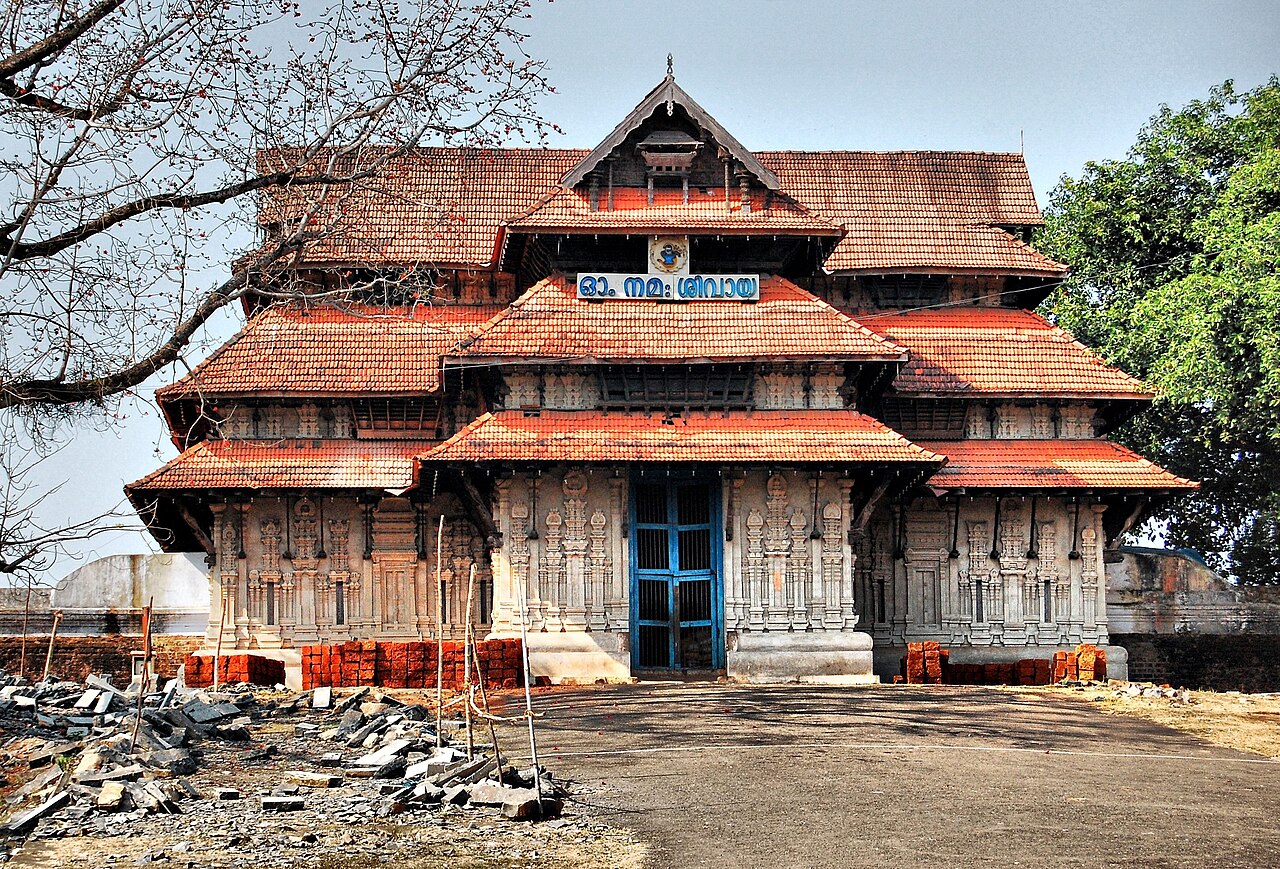
Thrissur district, India
Deity: Shiva
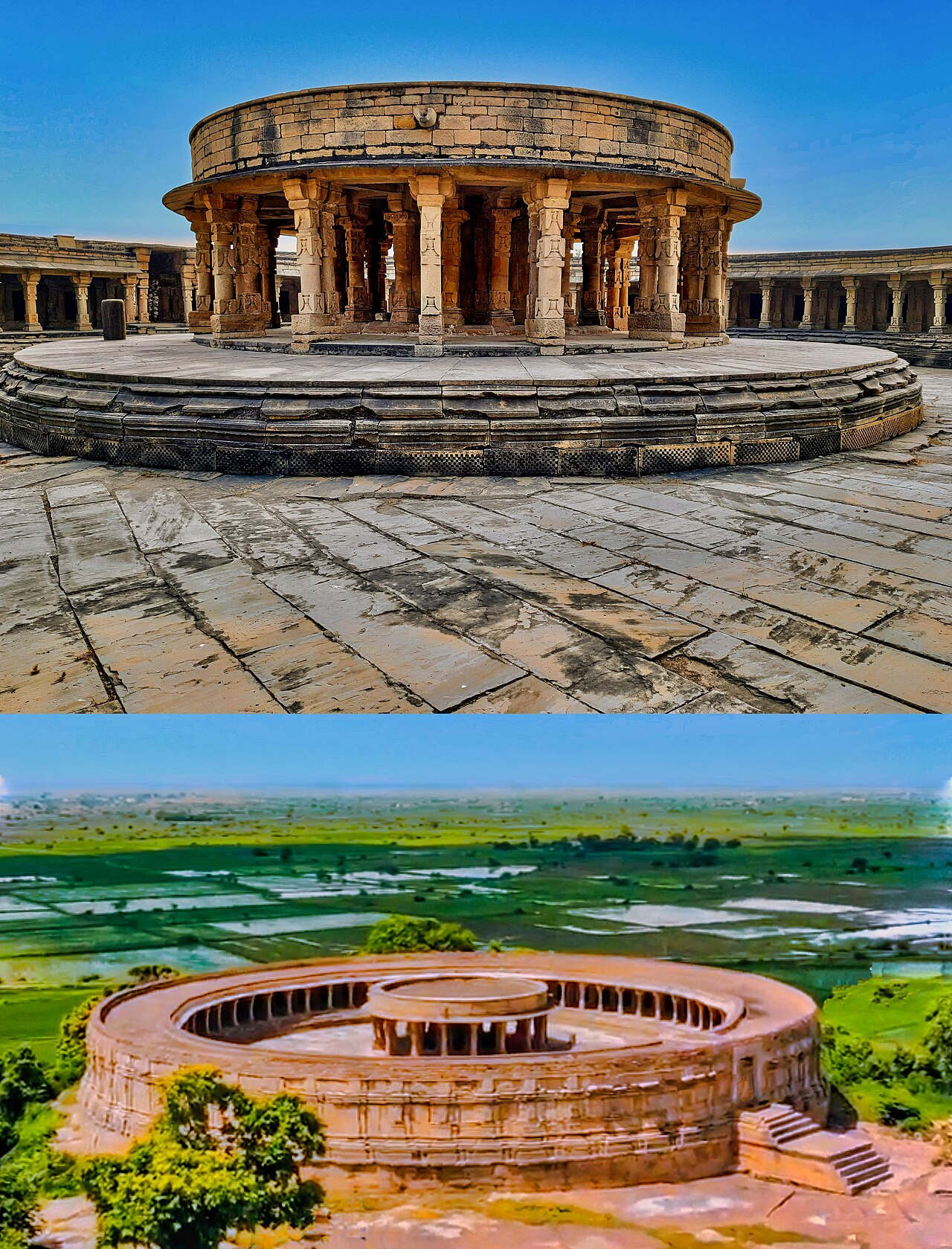
Morena district, India
The Chausath Yogini Temple, Mitaoli, also known as Ekattarso Mahadeva Temple, is an 11th-century temple in Morena district in the Indian state of Madhya Pradesh. Build during Kachchhapaghata reign, it is one of the well-preserved Yogini temples in India. The temple is formed by a circular wall with 65 chambers, apparently for 64 yoginis and the goddess Devi, and an open mandapa in the centre of a circular courtyard, sacred to Shiva.