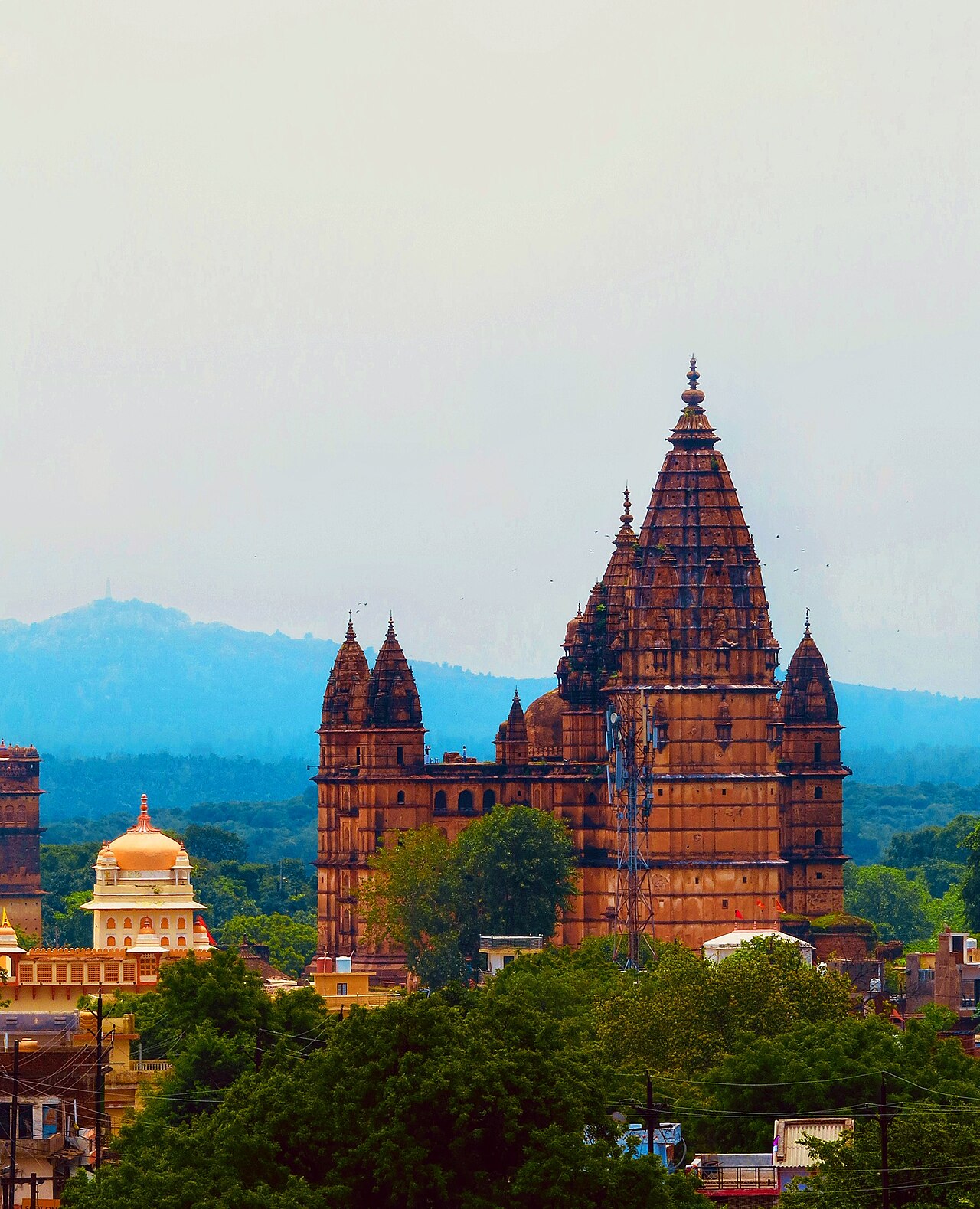
Orchha, India
Founded: 1550
Chaturbhuj Temple, dedicated to Vishnu, is a Hindu temple, situated at Orchha in Madhya Pradesh, India. The name Chaturbhuj is a combination of 'chatur' meaning "four" and 'bhuj' meaning "arms" which literally translates to "one who has four arms" and refers to Rama, an Avatar of Vishnu. The temple has a complex multi-storied structural view which is a blend of temple, fort and palatial architectural features.
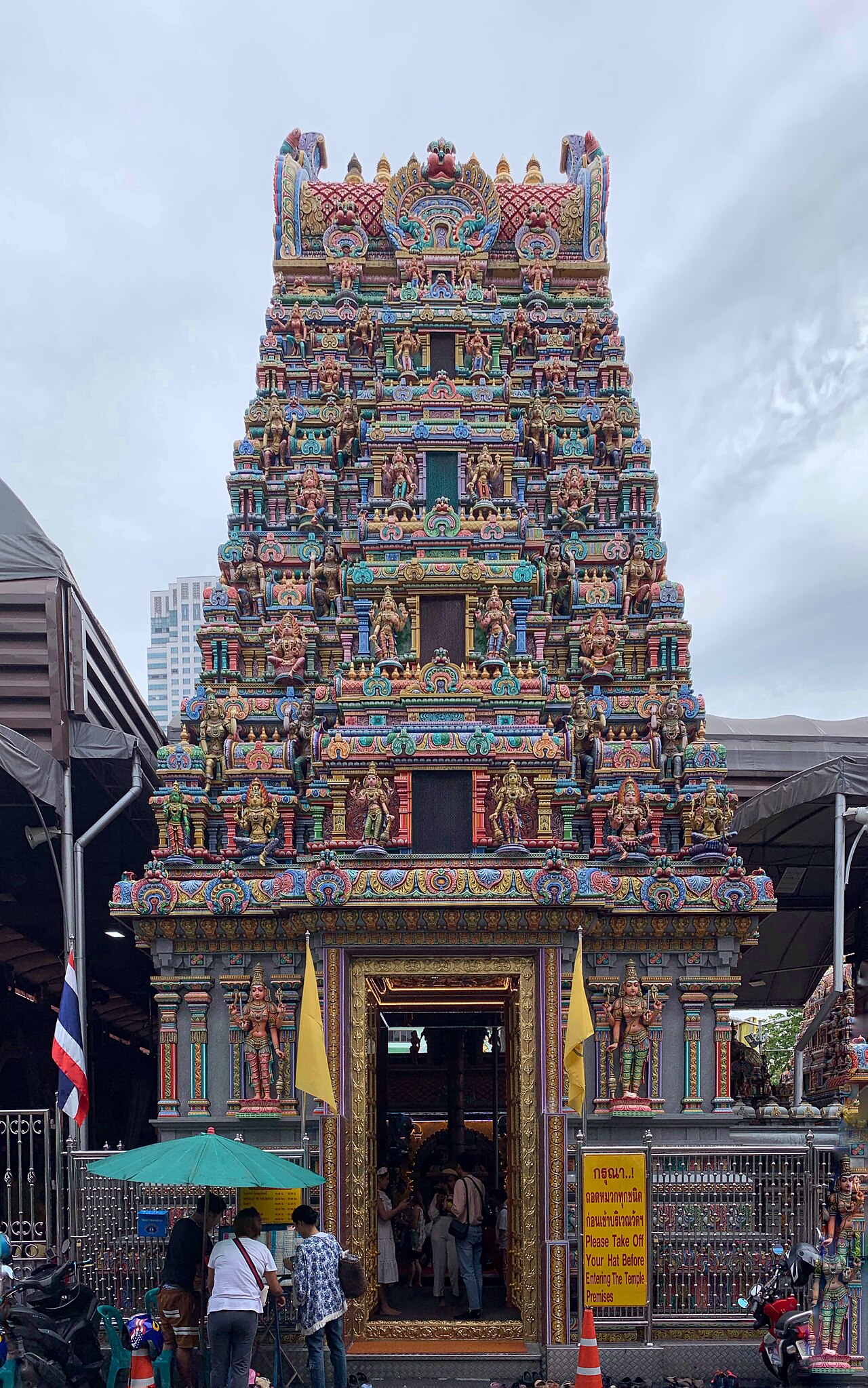
Si Lom, Thailand
Founded: 1879
Sri Maha Mariamman Temple, also known as Maha Uma Devi Temple (Thai: วัดพระศรีมหาอุมาเทวี; RTGS: Wat Phra Si Maha Umathewi and Wat Khaek in Thai, is a South Indian architecture style Hindu temple on Si Lom Road in Bangkok, Thailand. It was built in 1879 by Vaithi Padayatchi, a Tamil Hindu immigrant.
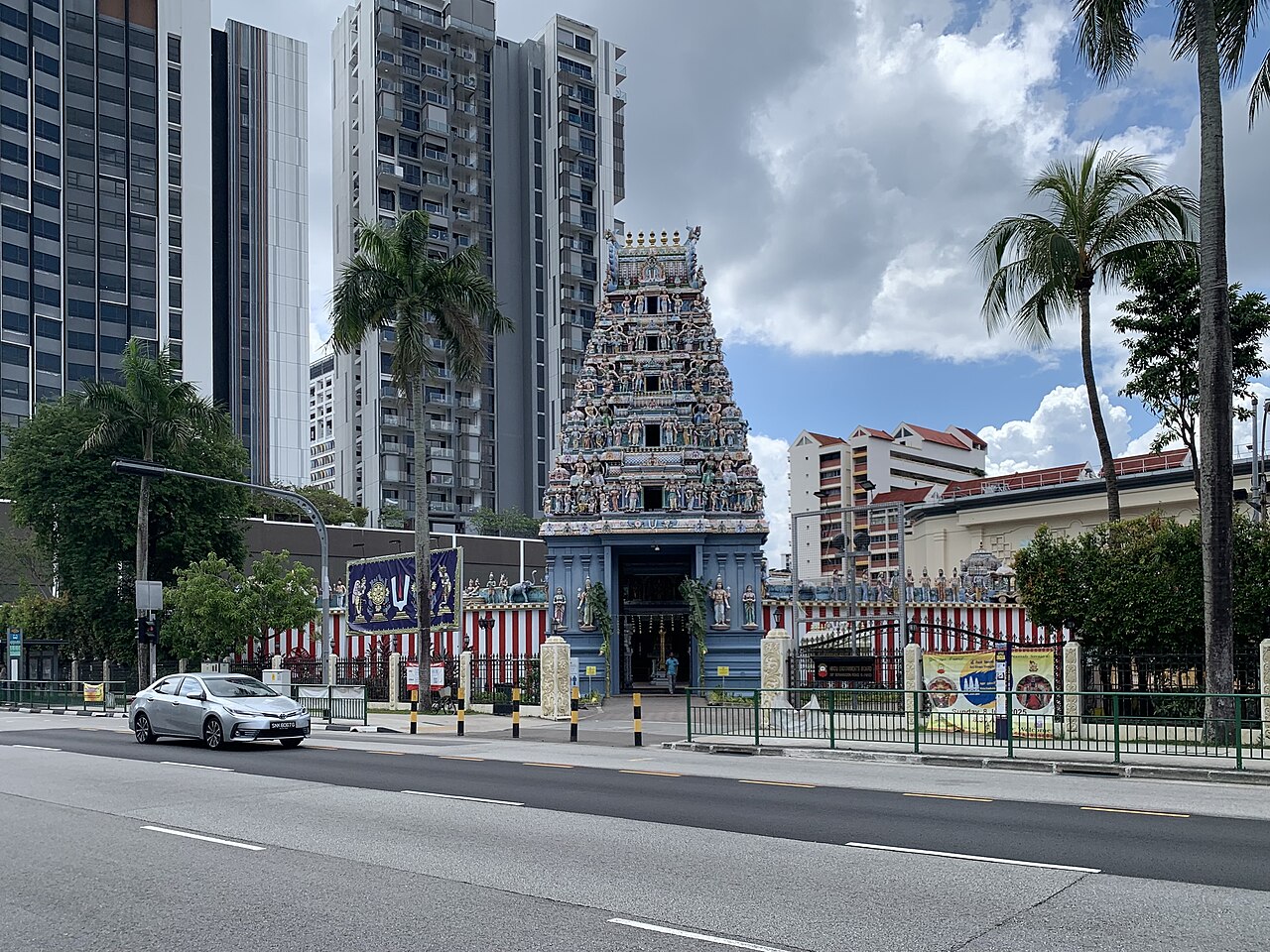
Lavender, Singapore
Founded: 1855
Sri Srinivasa Perumal Temple or Sri Perumal Temple is one of the oldest temples in Singapore. It was built by the early Indian settlers who were of Tamil Speaking. It is located in Little India within the planning area of Kallang along Serangoon Road, where its tall Gopuram (tower) shows the different incarnations of Lord Vishnu. This large complex, dedicated to Vishnu, dates from 1855, but the 20-metres-tall Gopuram was only built in 1966 at a cost of S$300,000. The temple's five-tier Gopuram was a donation from P. Govindasamy Pillai, one of the earliest Indian migrants to Singapore. In 1978, the temple was gazetted as a National monument of Singapore.
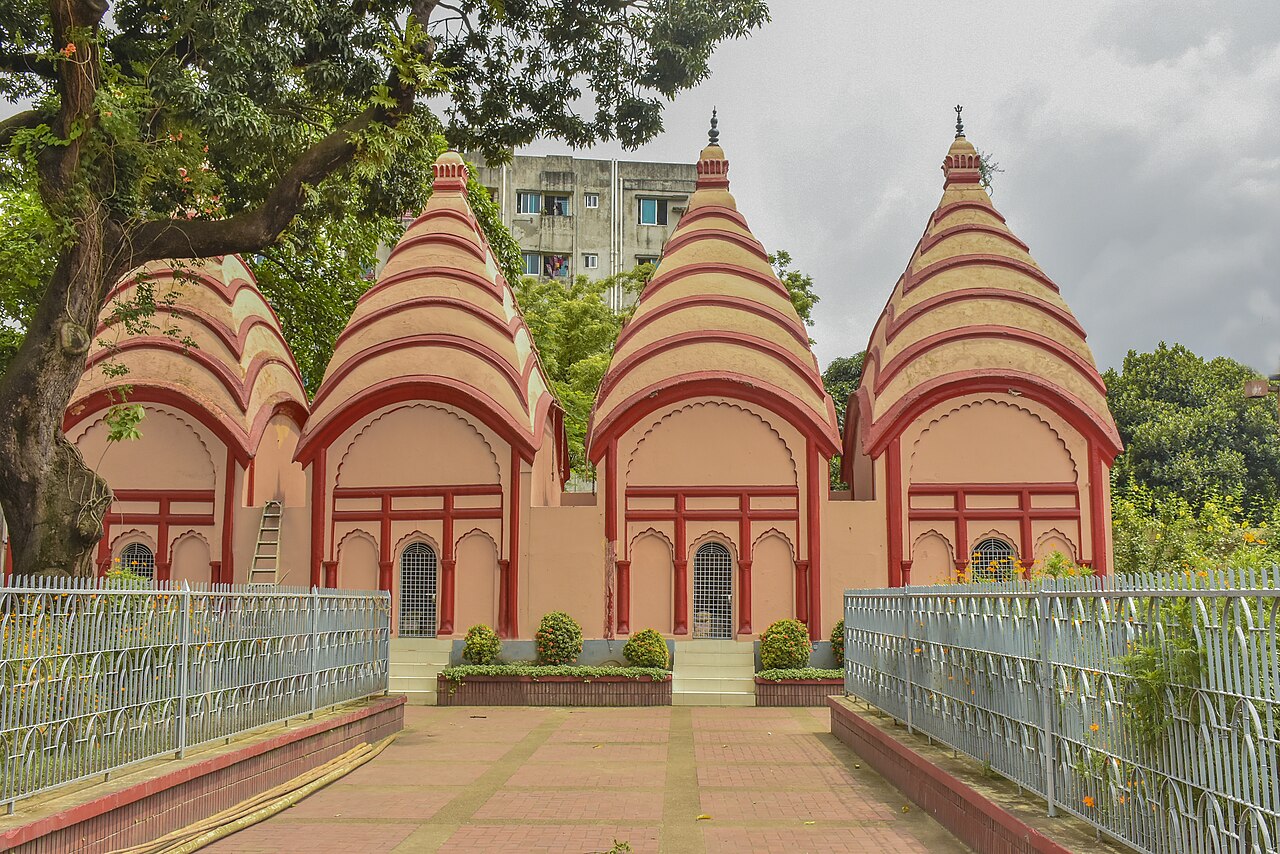
Dhaka, Bangladesh
Dhakeshwari National Temple is a Hindu temple in Old Dhaka, Bangladesh. It is state-owned, giving it the distinction of being Bangladesh's 'National Temple'. The name "Dhakeshwari" means "Goddess of Dhaka". Dhaka is named after Goddess Dhakeshwari. Bangladesh is the only Muslim majority country in the world to have a National Hindu Temple.
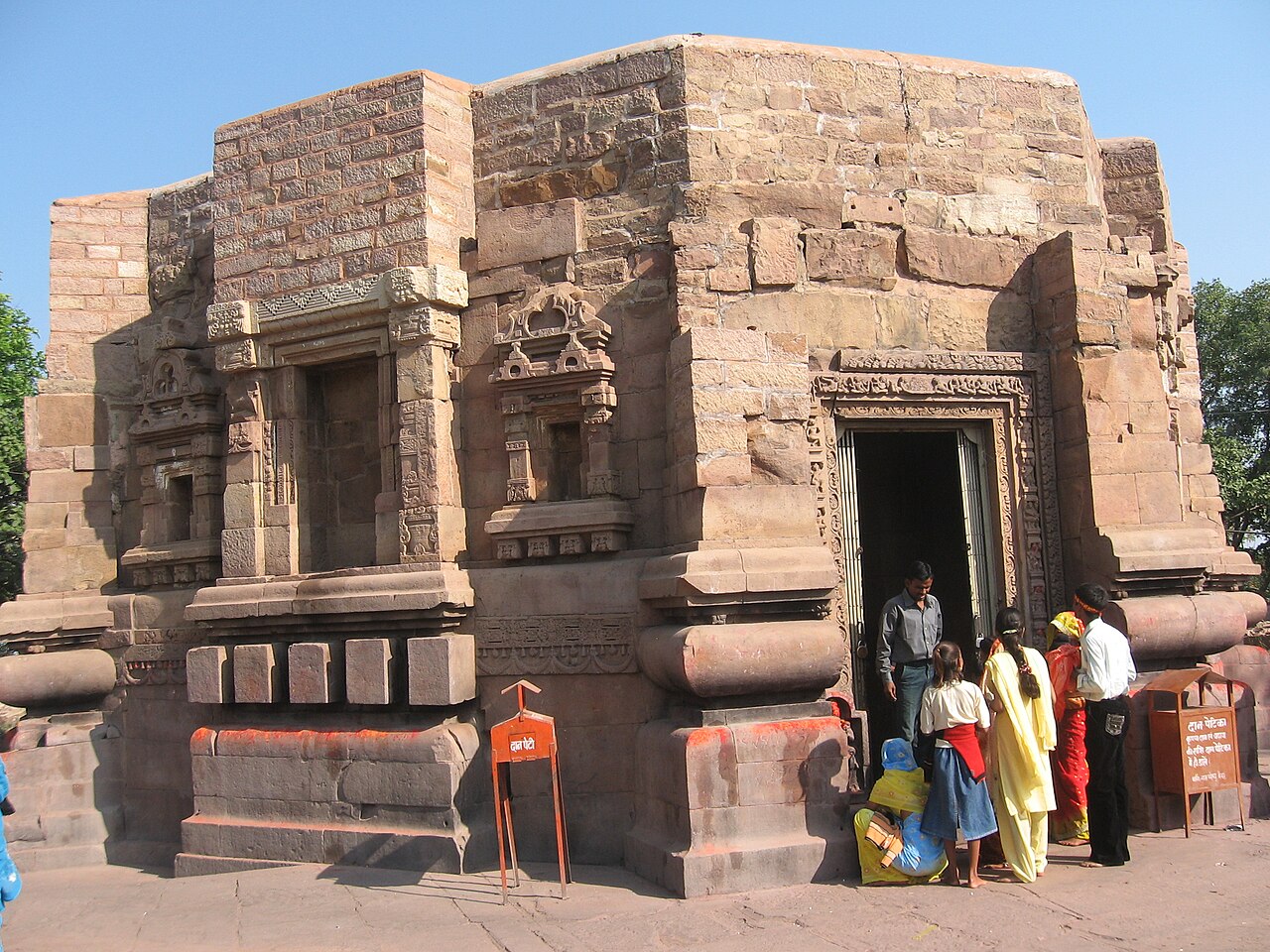
Kaimur district, India
The Mundeshwari Devi Temple is a Hindu temple, located at Ramgarh Village, 608 feet (185 m) on the Mundeshwari Hills of Kaimur plateau near Son River, in the Bhojpuri region of Indian state of Bihar. It is an Archaeological Survey of India (ASI) protected monument since 1915.
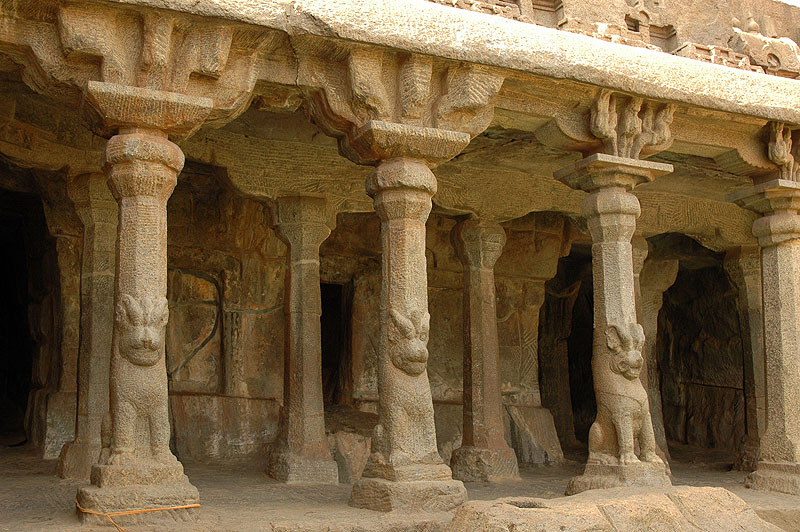
Chengalpattu district, India
Varaha Cave Temple is a rock-cut cave temple located at Mamallapuram, on the Coromandel Coast of the Bay of Bengal in Kancheepuram District in Tamil Nadu, India. It is part of the hill top village, which is 4 kilometres (2.5 mi) to the north of the main Mahabalipurm sites of rathas and the Shore Temple. It is an example of Indian rock-cut architecture dating from the late 7th century. The temple is one of the finest testimonial to the ancient Hindu rock-cut cave architecture, out of many such caves also called mandapas. Part of the Group of Monuments at Mahabalipuram, the temple is a UNESCO World Heritage Site as inscribed in 1984 under criteria i, ii, iii and iv.
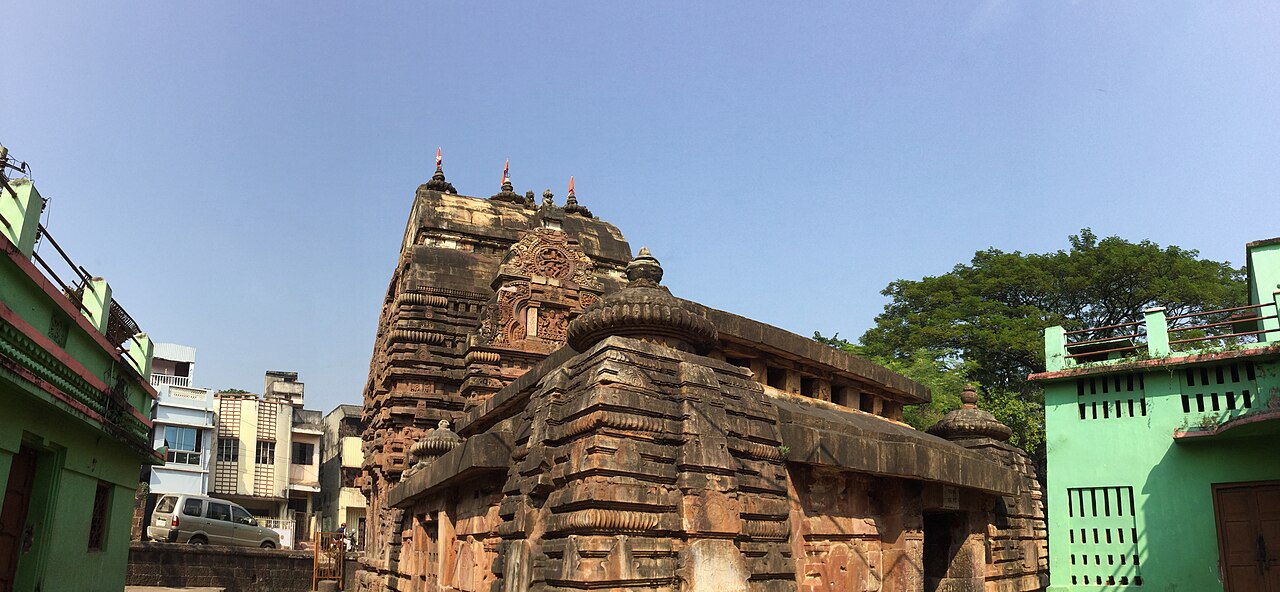
Bhubaneswar, India
Founded: 701 CE
Baitāḷa deuḷa or Vaitāḷa deuḷa is an 8th-century Hindu temple of the typical Khakara style of the Kalinga architecture dedicated to Goddess Chamunda located in Bhubaneswar, the capital city of Odisha, India. It is also locally known as Tini-munḍiā deuḷå due to the three spires on top of it, a very distinct and unusual feature. The three spires are believed to represent the three powers of the goddess Chamunda - Mahasaraswati, Mahalakshmi and Mahakali.
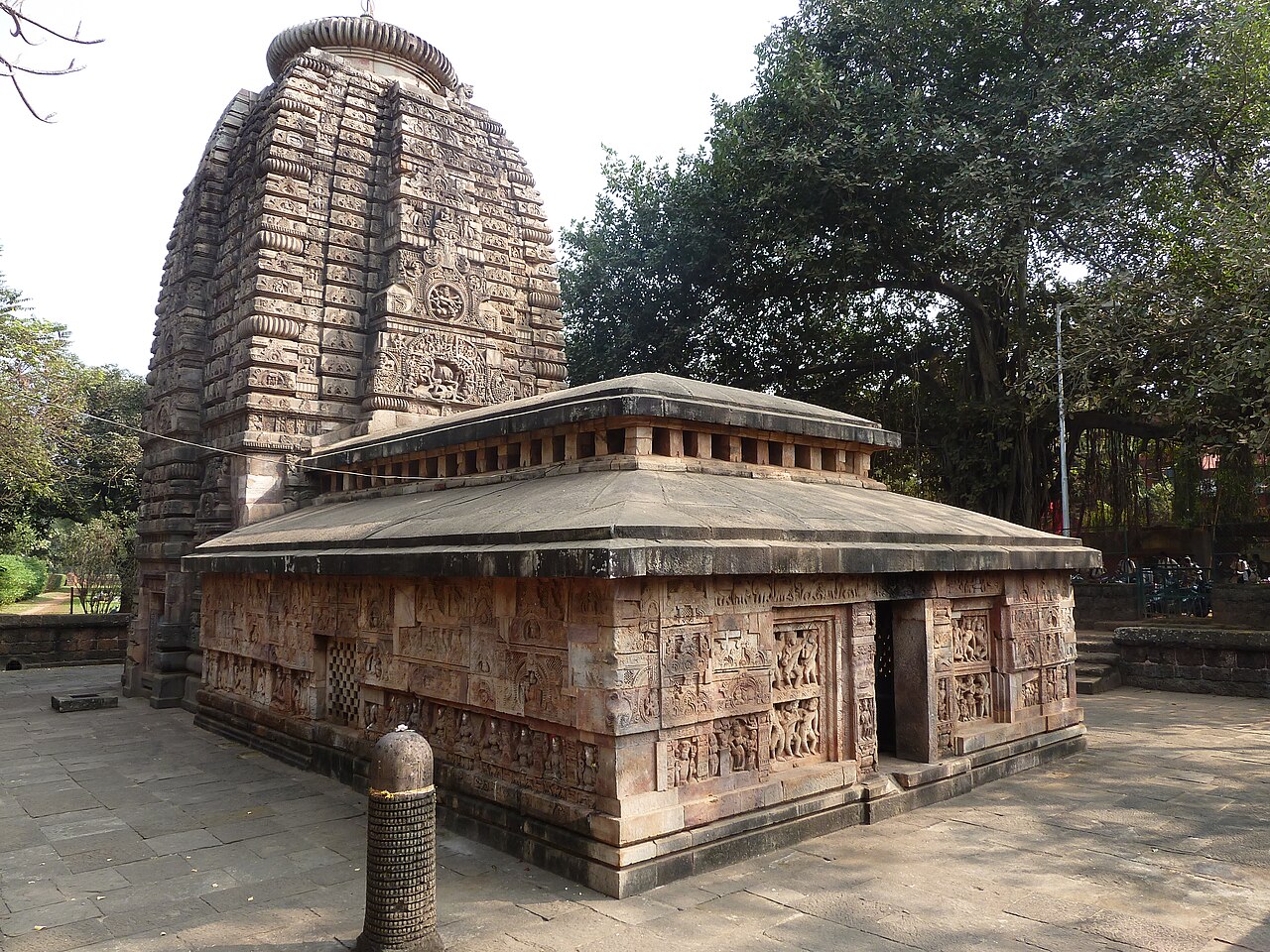
Bhubaneswar, India
Deity: Shiva
Parsurameswara Temple also spelt Parashurameshvara, is a Hindu temple, located in the East Indian city of Bhubaneswar, the capital of Odisha, India, is considered the best preserved specimen of an early Odia Hindu temple dated to the Shailodbhava period between the 7th and 8th centuries CE. The temple is dedicated to the Hindu god Shiva and is one of the oldest existing temples in the state. It is believed to have been built around 650 CE in Nagara style and has all the main features of the pre-10th century Kalinga Architecture style temples. The temple is one among the Parashurameshvara group of temples.
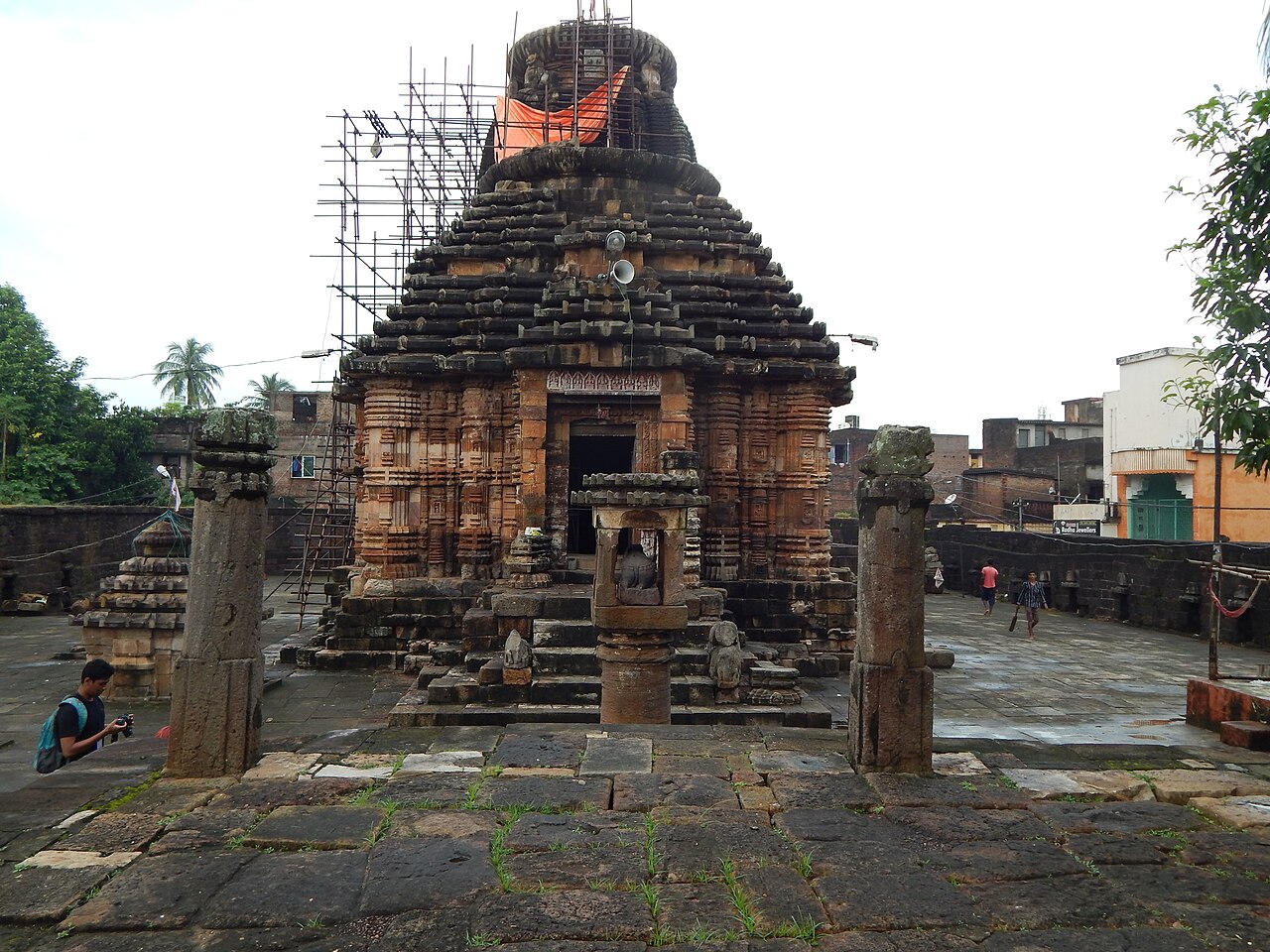
Bhubaneswar, India
Deity: Shiva
Yameshwar Temple or Jameshwar Temple is an ancient temple dedicated to the Hindu deities Shiva and Yama. It is located in Bhubaneswar, Odisha, India, near Bharati Matha, in Jameshwar Patna.
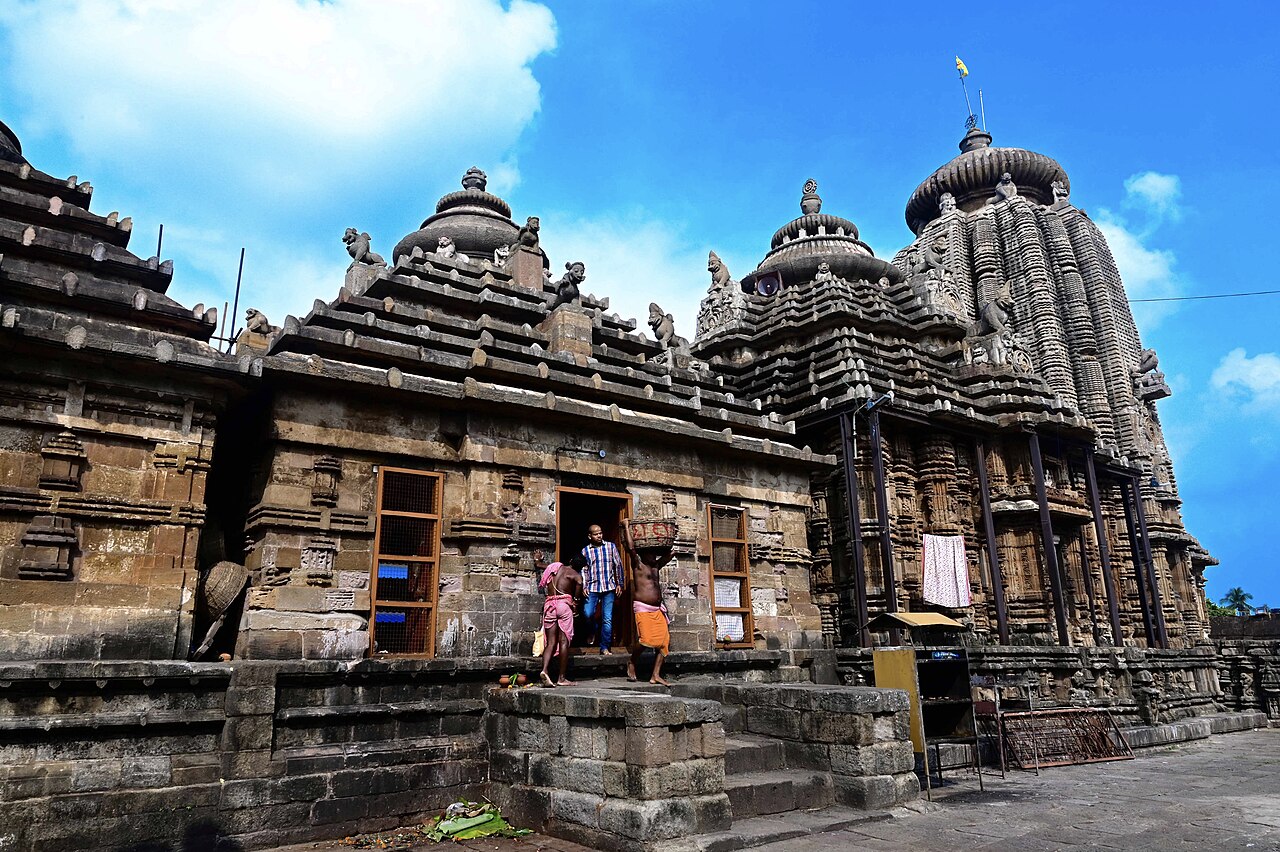
Bhubaneswar, India
Ananta Vasudeva Temple is a Hindu temple dedicated to Krishna, an avatar of Vishnu located in Bhubaneswar, the state capital of Odisha, India. The temple was constructed in the thirteenth century, and the complete murtis of Krishna, Balarama and Subhadra are worshipped there. The temple dates back to the period of Chandrika Devi, the daughter of Anangabhima III, during the reign of the king Bhanudeva. A commemorative inscription that marked the foundation of the temple can be found in the British Museum's collection.
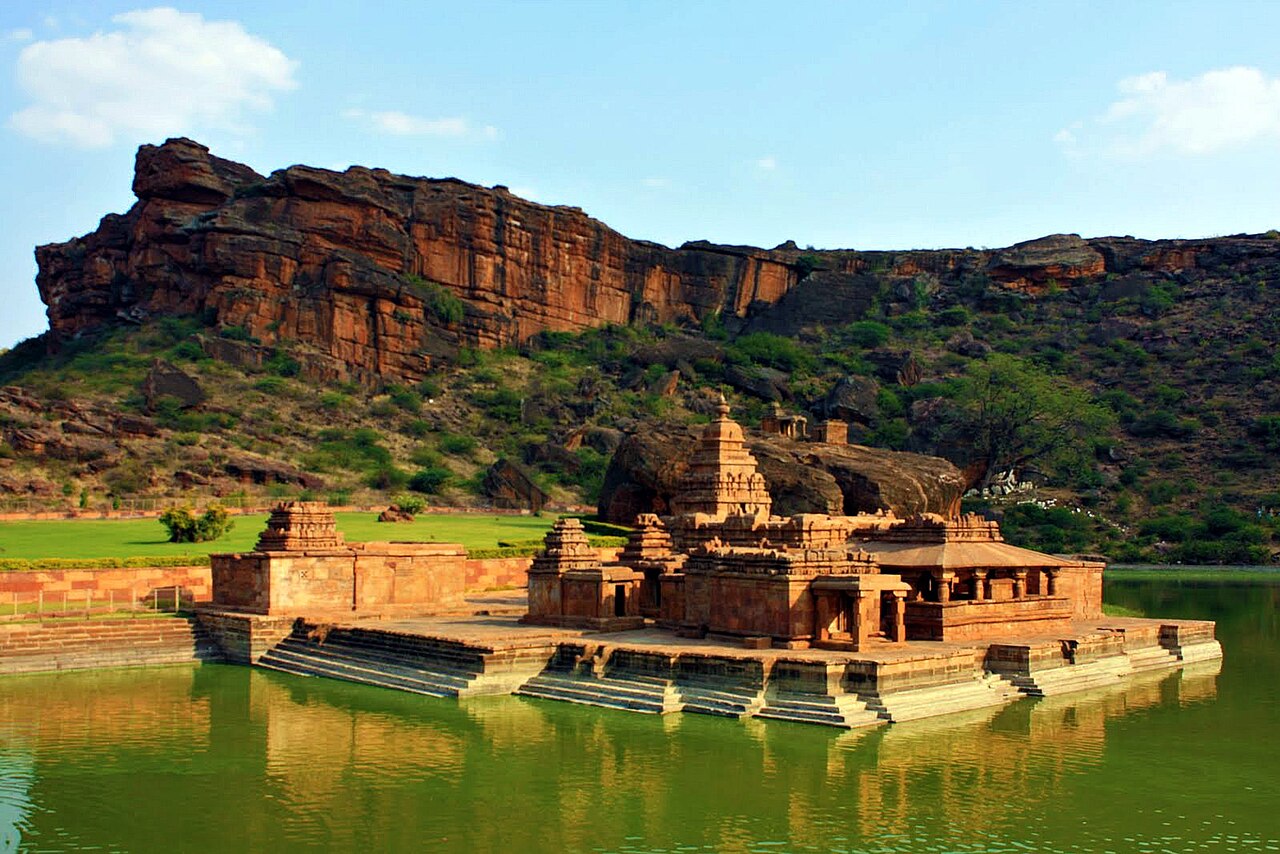
Bagalkot district, India
The Bhutanatha group of temples are 7th to 12th century Hindu temples to the east of Agastya lake in Badami, Karnataka state, India. It consists of two subgroups – one called the East Bhutanatha group or Bhutanatha main group from 7th to 8th century mostly in the Dravida architecture style; the other called the North Bhutanatha group or Mallikarjuna group from 11th to 12th century mostly in the Nagara architecture. The former illustrates the Badami Chalukya architects, the latter along with the nearby Yellamma temple the Kalyani Chalukya architects.
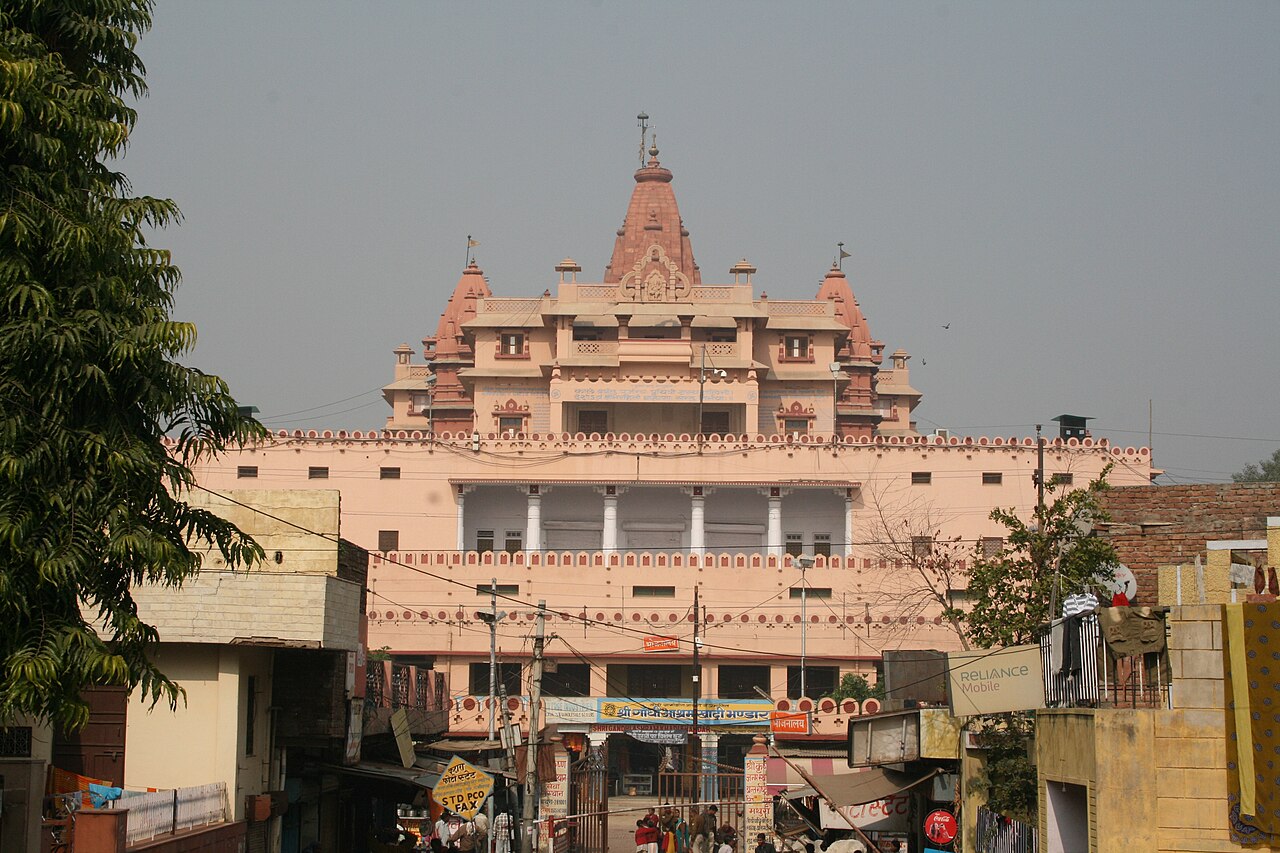
Mathura, India
Deity: Krishna
Founded: 1982
Krishna Janmasthan Temple is a Hindu temple situated in Mathura, Uttar Pradesh, India. There are three main temples inside the premises -- Keshavdev temple which is dedicated to Krishna, Garbh Griha where Krishna is believed to be born in Dvapar Yuga and Bhagvata Bhavan where presiding deities are Radha Krishna.
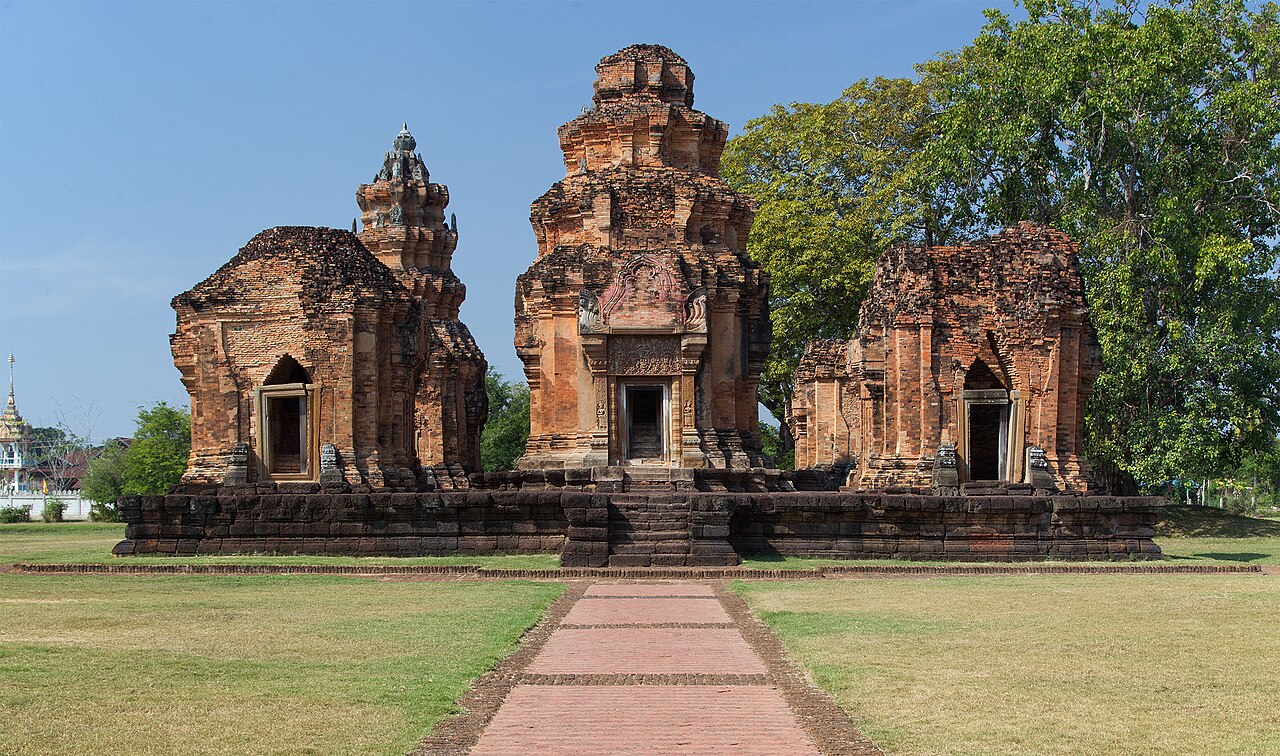
Ra-ngaeng, Thailand
Prasat Sikhoraphum is a Khmer temple located in Thailand, located between the cities of Surin and Sisaket. It was built in the 12th century by King Suryavararas, devatas and dvarapalas. The temple was converted for use by Buddhists in the 16th century. Architectural contributions influenced by Laos are evident on the tower roofs. The name comes from the Sanskrit word of South India shikhara, meaning tower sanctuary.
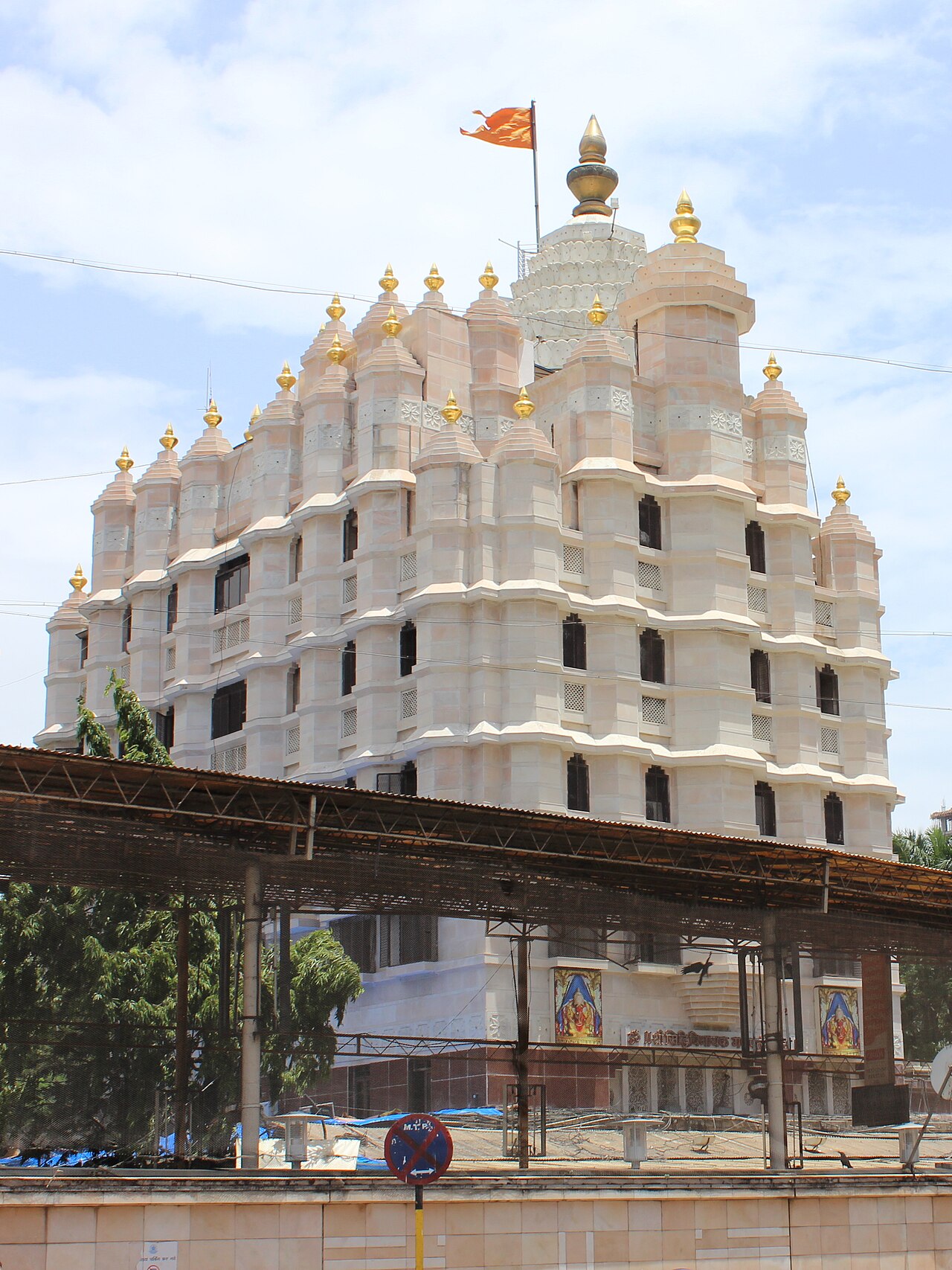
Mumbai, India
The Shri Siddhivinayak Ganapati Mandir is a Hindu temple dedicated to Ganesha. It is located in Prabhadevi neighbourhood of Mumbai, Maharashtra. It was originally built by Laxman Vithu and Deubai Patil on 19 November 1801. It is one of the most popular Hindu temples in Mumbai.
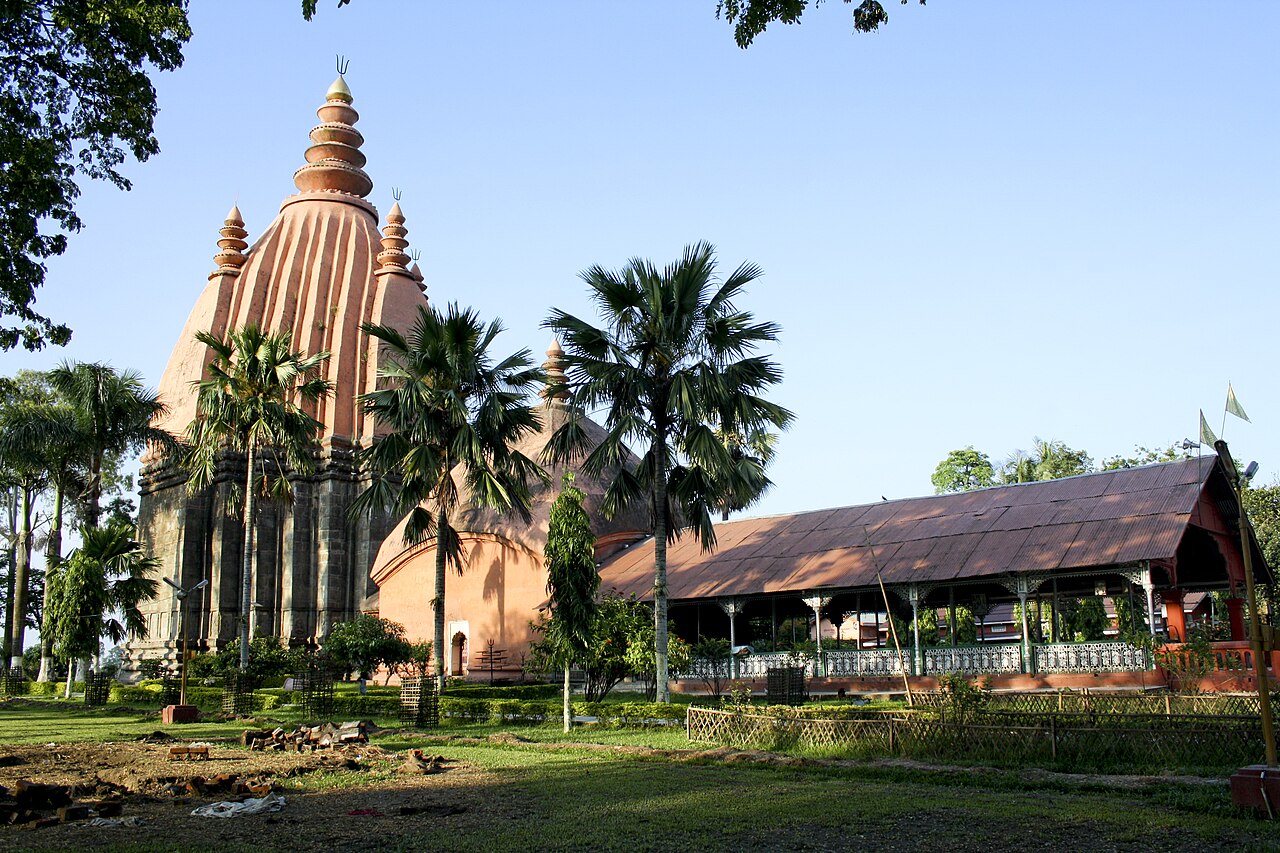
Sivasagar, India
Deity: Shiva
Founded: 1734
Shiva dol is a group of structures comprising three Hindu temples of Sivadol, Vishnudol and Devidol shrines, and a museum. These are located on the banks of the Sivasagar tank, also known as the Borpukhuri tank, in the heart of Sivasagar, in the Indian state of Assam. The tank was constructed between 1731 and 1738 and the temples were built in 1734 by Bar Raja Ambika, queen of Ahom king Swargadeo Siva Singha (1714–1744). The height of the Sivadol is 104 feet (32 m) and the perimeter is 195 feet (59 m) at the base. It is crowned with an 8-foot (2.4 m) high golden-dome.
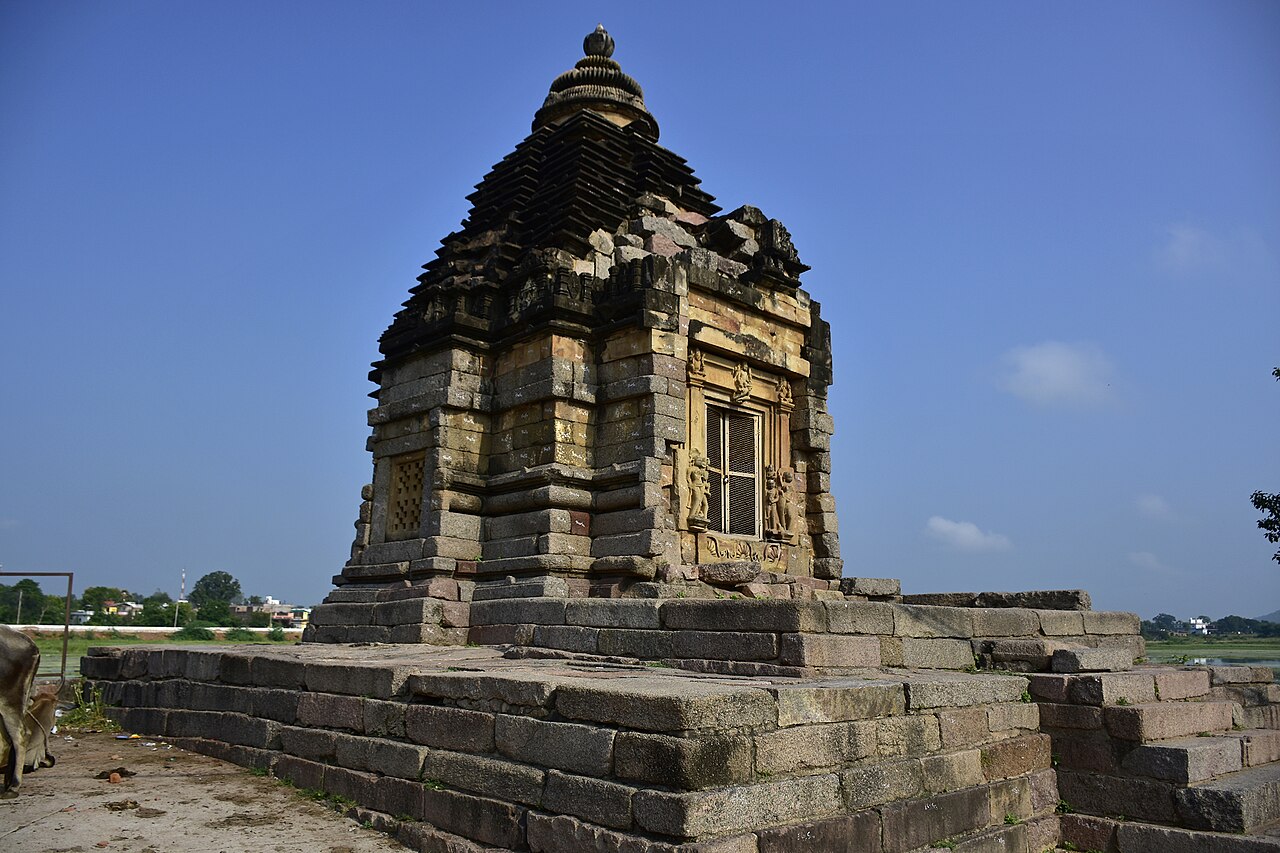
Chhatarpur district, India
Deity: Shiva
Brahma Temple is a ninth or early tenth century temple and is located at Chhatarpur in Madhya Pradesh, India. Although titled after the Hindu god Brahma, the temple is dedicated to Shiva. This temple, along with many others built during the Chandela dynasty, form the UNESCO World Heritage Site of Khajuraho Group of Monuments.
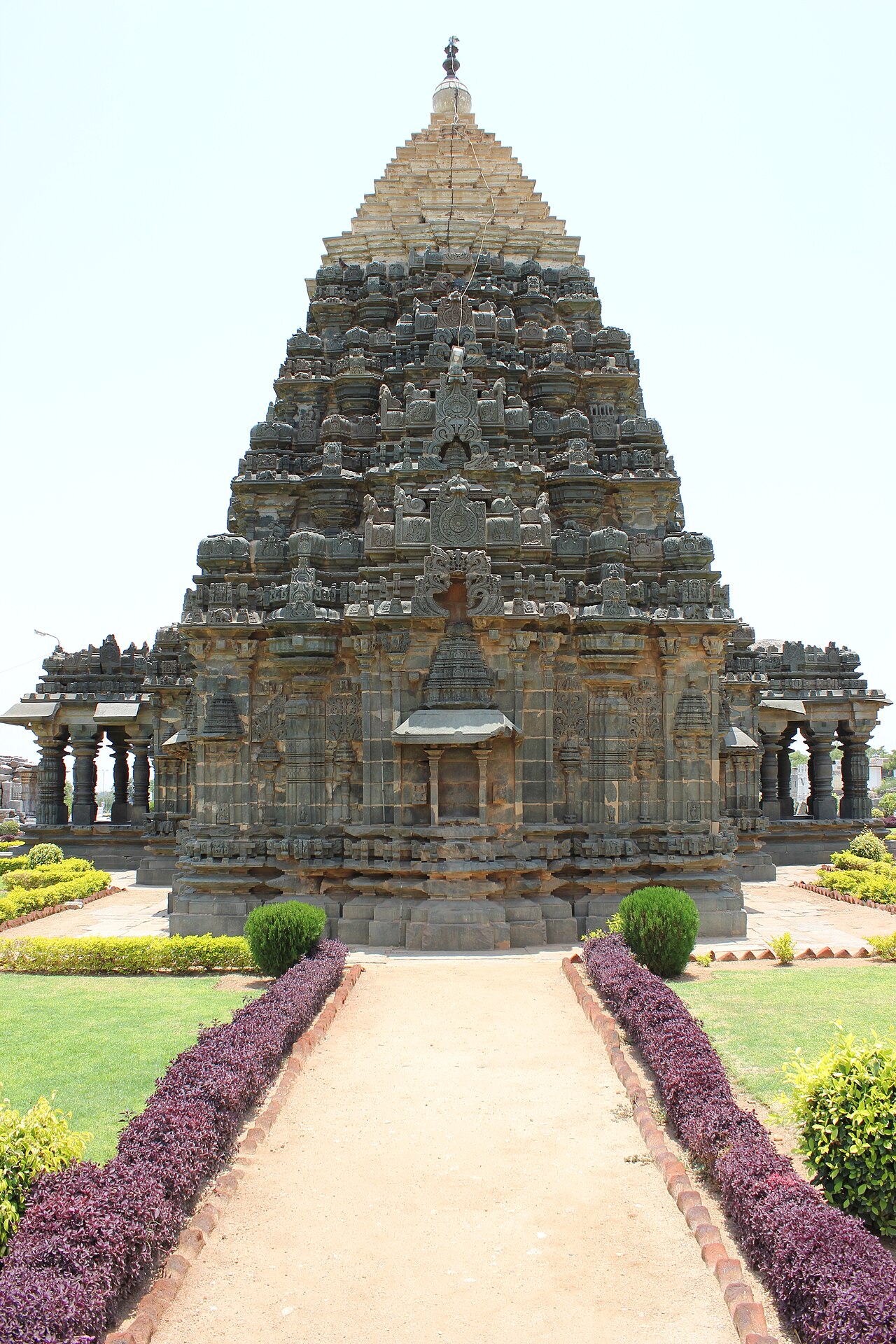
Koppal district, India
Deity: Shiva
The Mahadeva Temple is located in the town of Itagi in Yelburga Taluk, in the Koppal District of Karnataka state, India. It is about 7 km (4 mi) from Kuknur and 20 km (12 mi) from Lakkundi.
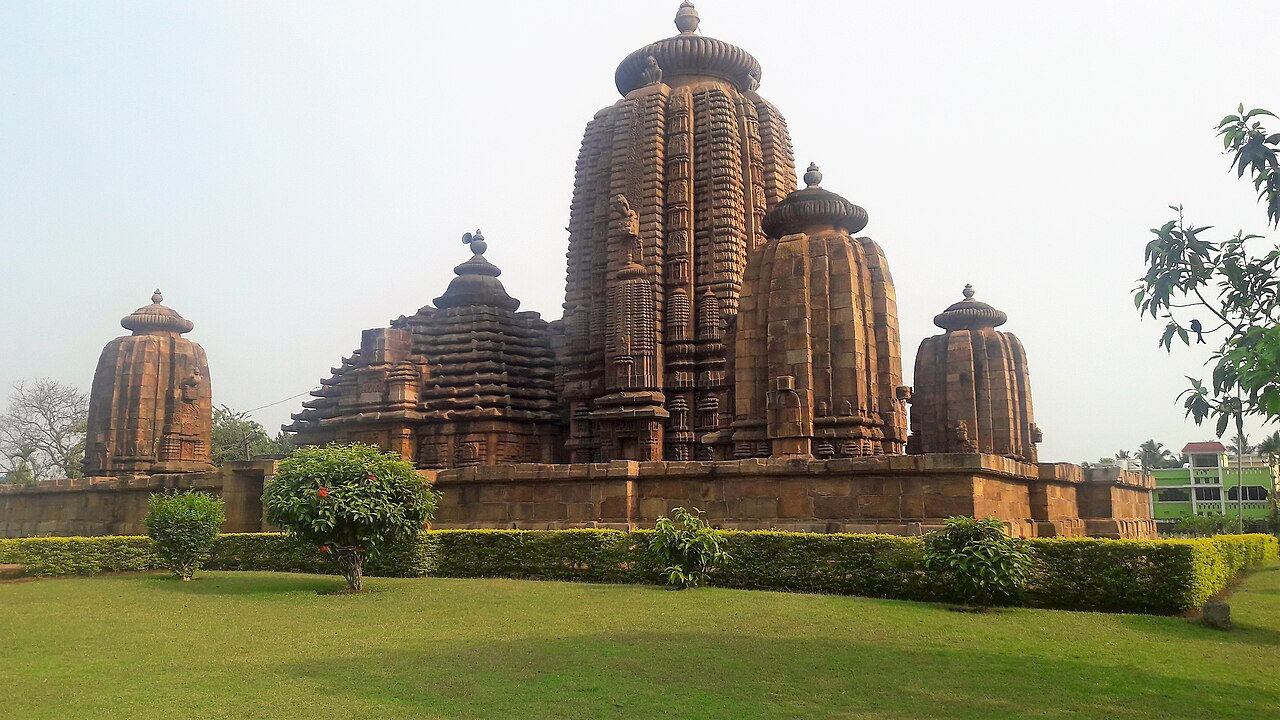
Bhubaneswar, India
Brahmeswara Temple is a Hindu temple dedicated to Shiva located in Bhubaneswar, Odisha, India, erected at the end of the 9th century CE, is richly carved inside and out. This Hindu temple can be dated with fair accuracy by the use of inscriptions that were originally on the temple. They are now lost, but records of them preserve the information of around 1058 CE. The temple is built in the 18th regnal year of the Somavamsi king Udyotakesari by his mother Kolavati Devi, which corresponds to 1058 CE.
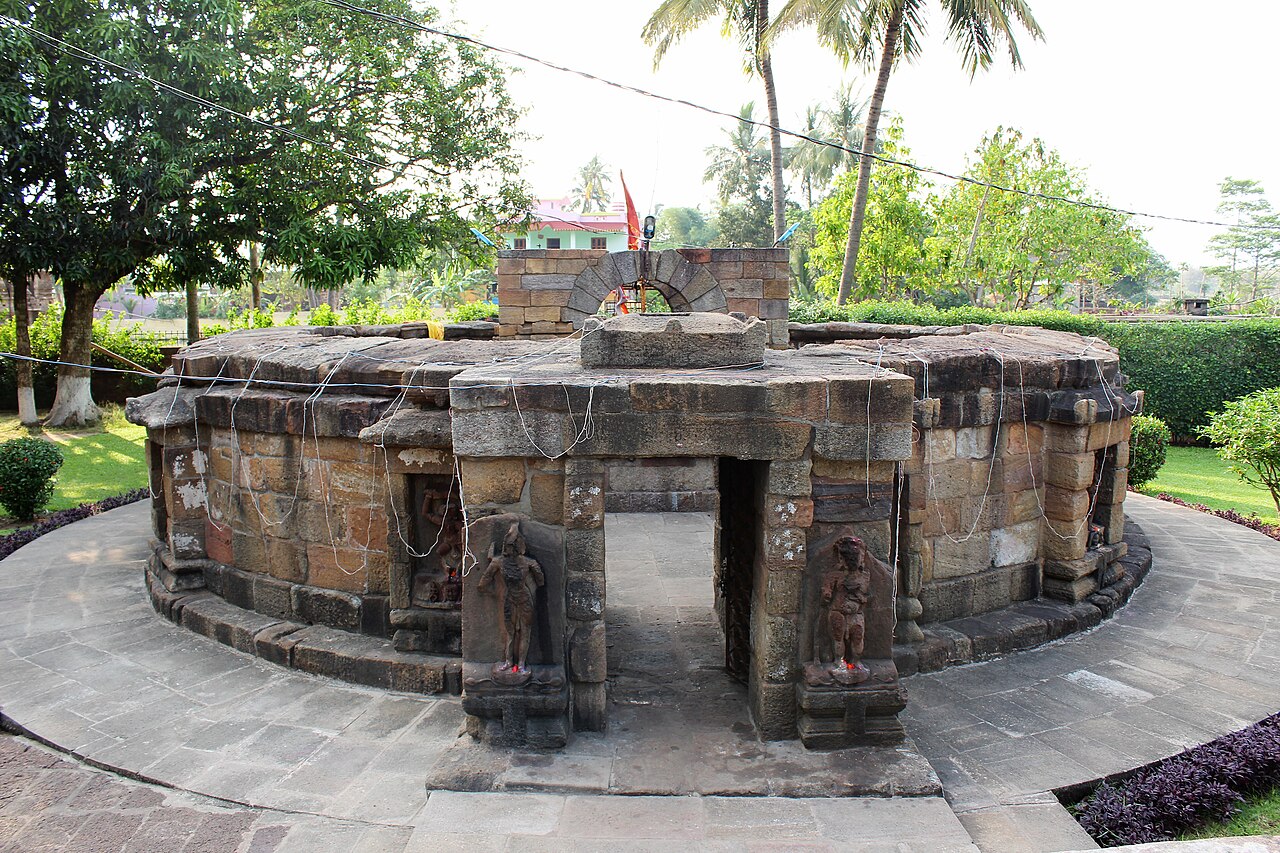
Khordha district, India
The Chausathi Yogini Temple of Hirapur, also known as the Mahamaya Temple, is 20 km outside Bhubaneswar, the capital of Odisha state of Eastern India. It is devoted to the worship of the yoginis, auspicious goddess-like figures.
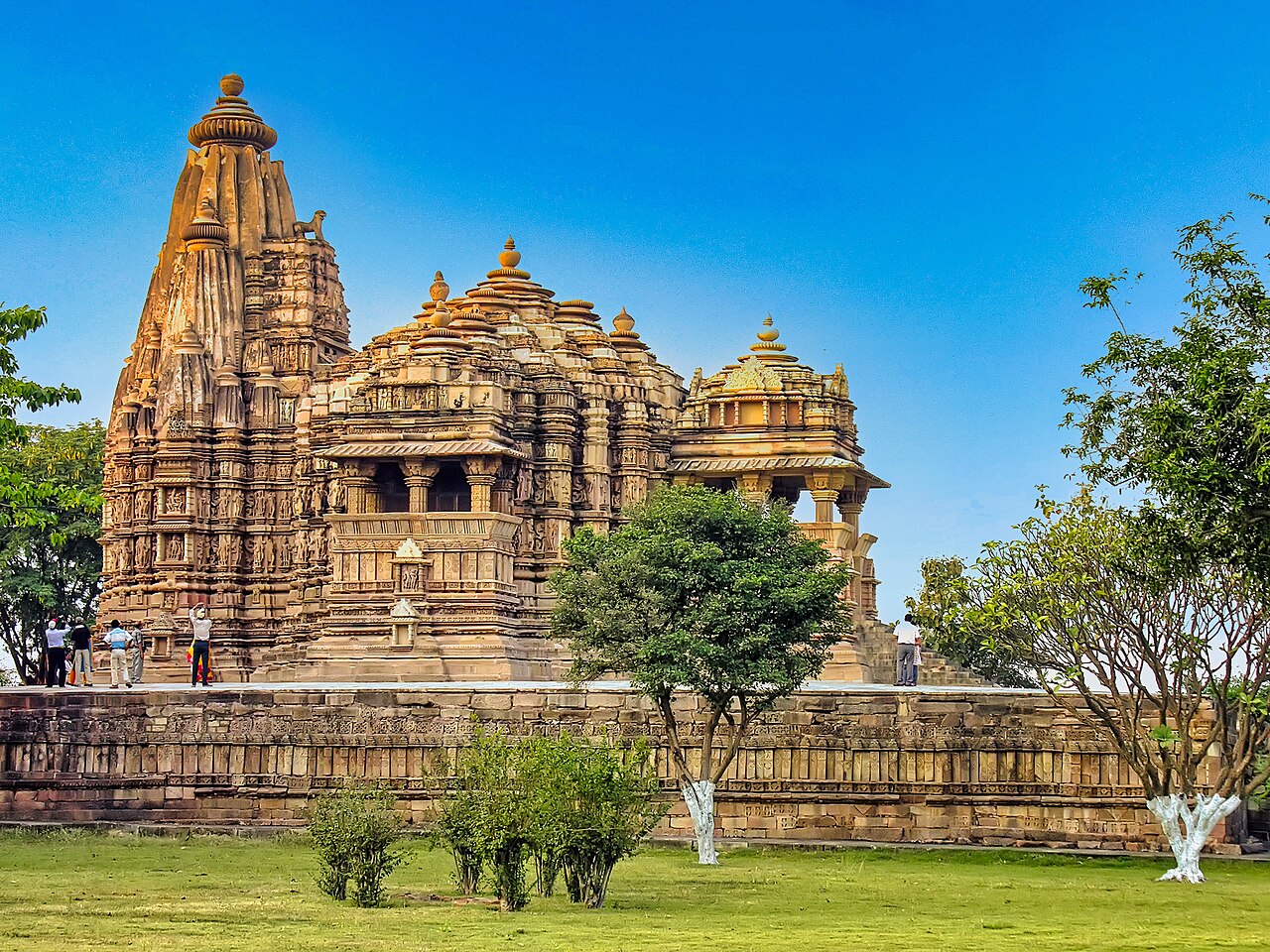
Chhatarpur district, India
The Chitragupta temple is an 11th century temple of Surya in the Khajuraho town of Madhya Pradesh, India. Architecturally, it is very similar to the nearby Jagadambi temple. The temple is a part of the Khajuraho Group of Monuments, a World Heritage Site.
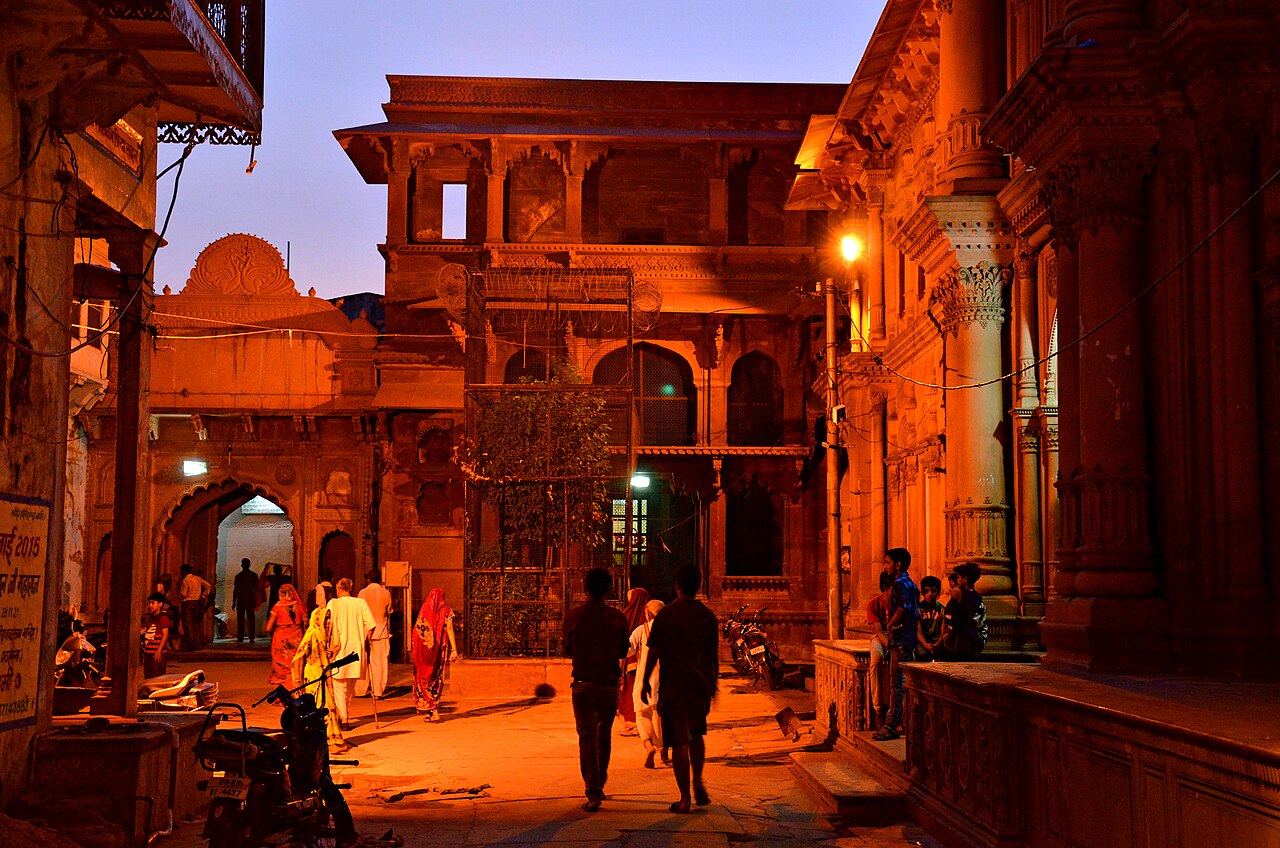
Mathura district, India
Deity: Radha Krishna
Founded: 1600
Shri Radha Vallabh Temple, also called Shri Radha Vallabhlal ji Temple is a historic temple in the city of Vrindavan, Mathura district, Uttar Pradesh, India. The temple is dedicated to Hindu deities Radha Krishna. The temple belongs to Radha Vallabh Sampradaya and was constructed in 16th century under the guidance of Vrindavan saint Hith Harivansha Mahaprabhu.
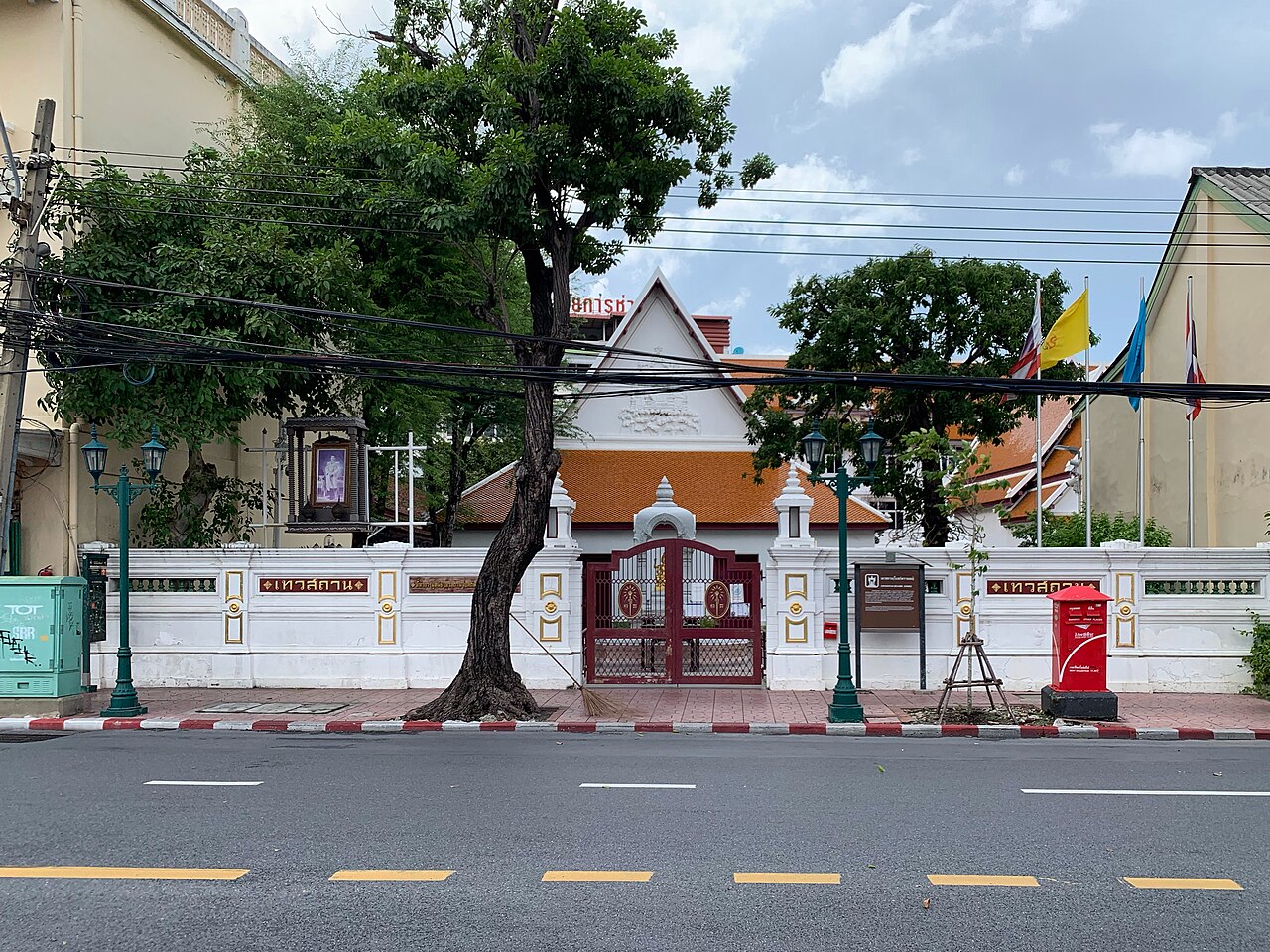
Sao Chingcha, Thailand
Founded: 1784
Devasathan or Royal Brahmin Office of Thai Royal Court is a Hindu temple near Wat Suthat in the Phra Nakhon District, Bangkok, Thailand. The temple is the official centre of Hinduism in Thailand. The temple is the home of the Court Brahmins, who are descended from an ancient lineage of priests from Rameswaram, Tamil Nadu. The Brahmins perform many important royal and religious ceremonies for the Monarchy of Thailand every year. The temple was founded in 1784 by King Rama I, the founder of the Chakri dynasty.
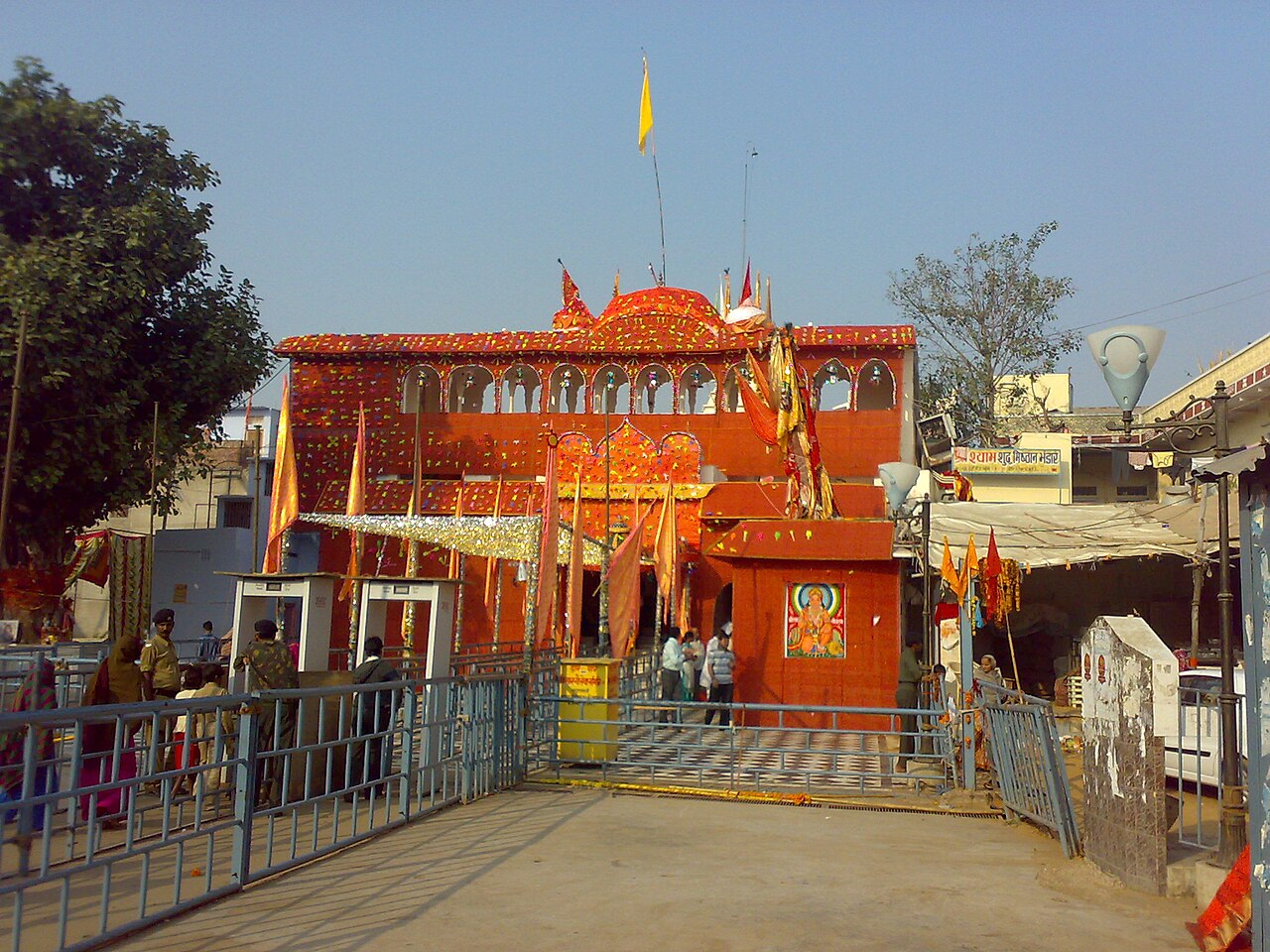
Sikar district, India
Deity: Krishna
Khatu Shyam Ji Temple is a Hindu temple located in KhatuShyamJi town in the Sikar district of Rajasthan. It is a pilgrimage site dedicated to the worship of Khatu Shyam, a divine figure believed to be a manifestation of Barbareek, a character from the Indian epic Mahabharat. The temple is one of the most revered religious sites in Rajasthan, attracting millions of devotees annually, particularly during the Falgun Mela, a festival held in the Hindu month of Falgun (February–March).
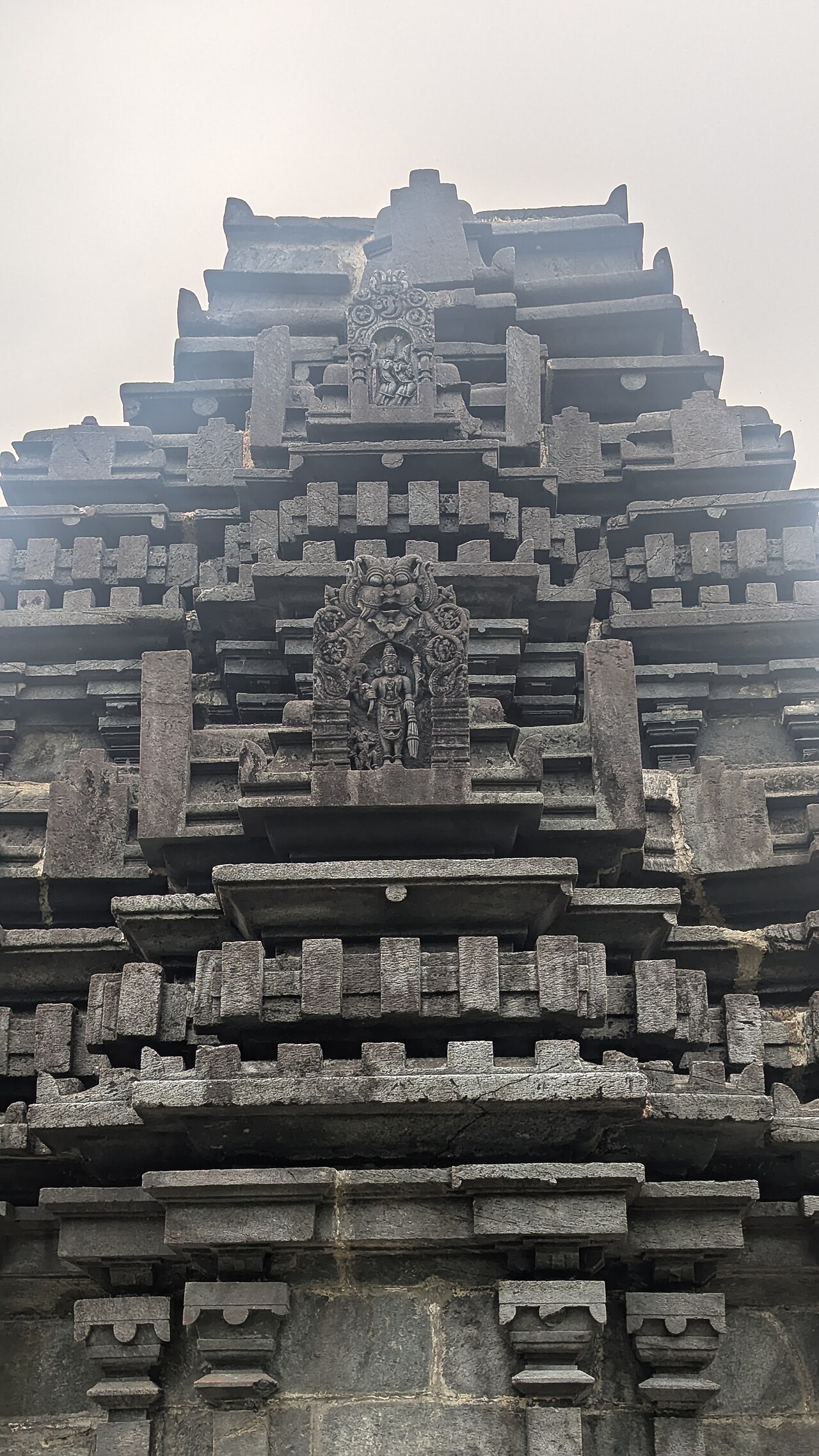
North Goa district, India
Deity: Shiva
Mahadeva Temple, Tambdi Surla is a 13th-century Hindu temple in the Kadamba style dedicated to Lord Shiva, one of the main deities in Hinduism, and is an active place of Hindu worship. It is an ASI protected Monument of National Importance in Goa. The temple is dedicated to Lord Shiva and is reminiscent of the temples at Aihole in neighbouring Karnataka.